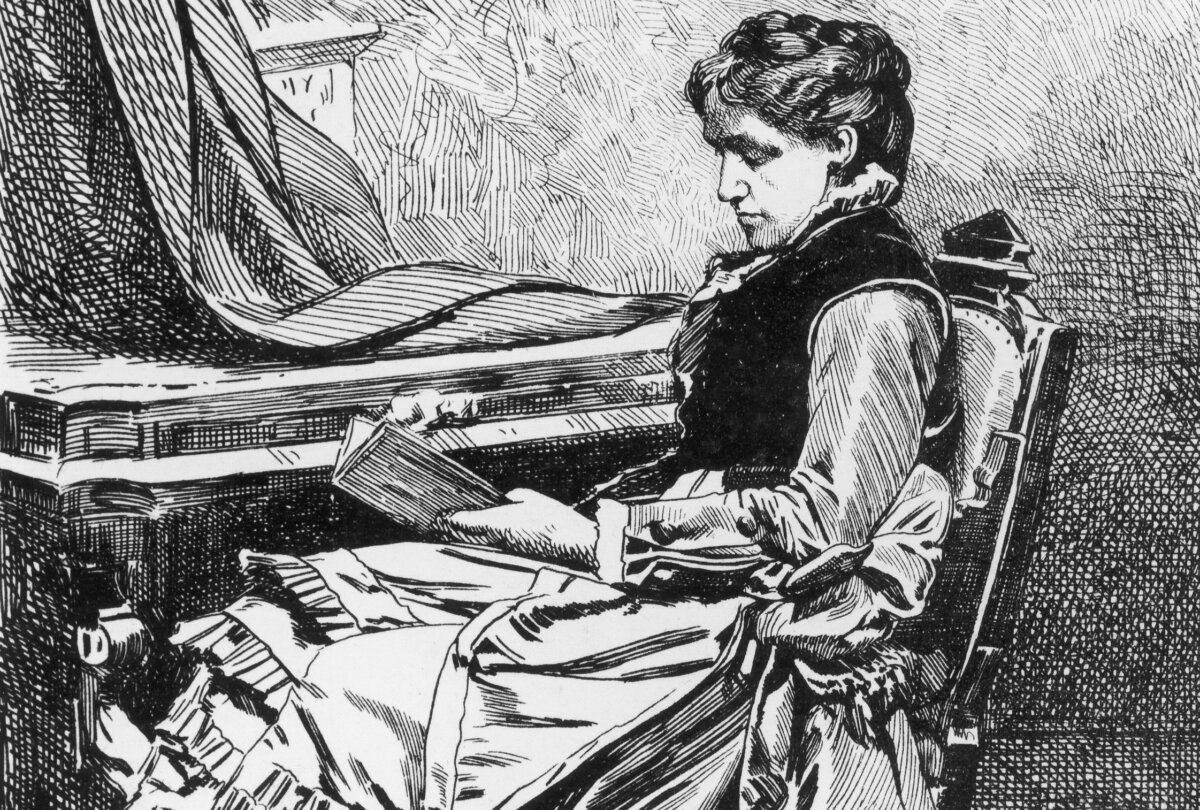
“Little Women” by Louisa May Alcott (1832–1888) is one of those literary works whose fame is almost to its detriment. You’ve doubtless heard the title all your life, perhaps seen one or two of its film adaptations, maybe gone to a play based on the story, and probably read some or all of the novel in your high school literature class.
Because it’s so familiar, you may never have taken time to give deep thought to its true merit, deep themes, and most importantly, its author.
“Little Women” was originally published in two volumes, “Little Women” in 1868 and “Good Wives” in 1869. They were published together as a single novel in 1880.
Few people know that this charming story of four sisters finding their way in mid-19th-century America was just the first book in a trilogy. Alcott followed the story with two subsequent books about the adventures of the first book’s protagonist, Jo March. Titled “Little Men” and “Jo’s Boys,” they were published in 1871 and 1886, respectively.
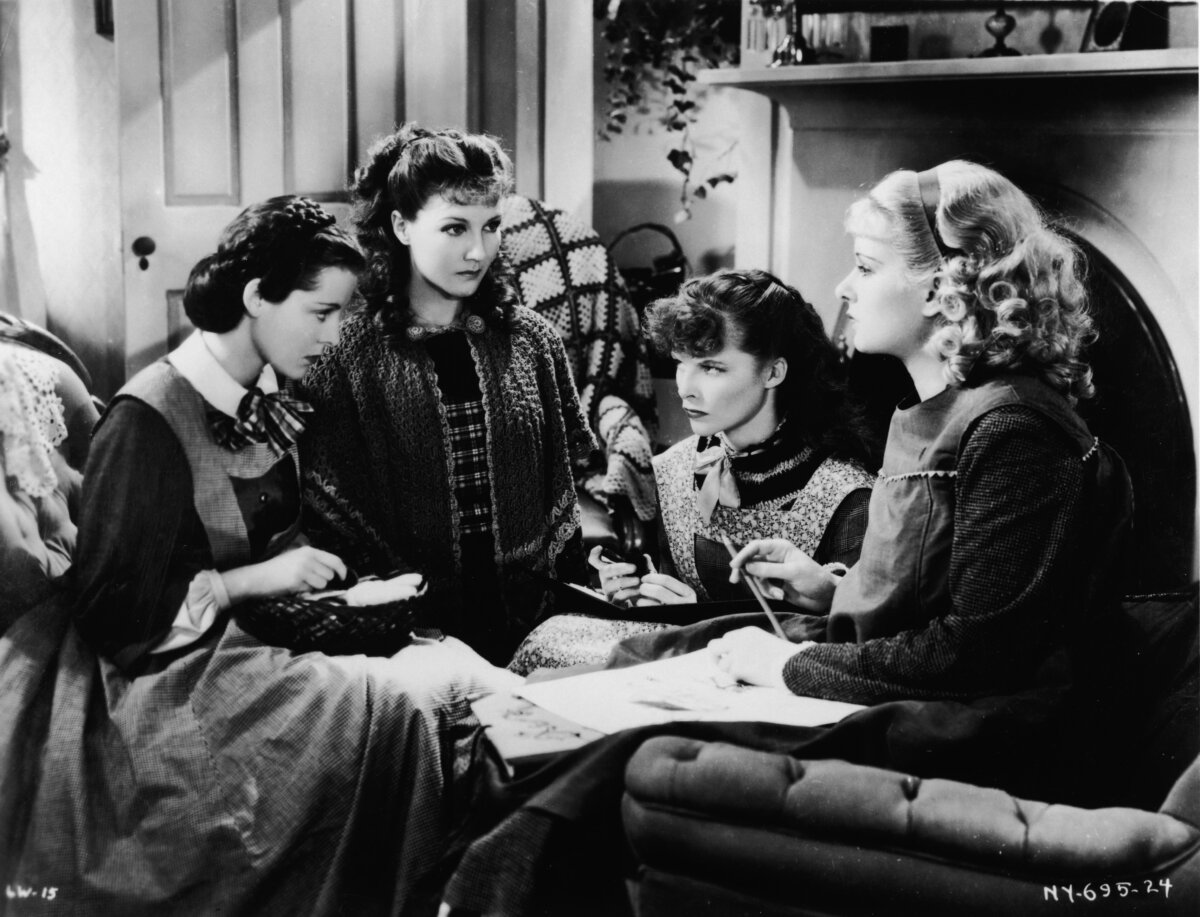
“Little Women” is credited with creating the “all-American girl” and defining the “hearth and home” genre of women’s and girls’ fiction. However, Alcott’s most famous work wasn’t a fanciful tale. It offered a genuine, authentic portrait of her own family and childhood.
The author was uncomfortable with the idea of writing a book for girls because, like her autobiographical character of Jo March, she was a tomboy who had few female friends besides her beloved sisters.
The fascinating story behind the story of this great American novel is Alcott’s real life as a writer who defined American womanhood through her vast and diverse writings.

The Sisters
Alcott was the second of four daughters born to social worker Abigail May Alcott and her husband, educator Amos Bronson Alcott. She and her sisters grew up in a culturally rich environment. They were well-educated and surrounded by giants of the transcendentalist movement with which their parents were involved.
From an early age, Alcott showed a strong, stubborn personality. Her father described her as “fit for the scuffle of things.” She also showed her literary talent early on.
She began journaling at age 6 and wrote her first poem at age 8. These youthful writing endeavors pleased her parents, who gave her constructive comments on her work through notes left on her pillow.
In the second volume of “Little Women,” the character Jo March is a writer. She pens the first volume, recounting her childhood. Jo does this in response to her friend and mentor, Professor Bhaer. He condemns the sensationalist subject matter in her previous writing. After the death of her beloved sister Beth, she writes the story of their family as a tribute to her.
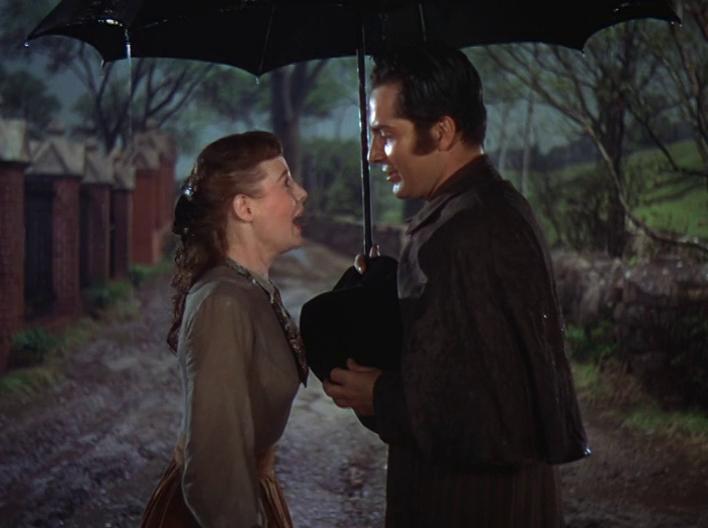
Similarly, Alcott didn’t write “Little Women” of her own volition, since she preferred to write melodramatic novels and short stories. Her publisher, Thomas Niles, asked her to write a book for girls. The tomboyish Alcott felt unqualified, as she knew few girls besides her sisters.
It’s no surprise, then, that she turned to the real childhood of herself and her sisters to write this semi-autobiographical novel. Although the author believed the first few chapters were dull, the publisher’s niece and some other young girls who read early drafts loved it.
Alcott finished the first volume in 10 weeks. Both she and her publisher were shocked as the book quickly became a bestseller.
A Portrait of Real Life
This book spoke to people’s hearts because it was a realistic depiction of life in an average American family during the Civil War. While some contemporary critics disparaged her use of informal expressions, including slang, average readers of all ages related to the characters for that very reason.
Alcott wrote the characters to speak and behave as young Americans actually did at the time. Today, that style makes these books a valuable window into the behavior of American youth in the mid-19th century.
Just as Jo wishes she were a boy so she can serve her country as a soldier, her real-life counterpart and creator wanted to join the Union Army. Instead, Alcott had to content herself with helping the Union during the Civil War by serving as a nurse.
In addition to providing medical attention and care to wounded soldiers, she bolstered the men’s spirits by reading to them or putting on little performances she’d written, just as she and her sisters did in childhood.
While braving the deadly infectious diseases in Army tents, she contracted typhoid fever. She believed its treatment led to mercury poisoning, which caused her many health problems in later years.
Her experiences as a nurse inspired her to write “Hospital Sketches.” This series of four sketches was published in 1863 and made her an overnight success.
Life of Giving
Alcott’s life was one of self-sacrifice and giving to others. From a young age, she worked as a teacher and took in mending to help support her family.
Eventually, her writing provided a steady income for herself as well as her family members. This allowed her to live a comfortable, independent life, as she never married. In her later years, she provided additional aid for her relatives; she paid for youngest sister Abigail’s art education in Europe.
Alcott is often hailed as a feminist icon. She described herself as “a man’s soul put by some freak of nature into a woman’s body.” Nevertheless, she wasn’t unusual among her relatives for avoiding the era’s common practice of early marriage.
Anna, her oldest sister, married in her late 20s, while Abigail, her youngest sister, married in her late 30s. Elizabeth, the third sister, was unmarried and apparently unattached when she died just shy of her 23rd birthday.
Their mother was an early suffragette and activist who was 30 at the time of her marriage and instilled strong ideals in her four daughters. Alcott may not have been against the idea of marriage for herself, since she wrote marriage and children into Jo March’s story.
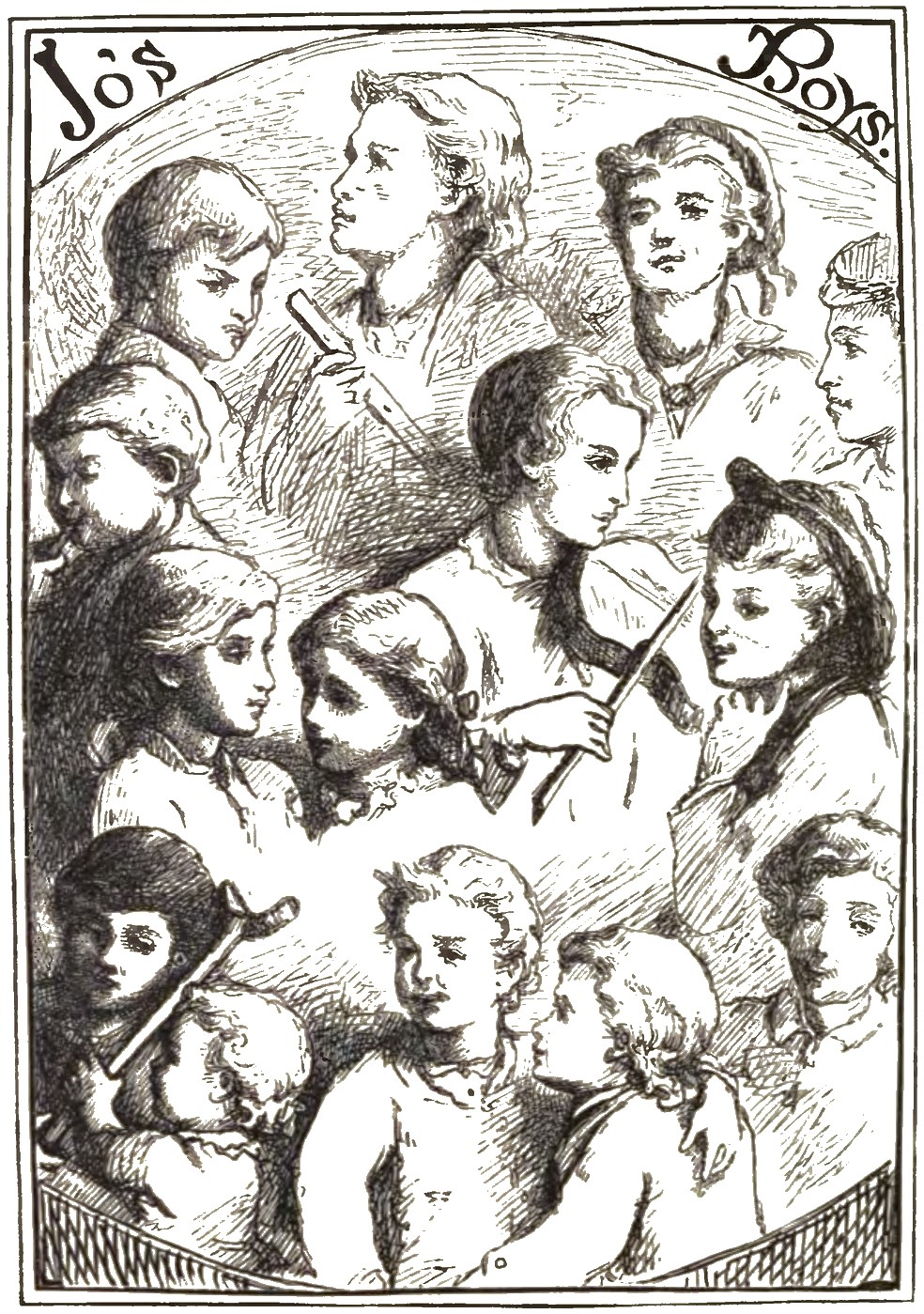
However, the sensitive, intellectual, and much older German professor Jo marries is a very definite type. Alcott was infatuated by older, literary friends early in her life. It’s possible that this was a personality she couldn’t find in real life.
Beyond ‘Little Women’
“Little Women” and the subsequent March family series is just the tip of the literary iceberg that L.M. Alcott created. She wrote over a dozen other novels (sometimes under a pseudonym), about as many novellas, several short story collections, and 12 poems. Her second best-known work is probably her 1869 novel, “An Old-Fashioned Girl.”
Alcott continues to inspire countless individuals to better themselves. Many famous writers, especially women, have credited Alcott’s writing, and “Little Women” in particular, with inspiring their careers. The novel has spawned dozens of adaptations on stage and screen from the time of its writing until today, as well as countless fanfiction spinoffs.
Alcott’s writings and her own life exemplify many virtues—selflessness, generosity, humility, and service to one’s country. Inspired by her parents’ marriage of equality, Louisa was unable to find a suitable soulmate for herself. Instead, she dedicated herself to writing, advancing the causes about which she was passionate. She also acted as a surrogate parent for her nieces and nephews.
Anyone can benefit from Alcott’s simple advice on life from her 1876 novel, “Rose in Bloom“: “Keep good company, read good books, love good things and cultivate soul and body as faithfully as you can.”
What arts and culture topics would you like us to cover? Please email ideas or feedback to features@epochtimes.nyc