



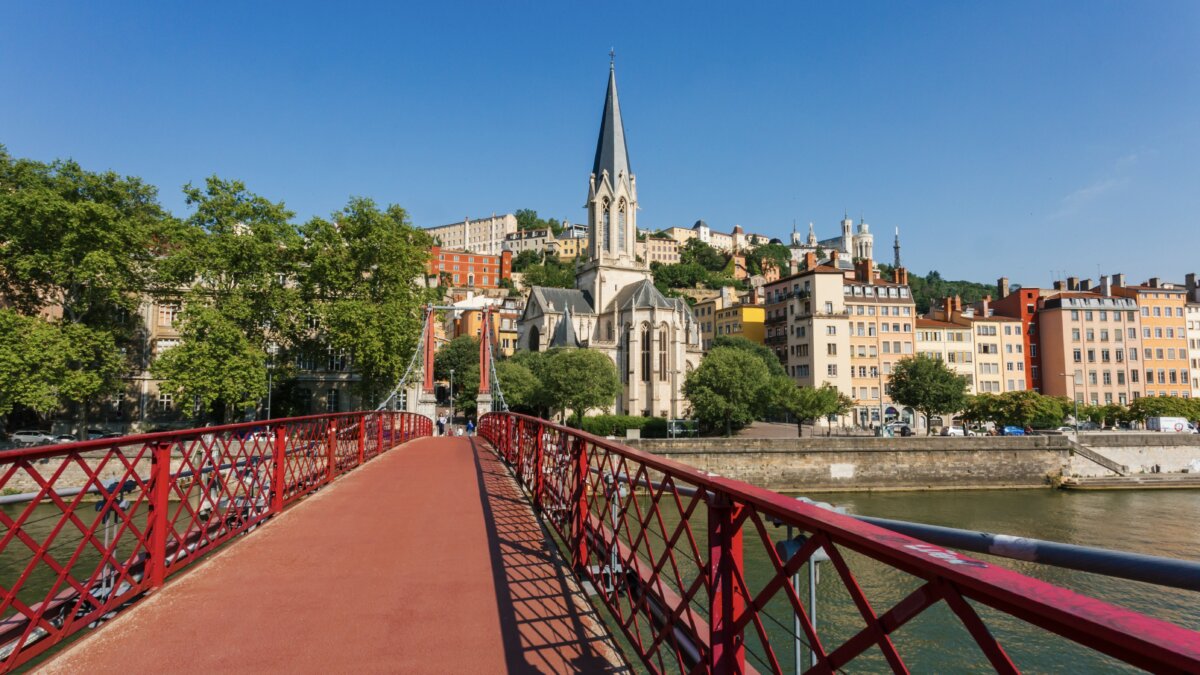
Just two hours from Paris by train is Lyon, one of France’s culture hubs and a foodie mecca. Straddling the mighty Rhône and Saône rivers between Burgundy, Provence, and the Alps, this city is relaxed, welcoming, and—despite having romantic cobbled alleys, pastel Renaissance mansions, Paris-like shopping streets, evocative museums, and renowned cuisine—surprisingly untouristy.
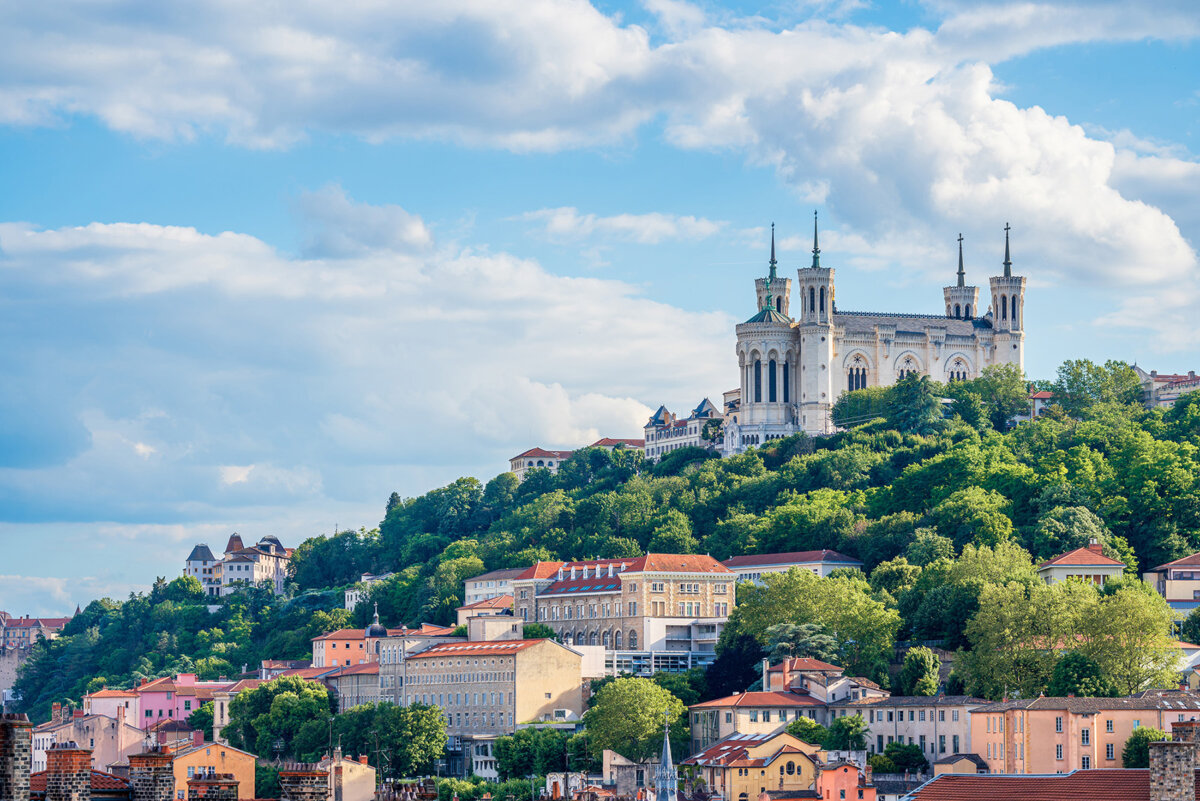
Lyon’s sights are concentrated in three areas: historic Vieux Lyon (the old town, on the bank of the Saône River); the Presqu’île (the peninsula between its two rivers), and Fourvière Hill, with its white Notre-Dame Basilica glimmering above the city.
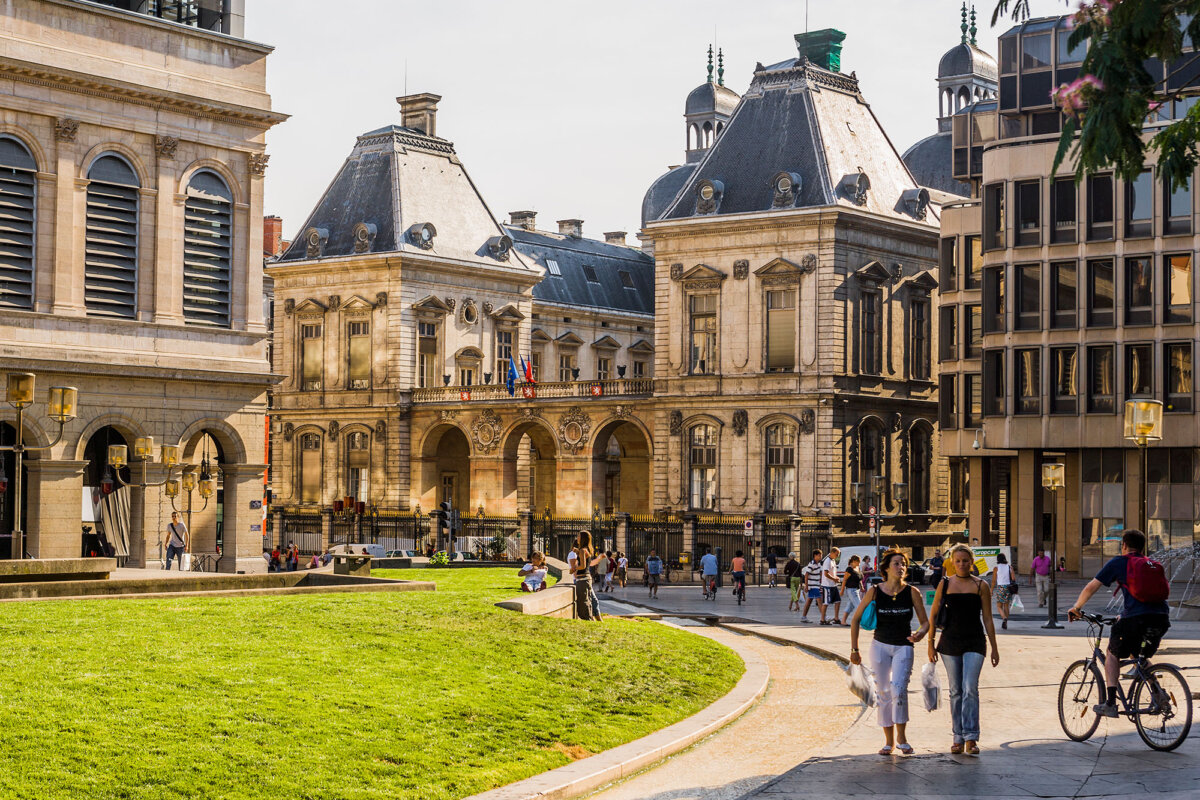
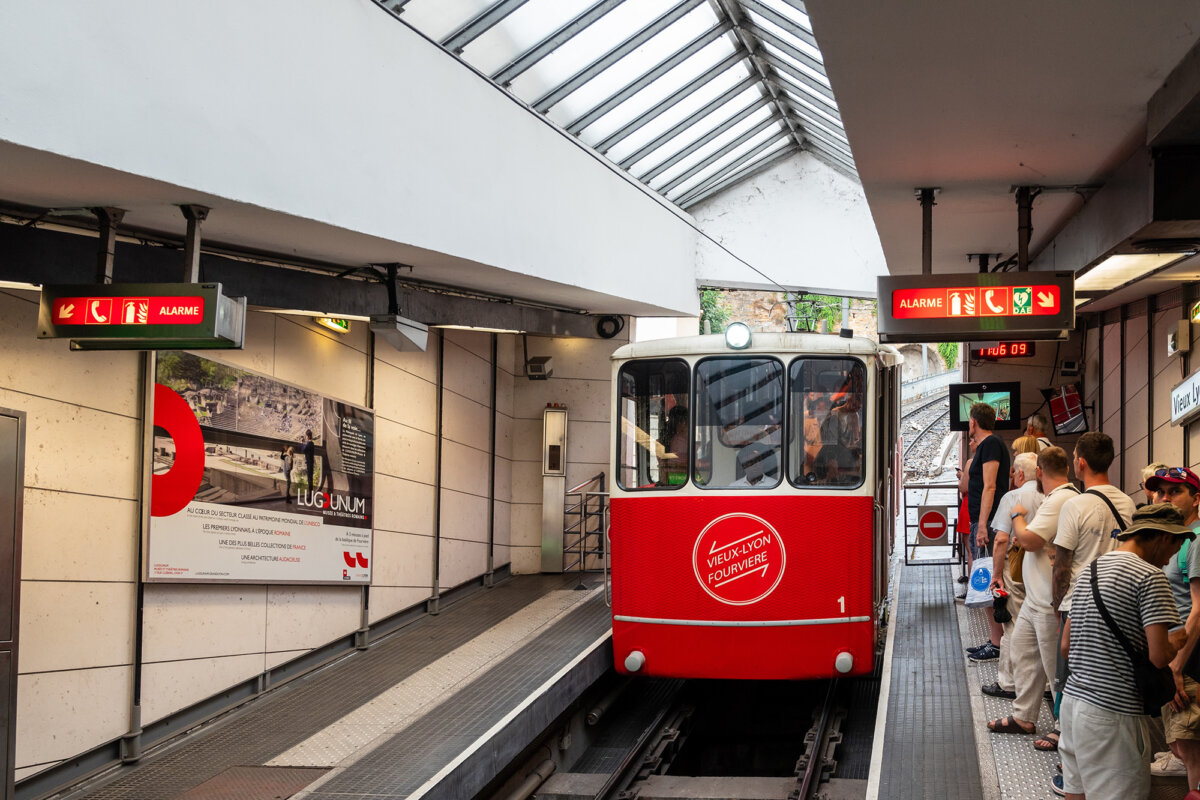
I like to start my Lyon sightseeing day with a funicular ride up Fourvière Hill—where the city was founded as “Lugdunum” by the Romans in 43 BC. From the Fourvière terrace, I enjoy a commanding view of Lyon’s old town, with its Renaissance roofs sporting uniform chimneys, and the Presqu’île’s elegant 19th-century architecture.
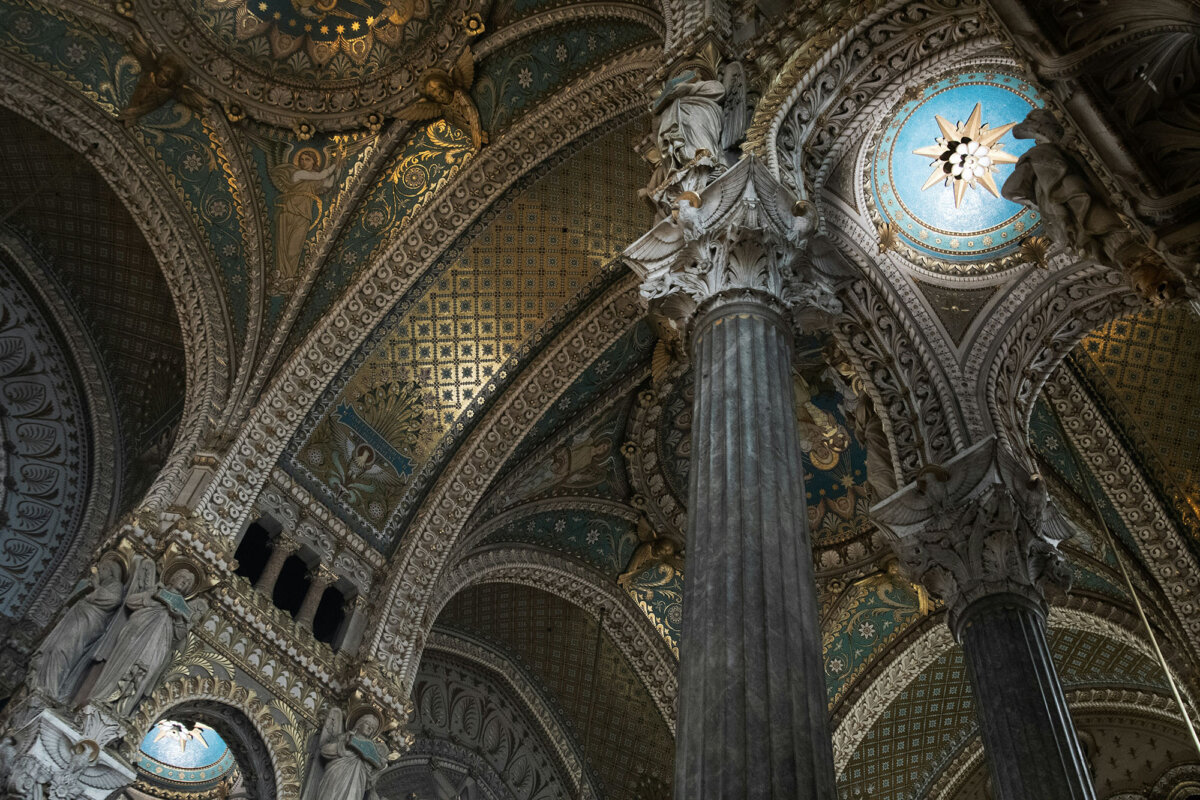
The hill’s landmark is the gleaming Notre-Dame Basilica, built in the late 1800s. Inside this ornate neo-Gothic building, everything is covered with elaborate mosaics that tell stories of the Virgin Mary. Next to the basilica, a chapel that predates the church by 500 years is capped by a glorious gold statue of Mary overlooking the city.
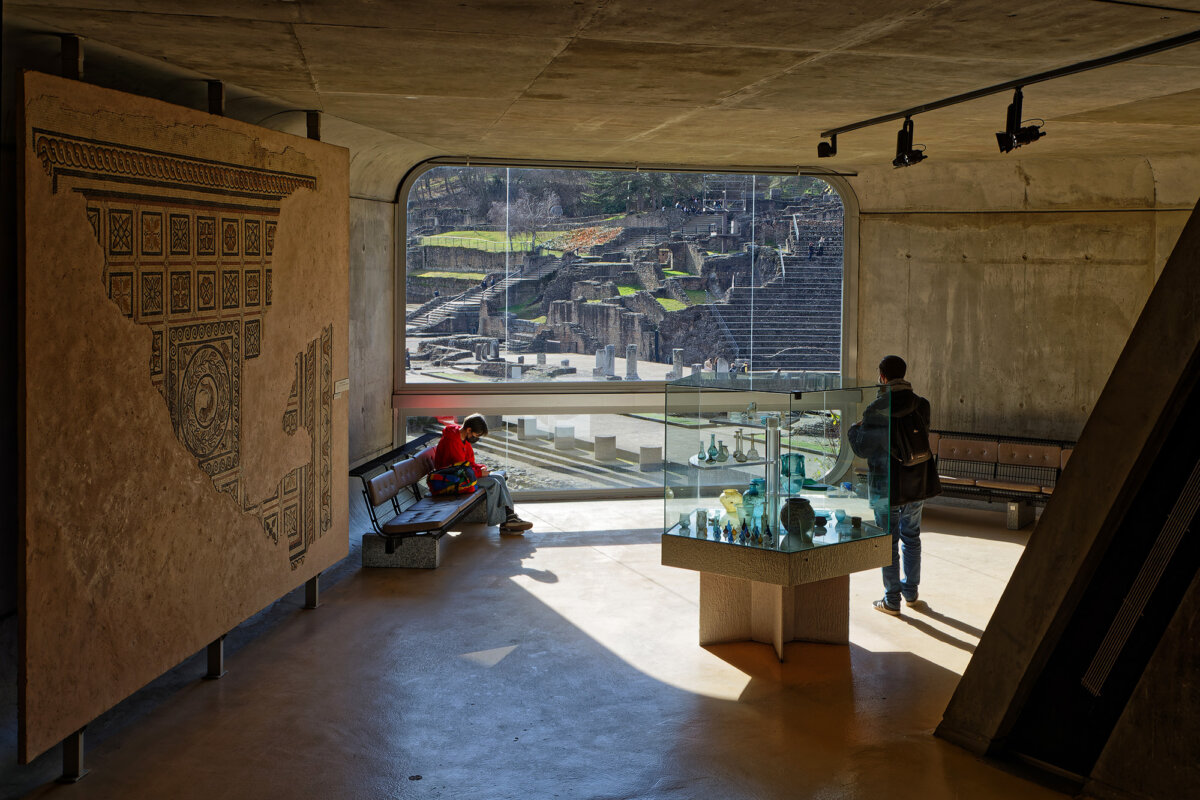
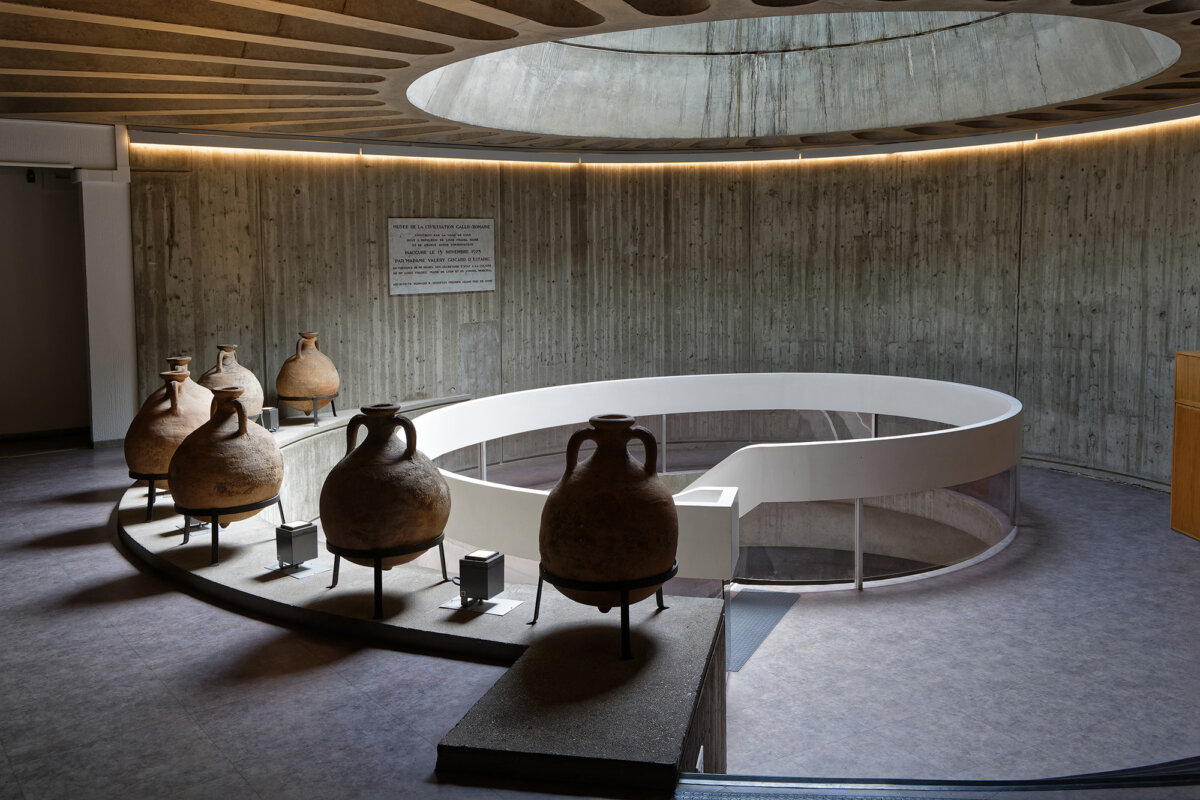
A short walk from the basilica is the fine Lugdunum Gallo-Roman Museum, built on the hillside, with views of two Roman theaters. You’ll hear the term “Gallo-Roman” a lot in Lyon: As they established their vast empire, the Romans conquered the Gauls (the dominant proto-French tribe) and incorporated them into their culture. For several centuries, this substantial part of the Roman empire was a Gaulish, or Gallo-Roman, civilization. In the museum you’ll see Roman artifacts including coins, tools, amphora (jugs), and a tablet inscribed with a speech given by Emperor Claudius in AD 48. Outside the museum are two theaters: A big one that was built under the reign of Emperor Augustus (and is still used today for concerts), and a smaller one with acoustics ideal for speeches and songs.
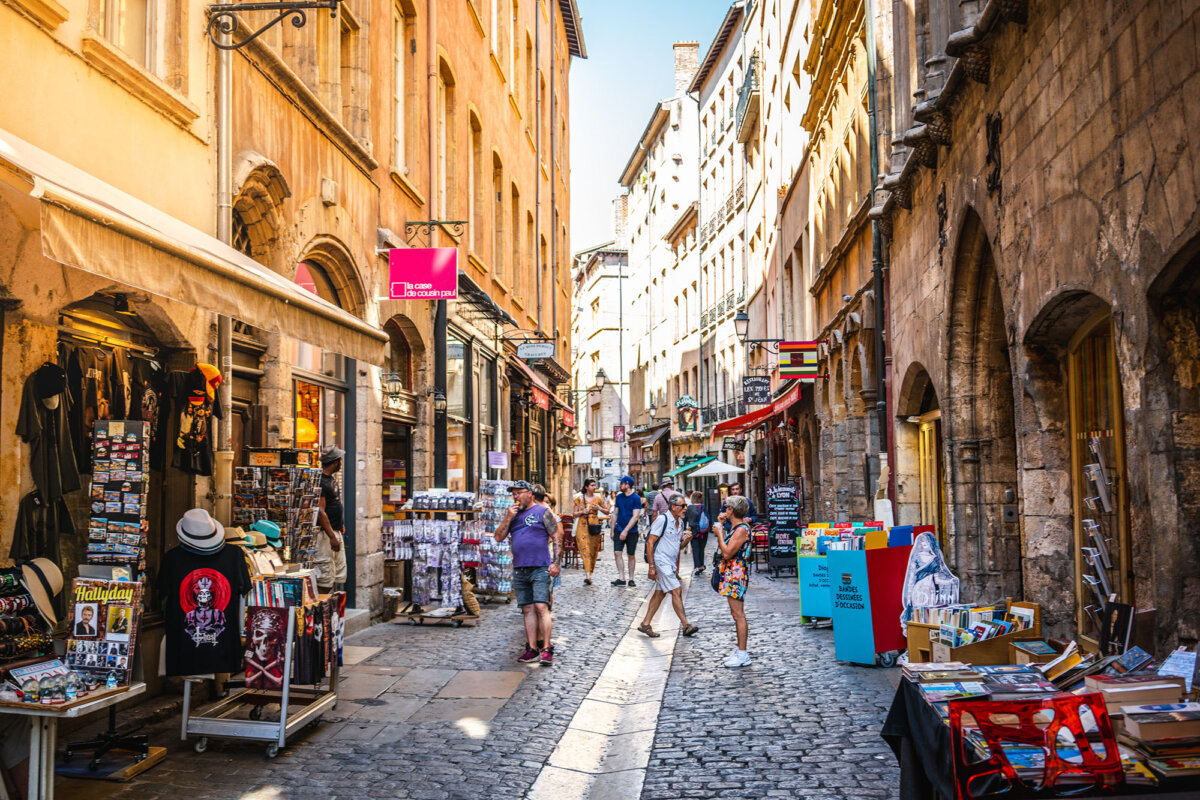
Back down the hill, Vieux Lyon offers the best concentration of well-preserved Renaissance buildings in France—vestiges of Lyon’s Golden Age when it was the center of Europe’s silk industry. Pedestrian-friendly lanes—punctuated with picturesque squares and courtyards—are made for ambling, window-shopping, and café lingering. You’ll still find local silk here: On Rue du Boeuf, silk purveyor Brochier Soieries displays a silkworm exhibit and a binary “computerized” weaving lo*om, reminiscent of the early Industrial Revolution.
The many traboules (covered passageways) in Vieux Lyon once protected unfinished silk goods from the elements—but also worked as shortcuts, connecting the old town’s three main north-south streets. Today, traboules provide a hide-and-seek opportunity to discover pastel courtyards, lovely loggias, and delicate arches.
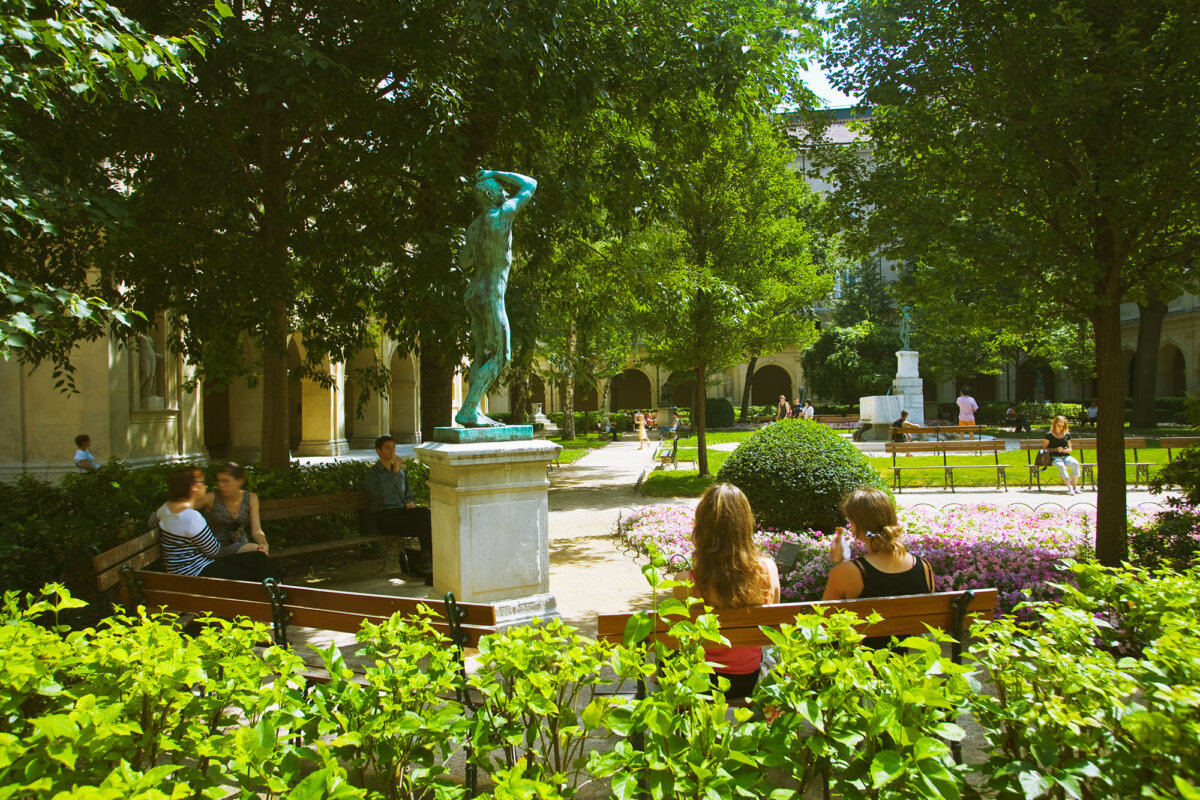
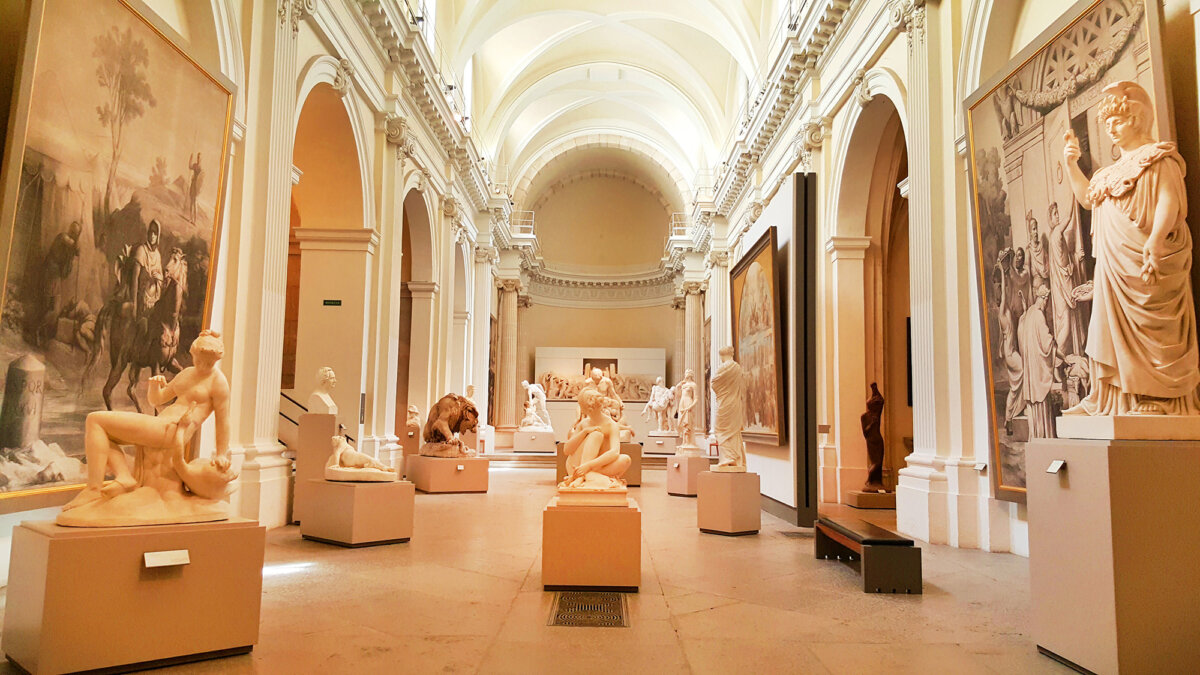
After exploring Vieux Lyon, I enjoy poking around the city’s fun assortment of museums. In a Renaissance mansion named for a wealthy merchant family, the Gadagne Museums offer two very different exhibits: one on serious city history, and another on puppetry. The Museum of Fine Arts, in a former abbey on the Presqu’île, has an impressive collection, ranging from Egyptian antiquities to Impressionist paintings, and its inner courtyard is a pleasant place to take a peaceful break from city streets. Also on the Presqu’île are the Museums of Textiles and Decorative Arts, filling two buildings that share a courtyard.
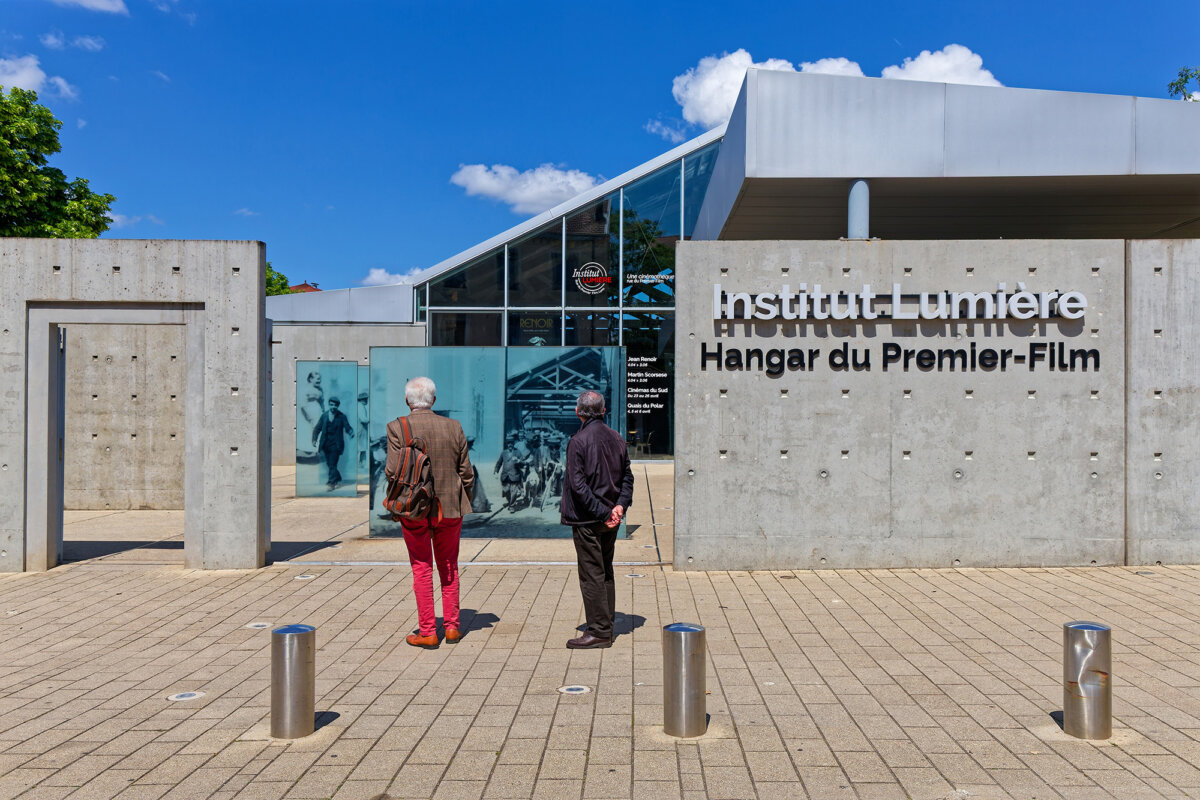
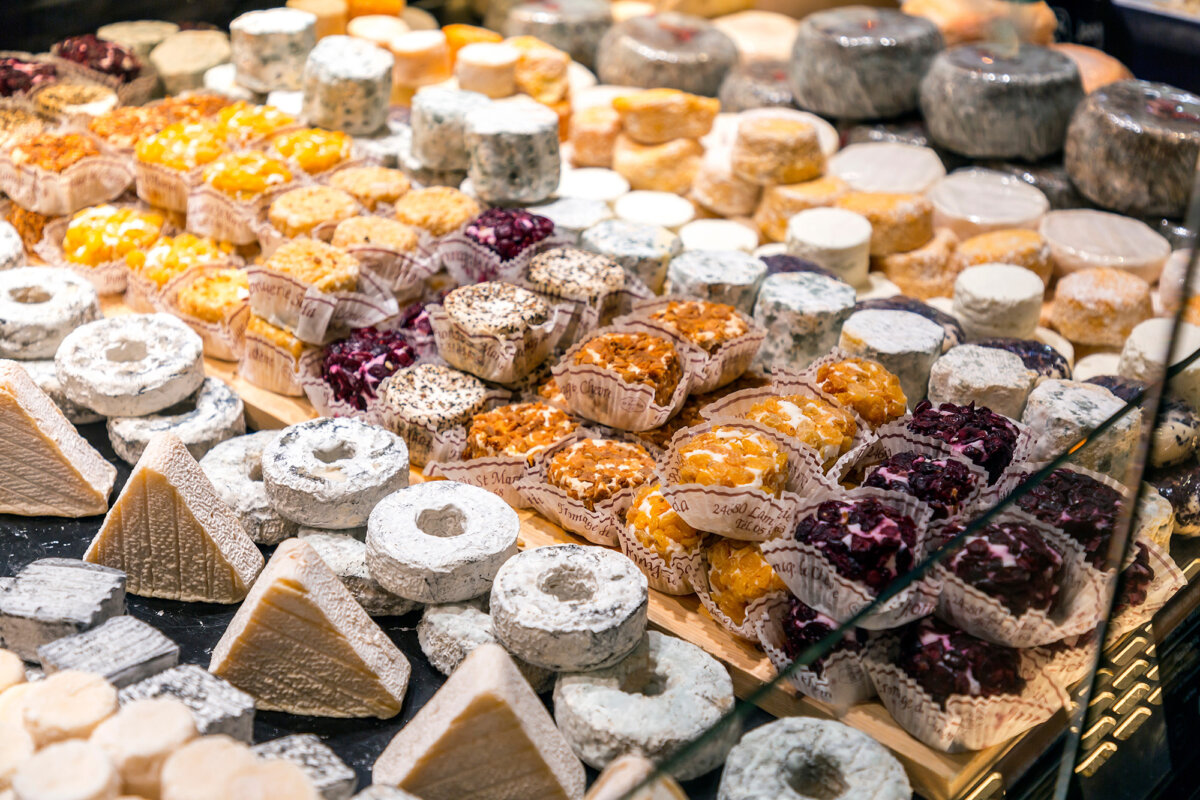
On the east bank of the Rhône, the Resistance and Deportation History Center explains the clever strategies Lyon’s Resistance members used to fight the Nazis during World War II—and the Lumière Museum is dedicated to the Lumière brothers’ pivotal contribution to film. Nearby, Les Halles market is a food festival—crammed with butchers, fishmongers, pastry specialists, cheese shops, and colorful produce stands, with mini restaurants mixed in.
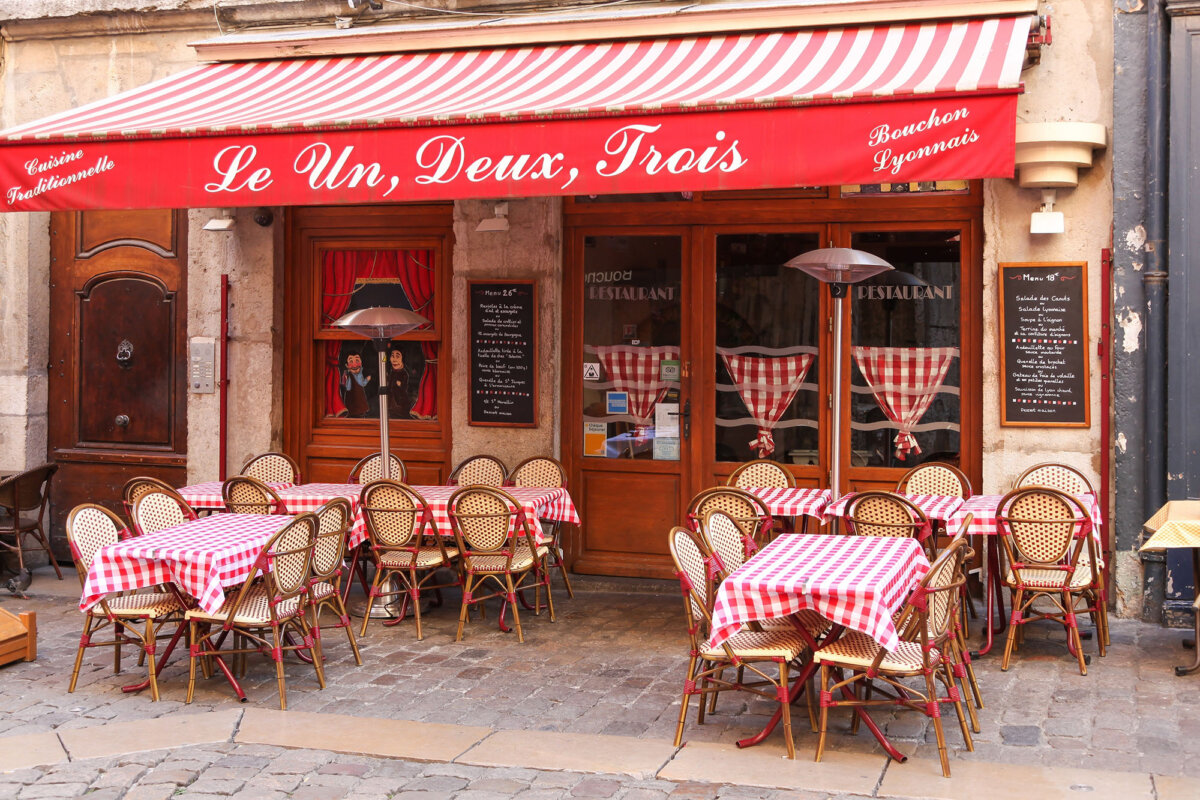
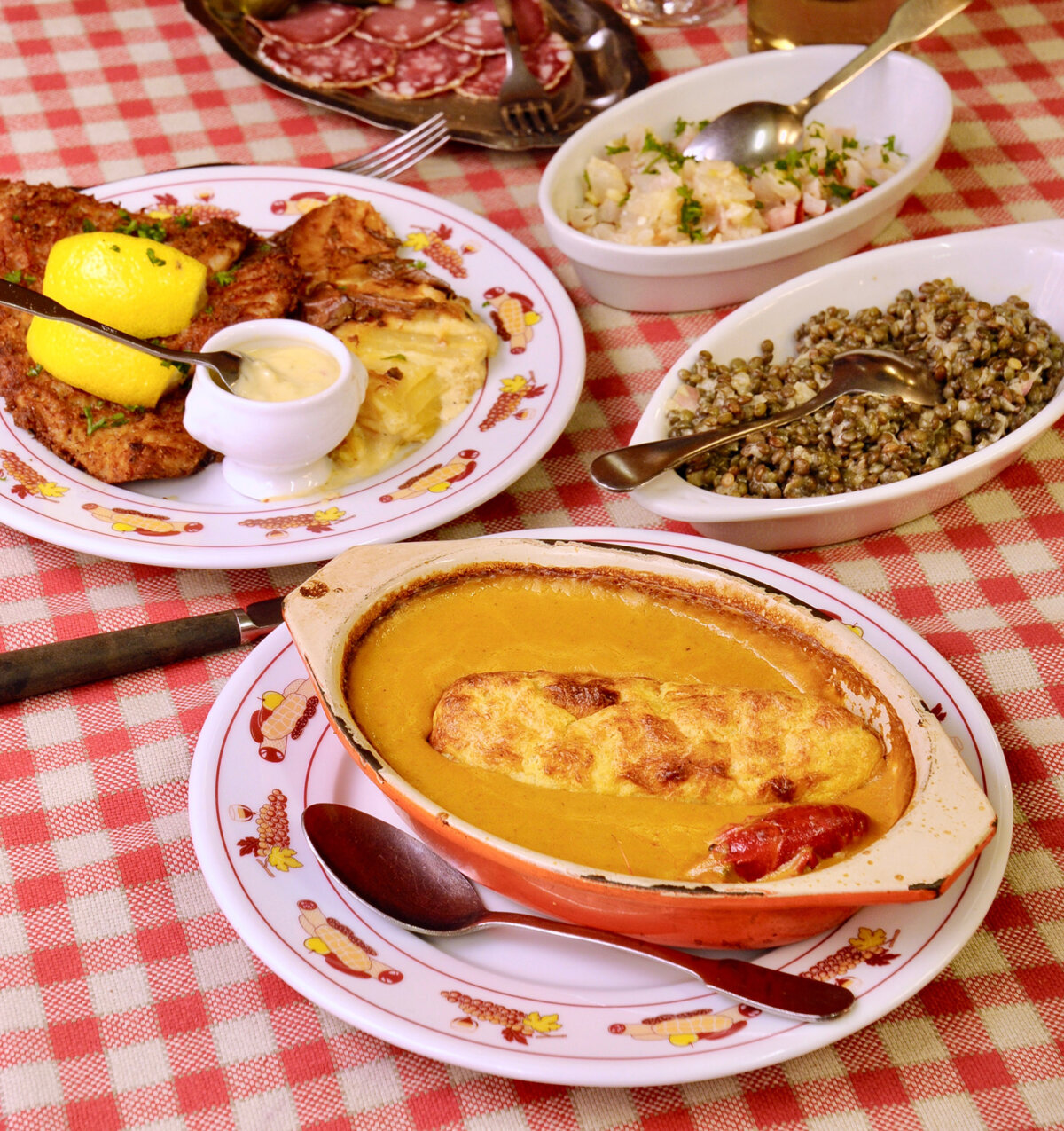
Dining is one of the premier attractions in Lyon and, compared to Paris, the prices are great. Here, top chefs are more famous than professional soccer players. Lyon’s characteristic bouchons are small bistros that evolved from the time when Mama would feed the silk workers after a long day. The lively pedestrian streets of Vieux Lyon and Rue Mercière on the Presqu’île are bouchon bazaars, worth strolling even if you dine elsewhere. Though food quality may be better away from these popular restaurant rows, you can’t beat the atmosphere.
After dinner, I like to go for a stroll to savor the city’s famous illuminations. While Paris may call itself the “City of Light,” Lyon is a leader in urban lighting design and hosts conventions on the topic. Each night, more than 200 buildings, sites, and public spaces are gloriously floodlit.
When I travel outside of Paris, I’m struck by all the wonders there are to enjoy in France. Lyon provides an elegant French urban scene—all with no hint of crass tourism.
Dear Readers: We would love to hear from you. What topics would you like to read about? Please send your feedback and tips to features@epochtimes.nyc.
