It is remarkable that art, the surest way of communicating our deepest thoughts and feelings, is born out of solitude.
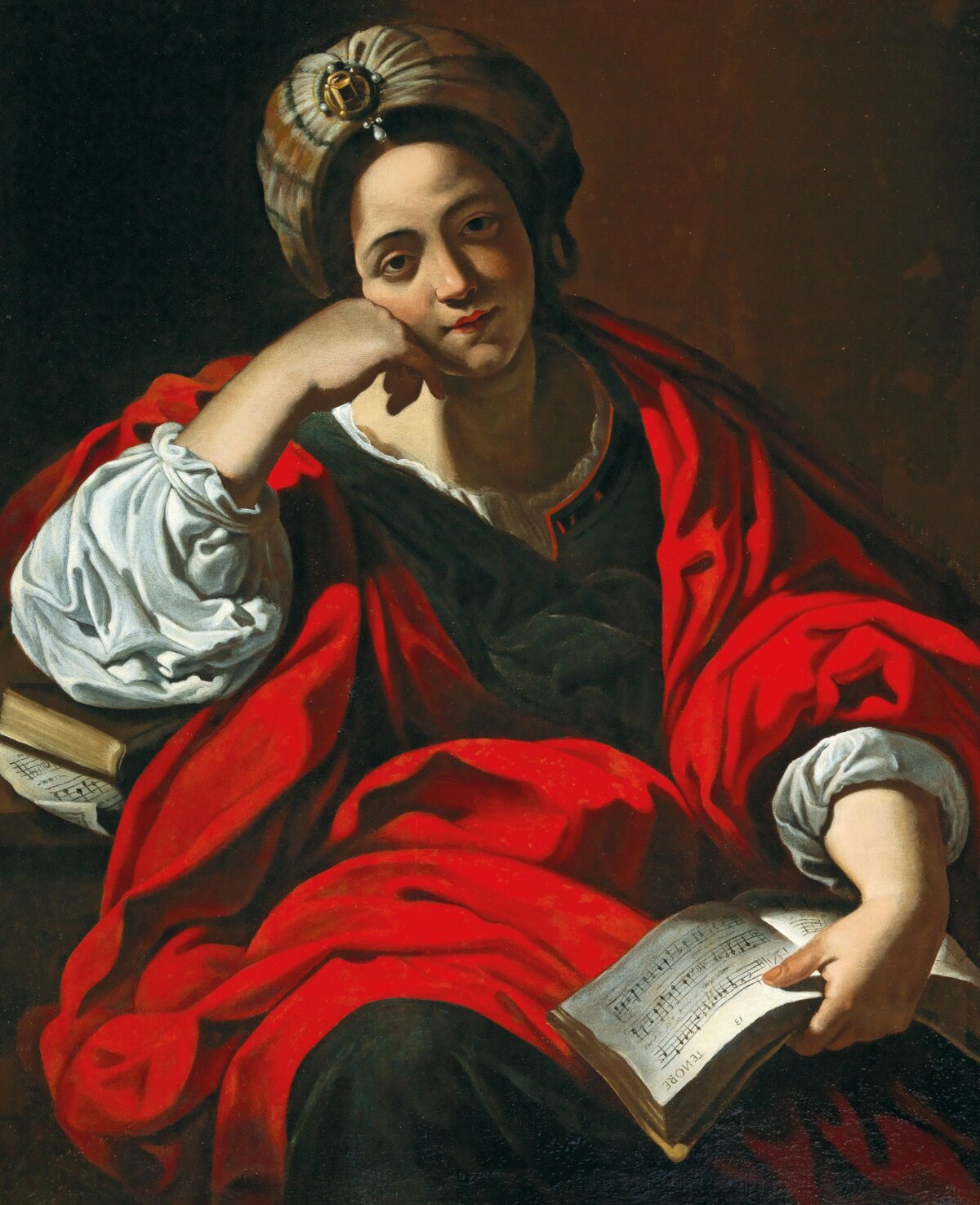
The great writers of music and word speak of this. Mozart told a friend that music came to him when he was entirely alone and added, “Where it comes from I do not know.” The Russian poet Anna Akhmatova wrote about sitting alone in her room, awaiting the arrival of her Muse: “My dear guest, with her little flute in hand. She comes, wrapped in her shawl, looking at me intently.”
Although it is in solitude that music and words are conceived, once born, they have lives of their own; they move around the world entering people’s hearts and sometimes working miracles.
From 1 Mind to Others’ Hearts
One miracle is an uplifting of the spirit, an expansion of the mind. Another, even more astonishing, is the merger of isolated souls into one.
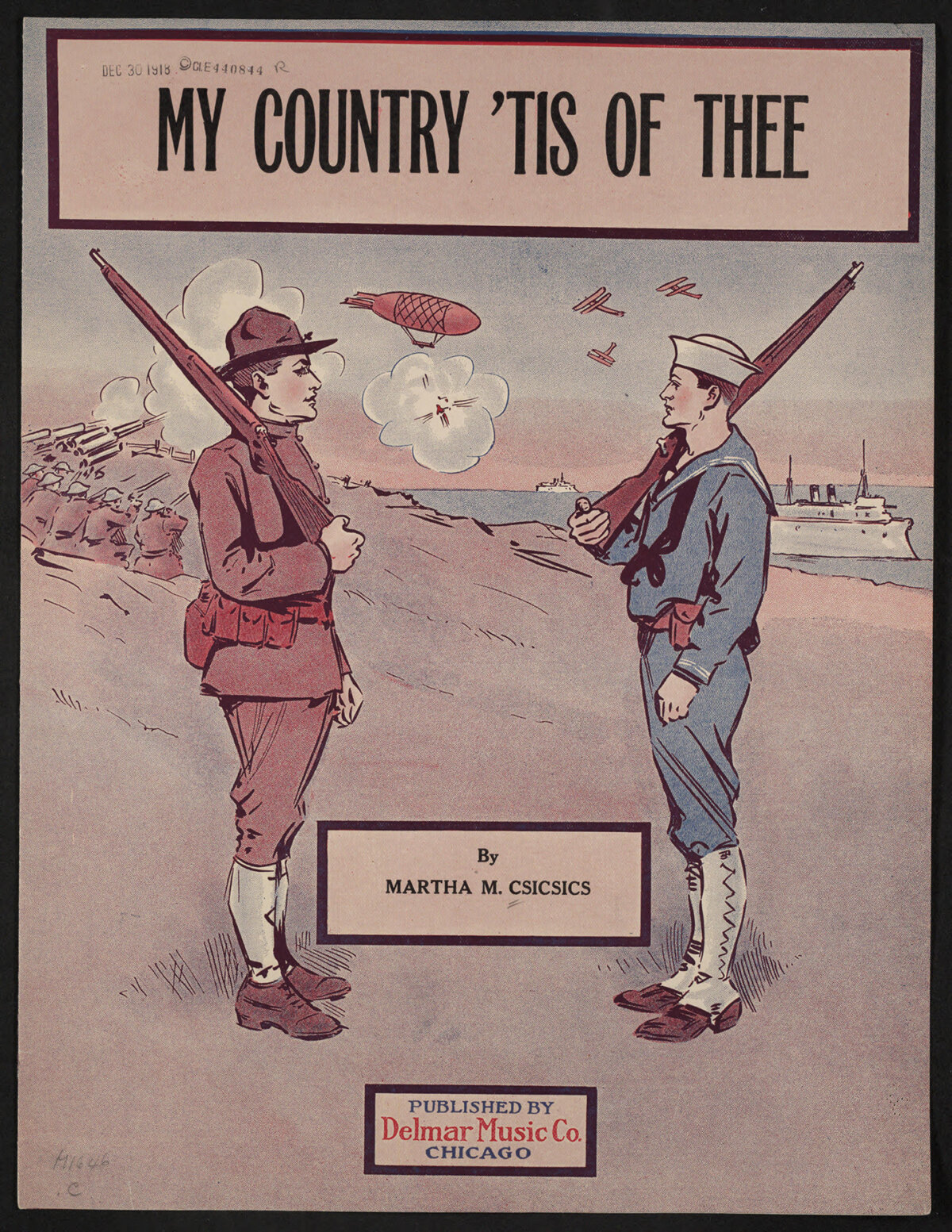
A great thought, voiced simultaneously by a multitude of people, is a wonder and a marvel, something most of us have experienced at one time or another. As a child, I remember being thrilled while standing in church on a national holiday and being part of the people’s singing “My Country ‘Tis of Thee.” “Long may our land be bright/ With freedom’s holy light,” we sang.
The great force of music, especially when it is made together by ordinary people, transforms us, makes us aware of how alike we are to our brothers and sisters in this vast and various human family. It is a beautiful thing, a hopeful thing, that children still sing it today.
The Welsh with their rich choral tradition, have given us one of the most beautiful national hymns. “Mae Hen Wlad Fy Nhadau” (“Land of My Fathers”) is traditionally sung at the beginning of sports events and on national holidays: “This land of my fathers is dear to me,” the people sing. “Land of poets and singers, and people of stature/ Her brave warriors, fine patriots/ Shed their blood for freedom.” Whether in a church or in a stadium, the Welsh citizen sings his hymn in rich four-part harmony, unlike the usual unison common to most other countries.
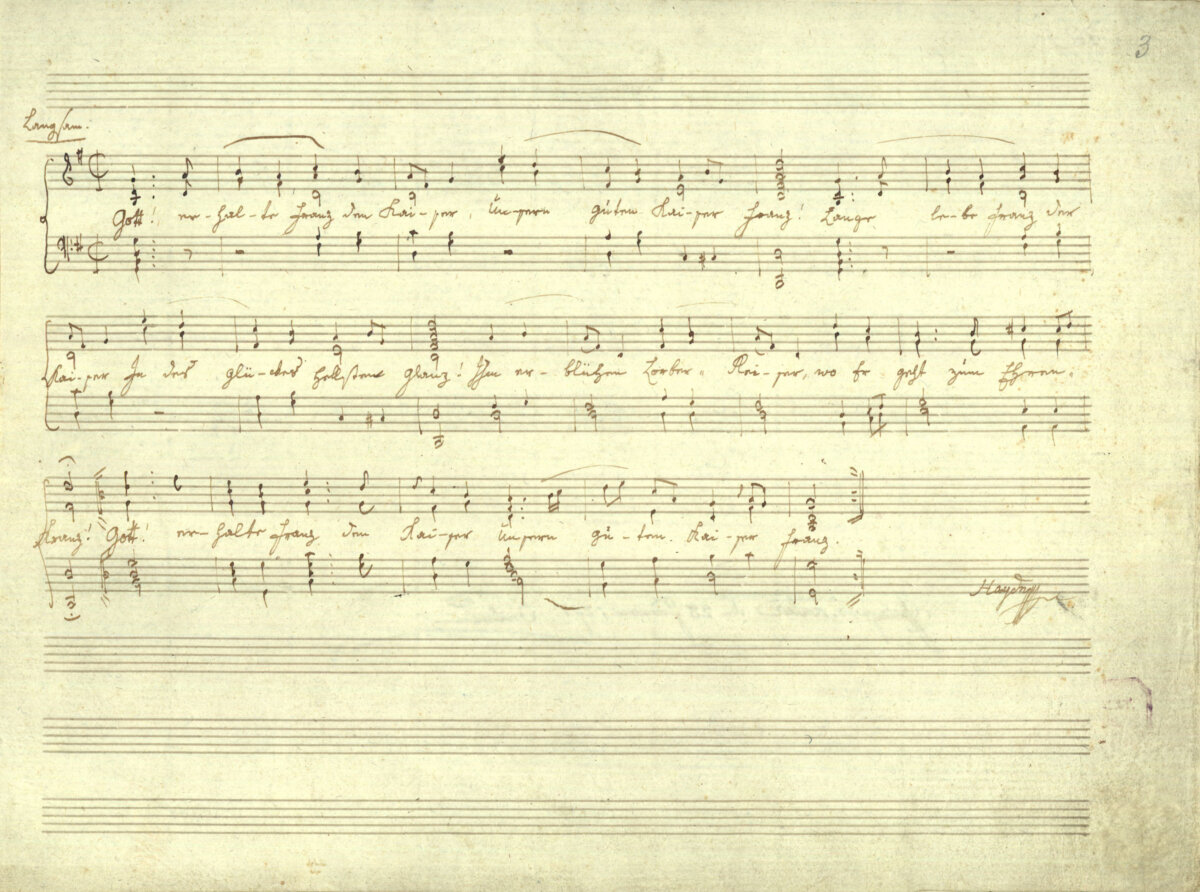
Germans sing their national anthem to the music of Haydn’s old 1797 “Kaiserhymne,” using the words of August von Fallersleben’s “The Song of the Germans” (1841). They celebrate “unity and justice and freedom,” ideals that were on all hearts at that time, as Germany was being transformed from a collection of individual feudal kingdoms into a unified nation.
A Hymn to God Unites the World
The final chorale of Bach’s Christmas Cantata, (“Wachet Auf”) BWV, begins with the words “Tongues of men and angels sing Thy glory!” This simple work, with its rich harmonies and upward sweep of the melodic line, takes its place among the zenith moments in our great musical legacy.
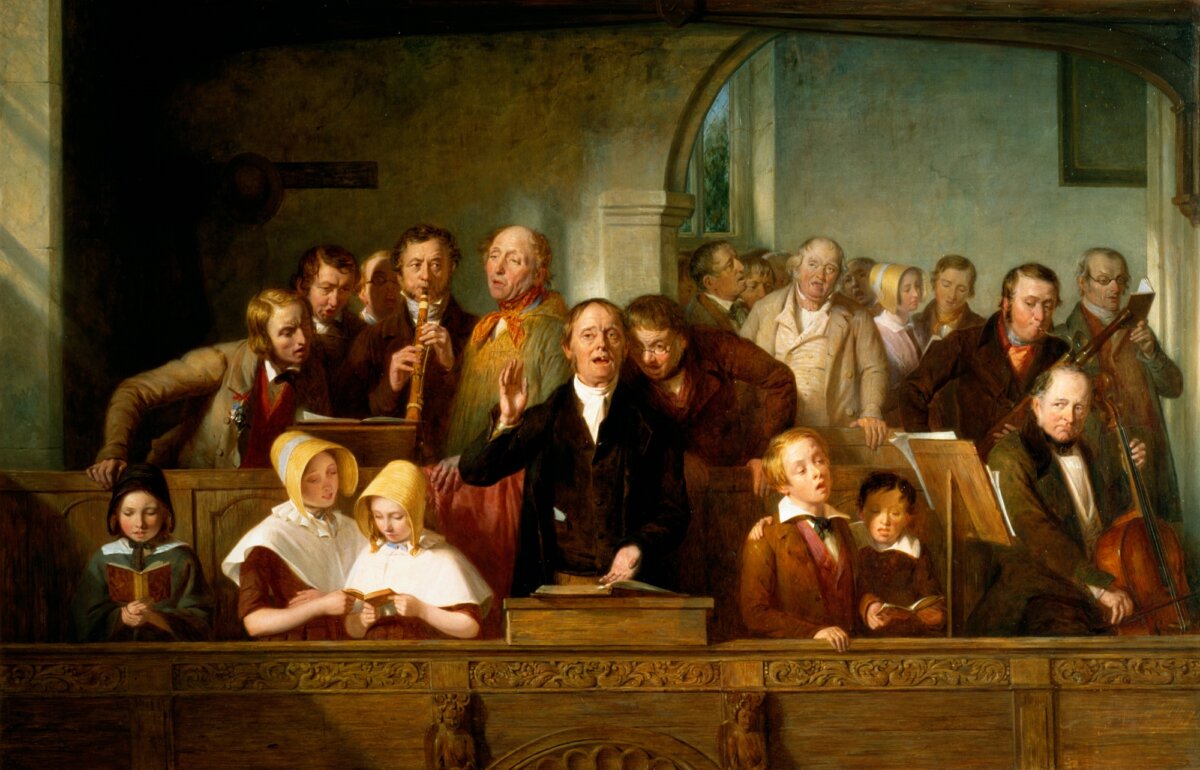
Martin Luther, who established the school policy of his reformed church, understood the power of singing together. He insisted that every pupil learn to read music and sing in harmony. The voices of the young, raised to celebrate what is beautiful and what is good, were both cornerstone and keystone upon which their education was built. According to Thomas Mann’s “Goethe and Tolstoy,” the day always began with song.
We have an echo of this still, in the Mennonite communities. Their members sing without instrumental accompaniment, in full harmony, having been taught to do so in their earliest school years. At a communal noon meal, a hymn is sung. Most moving of their hymns is the traditional “Where Shall I Go and What Shall I Do?”
The Negro spiritual, one of America’s great musical monuments, was born out of sorrow in the time of slavery. At first, these songs were not beautiful. Frederick Douglass, who spent his youth as a slave, recalls that his people “would make the dense old woods for miles around, reverberate with their wildsongs (sic), revealing at once the highest joy and the deepest sadness. They would compose and sing as they went along, consulting neither time nor tune.” When emancipation came, so did the chance to refine their gifts and shape them into works of great beauty. “In Bright Mansions Above” is one of the most beautiful.
At almost the same time of Lincoln’s Emancipation Proclamation, Russian slaves, the serfs, were given their (albeit provisional) freedom. When people, slave or free, rich or poor, sing together in large numbers, the sound is strikingly the same.
In my student days, I remember traveling through the Soviet Union, truly a country of slaves. In Elohovskaya Cathedral in Moscow, I heard the wondrous sound of believers singing together “Blessed are the poor in spirit.” The immense cathedral rang like a bell. Although the quality of this recording is poor, it is a priceless document; the beauty and vigor of the singing in the midst of such terrible oppression is astonishing.
One of the virtues of a liturgical service is that its truths cannot be distorted or altered. In those dark Soviet days, it didn’t matter that the priest was known to be in the KGB; he still had to stand before his congregation and say, “Blessed is the name of the Lord forever,” and the faithful responded, “Amen.”
The Ordinary Becomes Extraordinary

The sound of any nation, or class, or race of people raising their voices together in great numbers is strikingly the same. One ordinary, untrained voice might seem homely, even pitiful, but if a hundred or a thousand of those voices ring out, the sound is sublime: So many drops of water become a magnificent sea.
And to what end do people sing? It is no small matter. Anthropologists tell us that humans sang long before they spoke; that singing grew out of ritual and an irresistible urge to collectively express the heights and the depths of their emotions. It unifies people and becomes a great force. The ancient Greeks thought it so powerful that they made laws prohibiting certain classes and professions from singing or listening to certain kinds of music. They recognized its power to elevate as well as degrade.
Art takes an idea and transforms it into feeling. Music makes us feel what we had previously only thought. We might think that men are brothers, but when we and our neighbors sing “Long may our land be bright with freedom’s holy light,” we feel this truth and are filled with its spirit.
History is witness to the fact that brotherly love, doing unto others what we would have them do unto us, cannot be legislated. It cannot be forced by governments, police, or armies. Plato remarked, “Love of wisdom and music takes its abode in man, and is the only savior of his virtue.”
Slowly, in its own time, music and the other arts, are the beginning of an answer to our prayer, “Thy kingdom come.”
What arts and culture topics would you like us to cover? Please email ideas or feedback to features@epochtimes.nyc.