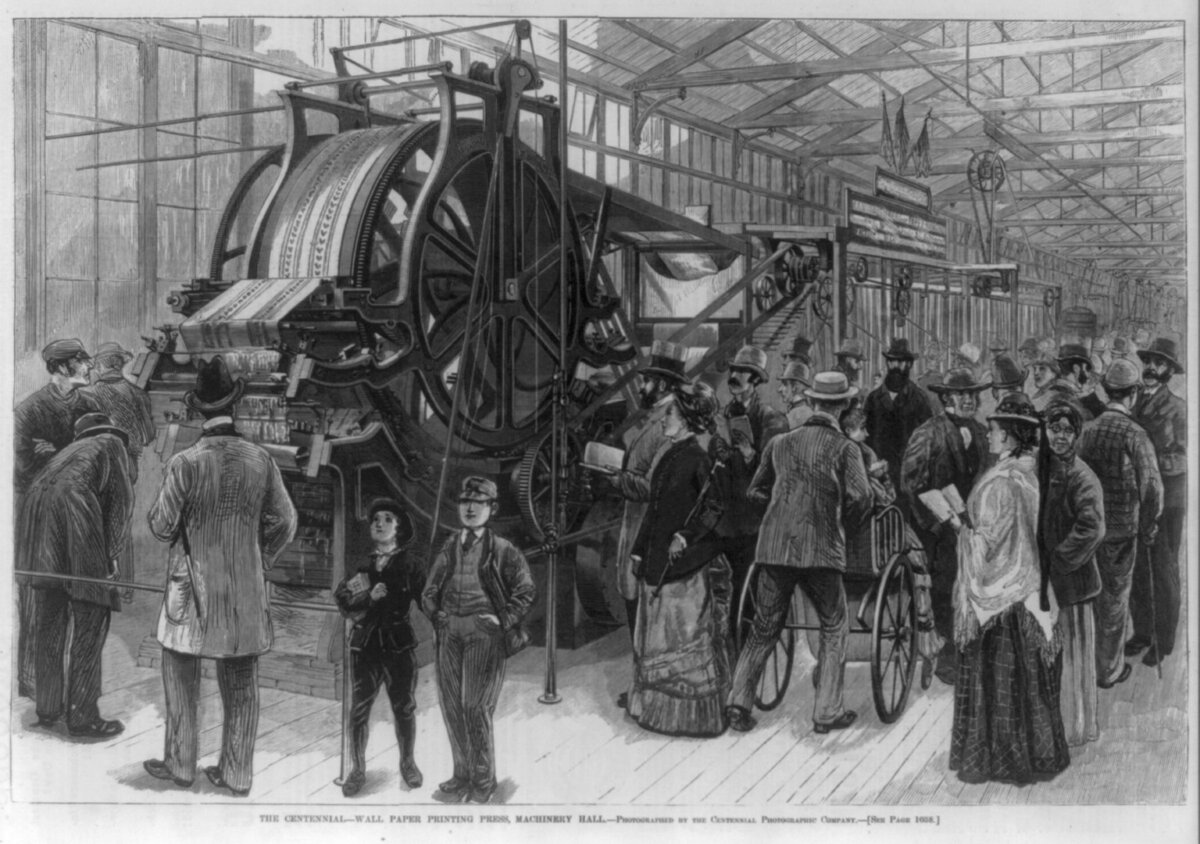
Maria Beasley (1836–1913) proved her passion for innovation when she was very young. A newspaper featured her when she was 13 building a small raft that could float her and her dog across a river. She would grow up to become a successful inventor.
Between 1878 and 1898, Beasley received 15 patents for her creations. She initially developed her inventions to make money. Later in her career, she focused on devices that saved lives.
Discovering Ways to Help
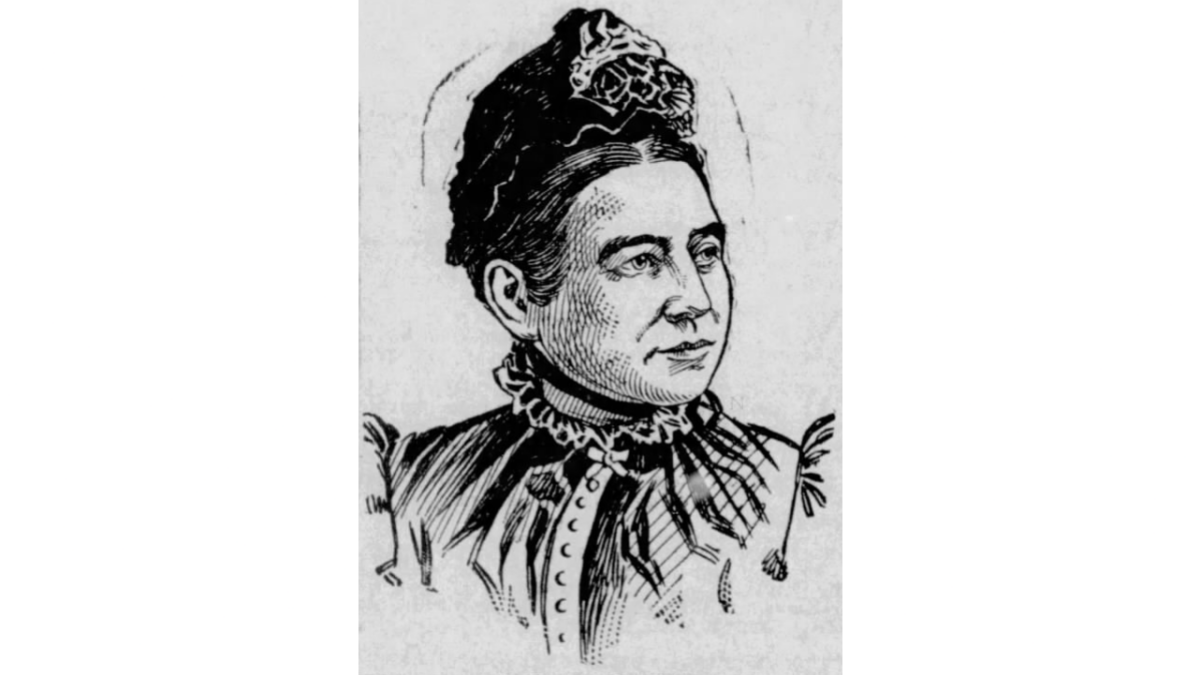
Beasley was born in North Carolina in 1836 to a wealthy family. At a young age, she became interested in mechanics as she helped her father build water mills and visited her grandfather’s distillery in Kentucky. There, she watched the coopers make barrels by hand and dreamed of developing a better method.
In the 1870s, Beasley, her husband, and two sons relocated to Philadelphia, where she started coming up with inventions. In 1878, she received her first patent for a foot-warming device. Then, in 1879, she got another patent for her roasting pan design.
In 1880, Beasley put her ingenuity to work to develop a barrel-making machine. In 1884, she started a company and patented her new barrel-hooping machine that changed the industry, increasing production capacity up to 1,700 barrels per day. She eventually sold the manufacturing company for $1.4 million in 1891 which is equivalent to nearly $50 million today.
A Collapsible Raft
Successful with her first few inventions, Beasley then focused on devices that could save lives. In the early 1880s, ships were the primary means of transportation, whether for immigrants coming to the United States or citizens visiting other countries. However, in emergency situations when ships were in peril, they could only carry large life boats or smaller rafts that were made of flimsy wood or bamboo.
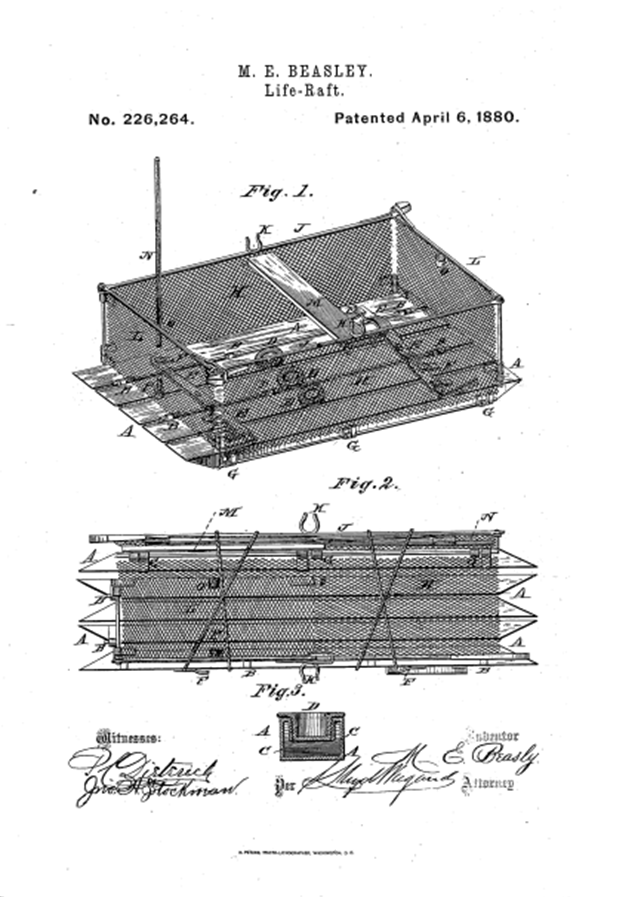
Beasley knew she could create something much safer and more efficient in the event of a disaster at sea. She created a life raft made of metal in a collapsible design. The raft came equipped with guardrails to keep passengers inside and airtight containers to protect perishable foods. The rafts were collapsible and easy to fold up and store inside the ship.
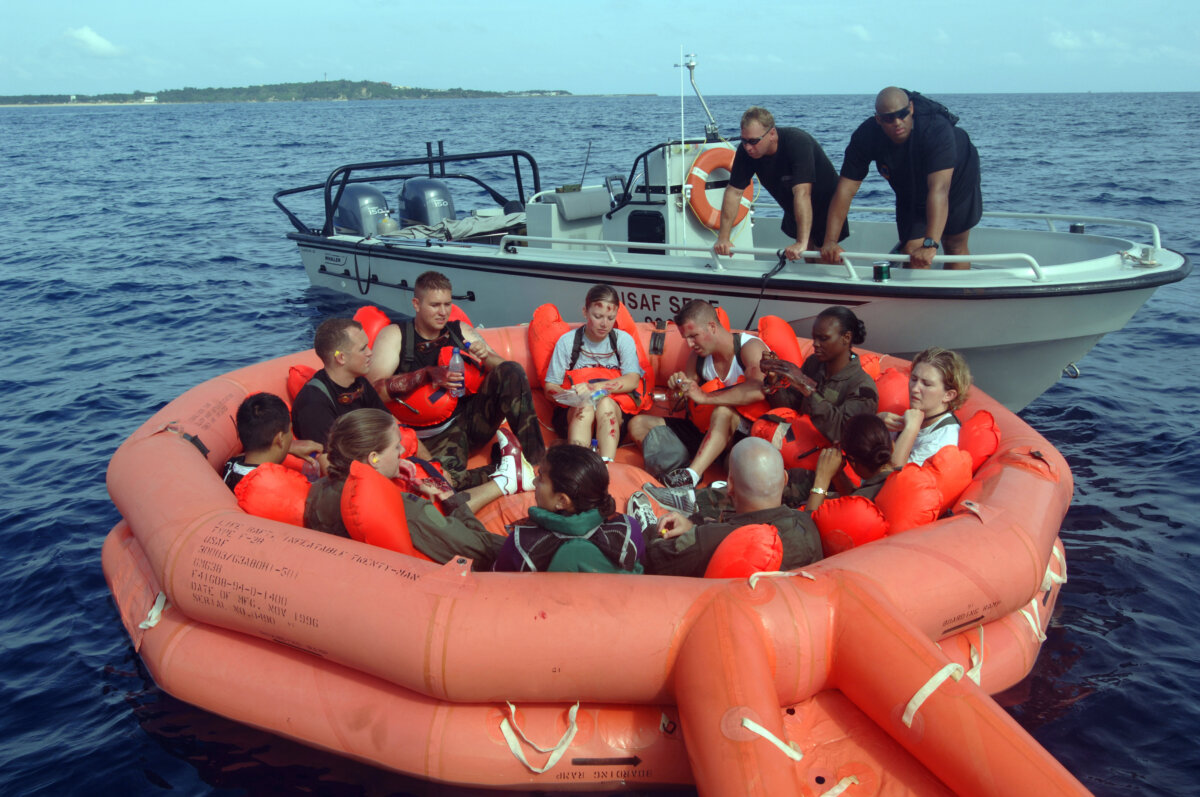
She received her first patent for a life raft in 1880. Then, in 1882, she received another patent after she upgraded her original design. The updated life raft was restructured so that it was reversible and could be used on both sides in case it tipped over. Her rafts were put into wide use. The basic design is still utilized in rafts today, but with materials like nylon and plastic instead of metal.
By 1891, Beasley had moved to Chicago and started working on ways to improve transportation. She had an idea that instead of refrigerating food and produce and shipping it via train, she could use electricity to speed up the trains to around 100 miles per hour and eliminate the need for refrigeration. She even set up railroad lines on her property to test her invention.
Beasley envisioned trains moving much faster in the future. She wanted to devise a way to prevent derailments. In 1898, Beasley was awarded another patent for her “Means for preventing derailment of railroad-cars.” The system consisted of a flange (or an attachment) on the inner rail track, which caught the detent attached to the undercarriage of the train. This kept the train locked in place. If the wheels slipped off the track, the train would stay in place.
Beasley other inventions included a steam generator, a bread-kneading process, and a device that pasted together the upper part of shoes. By 1912, her patents with barrel making made her $20,000 per year (nearly $700,000 today) in royalties. Beasley passed away in 1913.
What arts and culture topics would you like us to cover? Please email ideas or feedback to features@epochtimes.nyc