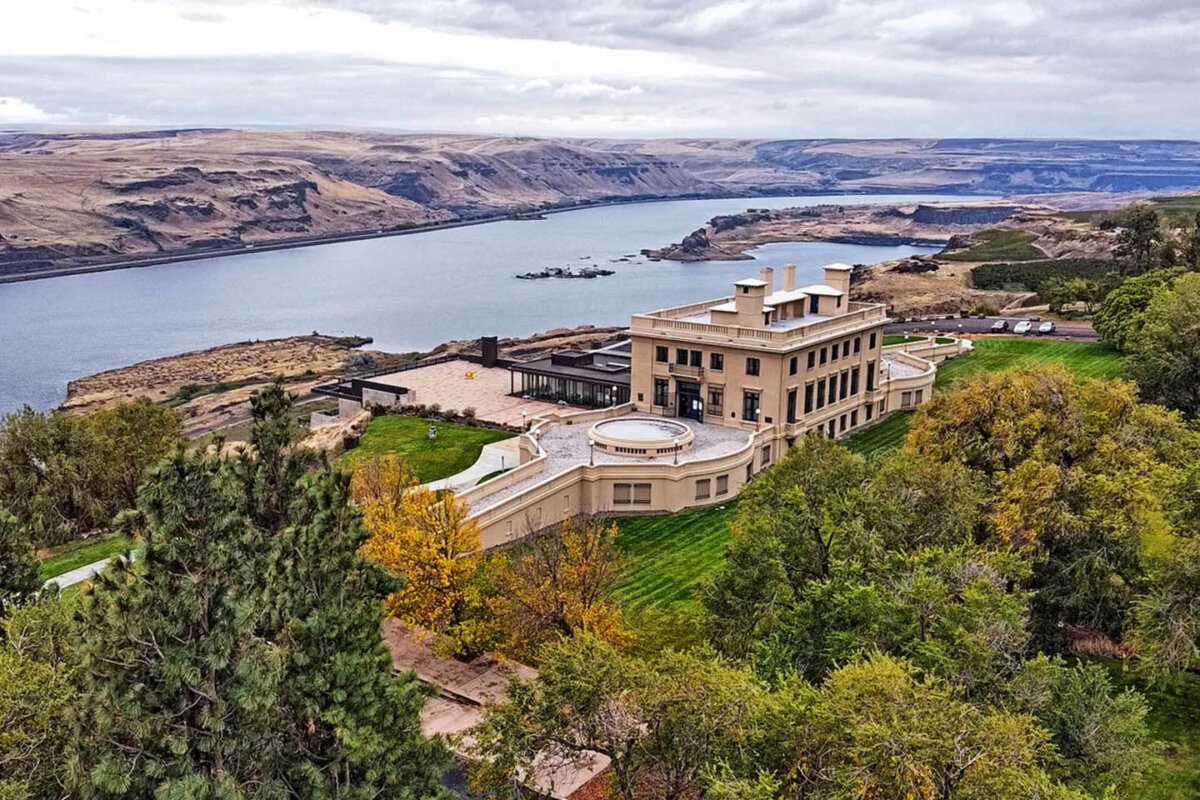
How does a remote bluff above the Columbia River become home to one of the most unexpected art museums in the American West? The answer begins with one man: Sam Hill, a lawyer-turned-entrepreneur with a restless passion for travel and a deep fondness for the arts.
Captivated by the undulating hills, dramatic cliffs, and rushing river of Washington state’s Columbia River Gorge, Hill purchased more than 5,000 acres of land along its banks in 1907. There, he set about creating a large agricultural settlement, which he called the Maryhill Land Company after his daughter Mary.
At its center, he commissioned a three-story beaux arts mansion from Hornblower & Marshall. It was a Washington D.C. firm responsible for some of the nation’s most distinguished public buildings, such as the National Museum of Natural History and the Duncan Phillips House. Built to endure, the structure was framed in steel and finished throughout in poured concrete—but the land itself proved far less cooperative. Irrigation problems and planning difficulties on such a vast scale were so intractable that work on the mansion halted entirely in 1917.
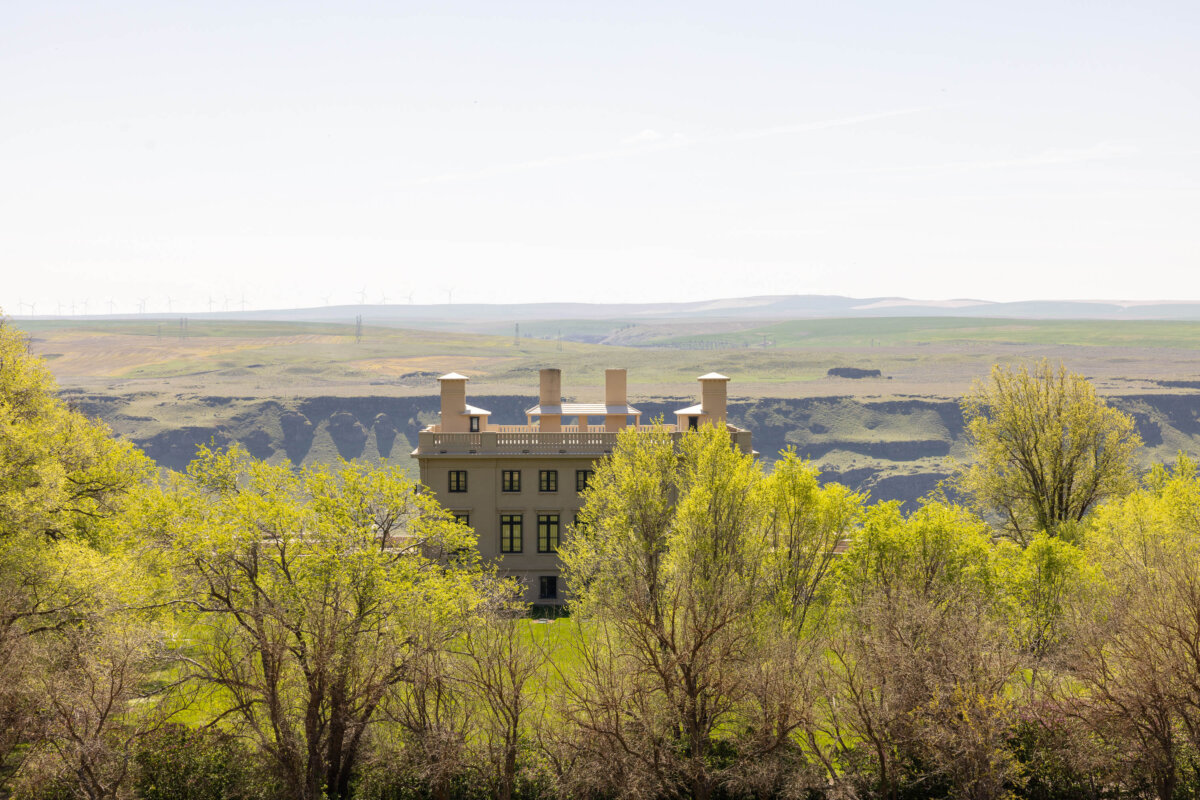
Hill’s friend Loie Fuller saw another possibility. As a dancer and creative director, Fuller had deep ties to both the American and European art worlds. She proposed turning the unfinished structure into a museum and donated French works that would form the heart of the collection. It was the beginning of a pattern that would define Maryhill: remarkable people showing up, contributing what they had, and collectively building something none of them could have created alone.
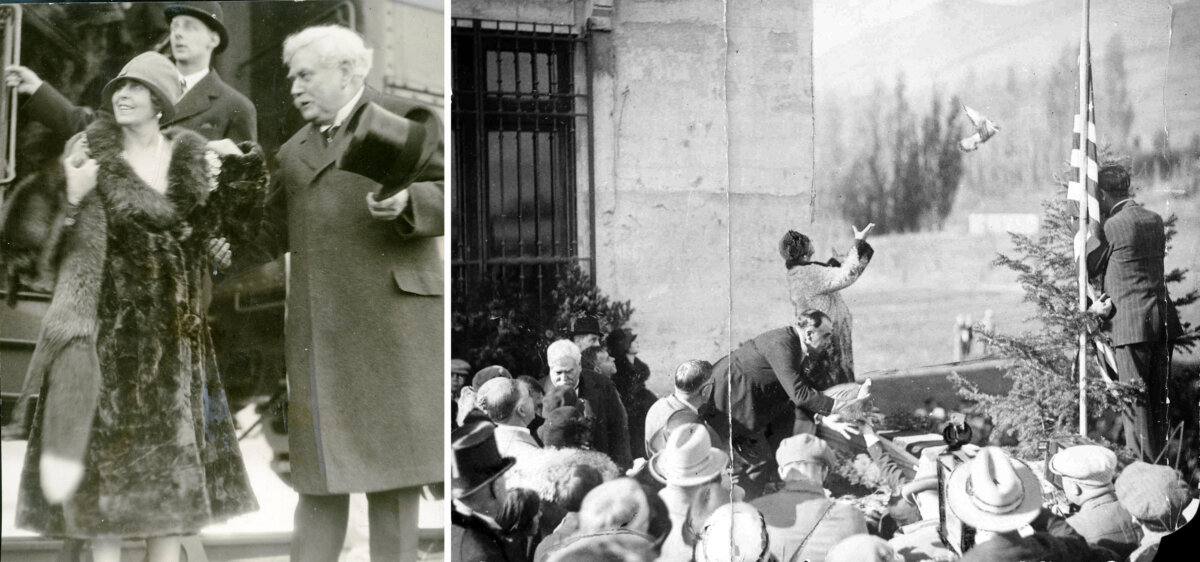
Among them was Queen Marie of Romania, who traveled by royal train across the United States in 1926 to dedicate the museum. She arrived with Russian icons, manuscripts, and an array of personal treasures, including the gown she wore to an 1896 coronation ceremony and a gilded silver crown inlaid with turquoise, moonstone, and amethysts. The visit was a sensation, with thousands of people in attendance.
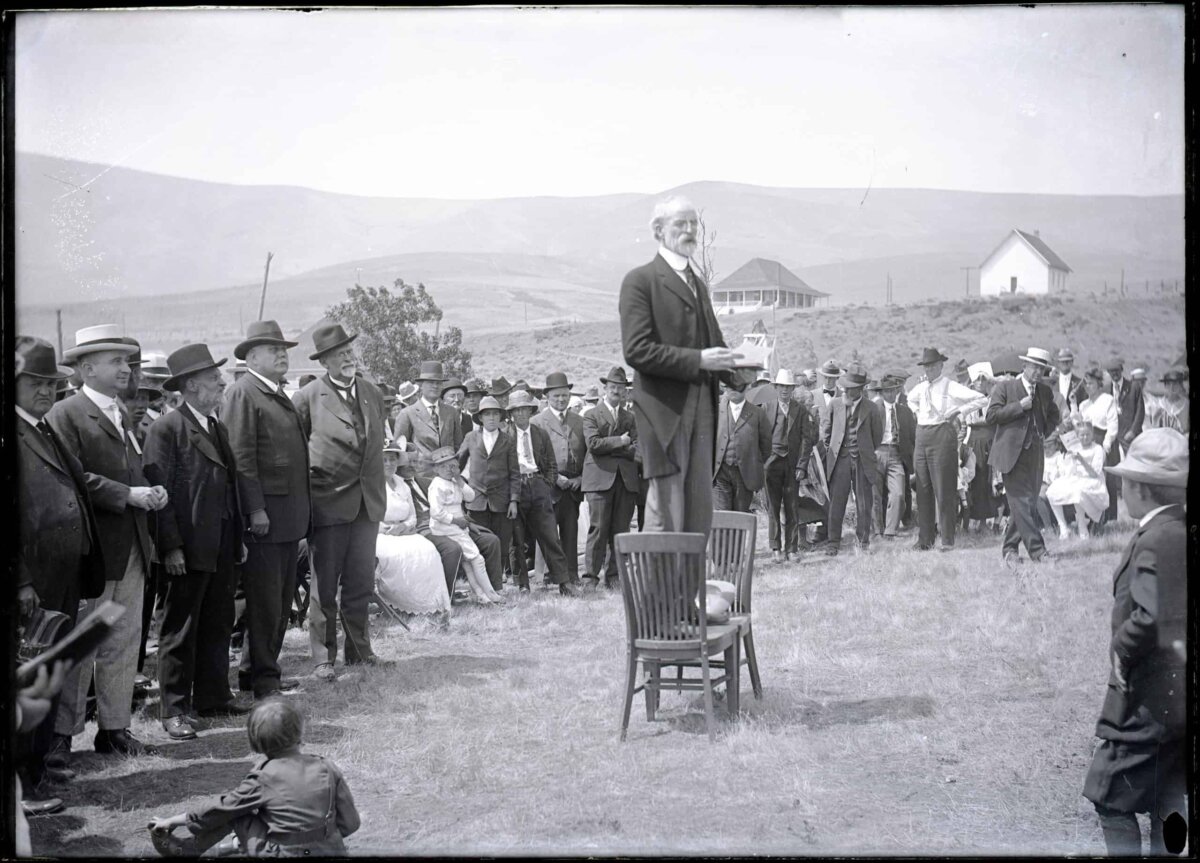
Work pressed on in the years that followed, though the museum’s founder would not live to see his vision realized. In 1931, he became ill while traveling and passed away shortly after.
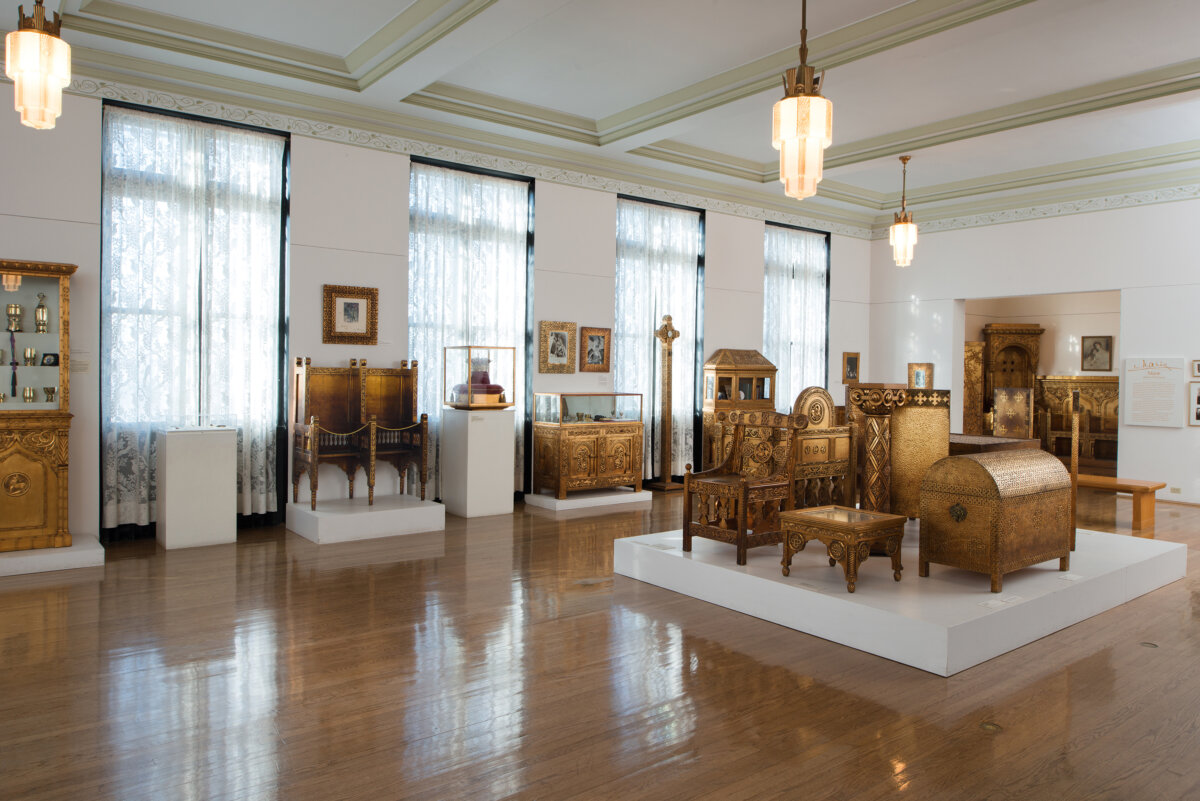
Alma de Bretteville Spreckels, a close friend to Hill, Fuller, and Queen Marie, stepped forward to ensure the museum finally opened its doors. She joined the newly formed board of trustees, donated works from her personal collection, including gilded Romanian furniture, and committed herself to seeing the entire project through. It was under her stewardship that the museum opened to the public on May 13, 1940, which would have been Hill’s 83rd birthday.
A Collection as Layered as Its Origins
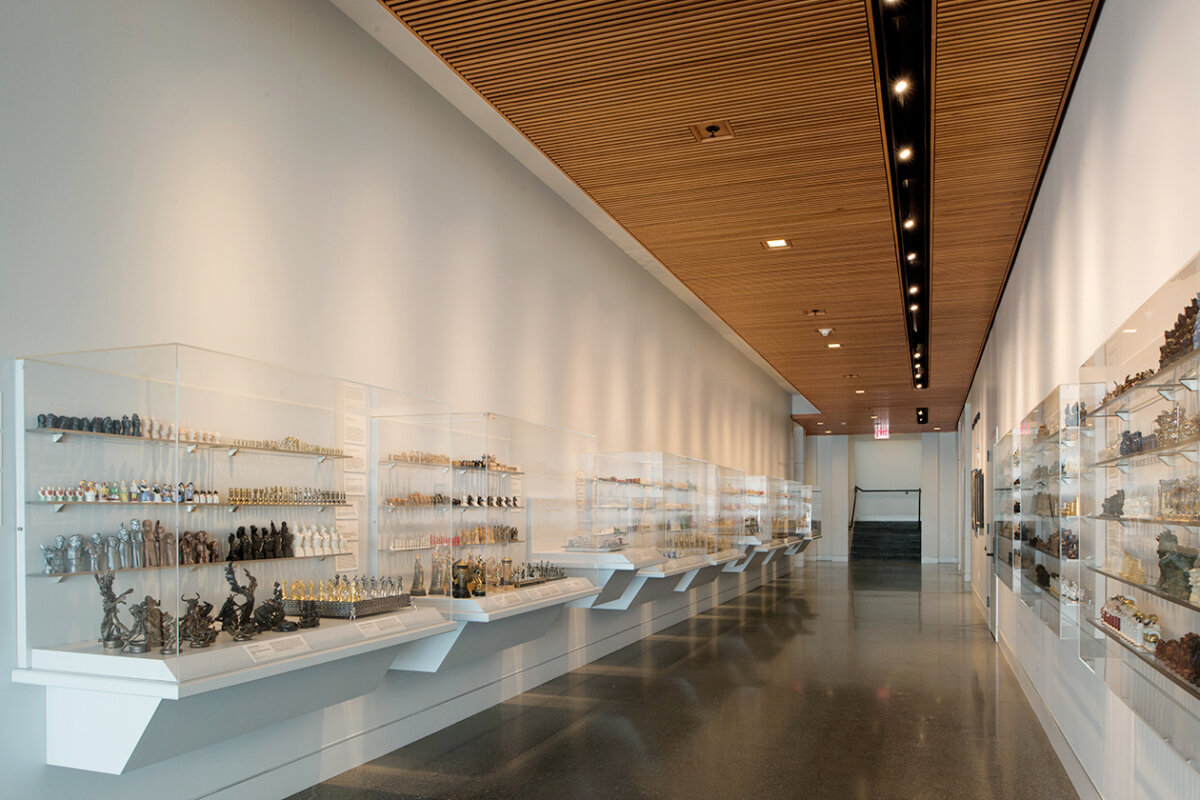
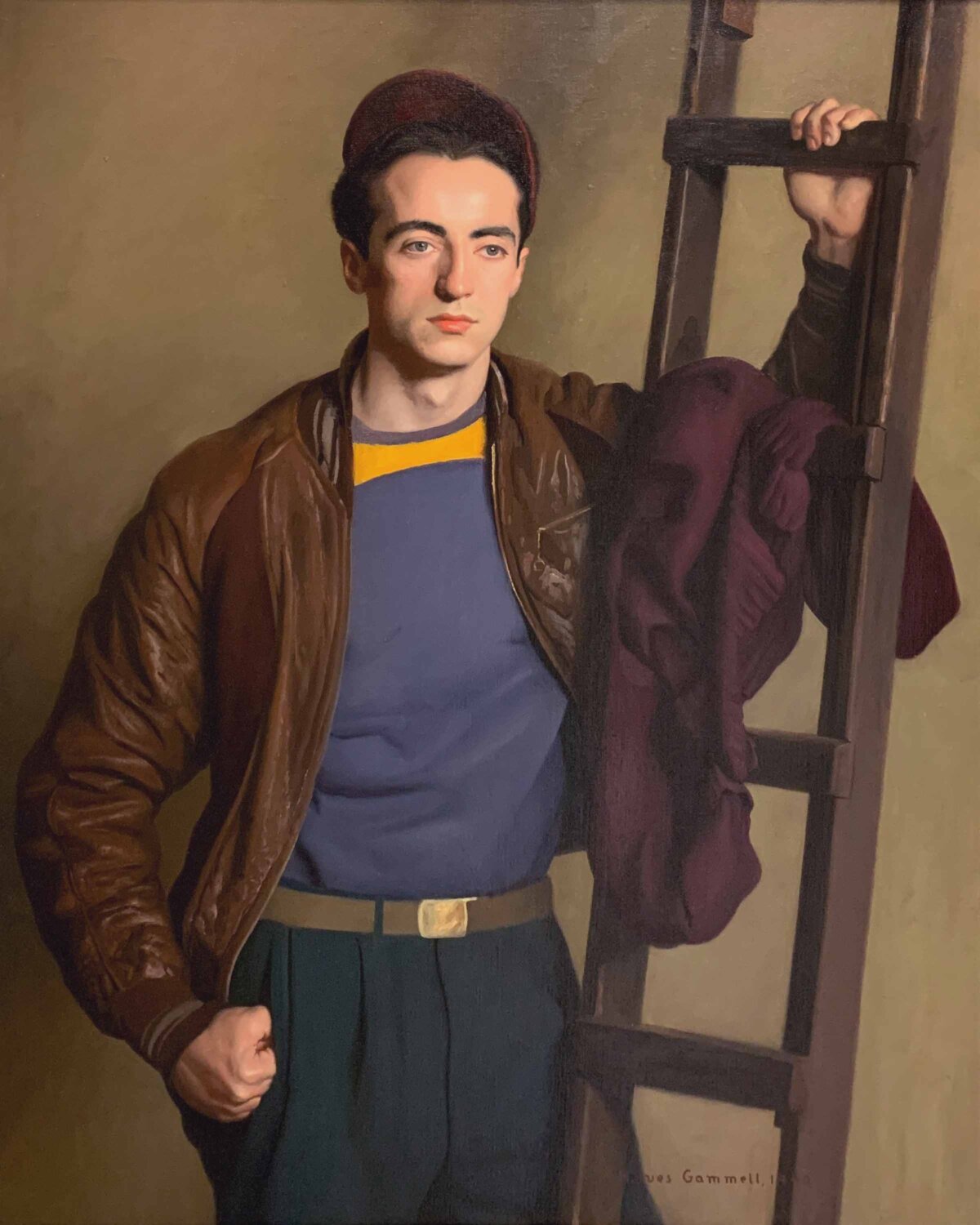
Among Spreckels’s most consequential decisions was the hiring of the museum’s first director, Clifford Dolph, an art lover and a lifelong devotee of chess. Dolph assembled and ultimately donated a remarkable collection of international chess sets, while also acquiring and championing the work of American artists associated with Classical Realism.
That commitment paid lasting dividends. In 2000, the R.H. Ives Gammell Studios Trust gave the museum a 23-panel series titled “A Pictorial Sequence Painted by R.H. Ives Gammell Based on ‘The Hound of Heaven.'” The paintings had first been shown at Maryhill in 1957, and the museum’s longstanding relationship with Gammell made it the natural permanent home for the works.
Today, the permanent collection reflects the full breadth of its founders’ vision across four levels. Visitors entering the museum are immediately greeted by the grandeur of the Queen Marie Gallery, where gleaming gilded furniture, portraits, and personal artifacts tell the story of a monarch whose affection for Maryhill helped shape it. Many of the objects on display were gifts from the queen herself or from Spreckels.
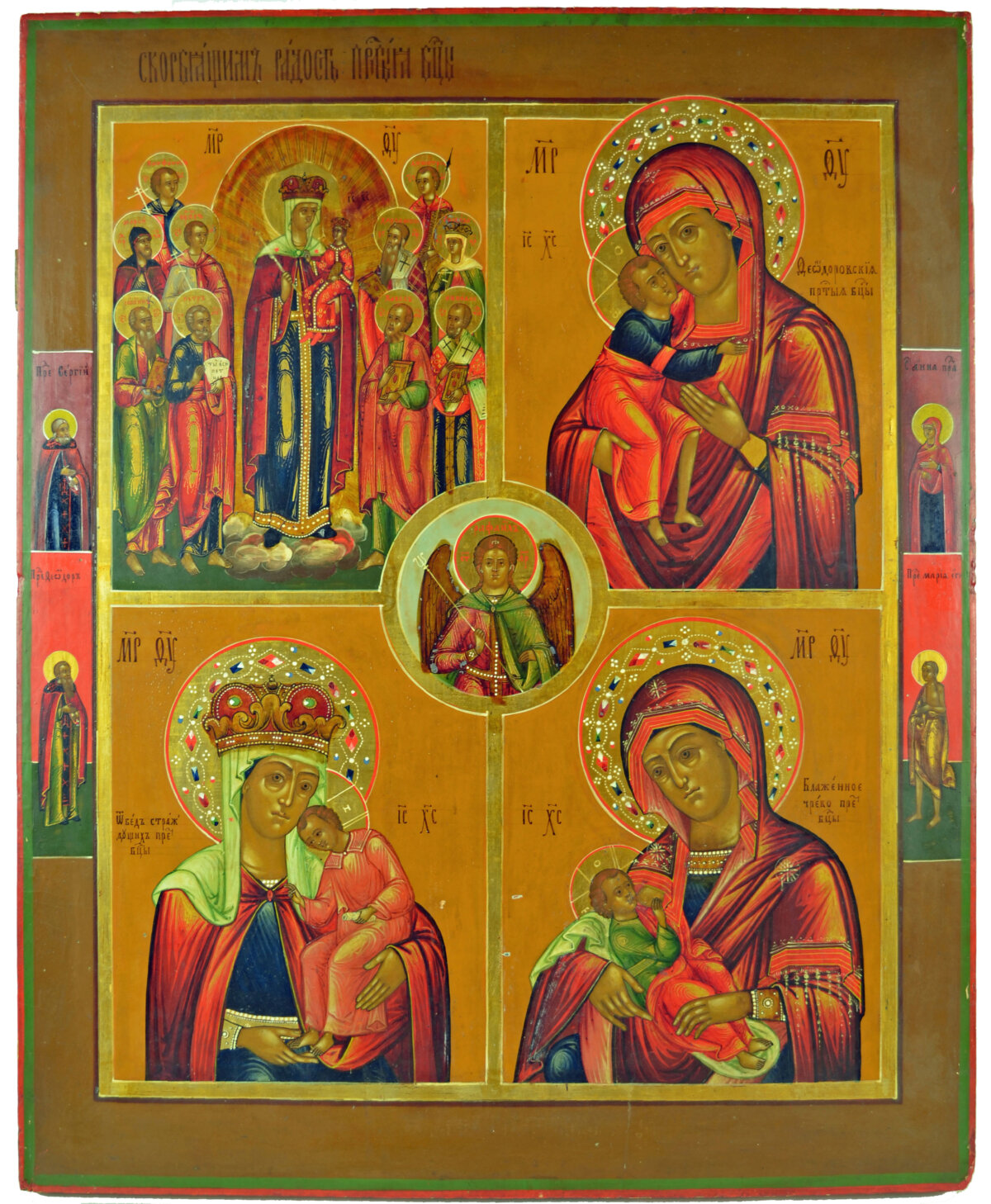
In a neighboring room, a temporary exhibition honoring the 100th anniversary of Queen Marie’s 1926 dedication showcases Romanian folk dress alive with densely worked embroidery. The museum holds over 400 pieces of Romanian textiles in its permanent collection. Queen Marie also donated eight Russian icons to Maryhill, sacred objects of deep personal meaning to her Eastern Orthodox faith, now displayed in an adjacent room. Since her visit, the icon collection has grown to more than 25 pieces, and the broader ecclesiastical collection has expanded to include American and Mexican Catholic art works.
Rodin on the Columbia
Perhaps no part of the collection draws more astonished reactions than the Rodin gallery on the ground level. Auguste Rodin (1840–1917) came to be represented at Maryhill through an unlikely chain of events. Fuller, a devoted admirer of Rodin, helped broker sales of his work to American collectors while acquiring several smaller pieces of her own. She later pledged these as collateral for a loan but could not repay the debt. Hill covered the balance, and the works found their way to Maryhill.
The museum now holds more than 80 Rodin works, among them bronzes, terra cottas, plaster studies, and watercolor sketches, a breadth that surprises even seasoned art lovers. Visitors can stand before celebrated pieces such as “The Thinker,” “The Hand of God,” “The Age of Bronze” and a life-size plaster of Eve from his monumental “The Gates of Hell.”
On the same floor, a dedicated gallery honors Fuller herself, showcasing memorabilia spanning her 35-year career, a fitting tribute to the woman whose imagination helped make so much of the museum possible.
The ground level also features an extensive collection of indigenous objects, including clothing, accessories, and baskets representing the Indigenous Peoples of North America. Hill was a committed collector of indigenous basketry, drawn to the artistry and craft traditions of the region’s Native peoples, and that personal passion is richly represented here. The collection offers a meaningful counterpoint to the European works elsewhere in the museum, grounding Maryhill in the landscape and people that have long called this stretch of the Columbia River home.
Fashion, Paint, and Parchment
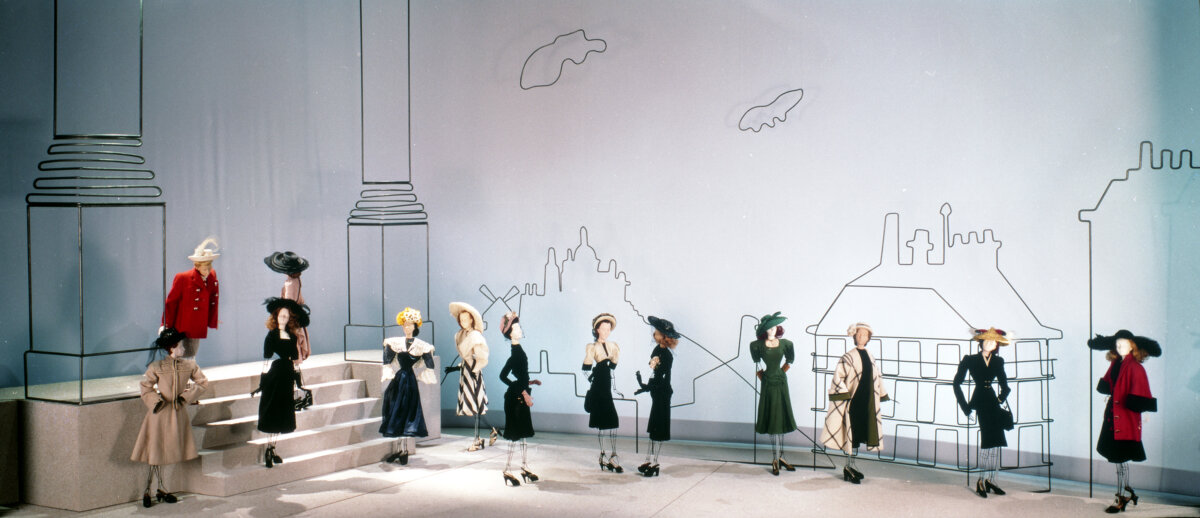
The upper level is home to “Théâtre de la Mode,” a striking collection of post-World War II French haute couture displayed on one-third-life-size mannequins posed against elaborately designed stage sets. Every detail of each ensemble, from hats and dresses to shoes, was meticulously crafted by leading fashion professionals of the era.
When the collection showed at the Louvre Museum of Decorative Arts in 1945, it drew 100,000 visitors, and a subsequent tour through Europe and the United States drew enthusiastic crowds. Maryhill holds nine restored sets and mannequins, with three on rotating display every other year. The current exhibition highlights a 1946 ensemble that some fashion historians attribute to Christian Dior.
Sharing the upper level, the debut exhibition “American Classical Realism” presents nearly 40 paintings from one of the largest publicly held collections of this genre, showcasing artists who championed disciplined technique and figurative tradition at a time when abstraction dominated the art world.
Nearby, an intimate room showcases French, Flemish, and English illuminated manuscripts from the 15th and 16th centuries, a rare surviving grouping of these delicate works. Produced by hand in an era before the printed book, each page is a testament to the devotion and skill of the scribes and artists who created them.
Beyond the Walls
The vision that drew Hill to this remote bluff does not end at the museum’s doors. Outside, carefully landscaped grounds and the William and Catherine Dickson Sculpture Park invite leisurely exploration, where large-scale works by Northwest artists unfold against a backdrop of dramatic cliffs and the Columbia River.
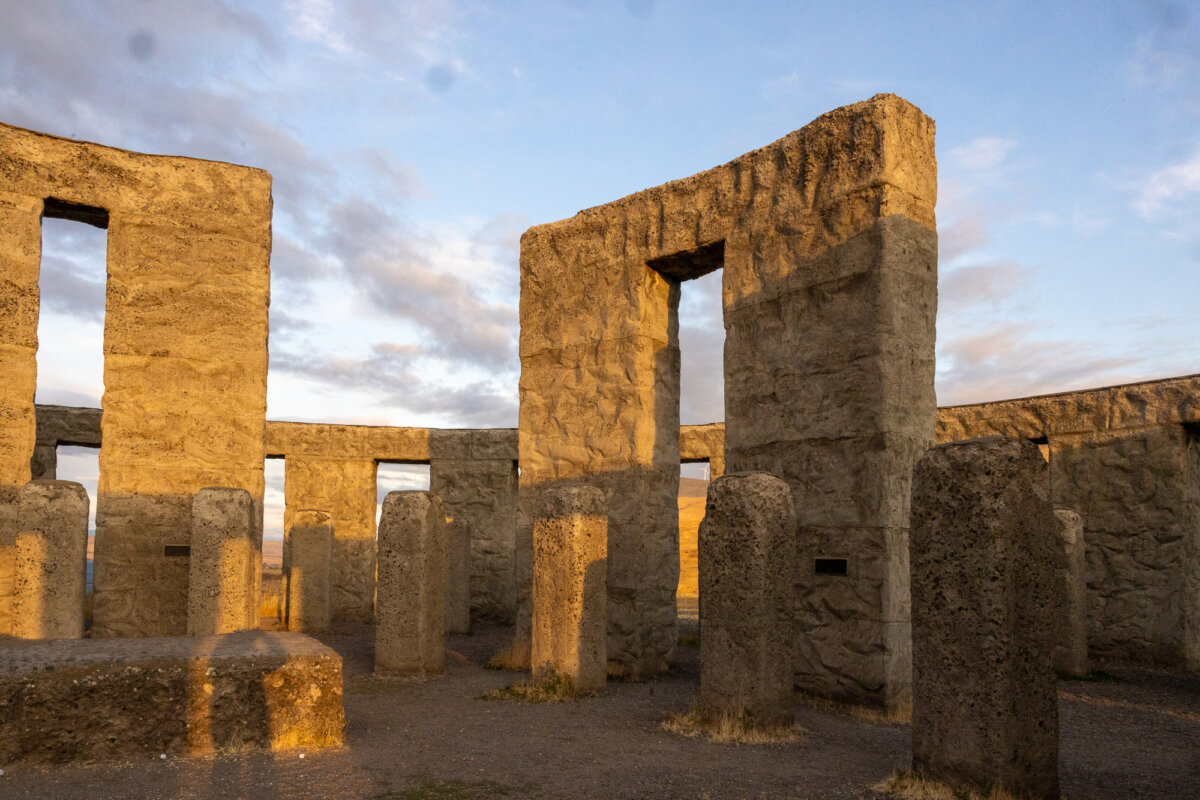
Just three miles east, Hill constructed a full-scale replica of Stonehenge as a memorial to soldiers killed in World War I, a structure added to the National Register of Historic Places in 2021. Nearby, the Klickitat County War Memorial honors those who have served and died in military service since that time.
The museum was built on bold ideas, unlikely collaborations, and the conviction that great art can thrive anywhere, and it continues that tradition today. “At 100 years old, Maryhill is still full of surprises,” said Amy Behrens, executive director of the museum. “People come expecting a museum, but they discover something much bigger. It is a destination where art, landscape and history intersect. Every season brings new exhibitions and new perspectives, so even longtime visitors find something they have never seen before.”
What arts and culture topics would you like us to cover? Please email ideas or feedback to features@epochtimes.nyc.