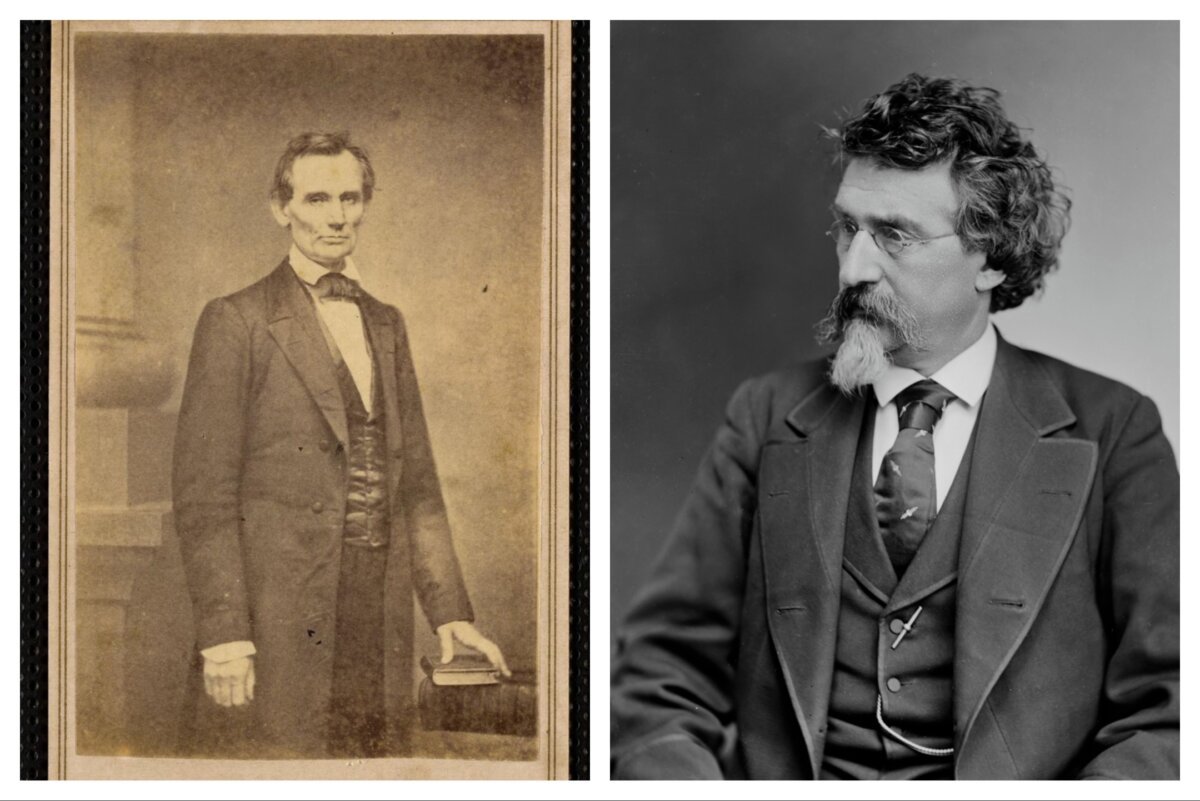
Abraham Lincoln credited the entrepreneurial photographer with helping him become president.
On Feb. 27, 1860, Abraham Lincoln sauntered into Mathew Brady’s New York studio for a photographic portrait. Lincoln was in town to give a speech at the Cooper Institute (today’s Cooper Union) highlighting his views of slavery, the most toxic political issue of the day. The intellectual power of Lincoln’s presentation would fuel the campaign that took him to the White House.
But while Lincoln’s verbiage was profound, the bony 6-foot-4 politician in a wrinkled suit was awkward and disheveled. When Brady asked to “arrange” his shirt collar and jacket, Lincoln quipped, “Ah, I see you want to shorten my neck.”
In the resulting photograph, Lincoln’s collar and bowtie were effectively turned up to camouflage his long neck. Brady maneuvered Lincoln into a statesman-style pose with a solemn expression while his left hand touched a pair of books arranged on stand.
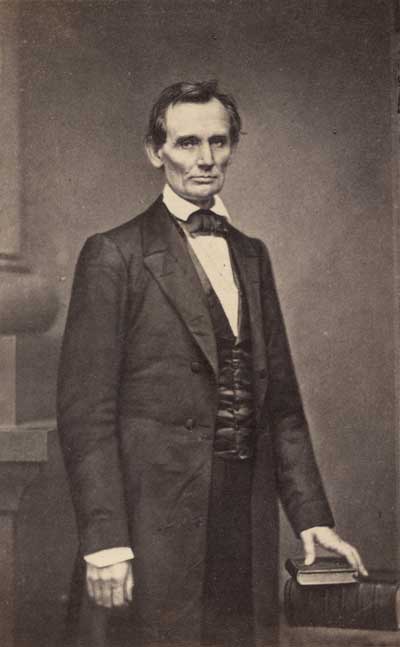
The image presented Lincoln as a man of great knowledge and fortitude and would be widely reprinted in newspapers and lithographs. Lincoln cherished that fateful day in New York, later commenting, “Brady and the Cooper Institute made me President.”
A Hazy Background
Brady may have been the unlikeliest of kingmakers. Details of his formative years are scant, and Brady often changed his biography. According to James D. Horan’s “Mathew Brady: Historian With a Camera,” in different interviews Brady claimed that he was born in Cork, Ireland, and Warren County, New York, putting his birth year between 1822 and 1824. The only thing known about his parents were their names, Andrew and Julia.
At the age of 16, Brady became acquainted with portrait artist William Page in Saratoga, New York. Page introduced Brady to his former teacher, the artist and inventor Samuel Morse, who recently returned from Paris after studying the convoluted daguerreotype process of capturing images on copper plates. It became the first commercially viable photography method.
Morse opened the first American school of photography in New York in 1840. Brady, who was scratching out a living by working in jewelry trade, was in Morse’s inaugural class.
Creating the Brady Brand
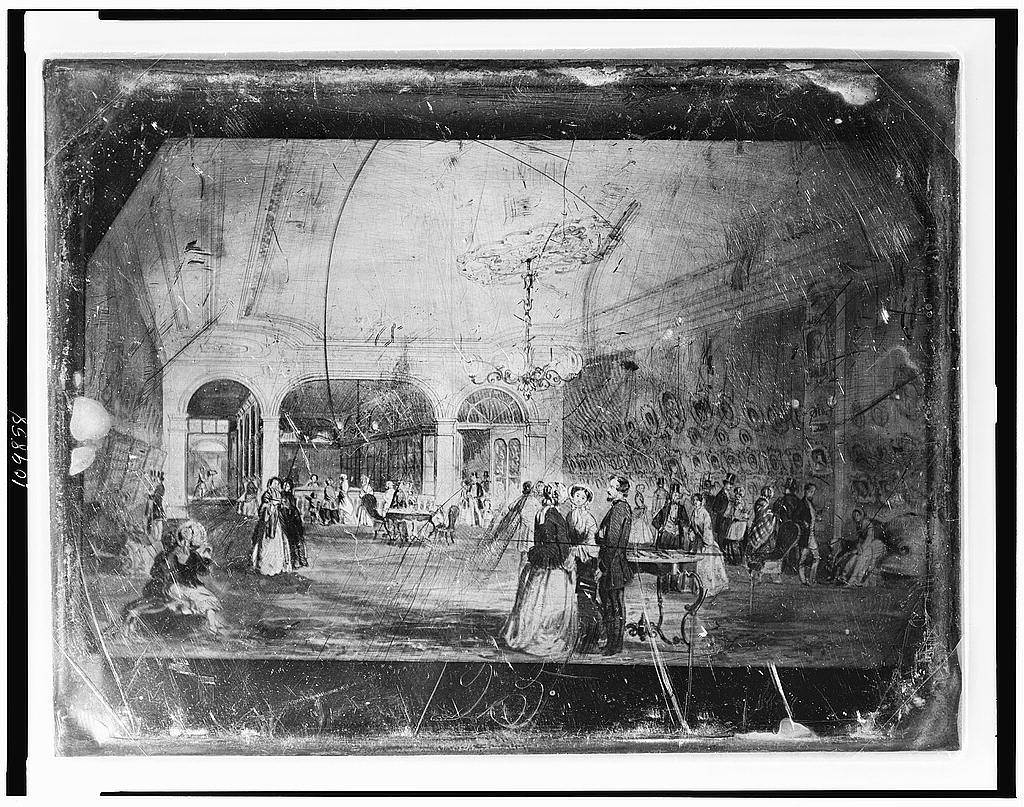
As a photographer, Brady was a perfectionist who photographed subjects from dawn’s first light to the evening’s fading glow and then continued deep into the evening developing his pictures. The quality of his work stood out from the competition, resulting in several awards including a medal from the 1851 London Great Exhibition.
His studio attracted prominent figures including the writers Washington Irving and Edgar Allan Poe and the soprano Jenny Lind. He opened another studio in Washington, in 1847 that brought government leaders before his camera.
Brady was a tireless self-promoter. He started galleries that showcased his photographic work to the public. In some cases, he waived his fee to create portraits of the era’s notables, knowing he could exploit their presence in attracting middle-class customers eager to have their pictures taken. He happily made himself available for interviews with newspapers and magazines.
As his career soared, the strain of his long hours weakened his vision. To keep his business going, he recruited a squad of assistants to handle many of his photographic duties. While he may not have been behind the camera for the historic photographs attributed to him, Brady’s reputation created a highly recognized brand.
The Civil War Era
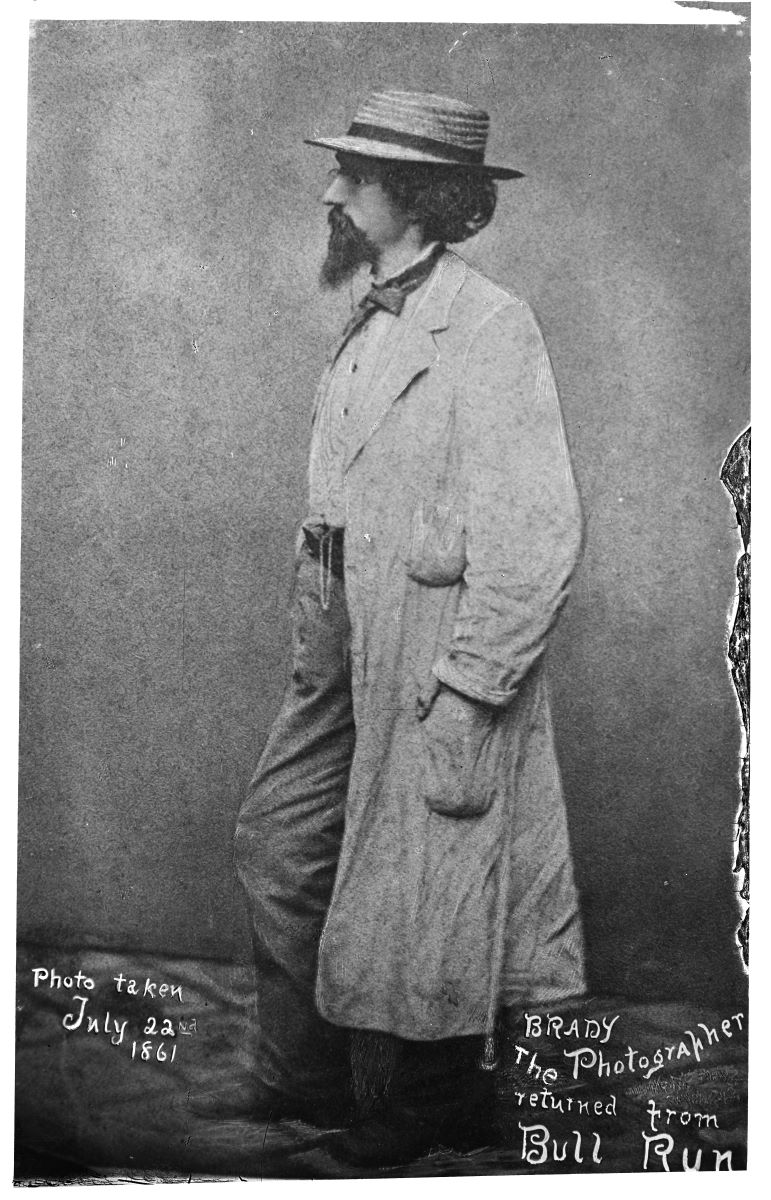
Many historians have credited Brady as a pioneer photojournalist for capturing battlefield pictures of the Civil War. But he was present at the battles of Bull Run in July 1861. He was so spooked by the ferocity of the fighting at Bull Run in 1861, which may explain in part why he stayed away from active conflicts until 1864 (at Petersburg and Fredericksburg).
Instead, Brady dispatched his staff to capture images of the war. He displayed photographs that showed the dead soldiers from the Battles of Antietam and Gettysburg at his galleries, which created a shock among the public living far from the carnage.
The battlefront photographs were reprinted in publications without proper attribution. Some of the photographers responsible for those seminal works, including Alexander Gardner and Timothy O’Sullivan, left Brady’s employment to achieve their own fame.
A Sad Fade-out
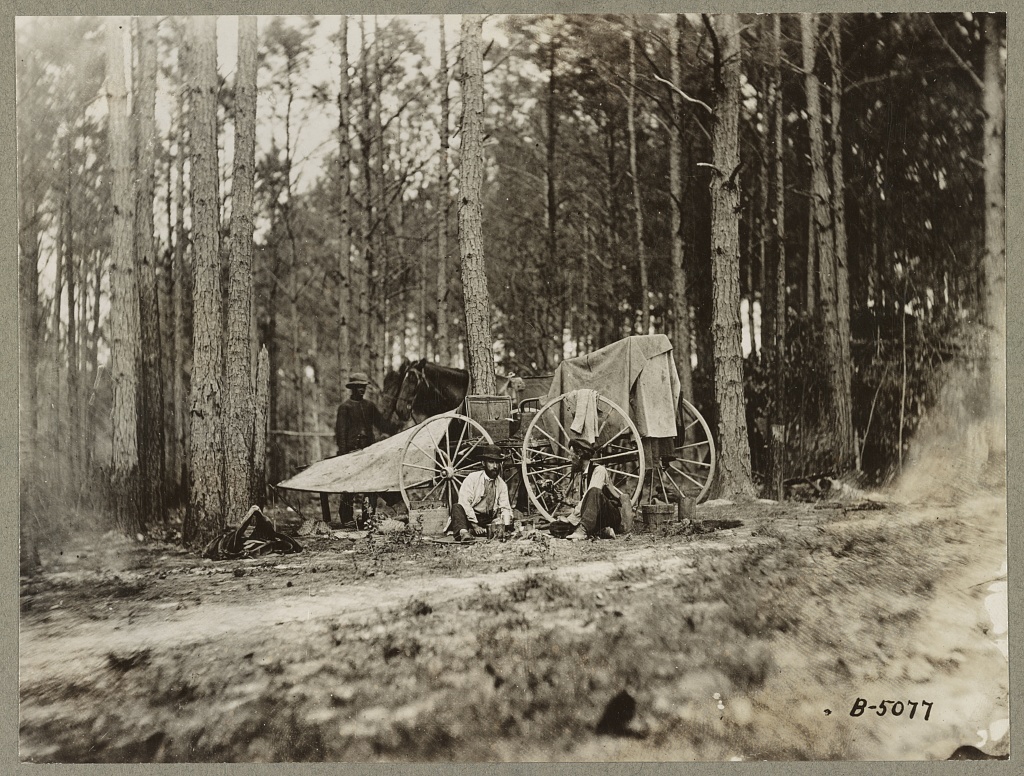
Brady spent roughly $100,000 (nearly $2 million today) to photograph the Civil War’s frontlines. After the conflict, he hoped to sell his negatives to the federal government. But Congress showed no interest in allocating funds to purchase this invaluable photographic treasure trove. Suffering from poor health and growing debts, Brady was forced to declare bankruptcy shortly after his galleries closed and sell his collection of negatives and photographs for a fraction of their value.
Brady’s disappearance from public view became so great that an 1891 New York World article began with the sentence: “Brady, the photographer, alive?” By 1895, he was hoping to mount a new exhibition of his work. But that year, he broke a leg when he was struck by a horsecar while crossing a street and was later diagnosed with kidney disease. An indigent Brady died in the “alms ward” of New York’s Presbyterian Hospital on Jan. 15, 1896.
During his life, Brady was cognizant of what he was creating and what his output would mean for future generations.
“The camera is the eye of history,” he said. “You must never make bad pictures.”
What arts and culture topics would you like us to cover? Please email ideas or feedback to features@epochtimes.nyc.