
The holidays are supposed to be a joyous time—annual opportunities to reflect, give thanks, and reconnect with family and friends. But many people feel more stressed than celebratory. This time of year may trigger painful memories of the past, while the expectation of giving gifts could add pressure to tight budgets. During social gatherings, people’s judgments and expectations can also be distressing. Our efforts to cope with these seasonal stresses can range from overindulgence to avoiding get-togethers entirely.
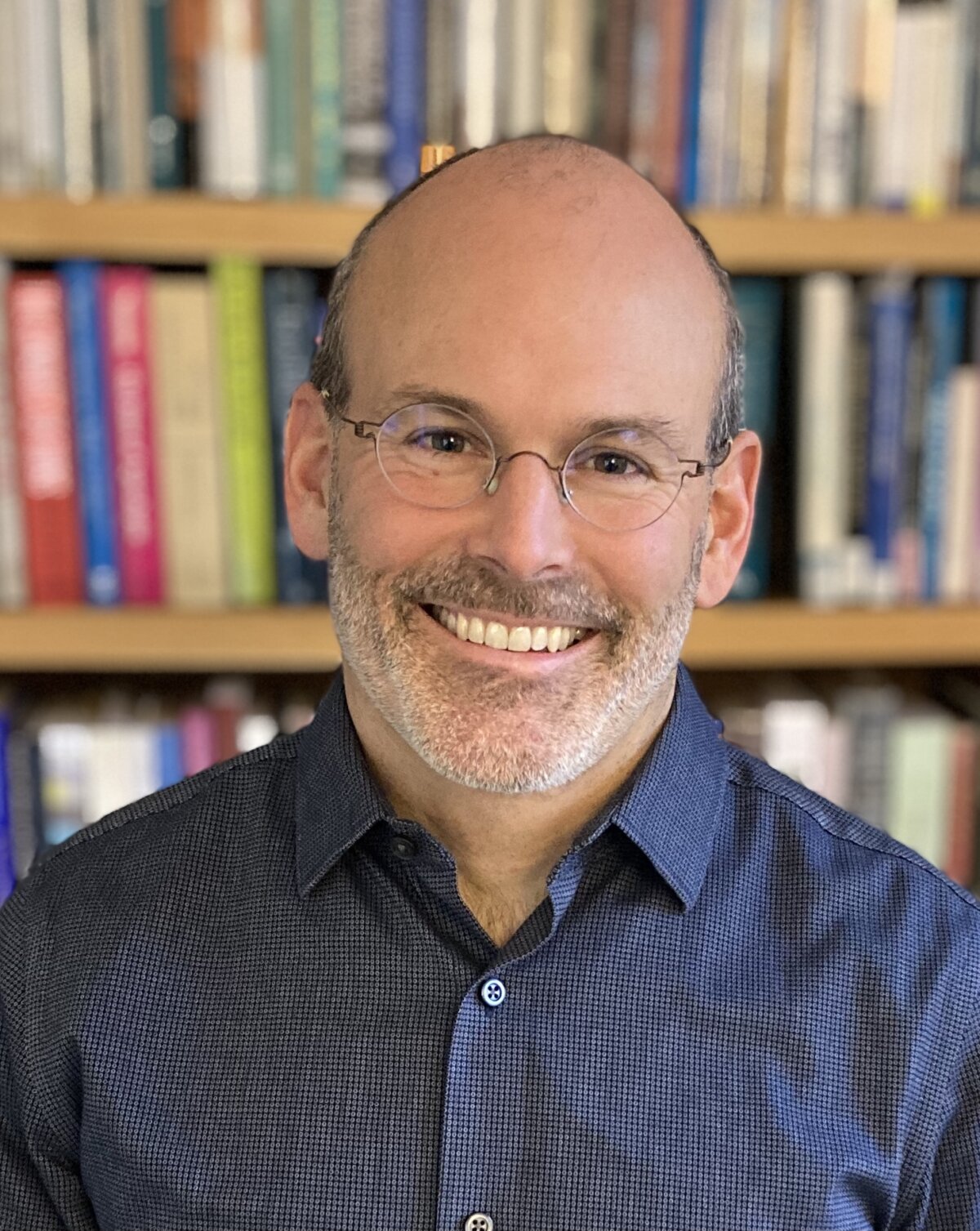
But it doesn’t have to be this way. Psychiatrist and neuroscientist Dr. Judson Brewer offers some insights on how we can rein in holiday anxiety.
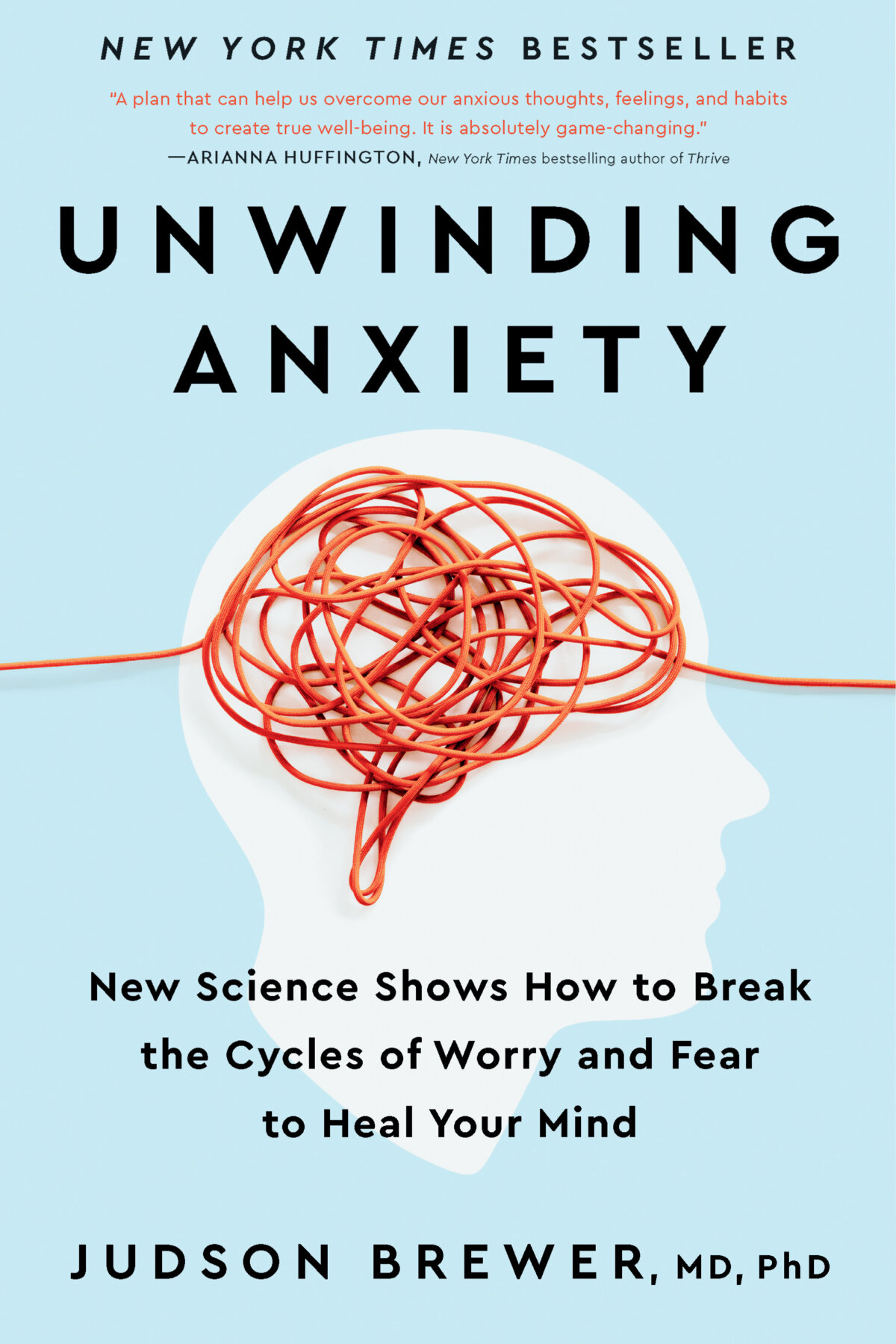
Brewer is a New York Times bestselling author and the director of research and innovation at Brown University’s Mindfulness Center. His books, including “Unwinding Anxiety” and “The Hunger Habit,” provide clinically proven strategies to address anxiety and overcome the unwanted behaviors those feelings can fuel.
This interview has been edited for clarity and brevity.
American Essence: What drives anxiety, and what is it about the holidays that triggers it?
Dr. Judson Brewer: There are a number of things that drive anxiety for people. One of these is just uncertainty itself. And there’s a ton of uncertainty that is part of the holiday season.
When people are getting together with family they haven’t seen in a while, they don’t know how they’re going to act. Or they might have had a history with a family member, and they’re not sure how things stand with them.

AE: Is there anything we can do to mentally prepare for these uncertain situations?
Dr. Brewer: Our culture has perpetuated this idea that we can stop worrying through willpower. But if you look at it from a neuroscience standpoint, it’s not how our brains work. Our brains will form behaviors based on how rewarding they are. So if we can see that worrying doesn’t help us, we can step out of these worrying habit loops.
The first step is learning to substitute curiosity for worry. Worrying makes us feel like we should do something when we’re anxious. That’s how it gains its reward value. But if we can instead be curious about the feeling of anxiety in our body, it helps us learn this skill. We can watch these feelings come and go on their own without having to do anything to make them go away. And that is a game changer for most people. We’ve done trials where people got five times the improvement over what typically people see with medication.
AE: Overindulgence is a common coping mechanism for holiday stress. Any tips on how to rein that in?
Dr. Brewer: Just like when we ask ourselves, “What do I get from worrying?” and see that it’s not rewarding so that we break the spell of worrying, the same is true with overeating or drinking too much. We can ask ourselves, “What am I getting from this?” We did a study where we had people pay attention as they ate. It only takes about 10 to 15 times with somebody overeating for them to see that that behavior is actually not very rewarding at all, and they can start to shift their behavior significantly.
This article was originally published in American Essence magazine.