



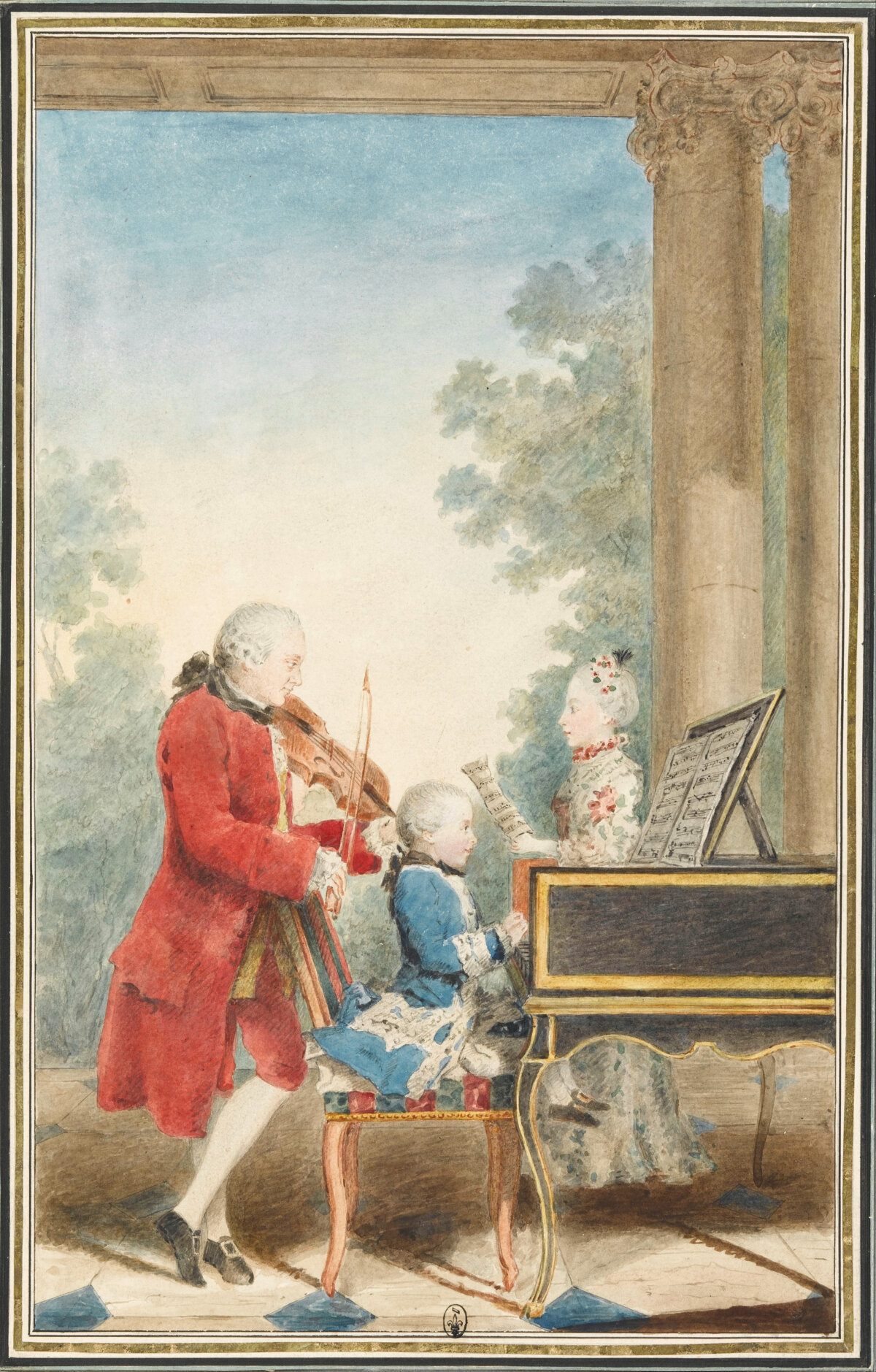
Classical composer Wolfgang Amadeus Mozart (1756–1791) was a piano maestro by the age of 5. His piano lessons began as early as 3 years old, and throughout his short 35 years on earth, he composed over 600 musical works.
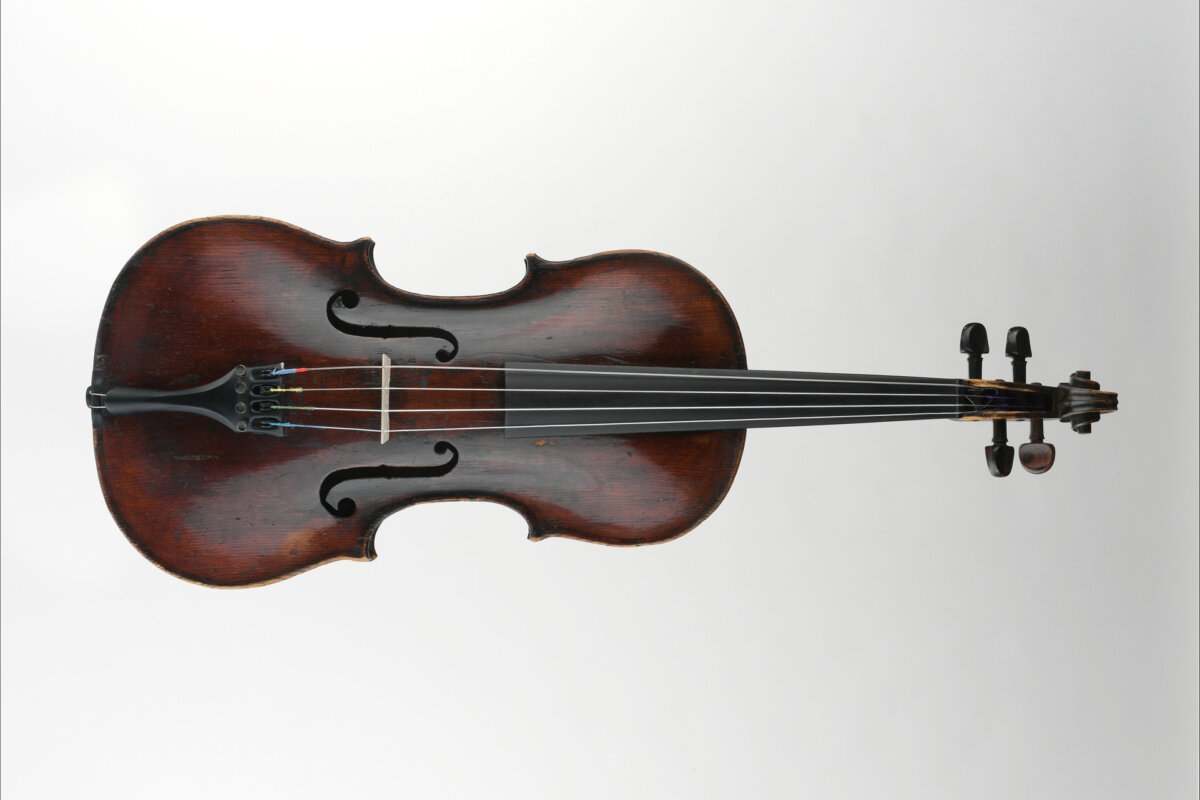
Aside from the piano, the visionary musician also played several other instruments, including the harpsichord, organ, and violin. But no other instrument infatuated him quite like one of the violin’s stringed sisters, the deep-bellied, soulful viola.
No Mere Supporting Act
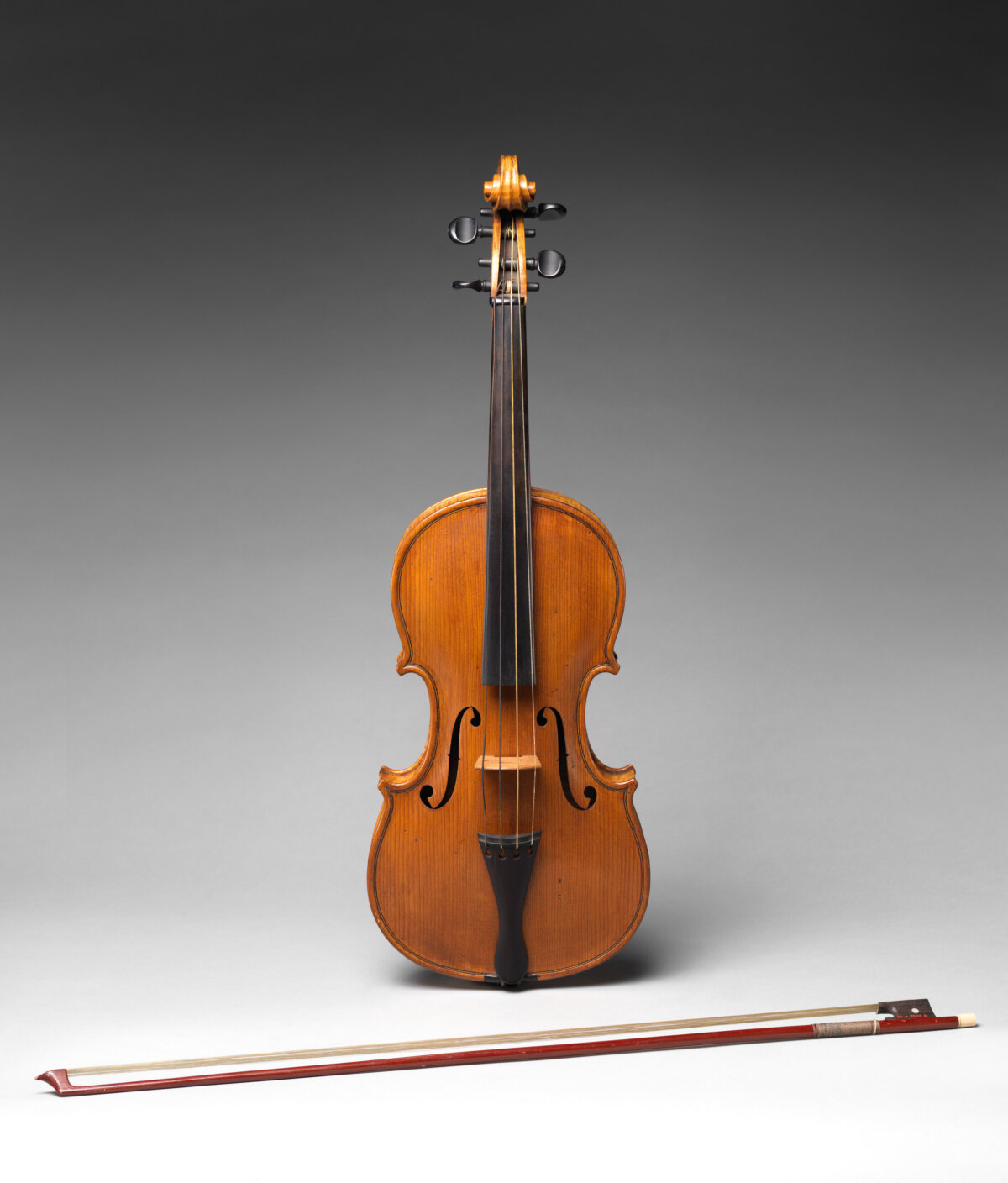
Mozart’s love for the viola stems from its inviting tone and connective nature. He enjoyed its warm, vibrant sound, and he viewed it as a bridge between the bassy cello and the high-pitched violin. He could sometimes be found playing the expressive instrument with small ensembles.
The viola has a slightly larger body than the violin and features four strings: C, G, D, and A. It has an alto range and is one of the few instruments to use an alto clef, rather than a bass and treble clef, for music notation. The viola is often used in orchestral scenarios in a supporting, harmonizing, and rhythmic roles rather than as a featured solo instrument.
Mozart did not see the viola as a mere supporting act: He included the viola as a prominent instrument in a few of his works. His most famous work featuring viola, the Sinfonia Concertante for Violin, Viola, and Orchestra in E-flat major (K. 364), is not only a classical masterpiece, but an unprecedented piece of music. The composition showcases how the viola can use its own unique strengths to not only keep up with, but, at times, outshine, the violin.
A Conversation Between Father and Son
At 23 years old, Mozart found himself wishing to leave his birthplace of Salzburg, located in what is now the country of Austria. He felt constrained with work responsibilities as a court musician for the town’s Prince-Archbishop Hieronymus Colloredo. And trips to Mannheim, Germany, and Paris left him struck with inspiration after immersing himself in the cities’ burgeoning classical music landscapes.
He was also in the midst of mourning the death of his mother, Anna Maria Mozart.
These life circumstances influenced the creation of his timeless Sinfonia Concertante. The piece is named after the “symphonie concertante” tradition of Paris, which involves a hybrid performance style featuring both a concerto and a symphony. While the concerto focuses on solo instruments set against the backdrop of an orchestra, the symphony represents a more balanced performance with a shared musical load across an entire orchestra.
Mozart’s Sinfonia Concertante adopts this fused performance style, with its two solo instruments, the violin and the viola, at the forefront. The narrative of the piece centers around a conversation between father and son. There has long been speculation that Mozart, nicknamed “Wolfie” by his family, wrote the piece with his father, Leopold, a gifted violinist, in mind. The young Mozart took on the role of the contemplative viola while the Mozart patriarch played the part of the boisterous violin.
The Sinfonia Concertante was composed in 1779. More than two centuries later, it is still recognized for its innovative approach representing the viola as the violin’s equal. The original sheet music instructs the solo viola to alternate its tuning to achieve a certain tone, a technique known as “scordatura.” While the work itself is in the key of E-flat major, the viola is tuned to D major (with the strings now D, A, E, B) for a stronger presence that invites other instruments into its world.
“Rather than expecting other instruments to sound like the rapt viola they are not, Mozart invites them into the soul of the viola. Oboes and horns and violins and cellos all play in the viola range. They reverberate like a viola. They find out what it feels like to be a viola within their own instrumental bodies and sonorities. We are all, essentially, violas, Mozart reveals,” reported classical music critic Mark Swed for the Los Angeles Times.
The Los Angeles Philharmonic shared that the inspiration Mozart gained from Mannheim and Paris influenced his Sinfonia Concertante, making it “a work that bursts with the joy of exploring new instrumental sound combinations and possibilities. … The ‘Sinfonia Concertante’ is in part about an extraordinary abundance of ideas and sonorities which—thanks to Mozart’s art—pour out with a seeming effortlessness, like ripened fruit simply there to be plucked.”
Music’s Unsung Hero
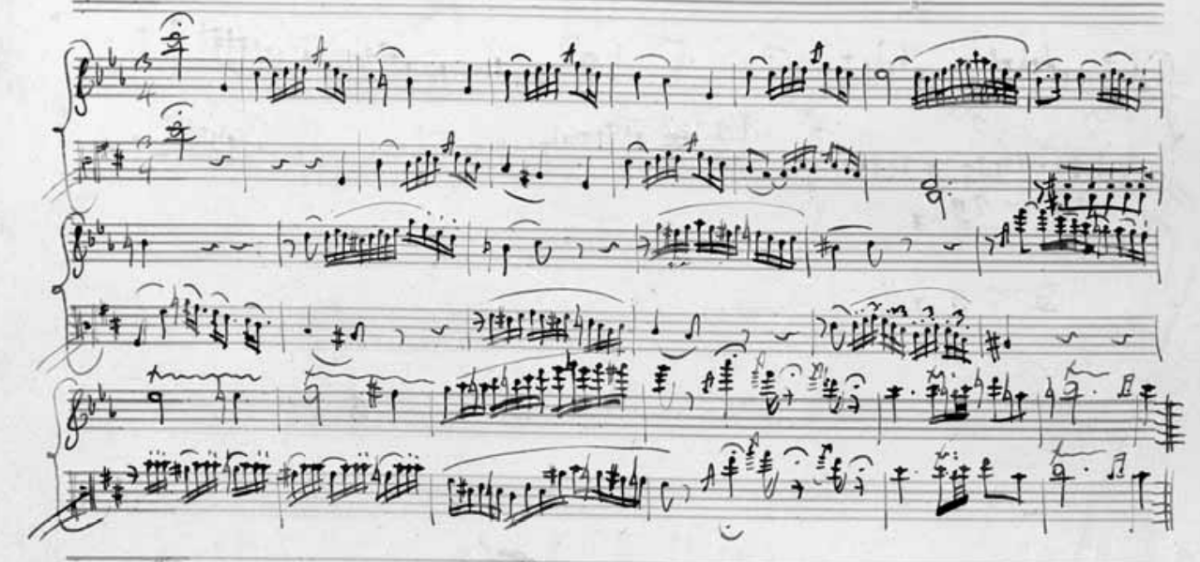
With the release of Sinfonia Concertante, Mozart changed the way people viewed the viola, taking it from side stage to center stage and to dancing, rather than competing, with the violin.
“Far more than a showcase for virtuosity, the ‘Sinfonia Concertante’ is a conversation across the orchestra, a celebration of musical camaraderie, and a striking example of Mozart’s gift for marrying formal innovation with human expression. It remains one of his most beloved orchestral works and a cornerstone of the repertoire for violin and viola,” notes South Bend Symphony.
The debut of the orchestral work represented a turning point in the young virtuoso’s life. Creating the deeply personal piece was cathartic for Mozart. Two years after its premiere, in 1781, he moved on from his constraining Salzburg job and relocated to the classical music capital of the times, Vienna, Austria, where he resided for the remainder of his life.
Mozart wrote five critically-acclaimed violin concertos, but professional violinists often rank the Sinfonia Concertante above those in terms of violin performance. The celebrated work was also the only viola concerto Mozart ever wrote. Today, it remains an essential classical piece showcasing the beauty and dynamic capability of one of music’s unsung heroes.
What arts and culture topics would you like us to cover? Please email ideas or feedback to features@epochtimes.nyc
