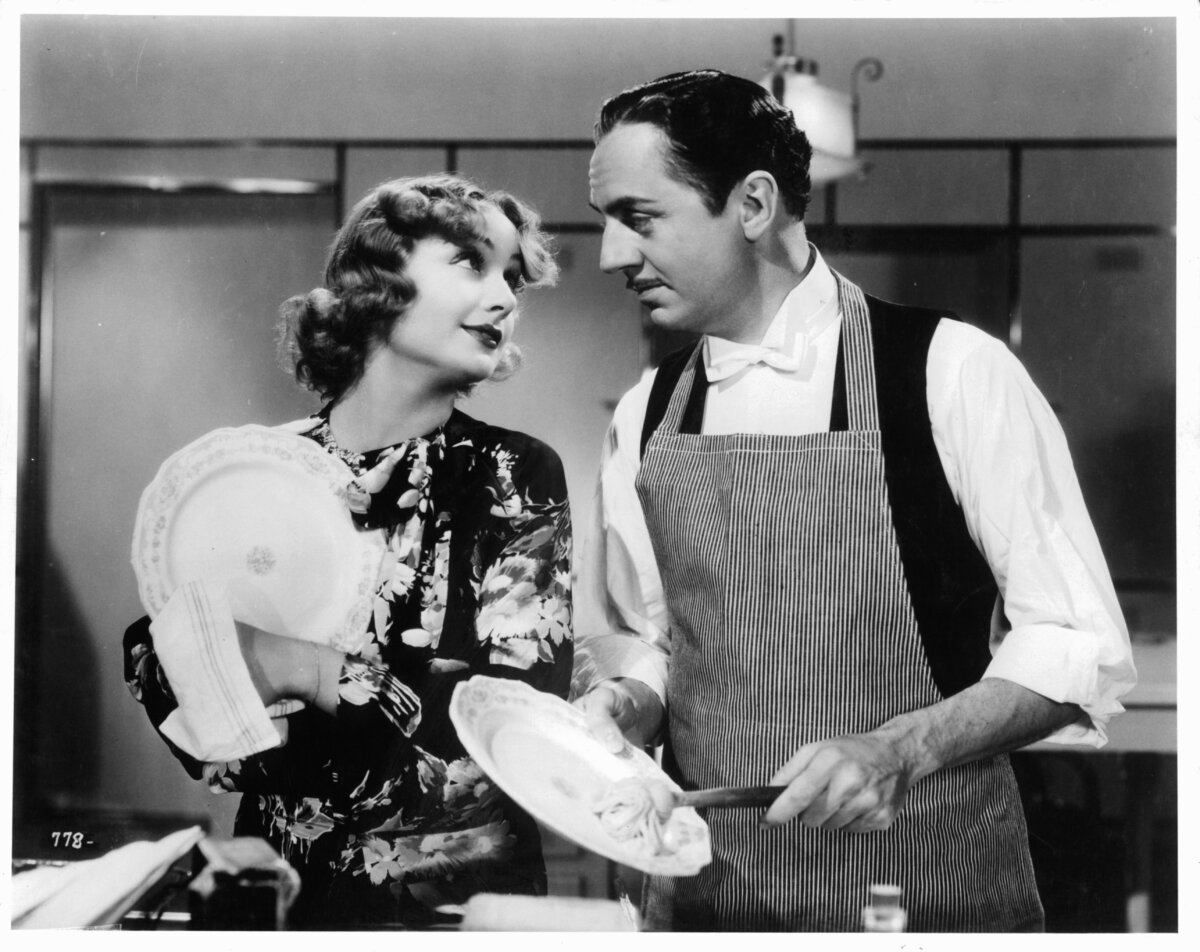
NR | 1h 34m | Screwball Comedy, Drama, Romance | 1936
In an era when many romantic comedies leaned into the familiar rich-man-poor-girl formula, “My Man Godfrey” (1936) flipped the script with refreshing wit. The film is much like “Holiday” (1938) and “Breakfast at Tiffany’s” (1961), which also explored the dynamics of wealth, class, and emotional vulnerability. “My Man Godfrey” challenges conventions by pairing a wealthy, impulsive young woman with a man living on the margins of society.
Directed by Gregory La Cava, this production stands as a quintessential screwball comedy of the 1930s. But beyond its sparkling dialogue and eccentric characters, it offers a pointed social undercurrent.
The story opens in a Depression-era New York City dump, grounding the film in the economic hardship of its time. This was a rare move for a genre often defined by champagne settings and frivolity.
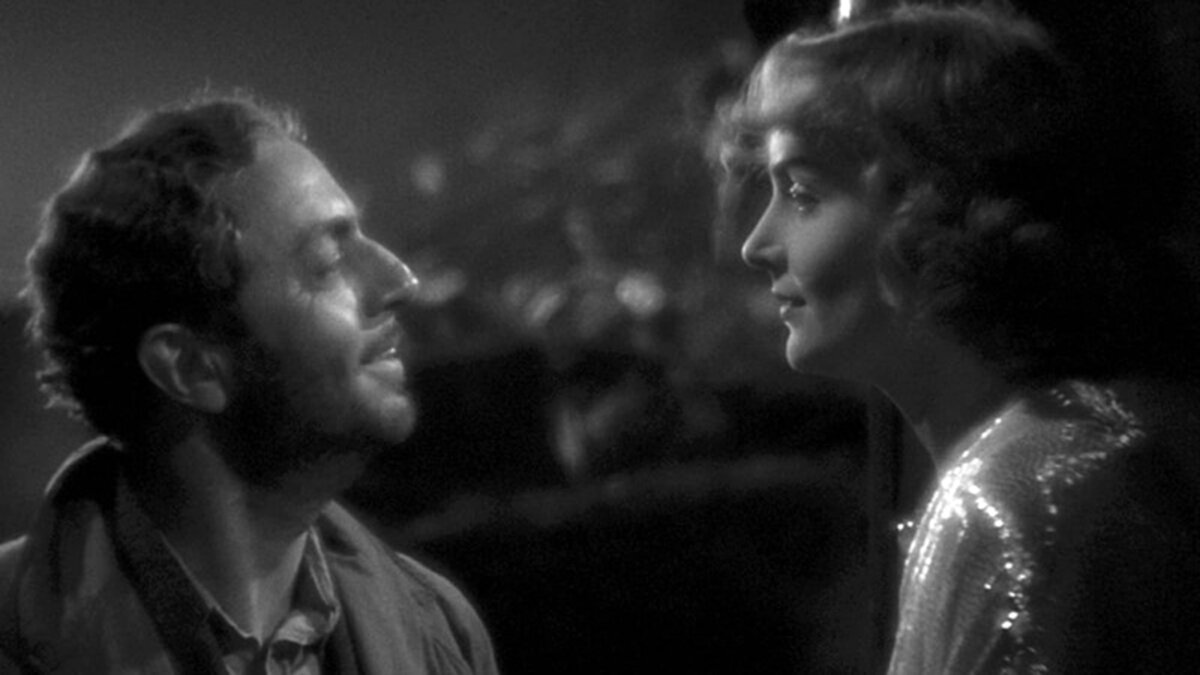
William Powell plays Godfrey, a mysterious “forgotten man” turned butler, with grace and quiet intensity. Opposite him, Carole Lombard gives one of the most memorable performances of her career as Irene Bullock, a scatterbrained heiress whose whimsy masks real longing. Together, they embody the collision between classes and ideals, making the film not just entertaining, but unexpectedly affecting.
It’s both a clever romantic farce and a sophisticated commentary on privilege and dignity. “My Man Godfrey” remains a standout of its time—witty, reflective, and unmistakably human.
Romance With a Social Twist
Lombard shines as Bullock who, with her prickly sister Cornelia (Gail Patrick), joins a high society scavenger hunt with the absurd task of finding a “forgotten man.” That man turns out to be Godfrey (William Powell), a homeless but strikingly composed figure living in the city dump.
Cornelia insults him and gets a well-deserved tumble into an ash pile. Irene, more sincere and curious, manages to convince Godfrey to join her bizarre party stunt, mostly so he can call out its vulgarity in style.
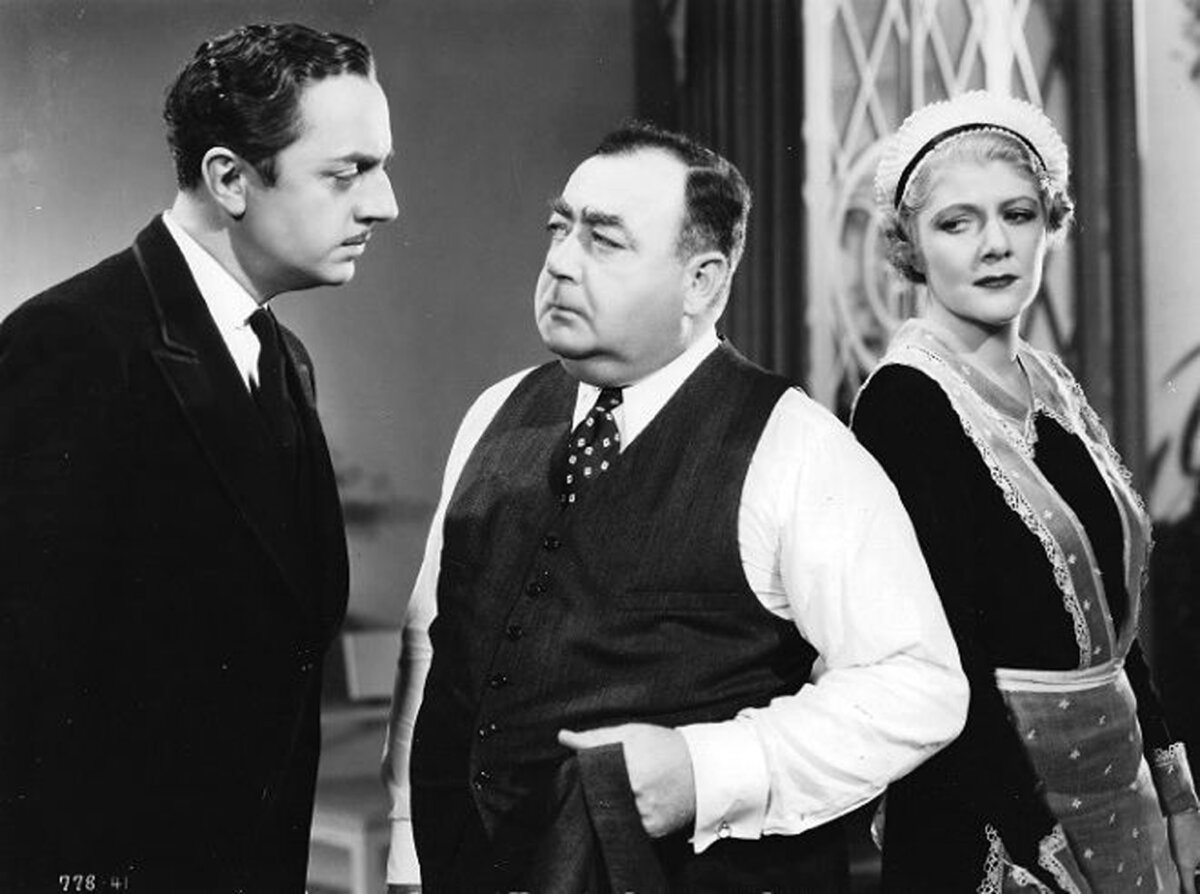
But Irene doesn’t stop there. Infatuated by his calm dignity, she offers Godfrey a job as the family butler. She drags him into a house of chaos. The Bullocks, equal parts ridiculous and oddly lovable, prove to be anything but manageable. Cornelia plots revenge, Irene swoons and fakes fainting spells, and Godfrey somehow remains the eye in the storm.
Beneath his stoic charm, Godfrey harbors a few secrets of his own. As he quietly teaches this spoiled family lessons in grace and humility, he’s not just tidying up the house, but their lives as well. Powell and Lombard’s chemistry crackles, as class roles flip with humor and heart.
No Gimmicks, Just Genius
This classic is a master class in how to weaponize wit and land a message about class and human decency without ever wagging a finger.
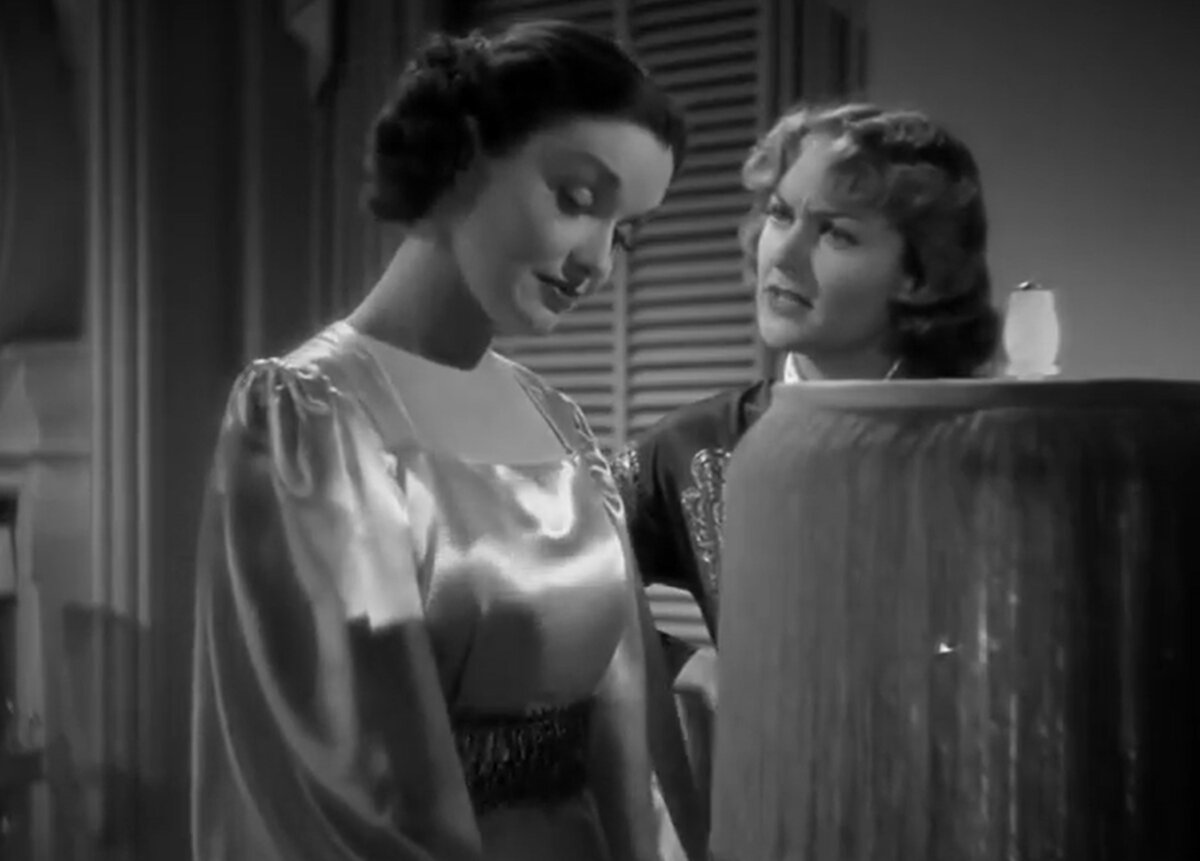
This is comedy without gimmicks—no raunch or cheap innuendo, just pitch-perfect performances and dialogue sharp enough to slice through a top hat. William Powell is peak Powell: dry, debonair, and delightfully exasperated. His Godfrey doesn’t just stand in for the forgotten man—he walks through the Bullock madhouse with the patience of a saint and the irony of a satirist.
Lombard, meanwhile, flings herself full-speed into lunacy as Irene, a lovestruck whirlwind with the logic of a toddler on espresso. It’s one of the great comic performances of the era—maybe of any era—and she somehow makes full-blown unhinged behavior not only tolerable, but oddly endearing.
The supporting cast is a circus all its own: Gail Patrick as the resident ice queen Cornelia; Eugene Pallette as family patriarch Alexander Bullock, growling through his lines like a bull in a suit; and Alice Brady as the most gloriously clueless society wife, Angelica.
The storyline may take a back seat, but that’s exactly where the film wants it; this is less about forward motion than it is about delicious detours. It thrives on spontaneity, character collisions, and screwball mishaps, letting the Bullock household spin like a glittering, unhinged carousel. With a script by Eric Hatch and Morrie Ryskind, the dialogue crackles with energy so sharp and fast, you’ll be laughing over one line just as the next zips past.
For all its whirlwind antics, “My Man Godfrey” lands a quiet but firm punch at upper-crust excess and oblivious privilege. It’s satire with a twinkle in its eye. And somehow, it still feels fresh—proof that smart, snappy writing and well-timed lunacy never go out of style.
“My Man Godfrey” is available on Gan Jing World.
‘My Man Godfrey’
Director: Gregory La Cava
Starring: William Powell, Carole Lombard, Alice Brady
Running Time: 1 hour, 34 minutes
Not Rated [Gan Jing World Rating: 13+]
Release Date: Sept. 6, 1936
Rated: 4 1/2 stars out of 5
What arts and culture topics would you like us to cover? Please email ideas or feedback to features@epochtimes.nyc