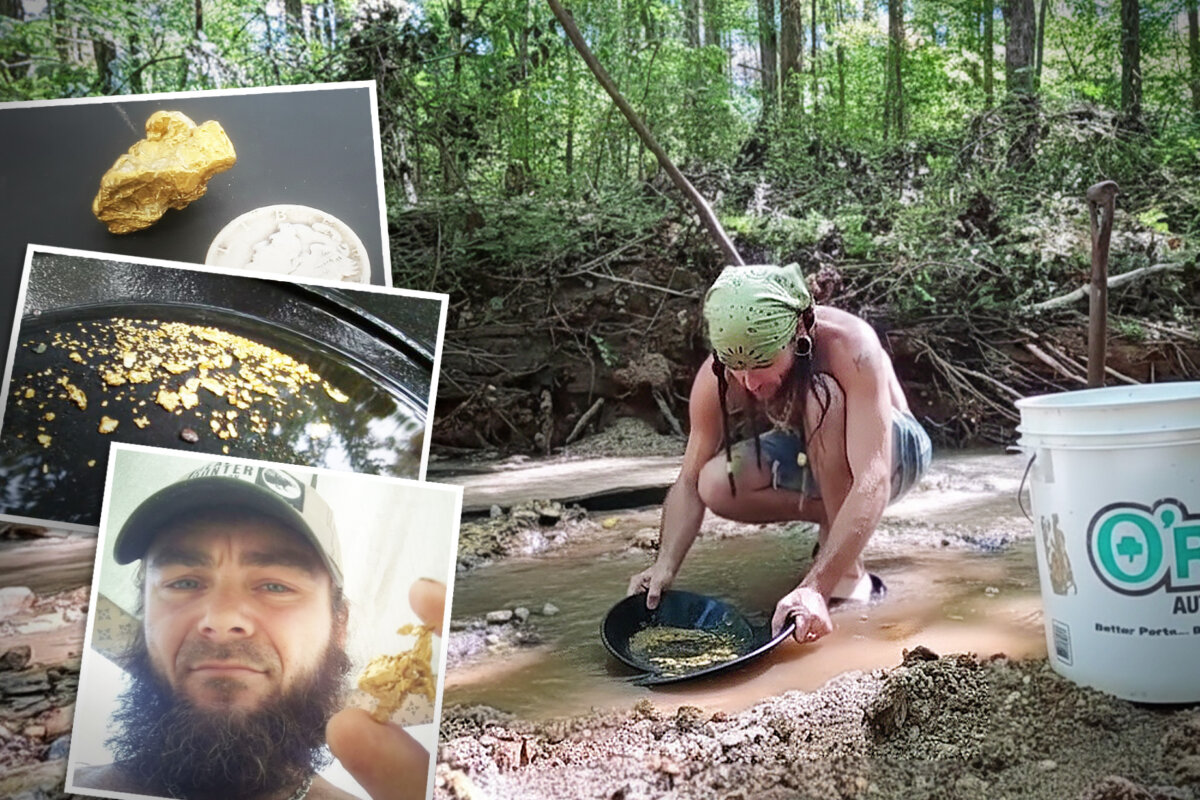
Barefooted, alone, and standing in a creek in South Carolina, Justin Denig is scouring for a resource this secluded and beautiful landscape is famous for in abundance—gold.
For most of his life, Denig, 42, has earned a living by extracting and then selling precious metals and minerals he has found from the ground or in riverbeds. He uses little more than a shovel, a pan, and a sorting device of primordial simplicity known as a sluice box.
He recalled becoming interested in “pirate treasure” as a child, panning for gold in a creek that wound a “horseshoe” around his grandpa’s cabin in the mountains of Tennessee.
“He got me gold pans for my birthday,” Denig told The Epoch Times. “I found gold right there in the creek on the property when I was 12.”
He gradually transitioned from peddling fossils, shells, and crystals in a cardboard box door-to-door as a boy to travelling America semi-nomadically as a young prospector, seeking gold and rare stones. His sole profession has always earned him an income, paid the bills, and even generated fame. Denig has appeared in independent gold-miner TV shows on the Discovery Channel.
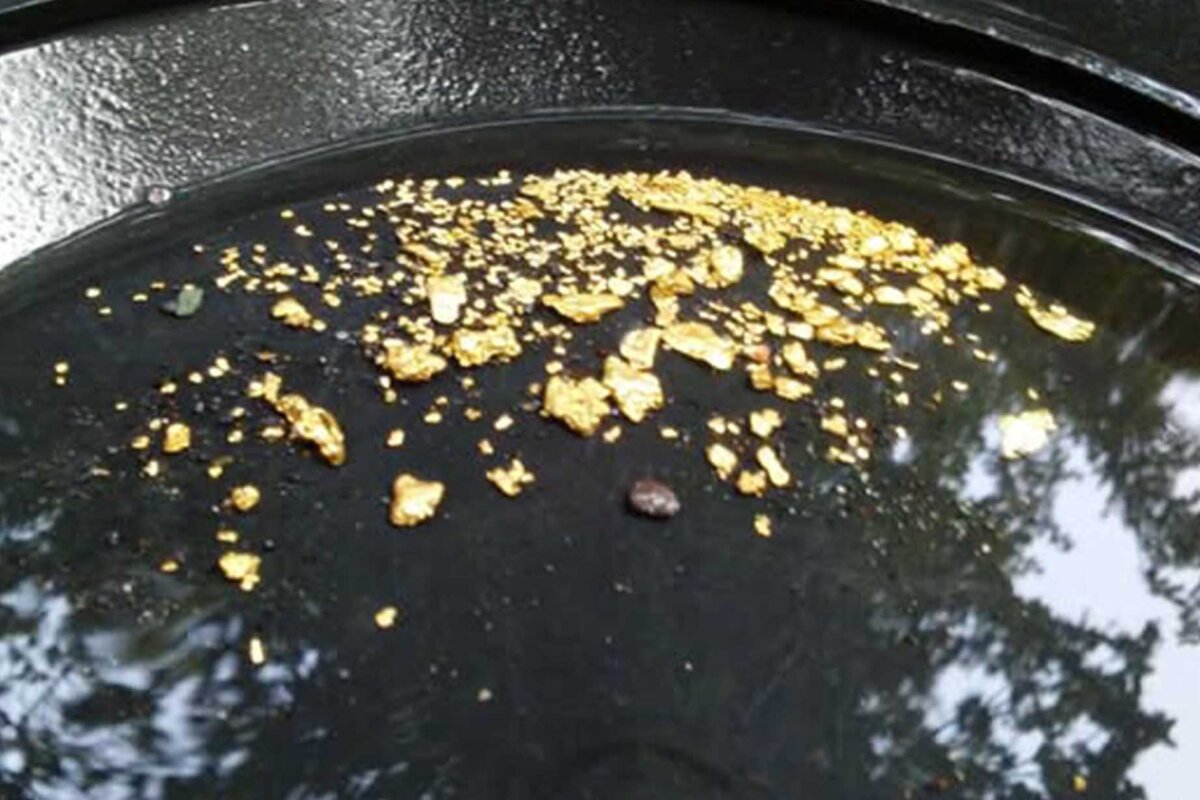
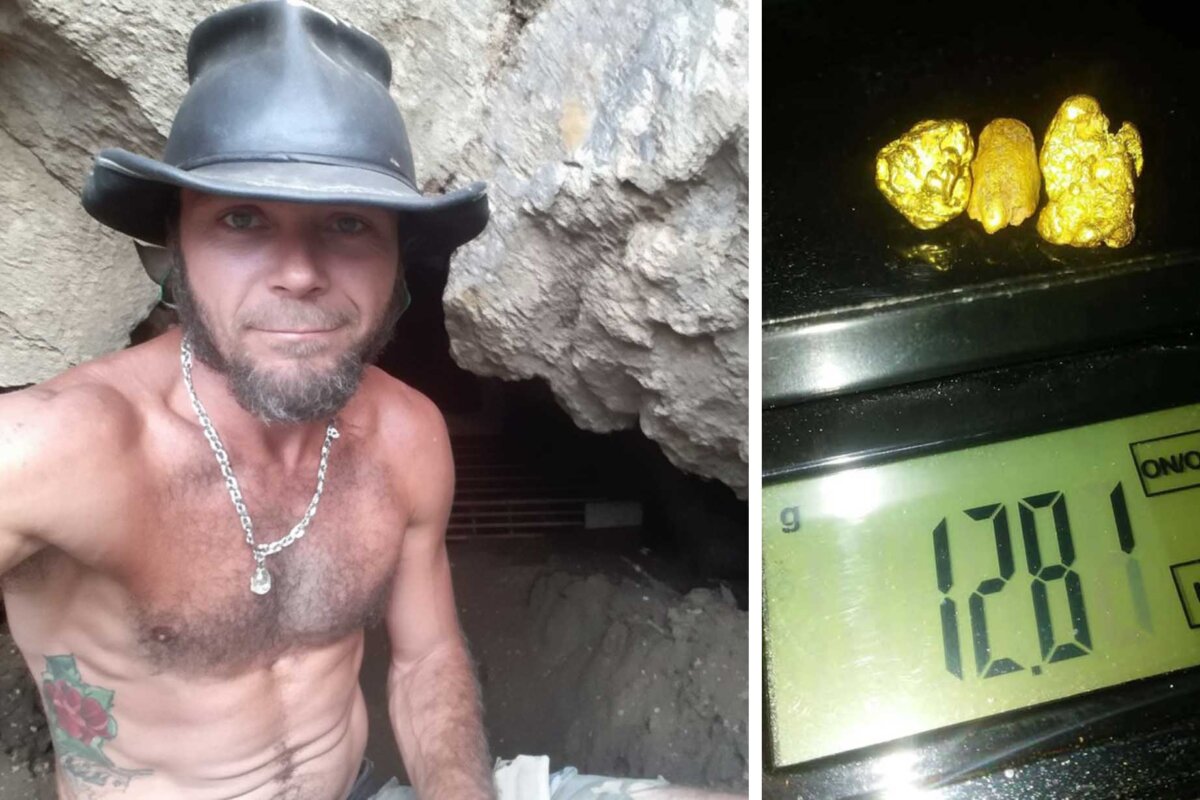
Today, Denig is based just outside Greenville, South Carolina, where he stores his equipment and a bus he converted into a mobile boutique for selling his wares countrywide. But most of the year he’s adventuring, panning in the Appalachians, in riverbeds in California, or at mining sites in Colorado. He’s mined in almost every state in the lower 48.
Lately, Denig is driven by the historic bull run of gold prices. Fueled by intense geopolitics and trade tensions, inflation, and bank instability, gold in 2026 has shattered nominal price records set in recent years. It’s also made the relatively cheap cost of panning equipment better compensated by the gold found in a river. Even a small piece of gold today is worth significantly more than it was in the 2010s.
For Denig it has always paid the bills. He needs about $800 per week to live and roughly an ounce of gold or two each month to survive and thrive. Denig started out meagerly, hitchhiking across the states, but he eventually earned a name for himself by guiding up-and-coming gold prospectors. One day, through his connections in the panning community, he received a call from the Discovery Channel. He’s since appeared in several episodes of America’s Backyard Gold.
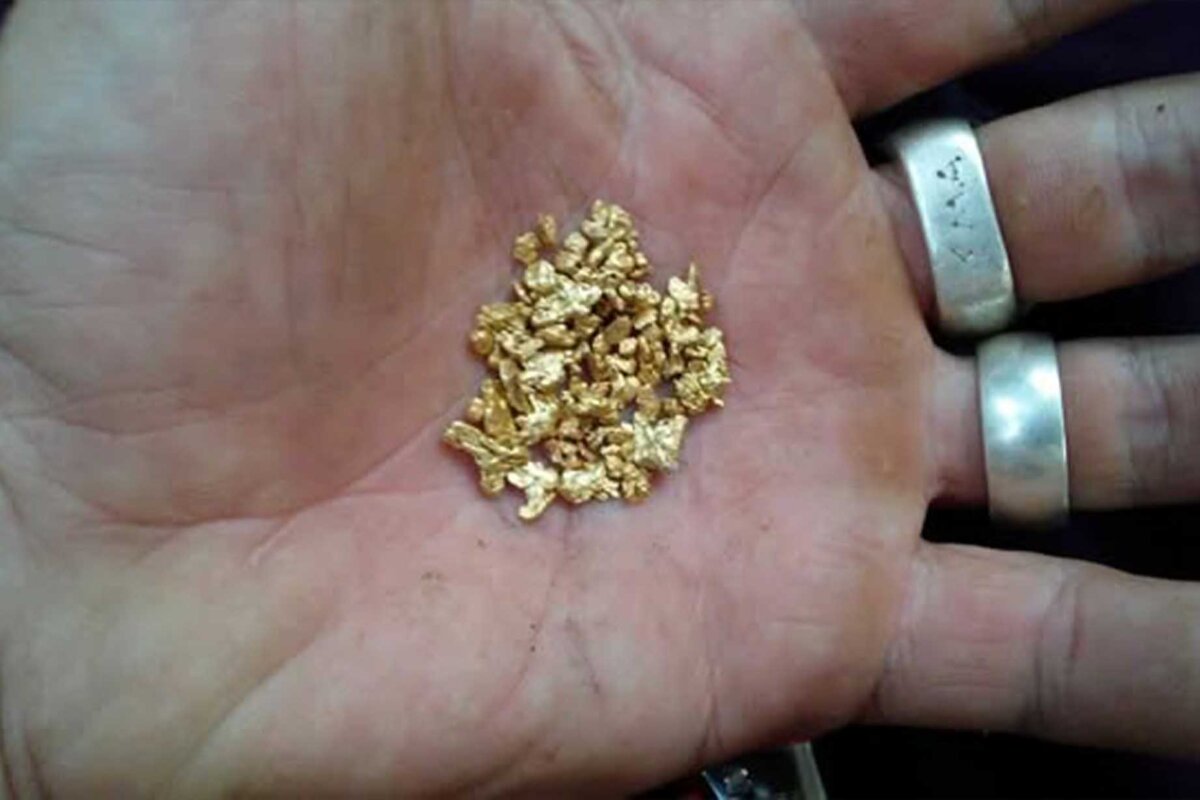
Since garnering some fame in his niche, Denig has built a social media following to help others new at panning. Gold prospecting is looking more appealing to average workers in the present economy. He tells them panning can be simpler than you think or more difficult depending on your life situation; it takes more dedication than many family-oriented individuals may have at their disposal.
He says history offers novice prospectors hints on where to start; many past gold rushes in places like South Carolina and California still have potential. What was considered “low-grade” ore and discarded by early miners could be worth a small fortune in today’s market. Plus, there’s more than scraps to be found: along the Carolina Slate Belt alone, where $4 billion in gold was extracted during the Carolina Gold Rush, it’s estimated that $10 billion in gold remains unmined. Those winding creeks along the slate belt are where Denig spends most of his time.
He begins by pulling up old maps and figuring out where miners were operating historically, to better understand what they’re doing now, he said. He checks local regulations before breaking ground with a shovel to ensure it’s legal.
“You’ve got government land, you’ve got Bureau of Land Management public lands,” Denig said. “Some places you can, and some places you can’t.” But at the end of the day, he says, a miner with good reason to believe he has the right shouldn’t be deterred by every naysayer who says otherwise.
“It’s better to ask forgiveness than it is to ask permission,” he said. Asserting one’s rights is often preferred over asking others to grant them.
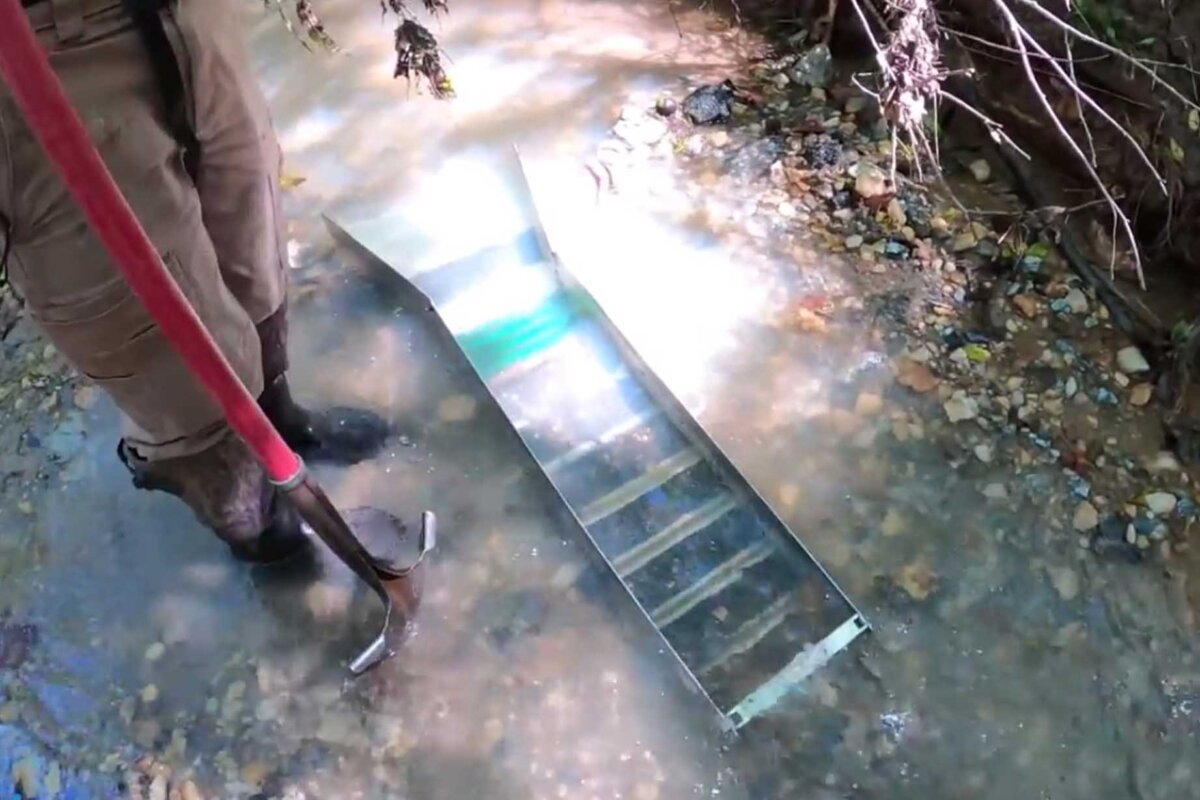
Some newbies may say you need expensive equipment to find gold. Denig only laughs. He uses a milk crate lined with hardware mesh purchased for $15 to serve as a classifier to sift out big rocks, he says (a kitchen colander works just fine, too). Then the finer rocks, sand, and silt that remain—where the precious gold is—will be easier to sort.
He deploys a long strip of scrap metal that he found from a demolition site as a sluice box. “It was a runway for fiberoptic cables,” he said. It doesn’t get any cheaper than that. He’s used similar junk found in old appliances like refrigerators.
This trough-like sluice box is placed in a creek, so water flows through a narrow channel lined with raised ridges. Potential pay dirt is shoveled in upstream, allowing water to wash away rocks and dirt while much-heavier gold particles collect on the ridged bottom. The process mimics the acts of nature.
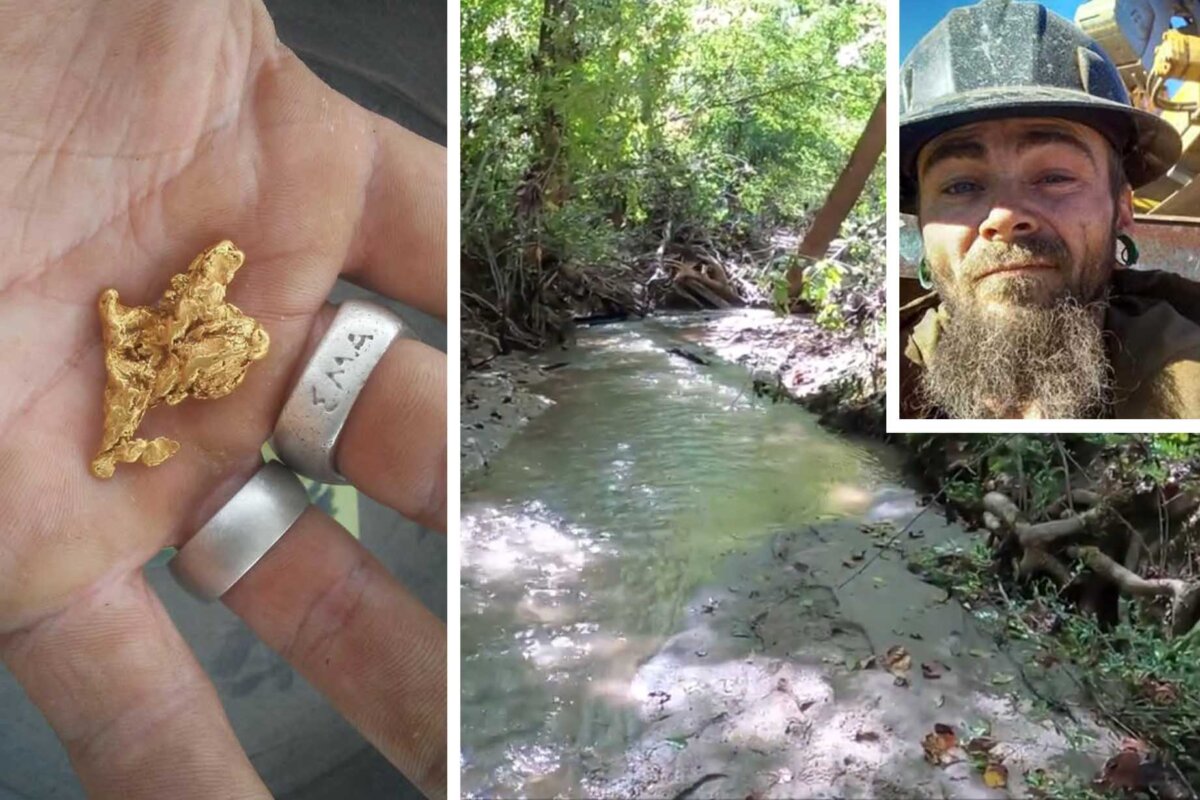
Gold appears in rivers because eroded quartz bedrock, where gold veins form, washes downhill in floods or rivers and then collects as the waters slow and meander. Gold is over 10 times heavier than sand, so it gathers on the inside of riverbends—that’s conventional wisdom, at least.
But over the years, Denig has learned nature doesn’t always follow the rules.
“Gold is where you find it,” he says.
He’s pulled gold from the outside riverbends, too, while neighboring prospectors found nothing mining the inside. It could be right on top of a sandbar or along a dry gully where a river flowed long ago. You just never know.
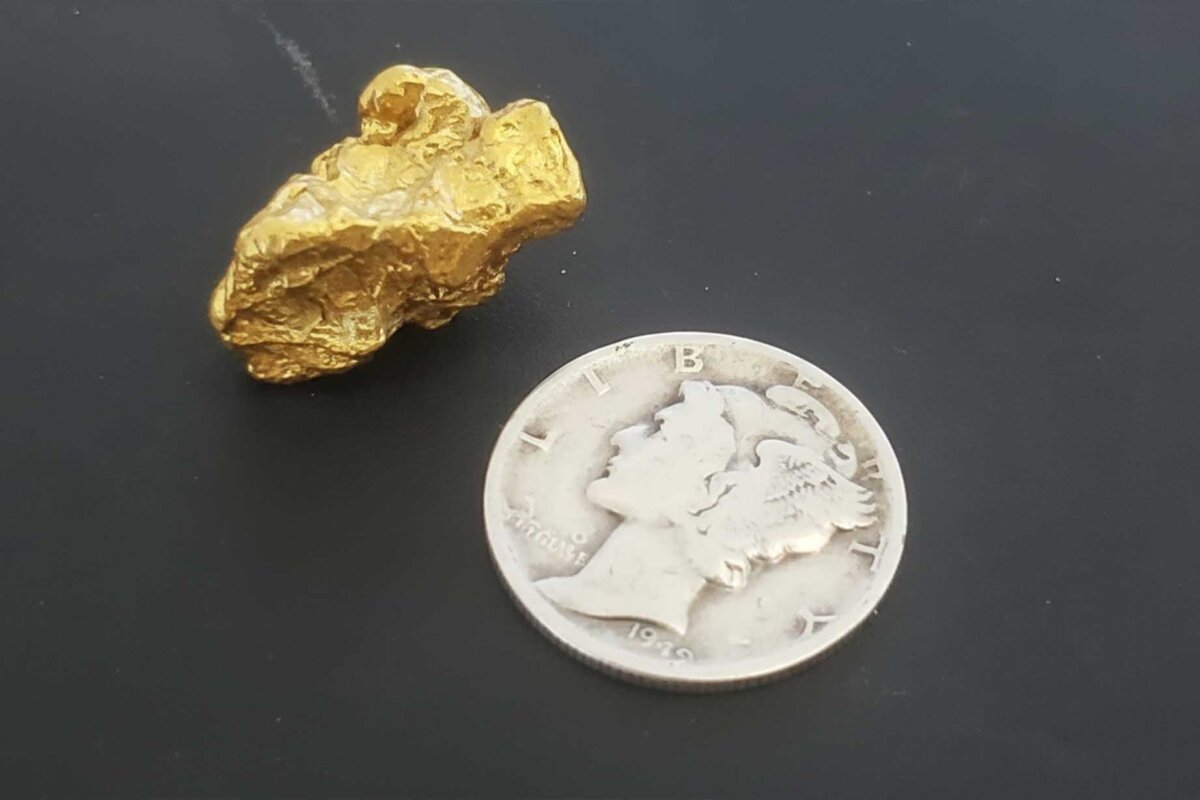
River gold also oozes character and can fetch a far more handsome bounty than bar gold. Impure gold embedded in quartz or a crystalline structure has a “nugget look,” for which buyers will pay multiple times more for than pure gold.
“The gold in quartz is a premium markup if it’s in quartz still,” Denig said. “I get anywhere from 200 percent to 1,000 percent [markup] on certain nuggets.”
It’s “absolutely” a good living, he says, adding that he’s baffled why more people aren’t panning. “The money is out there, I’m sure. I’ve proved it over and over again.”