



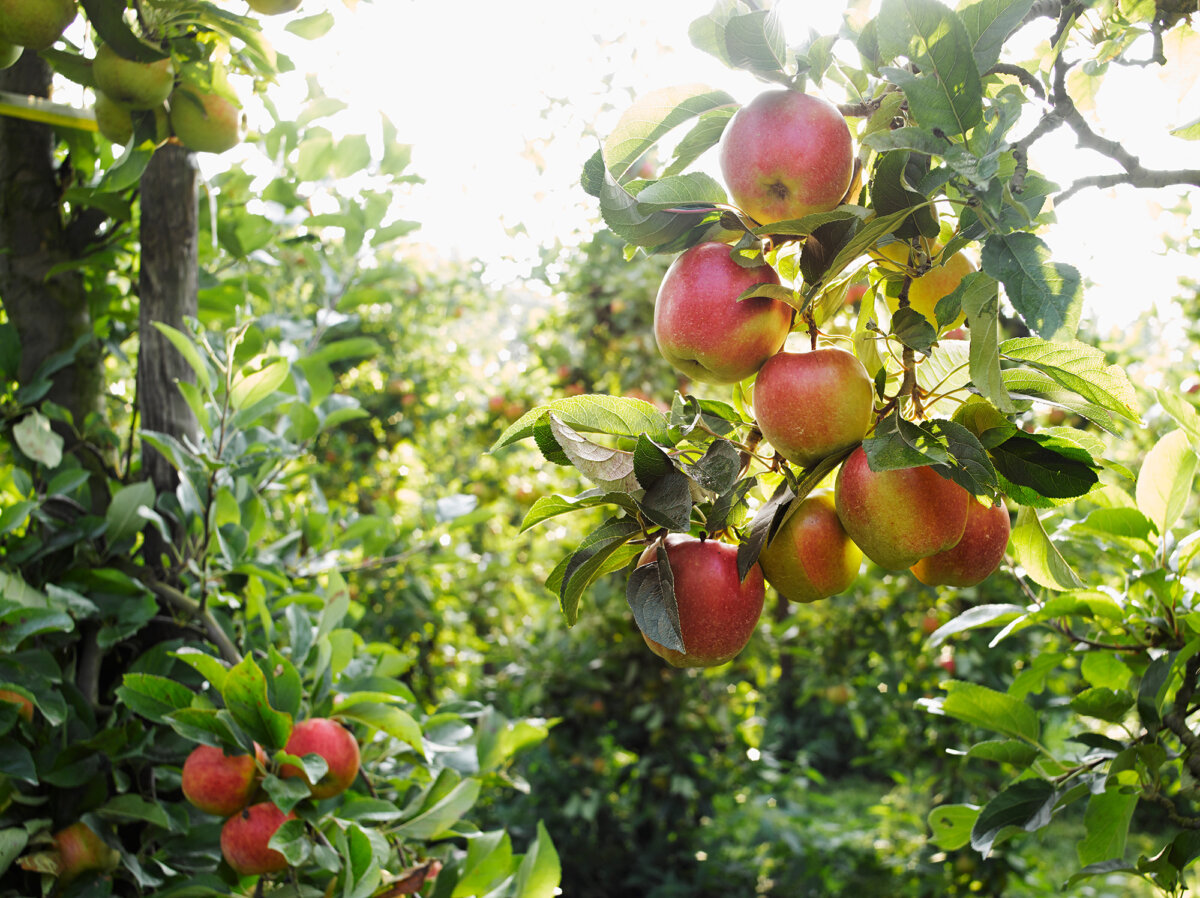
My dreams of growing fruit began as a teenager when I discovered my great-grandfather’s wine press in the basement of my aunt’s house in Boston. Nearly all of the wood was rotted away, but the enormous metal screw and press plate were still intact. Forest green glass bottles and mice-chewed corks sat collecting dust on the floor. It was one of the coolest things I’d ever seen.
Even though I never met him, the picture of my fresh-off-the-boat Italian immigrant great-grandfather pressing wine from grapes he grew in his small backyard is forever cemented in my mind. My mother recalls visiting “Nonno” in the summer and sneaking a few ripe grapes when he wasn’t looking. These are the images and memories that inspired me to start growing my own fruit. The only difference is that I’ve chosen apples over grapes.
Inspired by Apples
When my wife and I began searching for a homestead in 2021, the first property we looked at was a small house in Hubbardston, Massachusetts. On the drive home after the showing, I got a good look at the “Welcome to Hubbardston” sign and was struck by the enormous, bright red apple painted in its center. “What’s that about?” I wondered.
As I researched, I discovered that the town had invented its own type of apple in the late 1700s: the Hubbardston Nonesuch, one of the oldest varieties in the nation. As depicted in the sign, the apple is brilliantly red. “Nonesuch” is an Americanization of the French term “nonpareil,” which is used to describe objects of high quality. An all-around crowd-pleaser, this apple is great for desserts, cider making, and fresh eating. Although we ended up moving to New Hampshire, I knew I needed to have a Hubbardston Nonesuch in my orchard. My fascination with heirloom apples had begun.
Unfortunately, this particular apple tree has proven trickier to find than I expected. Many nurseries grow them, but bare root trees aren’t often for sale, and the ones that do become available are quickly snatched up. Still, I hold out hope. In the meantime, I will focus on the trees I do have.
What Pruning Teaches Us
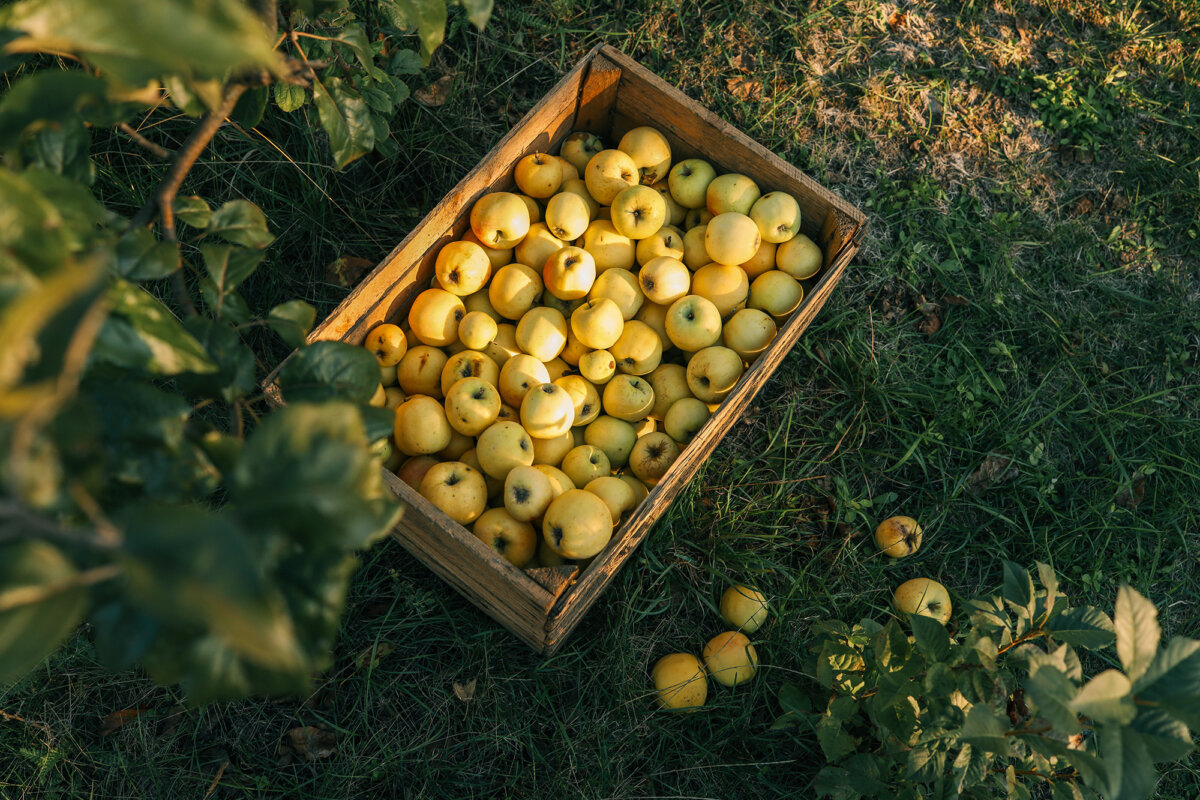
Starting my orchard took longer than I would’ve liked. I spent my first two summers clearing the invasive beech grove away from the ridge where I wanted to plant the apples. The spot gets a decent amount of sun, but some larger trees still need to be removed before the ridge gets the full light the apples need to really thrive.
With the smaller brush out of the way, I was finally able to plant my first row of six trees in the spring of 2024. They are now entering their third growing season, which I’ve been both dreading and looking forward to. Why, exactly? Because 2026 is the year I needed to start pruning my trees.
Granted, I should have started much sooner, but it was difficult to wrap my head around the idea that cutting away parts of the tree actually helps make it healthier. Thankfully, I recalled a former pastor’s sermon in which he compared removing unhealthy habits in our own lives to the act of pruning a tree. Thinking in those metaphorical terms has made it a lot easier to bring my pruning shears to the branch.
The whole idea behind pruning at this early stage is to train the young trees to develop a strong scaffold that will support the eventual fruit. This means choosing the strongest leader branches and removing those that are lanky, crossing, damaged, or diseased. I was fairly aggressive with my larger trees, while I pruned the smaller ones very lightly. We’ll see how they respond as spring gets underway.
It will take a few more years for the trees to start producing fruit. Much like my great-grandfather’s grape growing, growing apples is a long game that doesn’t end with the first harvest. It’s an ongoing relationship between an orchardist and his trees. Pruning is just one part of ensuring this long-term investment will pay off.
My hope for the orchard is that my kids will soon be running through it, picking apples to snack on as they adventure around the farm. I hope, too, that someday I will see grandchildren and, God willing, great-grandchildren joyfully picking from those same trees. I hope to give bottles of cider away as gifts to family and neighbors, just as Nonno did with his homemade wine.
You see, growing fruit is about more than just growing fruit.
________________________
Meet Ryan’s Apple Trees
Allow me to introduce you to my orchard! I purchased these trees from Fedco Seeds, an organic and heirloom garden and orchard company based in Maine that specializes in varieties capable of withstanding New England’s weather. All are semi-dwarf trees on MM.111 rootstock and will grow to a height of about 15 feet. Here are the six trees I’ve planted so far:
Wickson: Developed in the 1940s by Albert Etter, this tree grows with small, red-fleshed fruit perfect for making colorful and tart ciders.
Black Oxford: An heirloom variety developed in Oxford County, Maine, in 1790. It has deep purple skin and buttery flesh that is perfect for making apple sauce.
Honeycrisp: A great, cold-hardy variety from the University of Minnesota and my children’s absolute favorite apple. They are sweet and crisp and will grow on an annual cycle.
Esopus Spitzenburg: Said to be one of Thomas Jefferson’s favorite apples, the “Spitz” is an heirloom apple created in Esopus, New York, in the early 18th century. Since then, it has continually ranked as one of the best fresh-eating apples there is.
Redfield: Another New Yorker, this apple is deeply red both inside and out. Highly tart and acidic, it is prized for making hard cider.
Liberty: Although not an heirloom, the Liberty apple is nonetheless prized for crisp flavor and resistance to numerous diseases, including scab.
I have plans to add many more apples (including my Hubbardston Nonesuch), as well as peaches, cherries, and maybe a pear or two. Stay tuned!
Notes from Owl Hill is a new homesteading column written by longtime Epoch Times lifestyle and features writer Ryan Cashman. Follow along as he and his family tap maple trees, plan gardens, tends to a growing flock of sheep, fix up their historic farmhouse, and ruminate on the challenges and rewards of homesteading on a small, rocky hillside in rural New Hampshire.
