



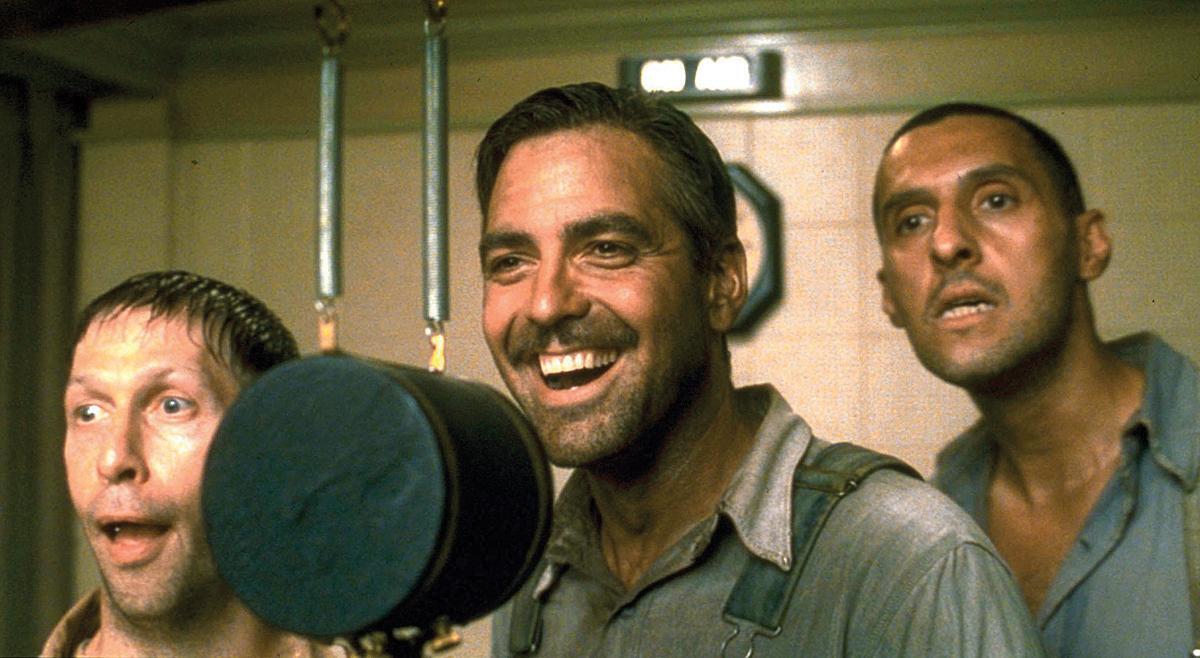
Since the 2000 debut of “O Brother, Where Art Thou?,” the soundtrack became as memorable as the film itself. Chronicling the Odyssean tale of main character Ulysses Everett McGill (played by George Clooney), the Depression-era plot set in Mississippi is accompanied by a roots-music score featuring artists from Alison Krauss to the fictional band, The Soggy Bottom Boys.
Bluegrass musician Dan Tyminski was an essential force behind the soundtrack, laying down vocals and guitar for its signature rendition of the Southern standard “I Am a Man of Constant Sorrow.” When he attended the Grand Ole Opry’s tribute to the film’s music, it gave him an opportunity to look back on a project he once said left him “dumbfounded.” Before the awards and accolades began pouring in for “O Brother, Where Art Thou?” just over 25 years ago, he recalls being shocked by its initial success: “I just remember being blown away by how popular it was.”
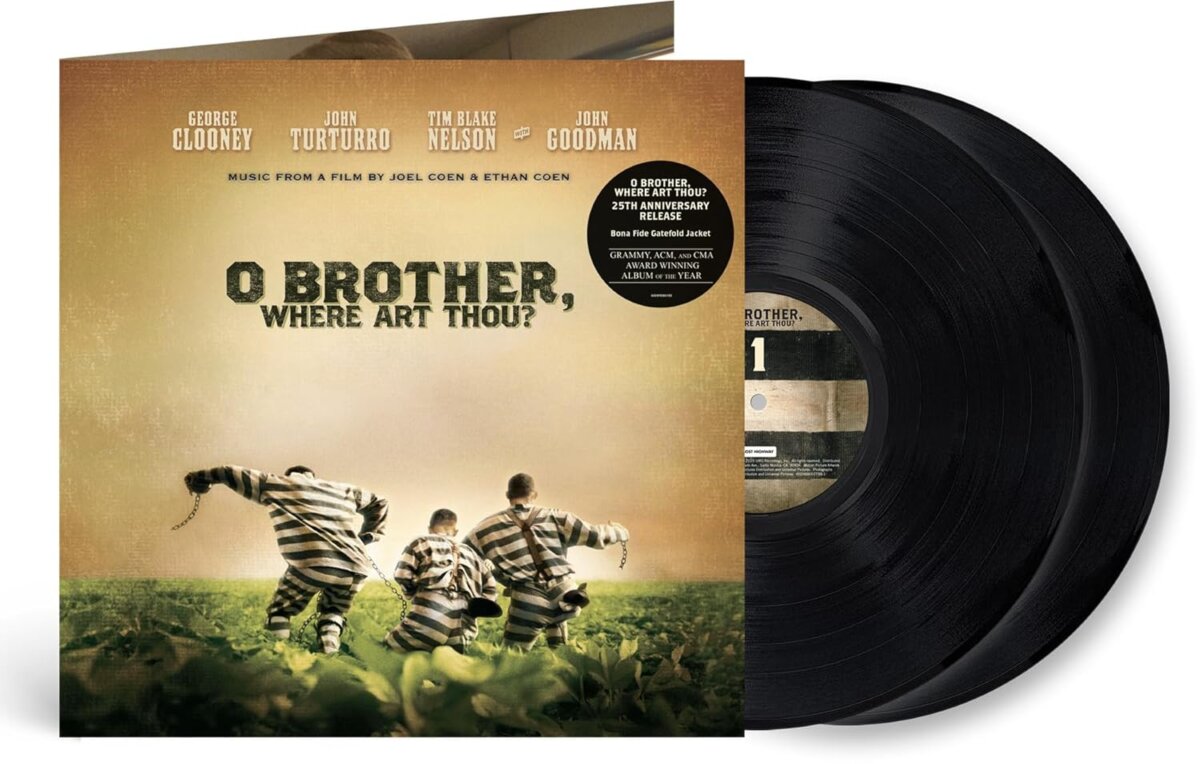
A special edition, 25th-anniversary soundtrack of the 2000 film “O Brother, Where Art Thou?” ( Lost Highway/Interscope)
A Roots Music Revival
Tyminski is a longtime member of bluegrass band Union Station, a group that has performed and collaborated with country singer and violinist Alison Krauss since the late 1980s. Krauss contributed a notable recording of the American spiritual “Down to the River to Pray” to the soundtrack. Tyminski’s involvement came when Union Station’s band manager recommended his vocals for the singing parts of Clooney’s character, McGill, the frontman of the film’s bluegrass band, The Soggy Bottom Boys.
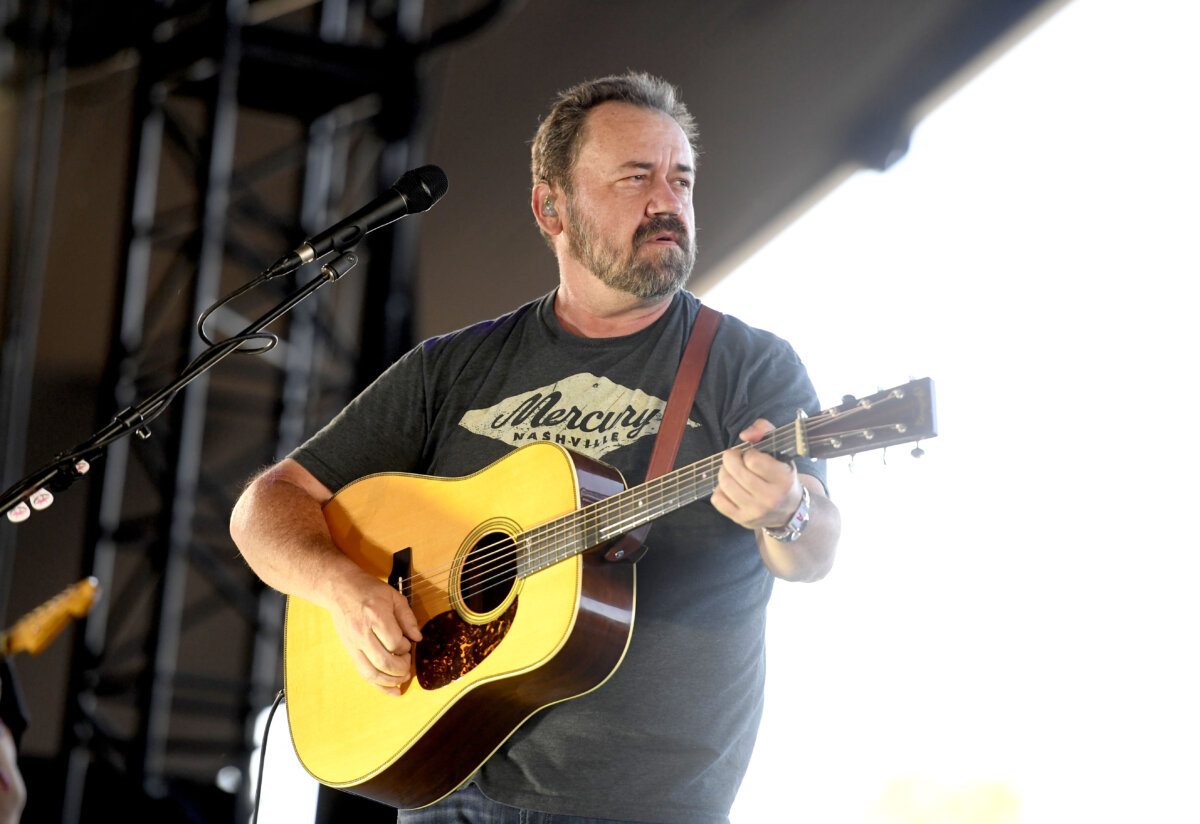
In a single studio session, Tyminski provided down-home acoustic guitar and a vocal performance that acted as the catalyst for one of the movie’s pivotal scenes, when Clooney lip-syncs to Tyminski’s twang-filled version of the bluegrass classic “I Am a Man of Constant Sorrow” at a radio station. The recording was a cornerstone of the film and soundtrack, sparking a Grammy win for Best Country Collaboration with Vocals in 2002, among a host of other awards.
“I just remember being blown away by how popular it was,” he shared with the Charleston City Paper after the film’s meteoric rise. “I’d been playing that music my entire lifetime, and I’d never seen it affect people so much. I was dumbfounded at how many people from different genres of music took to that soundtrack.”
A Convincing ‘Elevator Pitch’
Producer T Bone Burnett guided the entire process of production for the 19-song soundtrack. He hopped on board after sibling-directors Joel and Ethan Coen, who also wrote the script, pitched him the project and highlighted the bigger role the soundtrack would play outside of the film.
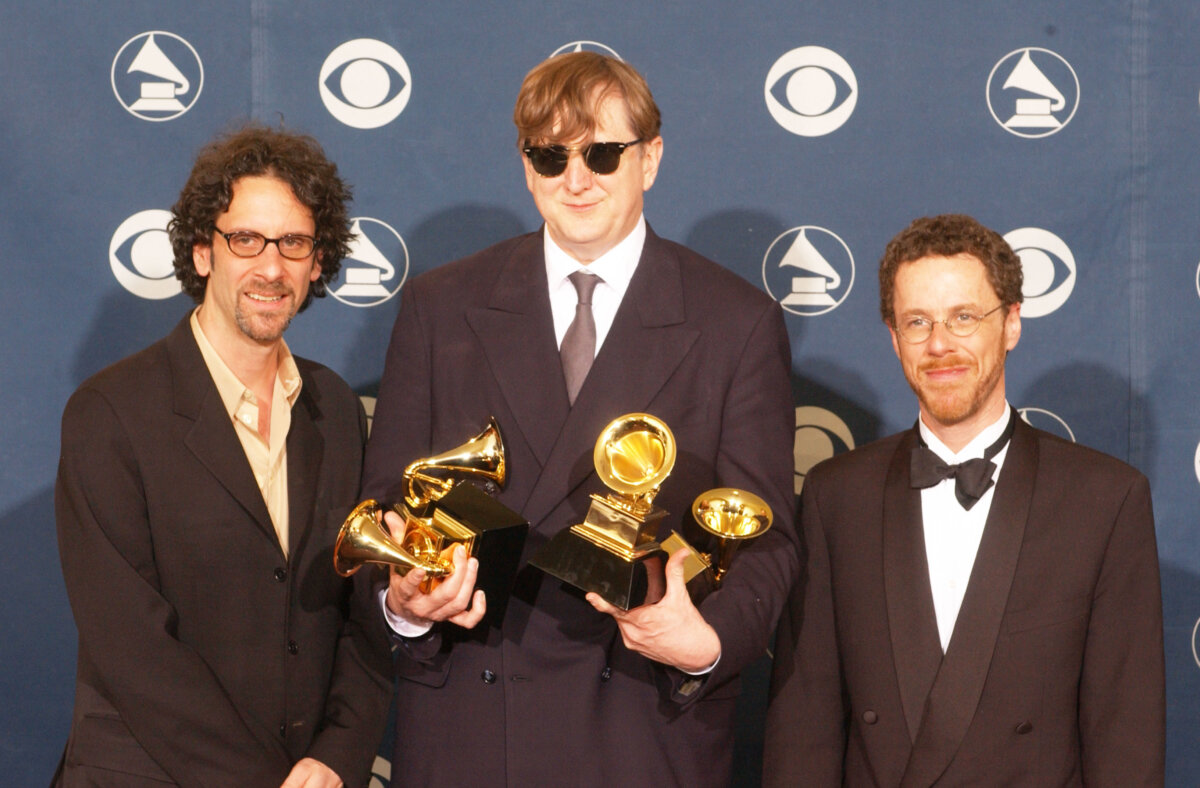
“When I first got the call from Joel and Ethan [Coen], they said, ‘Would you like to make a movie about the history of American folk music?’ That was their elevator pitch, I suppose you would say,” Burnett shared with Billboard magazine. “And it was an all-consuming, immersive experience for like two or three years.”
Though “I Am a Man of Constant Sorrow” became the soundtrack’s lead single, the full track list serves as a tribute to the history of American roots music, from folk and blues to country and bluegrass. Standards like “You Are My Sunshine” and “I’ll Fly Away” are featured along with performances by roots music veterans such as John Hartford, Ralph Stanley, The Cox Family, and Gillian Welch.
Burnett’s commitment to honoring the melodic pillars of traditional roots music while introducing it to a contemporary audience earned him a Grammy for Album of the Year. While the soundtrack served as the emotive backdrop for Ulysses Everett McGill’s search for riches and redemption, Burnett always had another idea in mind for the star-studded album. And the idea finally came to fruition a quarter-century later, when the Grand Ole Opry held a special event celebrating the film’s continued legacy.
Celebrating a Cultural Milestone
The Grand Ole Opry stage is surrounded by 4,400 seats. But each performance is broadcast on radio stations capable of reaching a worldwide audience. The Opry show is recognized as the longest running radio show in history. And that’s what Burnett had in mind as he recorded the “O Brother, Where Art Thou?” soundtrack at Sound Emporium Studios in Nashville. Decades later, on Feb. 28, artists and fans gathered for a one-of-a-kind live event, “The Grand Ole Opry Celebrates 25 Years of “O Brother, Where Art Thou?,” and Burnett saw his idea finally take shape.
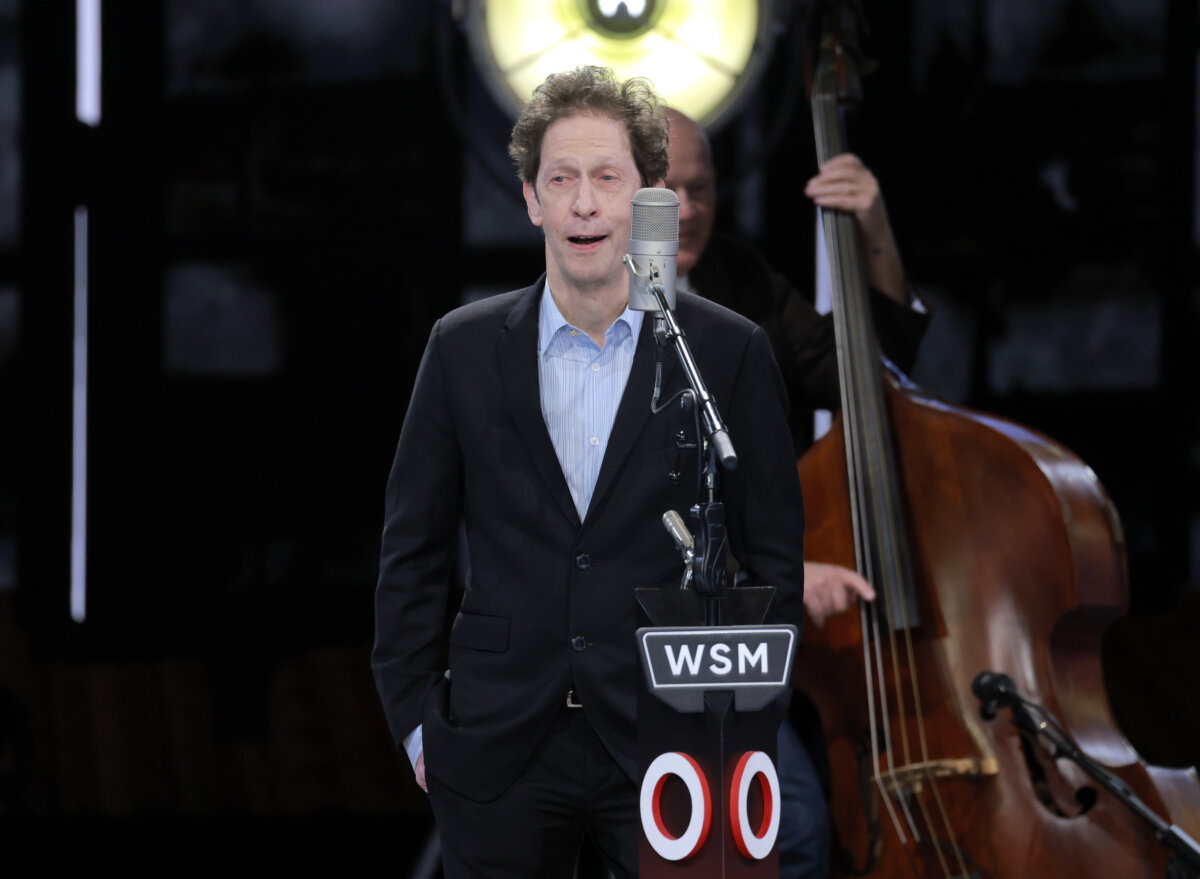
“I’m glad we are finally getting to turn this into a radio show,” he said of the night’s various live performances, “which is what we were trying to do in the first place, trying to do a ’30s radio show.”
Some of roots music’s most popular artists took the stage to perform songs from the soundtrack. Billy Strings, Del McCoury Band, Alison Krauss, and Molly Tuttle were just a few to grace the stage and celebrate the film as a cultural milestone that revived a love of American roots music across the nation. Tyminski once again delivered a commanding performance of “I Am a Man of Constant Sorrow.”
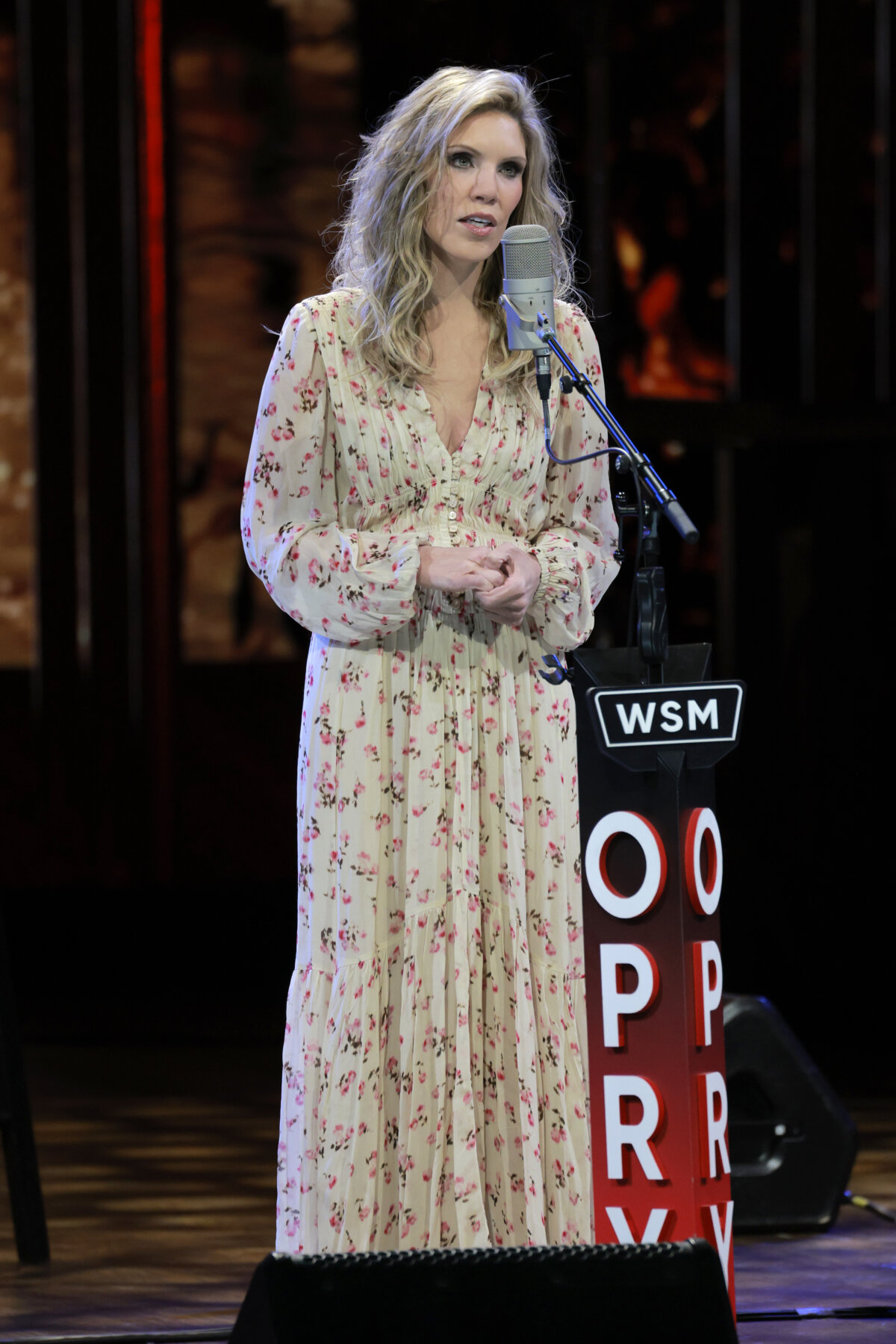
Though his work on the project helped him become a mainstream figure in the country music scene, he told Whiskey Riff that the greatest reward has been the fans.
“Tyminski says one of the best benefits of being in the iconic film is the fact that people still come up to him to this day and thank him for helping them get into country and bluegrass music,” the publication noted. “That, he says, is more valuable than any of the royalties he’s received for lending his voice to “O Brother, Where Art Thou?”
Influencing Generations
Over the years, the “O Brother, Where Art Thou?” soundtrack has sold over 8 million copies, certifying it platinum eight times over. It also spent two weeks at the top of the Billboard 200 chart.
Tyminski needed just one studio session to record the No. 1 song, but finding the right sound took some experimentation. At first, the production team had Tyminski singing over another musician’s guitar work. Still not pleased with the sound, the bluegrass player sat down with his guitar and started playing “I Am a Man of Constant Sorrow” to stay inspired. He lowered the guitar tuning to make it “swampier sounding,” he shared in an online post. When production heard his guitar playing, they knew they found their sound.
But they were new to Tyminski’s talents, and someone asked a question that made him laugh: “Can you play and sing at the same time?”
“It was the first time I’d ever been asked that question because that’s what I do for a living,” he joked.
When Tyminski stepped foot into the studio to record “I Am a Man of Constant Sorrow,” he never imagined his contribution would influence future listeners. “I played this song and then had no idea it was gonna touch generations of musicians,” he reflected. “I’m still seeing the influence from this movie today. 25 years. Hard to imagine.”
What arts and culture topics would you like us to cover? Please email ideas or feedback to features@epochtimes.nyc
