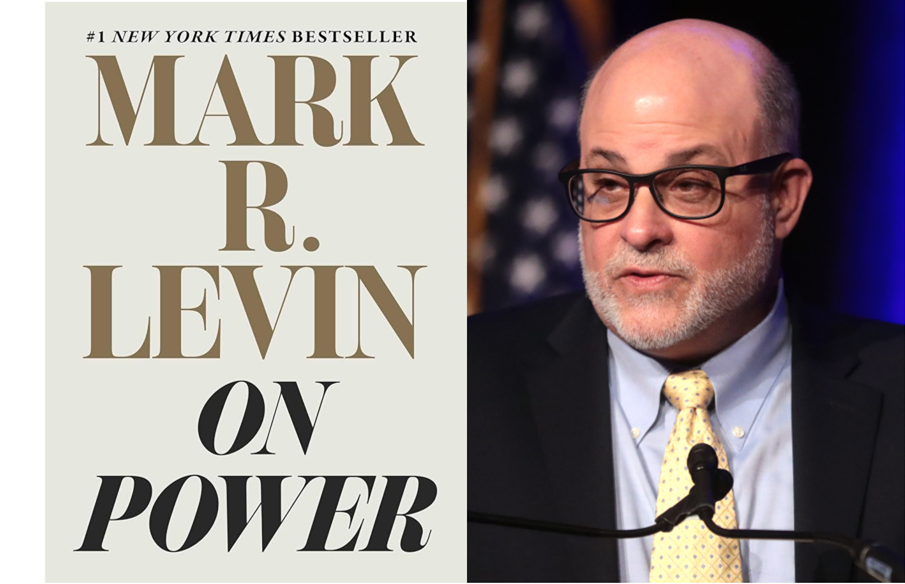
In 1887, English historian and moralist Lord Action wrote, “Power tends to corrupt and absolute power corrupts absolutely.” Defined simply, power is about control.
Power is binary: negative power and positive power. Societies prosper or suffer depending upon the type of power their government wields. Negative power benefits a ruling class, whereas positive power affects the well-being of the governed.
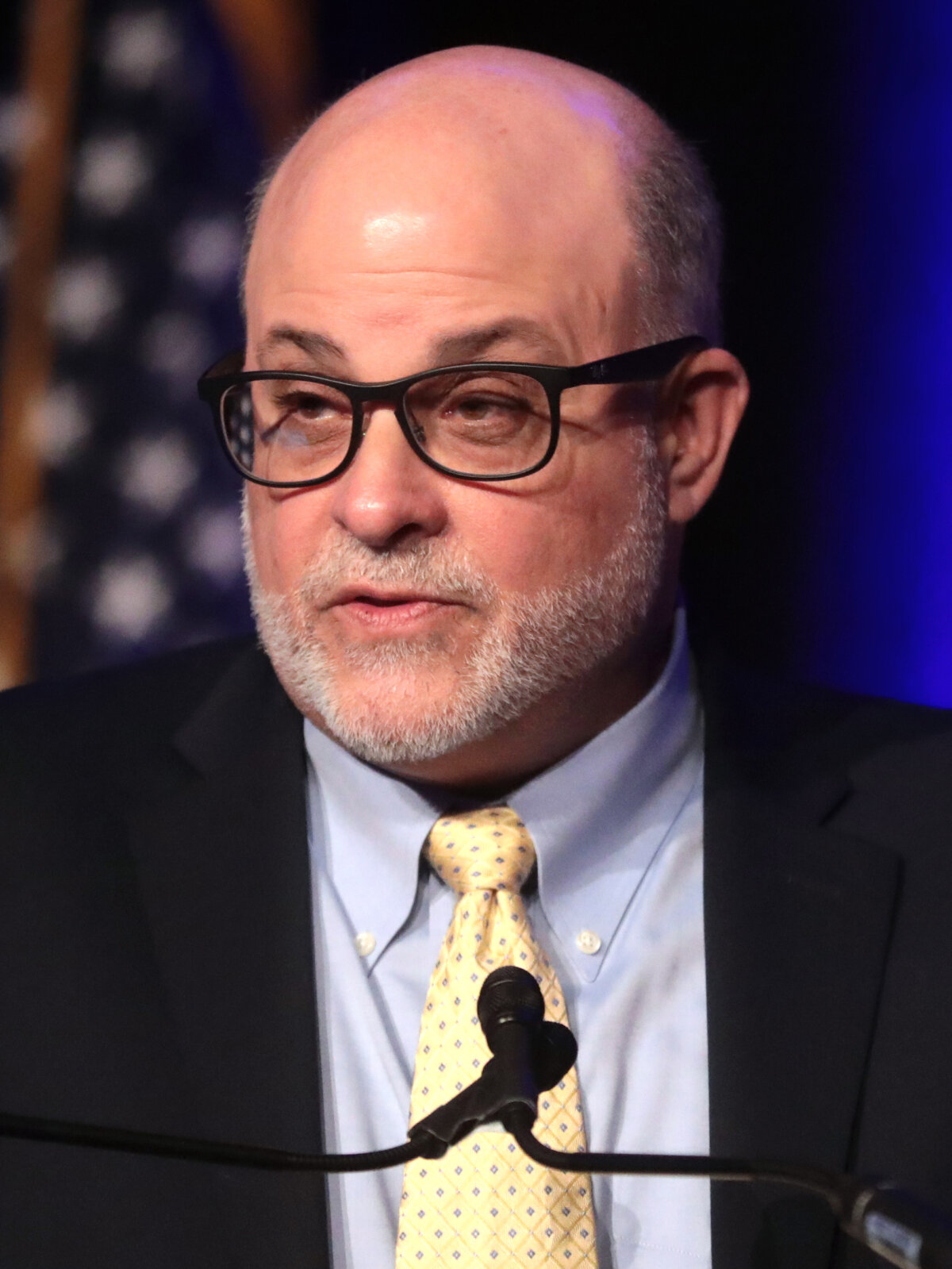
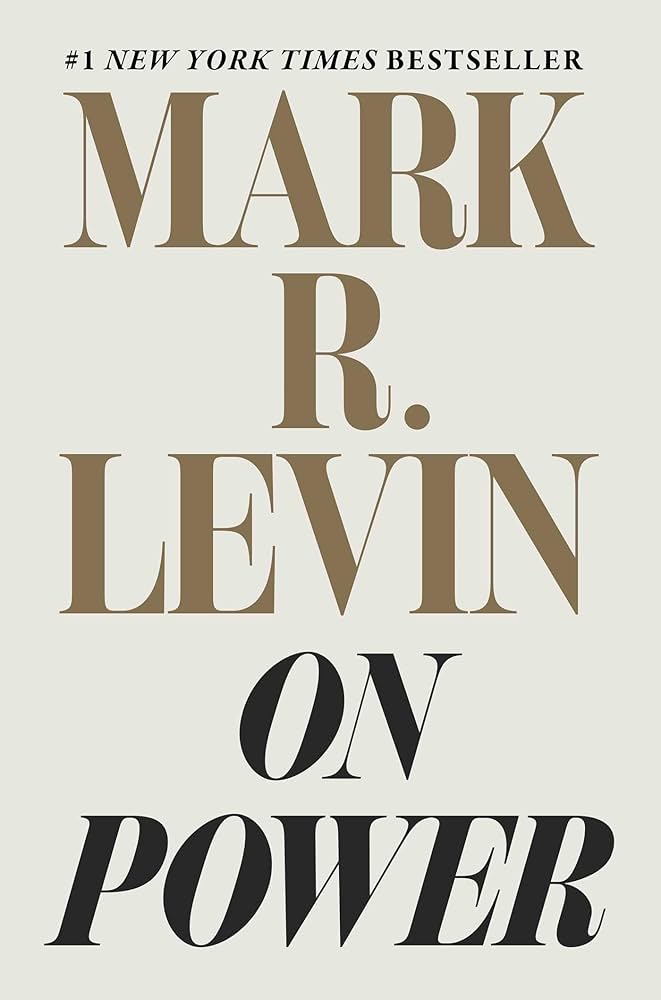
In his brilliant book ‘On Power,” nationally-syndicated radio talk show host and bestselling author Mark Levin invites readers to an engaging literary discussion probing the meaning, purpose, and implementation of both types of power. Specifically, Levin analyzes how power affects societies in general and, specifically, the liberty and rights of citizens.
A prominent constitutionalist and conservative commentator on Fox News, Levin masterfully guides readers through the wisdom and writings of ancient philosophers, American history, and current events. He brings attention to the time-tested theory that power left unchecked ultimately leads to tyranny.
Negative Power
In his chapter addressing negative power, Levin notes that negative power is disconnected from the values and morals found in the Bible, and during the Reformation and Enlightenment periods. Its purpose is to devour and control populations, not serve them.
For those engaged in negative power, “It is critical to restrict speech and debate, manipulate language, and manufacture new meanings for existing words and new words with self-serving meanings,” Levin wrote.
Levin cites communism, fascism, and theocratic regimes like Iran as examples of governments that exercise negative power to control citizens. But he also warns that soft negative power is used by some modern Western societies, including America.
He references progressive presidents like FDR and Woodrow Wilson. He explains how those administrations used intellectual elites, self-appointed experts, and social engineers to create a non-elected bureaucracy to accumulate power and centralize the federal government.
A contemporary example of soft negative power employed by government was the COVID-19 vaccine mandates and previous mandatory guidelines regarding diversity, equity, and inclusion practices.
Drawing on a vast array of historic figures, the author shared the 1840 warning of the French political scientist and historian Alexis de Tocqueville. De Tocqueville wrote that a massive administrative state could be America’s downfall as a democracy.
Positive Power
Positive power recognizes God as the sovereign who bestowed life, liberty, and inalienable rights to people. Unlike negative power, positive power focuses on the people’s security and well-being, not on the rulers or political elite.
At its root is the fusion of faith and enlightenment. The author notes the Founding Fathers drew heavily upon these when crafting the Declaration of Independence and the Constitution.
Levin contrasts that approach by comparing it with political Islam and Marxism, emphasizing that neither political philosophy recognizes individual liberty or free speech. Both use coercion to oppose Western enlightenment and American ideals.
“Conformity and uniformity of belief and behavior are essential to Marxists and Islamists, as well as other forms of autocratic enforcement,” he wrote.
The author notes those same traits of demanded conformity are found on today’s college campuses among those supporting the eradication of Israel, America, and opposing Judeo-Christian principles.
In his chapter on language, Levin noted that free speech is a requisite in healthy democracies and a valuable counterweight to forced uniformity of thought and belief. “Again, positive language emphasizes the power “to,” whereas negative language emphasizes the power “over.”
Free Speech Under Assault
Free speech is under assault in America and other Western democracies, Levin notes, but unlike in more closed societies it does not entail violence. Rather, free speech is tarnished with words like “disinformation,” “misinformation,” and “mal-information.”
Levin notes, however, that democracies suppressing free speech share many of the same traits as closed societies. “It employs intellectual suppression, silences dissent, and seeks to enforce ideological conformity through language and discourse control.”
He also addresses how those employing negative power frequently use repetition in speech and print to control others. “What is the purpose of the repetition?” and “What behavior is being discouraged or encouraged?” he asked. The answer reveals whether negative power or positive power is being employed.
Levin wrote the book with the goal of encouraging discussions on how power is applied, why its applied, and how it affects our liberty. The opening chapter explains that power is an omnipresent force or energy that affects individual rights and society’s laws. He claims that it is consequential in every imaginable way.
Equal parts tutorial and warning, “On Power” is a significant reminder that autocrats have exploited liberty for centuries to empower themselves at others’ expense. Athens, Rome, and other democratic societies have failed in their effort to thwart centralized power.
Levin believes that America must remain vigilant against those who would dare to use our God-given rights and freedoms against us to empower themselves.
‘On Power’
By Mark R. Levin
Threshold Editions: July 29, 2025
Hardcover, 208 pages
What arts and culture topics would you like us to cover? Please email ideas or feedback to features@epochtimes.nyc