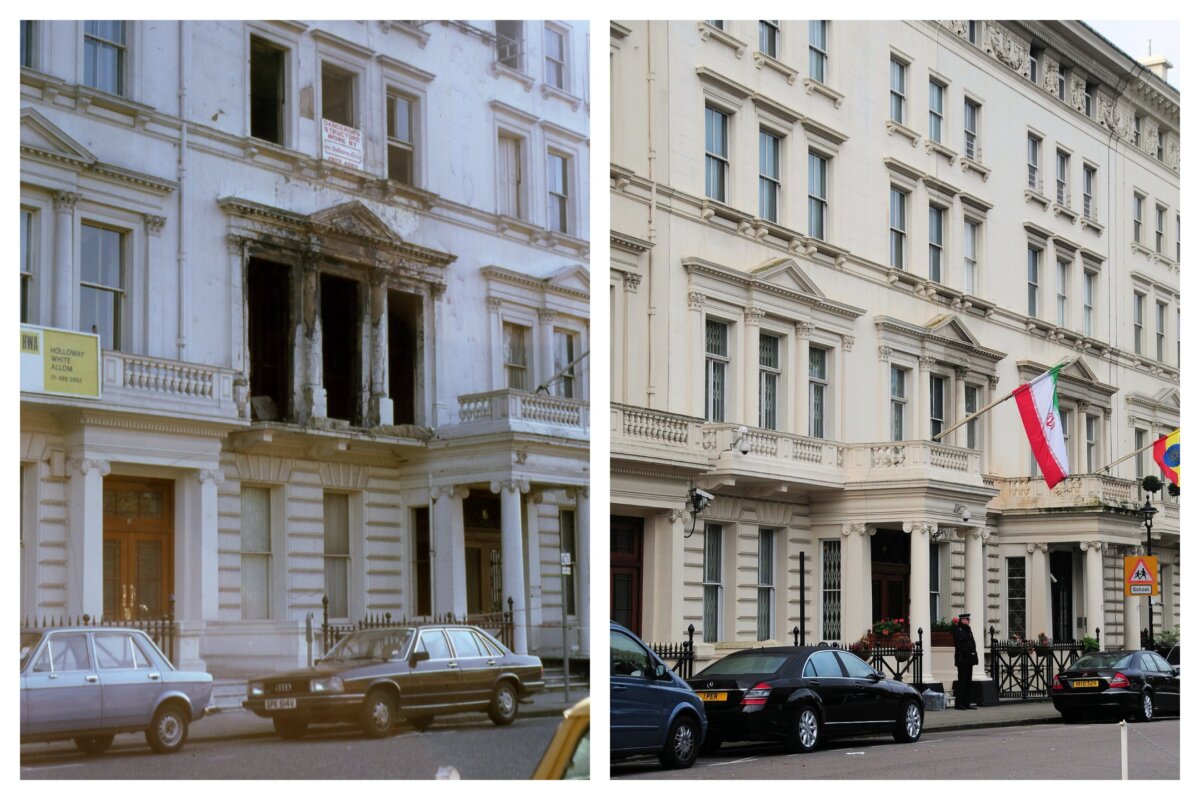
During the spring of 1980, six gunmen took over the Iranian Embassy in London and held dozens of hostages. Police first tried to handle the situation peacefully. Negotiations soon reached a stalemate.
The elite British Special Air Service (SAS) knew that they would have to take matters into their own hands. The SAS rescued all but two hostages and either killed or arrested all six gunmen.
After the Iranian Revolution in 1979, tensions stayed high in Iran. Arab separatists from the southwestern province of Khuzestan wished to break away and form their own nation. The new Iranian government resisted and jailed many belonging to the movement.
A group of the separatists, backed by the Iraqi government, then attacked the Iranian embassy in London. The attackers originally thought that they would make demands after taking over the embassy, and their ultimatums would be met in about 24 hours.
Attack on the Embassy
At around 11:30 a.m. on April 30, 1980, six heavily armed members of the Democratic Revolutionary Front for the Liberation of Arabistan (DRFLA) stormed the embassy. The gunmen easily overpowered police constable Trevor Lock, who stood at guard in front of the embassy. Within minutes, the gunmen had taken complete control of the entire building and held 26 Iranians hostage.
Over the next few days, hostage negotiators worked with the gunmen to defuse the situation. The SAS was contacted on the day the crisis started and told to prepare for a possible military operation.
The gunmen demanded that the Iranian government release nearly 100 prisoners that were being held in Khuzestan. They wanted safe passage out of Britain to an undisclosed country in the Middle East. If their demands weren’t met by 12 noon the next day, they threatened to blow up the embassy.
But the negotiations quickly stalled as the Iranian government refused to work with Great Britain. In fact, Iranian officials later stated that the hostages would go down in history as being martyrs for the Iranian Revolution.
As the days passed, the gunmen released a handful of hostages. But after hearing that Iran wouldn’t budge, they demanded to speak with ambassadors from Arab countries.
The ambassadors disagreed with the British government, further delaying negotiations. The Arab ambassadors wanted the gunmen to receive safe passage out of the country, but the British refused.
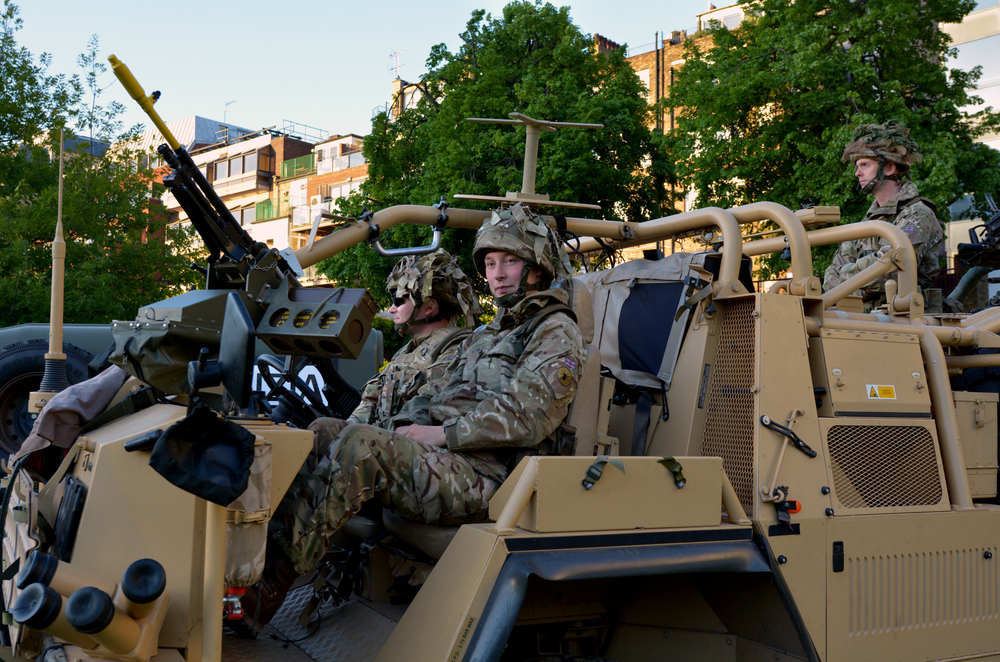
In the meantime, SAS soldiers used blueprints and talked to a caretaker of the embassy to get a good idea of the building’s layout. They constructed small models of the building as well as a full-size replica, where they held practice drills of a rescue operation, coined Operation Nimrod. They knew that if they had to breach the embassy, they had to move fast to minimize casualties.
Rescue Plan
They formulated a plan. Two separate SAS teams would simultaneously enter different sections of the building. One group would enter “down a stairway from the roof”; another would blow in the first floor windows. A third would enter through the rear garden. Some on the roof would rappel down to balconies, and another group would enter the ground floor via rear doors. Despite their readiness to move, the teams were ordered to hold their positions since the gunmen hadn’t yet injured or killed any hostages.
On the sixth day, the situation quickly escalated. The gunmen grew impatient that their demands weren’t being met. Moreover, they heard noises and were paranoid that an attack on the embassy was imminent.
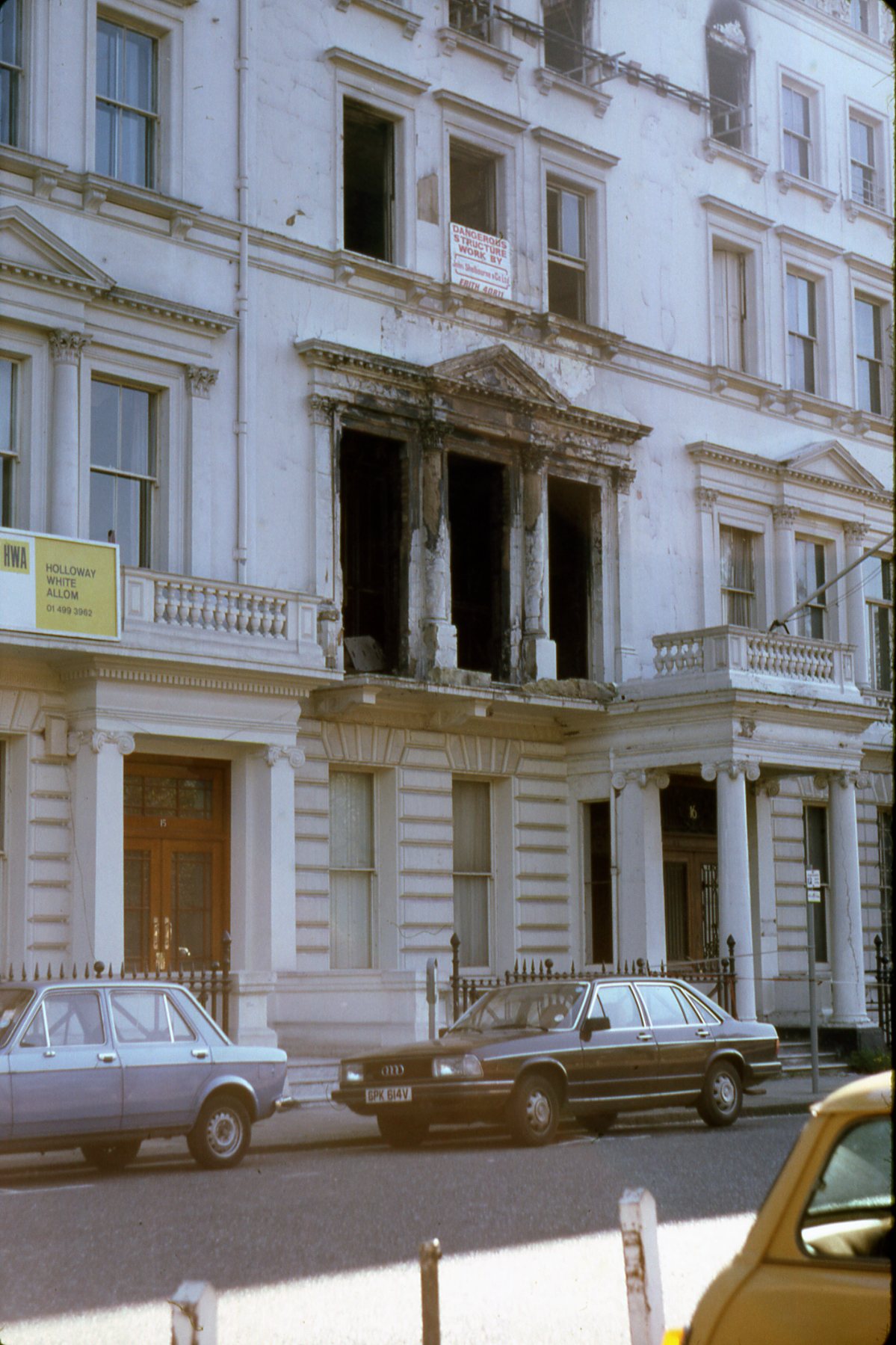
On May 6, while news cameras and police surrounded the building, three gunshots rang out. Shortly after, the gunmen threw the body of Abbas Lavasani, the Iranian embassy’s chief press officer, out of a door. The gunmen had now murdered a hostage. The SAS were ordered to move.
But the SAS team’s plan quickly hit a snag. As a team leader was rappelling down from the roof, his line became caught and tangled. The situation further worsened when a flash bang grenade ignited a curtain and started a fire.
Soldiers cut the hanging soldier free and he fell 10 feet down onto a balcony. But despite his burns, he entered the building to complete the mission.

Once inside, the SAS searched the building room by room looking for the hostages and the gunmen. When they entered the room where most of the hostages were being held, the gunmen opened fire on four captives. One hostage died, and two others were injured. The fourth was saved when the bullet hit a coin in his pocket.
The SAS team killed the gunmen who had opened fire on the hostages. In another section of the building, police officer Lock got into a scuffle with the leader of the terrorist group. When the SAS soldiers entered, they told Lock to move away, then shot the group’s leader.
The SAS team had killed only four of the six gunmen and now searched for the others. While the soldiers were escorting the hostages down the stairs, they realized a gunman was hiding among the hostages. The terrorist had a hand grenade, prompting one SAS soldier to hit him with the stock of his gun. He knocked the gunman down the stairs where he was shot and killed by other SAS soldiers on the ground floor.
When a hostage alerted the SAS, the final gunman was found outside laying on the ground handcuffed with the other hostages. The surviving hostage taker was then put in an English prison where he remained for over two decades.
After the ordeal, British Prime Minister Margaret Thatcher personally thanked the members of the SAS team. Police Constable Lock was widely regarded as a hero and was awarded the George Medal, the UK’s second-highest civil honor.
What arts and culture topics would you like us to cover? Please email ideas or feedback to features@epochtimes.nyc