TV-14 | 1h 41m | Drama, Family | 2018
The sour old man story in films is practically its own genre. We know his house before the camera even gets inside. There’ll be a porch, a gate, a barn, and a cluttered kitchen in his little kingdom, where he can scowl at the world from a safe distance. He treats friendly neighbors like trespassers, and his daily routine has the grim purpose of a prison shift.
Movies keep returning to this figure because he lets the audience enjoy the comedy of bitterness before the story asks us to understand where it came from. He’s rude, brittle, unfair, and usually convinced that everyone else has gone soft or grown stupid. Then, the movie sends in the one person he can’t easily scare off.
That person is usually a child, a girl, or some other outsider with no instinct for staying out of trouble. She wanders past the fence, breaks the routine, asks the wrong questions, touches the wrong object, and generally behaves as if the universe sent her there to ruin his well-organized bitterness. That’s the engine of the whole setup: the old man wants control, and the younger intruder brings havoc and eventually healing.
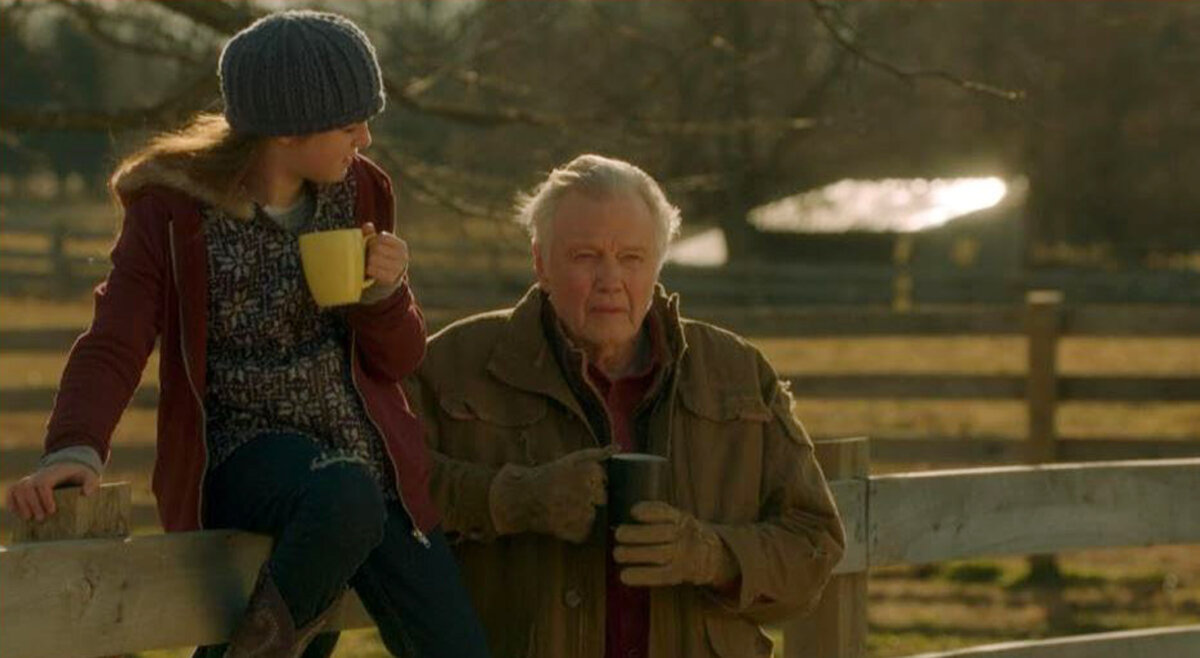
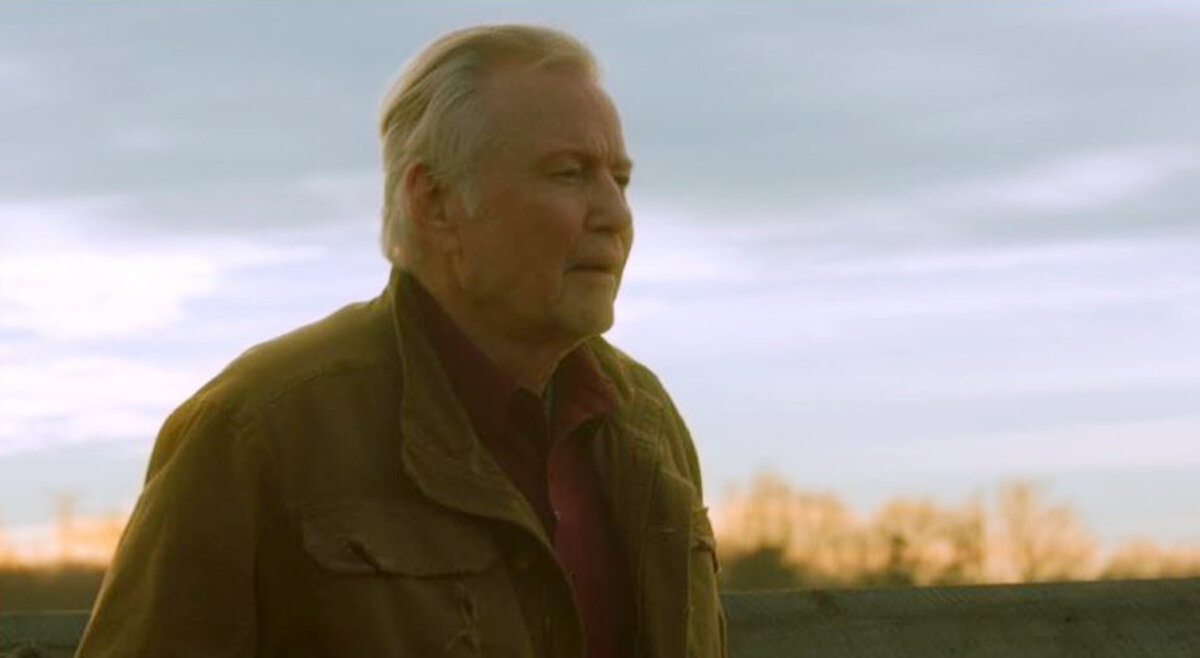
Sean McNamara’s “Orphan Horse” rides straight into that tradition. Jon Voight plays Ben Crowley, a retiree whose gruff manner has hardened into habit. The film doesn’t pretend this is some sort of new saddle; it knows the shape: a wounded man, a rural property, a kid in trouble, and an animal that needs saving. What matters is whether the familiar parts still have life in them.
A Filly Finds Her Match
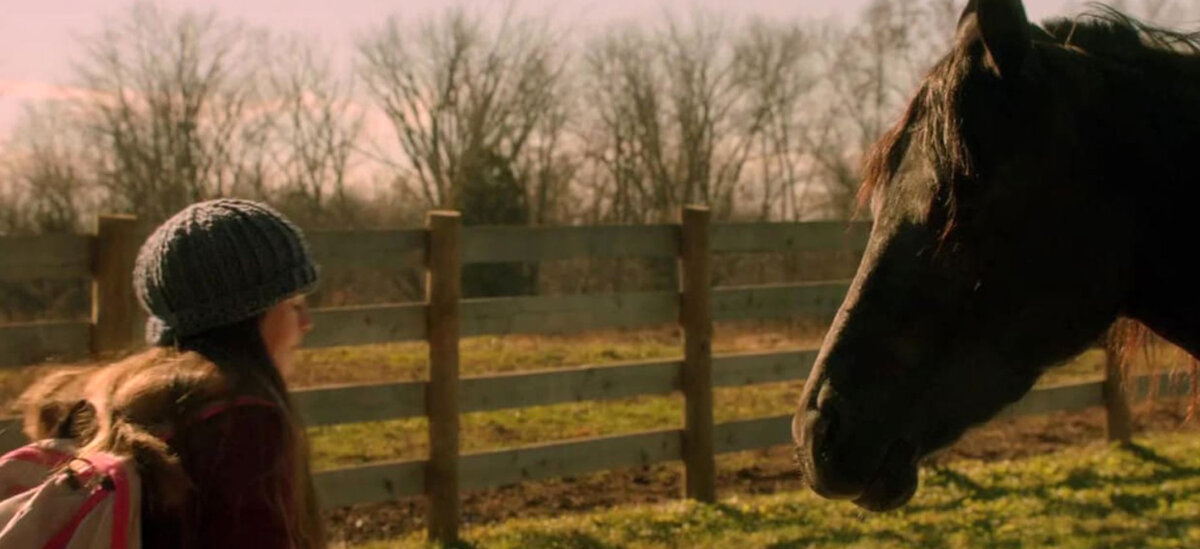
Shelly (Alexa Nisenson) is a 12-year-old child with nowhere safe to go. She runs away from an abusive foster home into the country and slips into the barn of Ben Crowley, a retired horse trainer whose hospitality has all the warmth of a locked feed room.
After fending off wolves attacking his horses one night, Ben finds Shelly hiding in the barn. He discovers that one of his older horses has been killed, leaving its filly without a mother. With enough growling and suspicion to scare off most adults, he tells Shelly that she can take the three-hour walk back to town. Later, after driving in for groceries and seeing her on the road, he begrudgingly offers to feed her.
Eventually, the two form an informal pact. Ben will let Shelly stay a little longer under one condition: She has to help with the troubled young horse. The ranch gives Shelly a hiding place, but it never turns into storybook comfort.
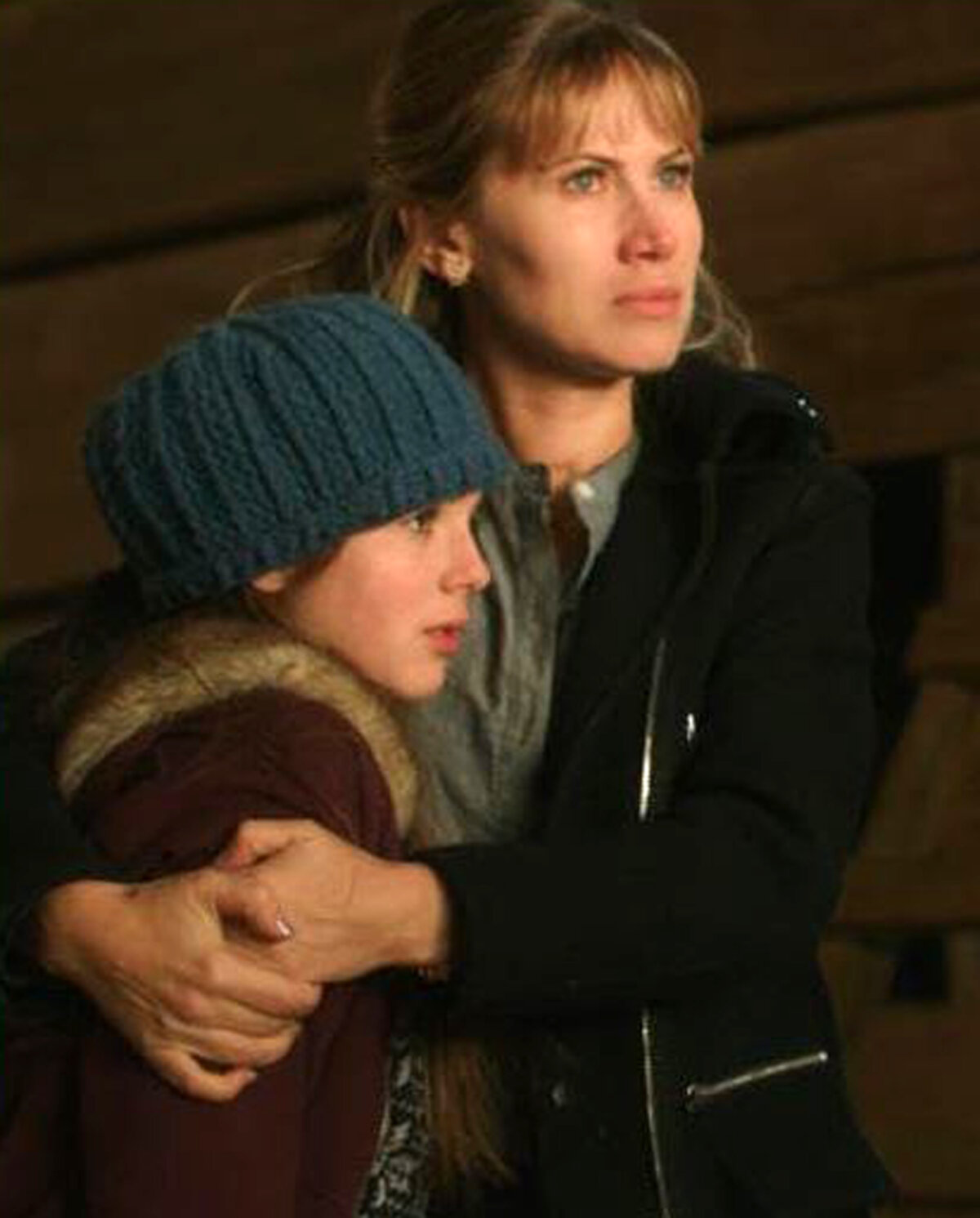
Ben carries himself like a man who’s had people disappoint him for so long that basic kindness feels like a bad habit he gave up years ago. Shelly has her own reasons to keep watching the exits, especially after she discovers that her abusive foster parents are scouring the countryside for her.
Their early scenes together have the prickly rhythm these stories need. Ben barks, and Shelly pushes back. Meanwhile, both Shelly and the filly, whom she names Orphan, are frightened, wary, and badly in need of someone who won’t throw them away.
Principles and Production
The technical assembly of the film reflects the same straightforward approach as its narrative layout. Director Sean McNamara relies on clean, unobstructed compositions that keep the focus entirely on the performers and surrounding landscapes.
It’s like a plain ranch fence: functional, visible, and made to hold the story in place. By utilizing lots of natural lighting for the ranch scenes and wide shots for the surrounding countryside, the cinematography establishes a clear sense of place.
The performances carry the film through its predictable beats without totally slipping into sappy melodrama. Voight brings a weathered physical presence to Crowley, using a raspy delivery and slumped posture to convey a lifetime of accumulated disappointments. He doesn’t soften the character too quickly for the sake of audience sympathy, allowing the old trainer’s harsh instincts to feel genuinely abrasive in the early exchanges.
Opposite him, Nisenson holds her ground by portraying Shelly with a mixture of defensive vigilance and stubborn curiosity. She avoids the typical precocious traps of child acting, ensuring that her character’s connection to the orphaned filly looks like a product of shared isolation rather than screenwriting tricks.
The supporting cast provides the necessary friction from the outside world to keep things interesting. Vail Bloom, as social worker Caroline Crowley, introduces a reminder of Ben’s fractured family history, while Eva LaRue’s character represents the more sinister presence of a manipulative foster parent.
These interactions create a steady, minor pressure that forces the central relationship to progress. While “Orphan Horse” operates on a small scale, it succeeds because it remains faithful to its traditional values, delivering a narrative that emphasizes familial healing and goodwill.
“Orphan Horse” is available on GanJingWorld.
‘Orphan Horse’
Director: Sean McNamara
Starring: Jon Voight, Alexa Nisenson, Vail Bloom
Rated: TV-14
Running time: 1 hour, 41 minutes
Release Date: Nov. 20, 2018
Rated: 3 1/2 stars out of 5
What arts and culture topics would you like us to cover? Please email ideas or feedback to features@epochtimes.nyc