



For many Americans, the homesteading lifestyle is synonymous with self-reliance and extreme independence. Others seek a “Little House on the Prairie” aesthetic centered around community and simple living, or dive into homesteading to learn the timeless skills necessary to provide homegrown food for themselves and their families. But for RuthAnn Zimmerman, homesteading YouTuber and author of “The Heart of the Homestead,” the lifestyle wasn’t about any of that. She began homesteading for a far simpler reason: to give her children chores.
Zimmerman lives on a 22-acre farm in northeastern Iowa with her husband, Elvin, and five of their seven children. The family’s first animals were a group of baby chickens Zimmerman purchased when her eldest daughters were young.
“We didn’t buy them because we were interested in putting meat in the freezer. It was because we wanted our then 5- and 6-year-old daughters to have something to care for other than themselves,” she said.
In her Midwestern voice peppered with inflections of the Pennsylvania Dutch she grew up speaking, Zimmerman cheerily rebuked the notion that 5 and 6 were too young to be taking care of animals.
“Chores give a child purpose,” she said.
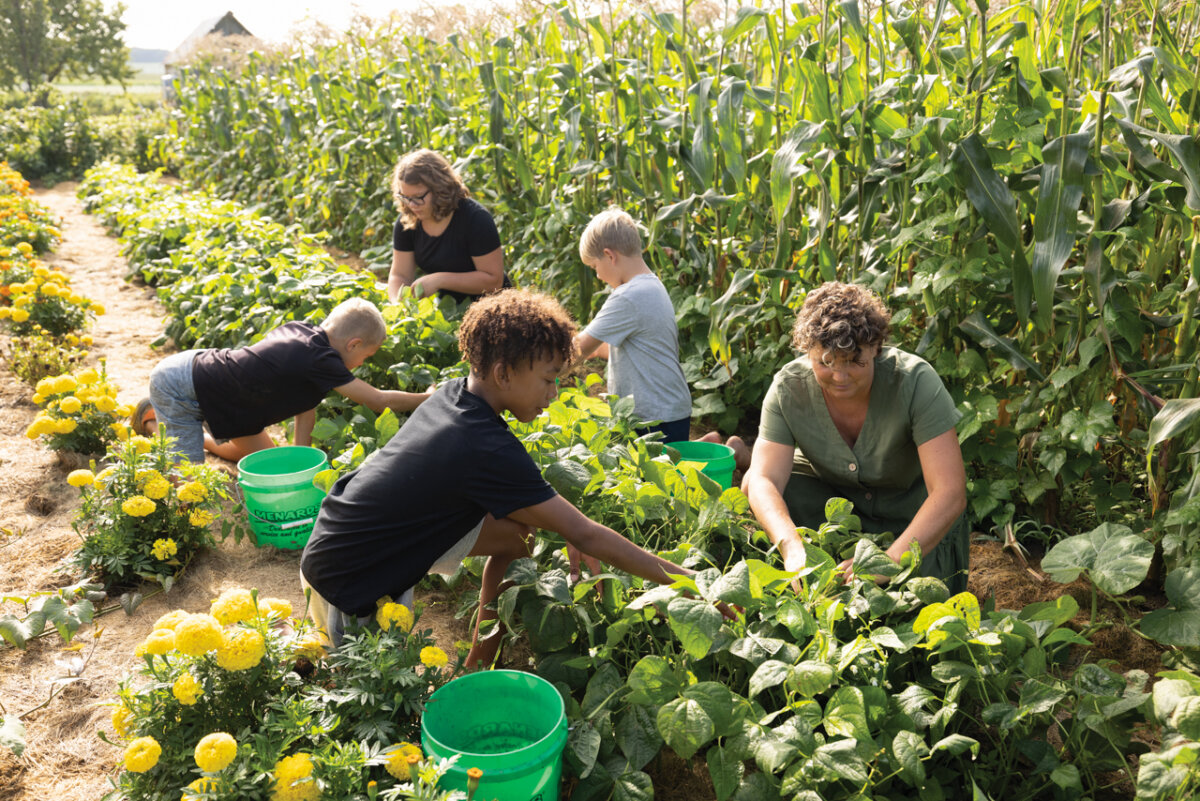
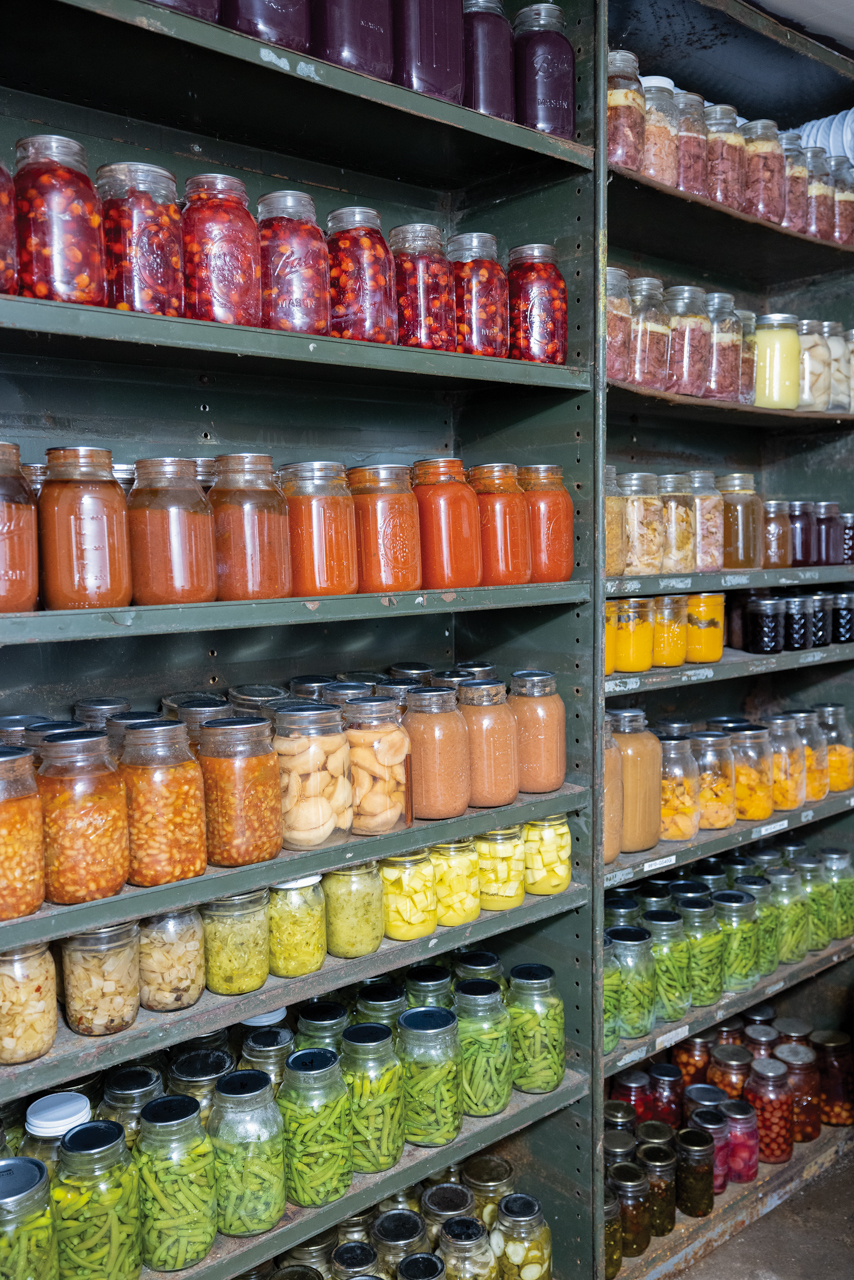
Zimmerman is no stranger to childhood chores. Both she and Elvin were raised as Old Order Mennonites. A religious group that Zimmerman said is almost impossible for outsiders to distinguish from the Amish, Old Order Mennonites forgo many modern amenities, such as television and cars, to maintain a close-knit community built upon generations of traditions. These traditions include many aspects of the modern homesteading lifestyle: growing gardens, raising livestock, and preserving the harvest.
While Zimmerman’s parents played a key role in this upbringing, the relative who truly instilled these traditions was her grandmother.
A Grandmother’s Legacy
The imagery Zimmerman evoked from her childhood could easily have jumped from the pages of a Laura Ingalls Wilder book: shucking sweet corn under the shade of an enormous tree; riding her pony through the woods; swimming in the river with her siblings; hopping on her bicycle and heading 3 miles down the lane to grandma’s house.
“Once a week, as my grandparents aged, I would ride my bicycle to my grandma’s house and just help them,” she said.
Zimmerman helped with various household chores, like weeding the garden or making jam. One specific memory centers around a pot of milk.
She recalled her grandmother placing the milk on the wood-burning stove to bring it up to the temperature where it would start to clabber, the process by which milk clots and becomes a base for yogurt or cheese. She explained:
“Having that one-on-one time with my grandma is what made so many of those memories sink deep into my essence. She talked about the ‘why’ behind what she was doing. That’s one of the things I try to do with my children. I want them to know why we have to move the cow to a new pasture, or why we have to weed the garden.”
The strict gender roles of the Mennonite culture made household chores like laundry, cooking, setting the table, and cleaning second nature to Zimmerman. Yet, despite her strong community and faith, Zimmerman began to question her Mennonite ways once she became a wife and young mother.
It was a difficult process. She explained: “We had to unpack our own beliefs. We weren’t satisfied with just telling our children what we had always been told, which was: ‘That’s the way we do things.’ And the more we started unpacking this, the more we started searching for our own convictions and not just following the rules of the church.”
Zimmerman said that after she had a personal encounter with Christ, she and Elvin made a decision that changed the trajectory of their lives. They left the order in 2007.
Back to the Homesteading Lifestyle
While leaving wasn’t easy, Zimmerman said she “has no regrets” about the decision. As she began to experience and enjoy the conveniences of modern America, Zimmerman noticed something disconcerting about the new culture she found herself in. There was a remarkable lack of character, coping skills, and responsibility among youth and adults. That wasn’t the future Zimmerman wanted for her children.
She began to look back at the values instilled in her by her own upbringing. “There was great value in the [Mennonite] lifestyle, where children are taught work ethic from a young age. … Their characters [are] built through working together with the family. That was one of the biggest things that drew us back to the homesteading lifestyle,” Zimmerman explained.
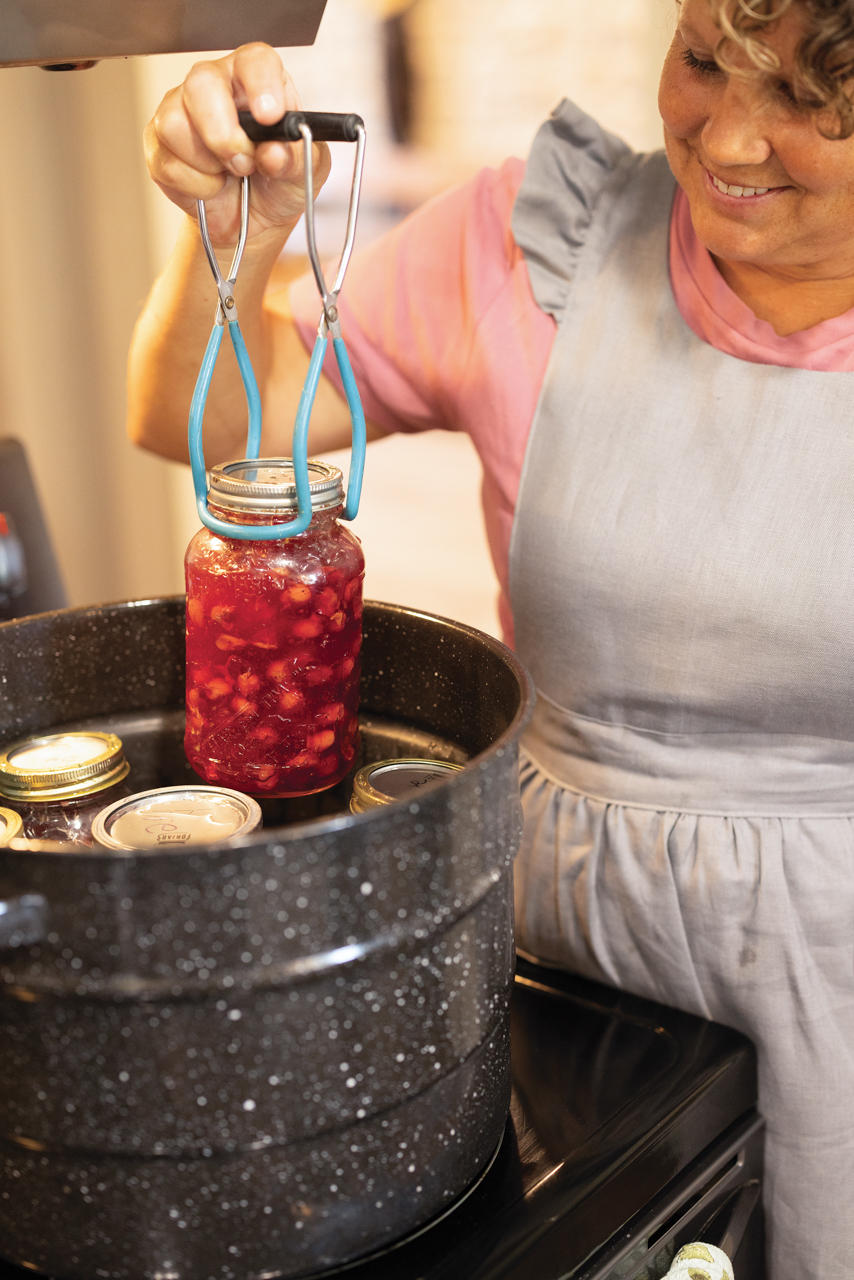
Zimmerman’s quest had begun with the purchase of chicks for her daughters to care for. As she and Elvin added more children to the family, they added more animals and gardens.
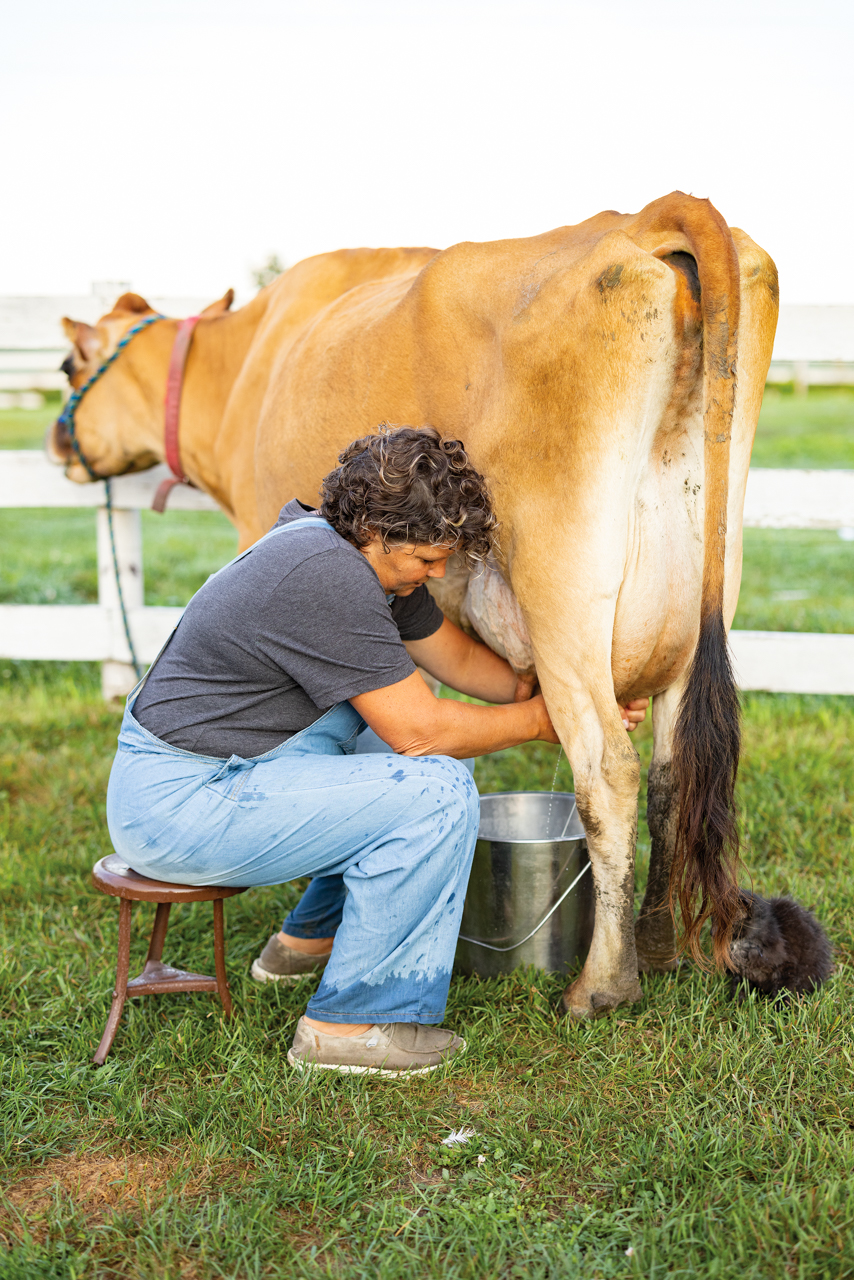
“It’s definitely evolved into this whole team effort of us raising our own food,” she said. There was no better example of this team effort than the daily chore of milking the family cows.
Milking Cows and Building Character
On a purely technical basis, the Zimmerman family only needs one cow. A single dairy cow can produce upwards of 7 gallons of milk every day, which is more than enough to provide a family of nine all the milk, cheese, yogurt, and butter it needs. But instead, the family has two. Zimmerman explained:
“I really love milking a cow. So, if we only had one cow, I would be the one doing it. Instead, we have two so that my 8- and 9-year-olds can milk alongside me. They know that they have to get up and milk the cow, regardless of what the weather is, or how well they slept last night. They know it is their responsibility. They know they can do hard things, even when they don’t want to do them.”
It’s that last point that truly encapsulates Zimmerman’s views.
“You need to know that no matter what, you can do this because you are strong and have God on your side and can do things you don’t want to do regardless of what is happening around you,” she said.
Around the Table
It’s abundantly clear to anyone who speaks to Zimmerman that she isn’t your average homesteader. She doesn’t necessarily like to garden. She’s not huge on processing animals. Instead, her heart for homesteading grows from a deep love of including her family in everything she does, and raising her children to be men and women of character. For her, the act of homesteading is a means to building lasting relationships, rather than an end in itself.
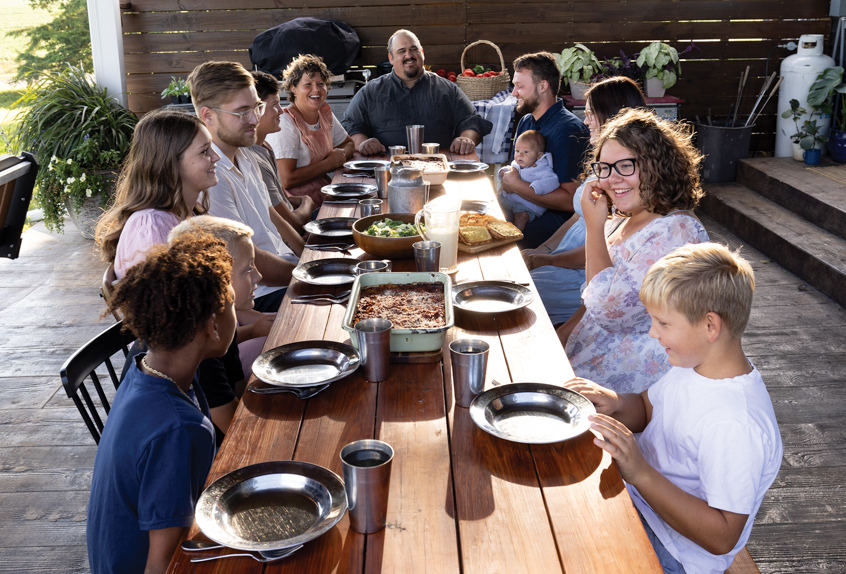
This belief is captured perfectly in the family meal, which the Zimmermans eat together every evening. The children help here as well, whether it’s by cooking the meal or setting the table. One thing Zimmerman always makes sure of is that the table is set with everything the family needs so nobody has to leave the table every few moments to get something.
The dinner table is “where conversations happen and where relationships are built,” Zimmerman said.
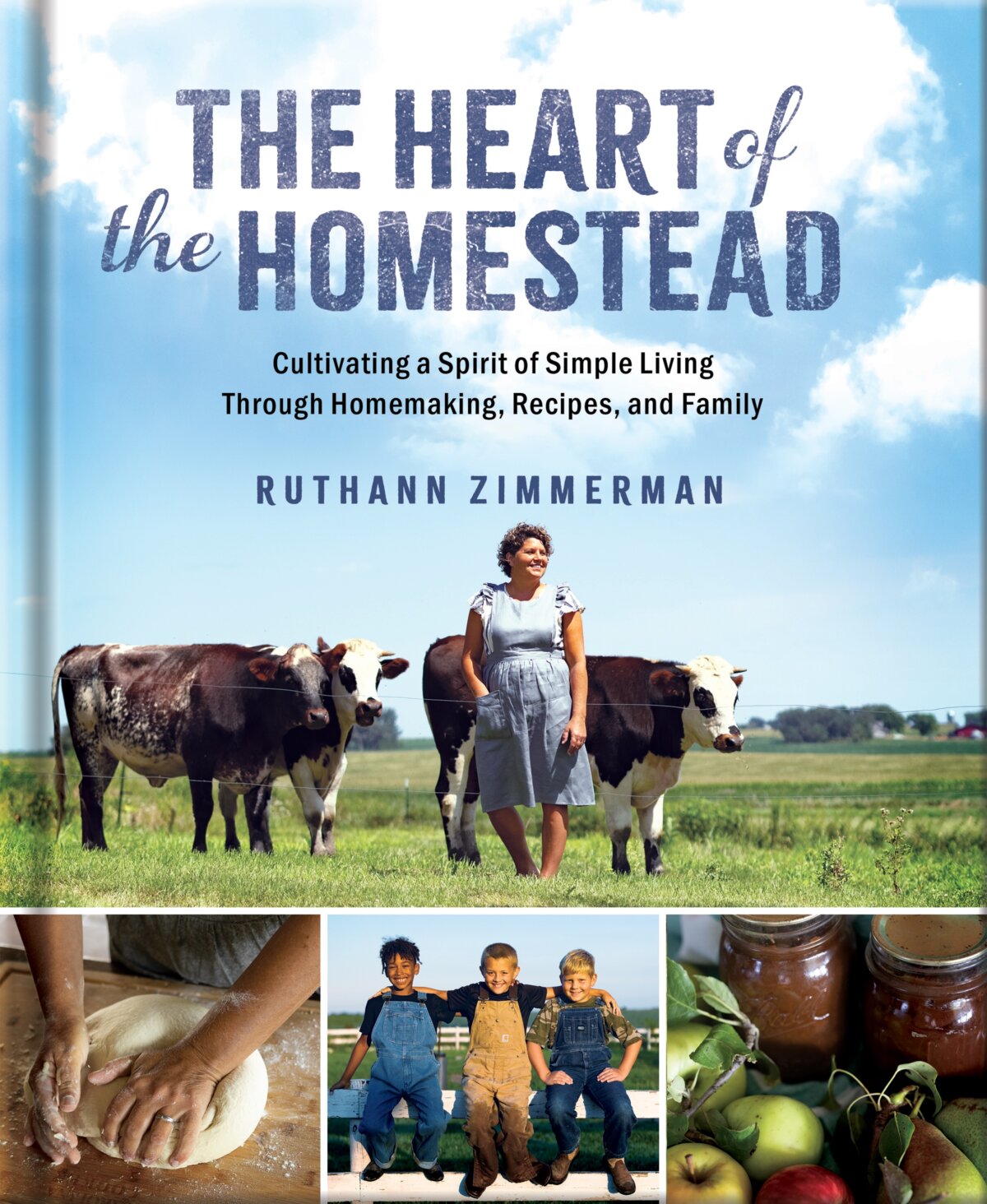
More than the cows that need to be milked, the chickens that need to be fed, or the garden that needs to be weeded, it’s the relationships she shares with her family that matter the most to Zimmerman.
“It’s still better to sit down over some boxed mac and cheese and have good conversations with the ones you love than everybody living their own private lives on a screen while they eat grass-fed steak,” she said. “If you don’t have people that want to come and enjoy a meal with you, it’s really not worth that much.”
The heart of the homestead, in Zimmerman’s case, is the smiling faces looking back at her from around the table.
This article was originally published in American Essence magazine.
