



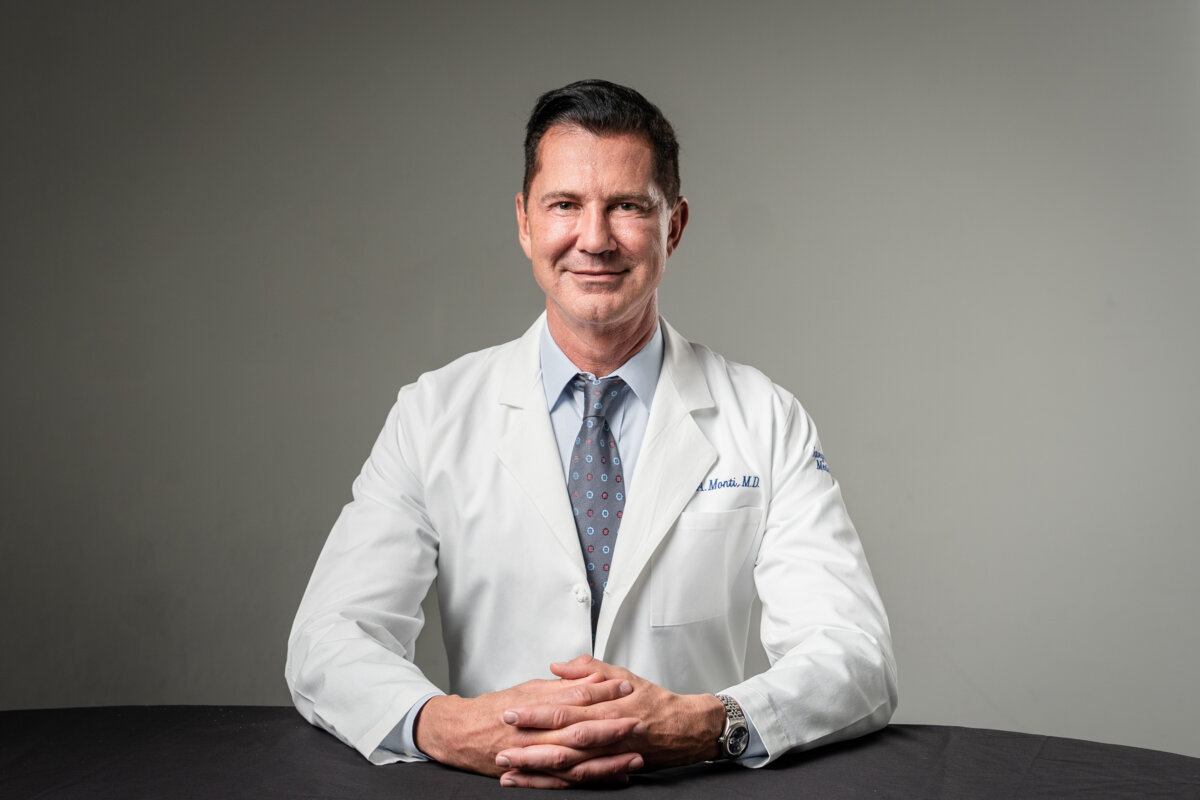
From brain scans to genetic screenings to a cutting-edge mind-body therapy known as Neuro Emotional Technique (NET, treating emotional trauma and stress by addressing the body’s physical reactions), innovative medical treatments have consistently been part of Dr. Daniel Monti’s work. He is the founding director of the Marcus Institute of Integrative Health at Thomas Jefferson University, and he has spent over 20 years pioneering integrative medicine in the field of neuroscience and brain health. People struggling with cognitive problems and head injuries have made stunning recoveries as a result of Dr. Monti’s approach incorporating lifestyle changes, anti-aging medicine, personalized therapy, and more.
In addition to authoring several books on integrative health, he also hosts a YouTube channel where he and other experts offer science-based tips for a healthier lifestyle. American Essence asked Dr. Monti to share his own daily habits for optimal physical and mental health.
This interview has been edited for clarity and brevity.
American Essence: What’s the very first thing you do when you wake up? What’s your morning routine?
Dr. Daniel Monti: I drink something warm, usually coffee or green tea, and then I take a warm shower.
I like to not be rushed in the morning, so I can think about the day ahead and, importantly, identify something to be joyful about that I will be doing. Too often, people start the day with dread, and I was guilty of that sometimes through the years of medical training, being on call, etc. With my older eyes looking back, I realize some of the missed opportunities to approach the incredible things I was learning with excitement and joy. Responsibilities are part of life, but when we can approach them with some curiosity and gratitude, the day goes better. Life goes better.
I know how important it is to start the morning without spiking blood sugar. I always aim for some good protein and low carb. There are three basic breakfasts that I rotate between, and I let the whim of the morning decide: a plant-based, protein smoothie; omelet with whatever veggies I happen to have; or chia seed pudding that I make very simply by soaking chia seeds overnight in almond milk.
AE: Many people struggle to be consistent with healthy habits in their lives. What’s one tip to make it easier to do so?
Dr. Monti: There are parts of the brain that unwittingly work against us in some ways. We are hardwired to avoid pain—it is survivalistic. Also, many people find comfort in routine. So when we want to make changes to what has been comfortable and familiar, it requires an override of that system, and that only works when there is commitment to it. Even then, it can feel like pushing a boulder uphill. I tell people to be both disciplined and gentle with themselves. It is a delicate tightrope, and often people are good at one and not the other. But long-term success requires both. Think about how you would motivate the person you care most about in the world by providing consistent reinforcement and from a place of love. A lot of folks are great at taking care of others but have difficulty doing so with themselves.

AE: How do you manage stress? What are good practices you rely on?
Dr. Monti: Stress is part of life. There is a quote attributed to the late great Lena Horne that goes something like, “It’s not the load that breaks you down but the way you carry it.” It’s brilliant really. Stress is a built-in nervous system response to a perceived threat to our well-being. Think back to a time when we roamed the wilderness and caught a glimpse of something dangerous like a lion. The immediate nervous system response is to go into fight-or-flight mode, which is an activation of the entire body. Muscles tense, digestion shuts down, we become hyper-focused, and so on. This is meant to be short-lived. You climb a tree, the lion passes, and the nervous system goes back to its more relaxed state. But the problem with modern-day life is that the lions of today are a continuous rash of things that are perceived to be a threat to our well-being: a deadline at school, a boss expressing disapproval (and you really need that job), a toxic relationship that has you defending yourself all the time, a sick family member, and the list goes on. For many people, the nervous system reset never occurs, and they are in fight-or-flight mode the majority of their days. This has health consequences. Those symptoms of fight-or-flight—activation of the brain (hence, insomnia), digestive slowing (difficulty processing food), and muscle tension (aches and pains)—end up being part of a person’s daily physiology. This gets compounded by the release of inflammatory chemicals that fuel every illness there is, along with immune dysregulation and vulnerability to sickness, and the whole thing becomes a vicious cycle.
If anyone reading this is thinking, “Hey, that’s me,” don’t despair. There are simple things we can all do that make a huge difference. Back to Lena, how can you carry the load differently? It often is a matter of creating space in your brain between your sense of self and the things that are stressing you—basically, how to have more mindfulness, being present in the moment, non-judgmentally. Observing without reacting. I also personally do a qigong practice that made a big difference in my life. We made a video of me in our brain scanner at rest, listening to the stressful news of the day, and then listening to my qigong music. It was amazing to see how my brain completely changed when I was meditating—which means my entire body changed!
AE: When you experience self-doubt or fatigue, what does your internal conversation look like?
Dr. Monti: Self-doubt I welcome. To assume I am always right or always understand every facet of what is going on with someone would be a disservice to everyone I encounter.
When I notice fatigue, I approach it the same way I do with a patient: as a symptom that reflects an imbalance, and I need to figure out the source—physical, emotional, or spiritual.
AE: At the end of a long day, what is the decompression ritual that resets your nervous system?
Dr. Monti: Connection with family and friends. Fun dinners, phone calls, laughing, planning the next vacation: these things disconnect me from work and recharge my brain. I make a committed effort to do these important things and not just turn on my laptop and disconnect.
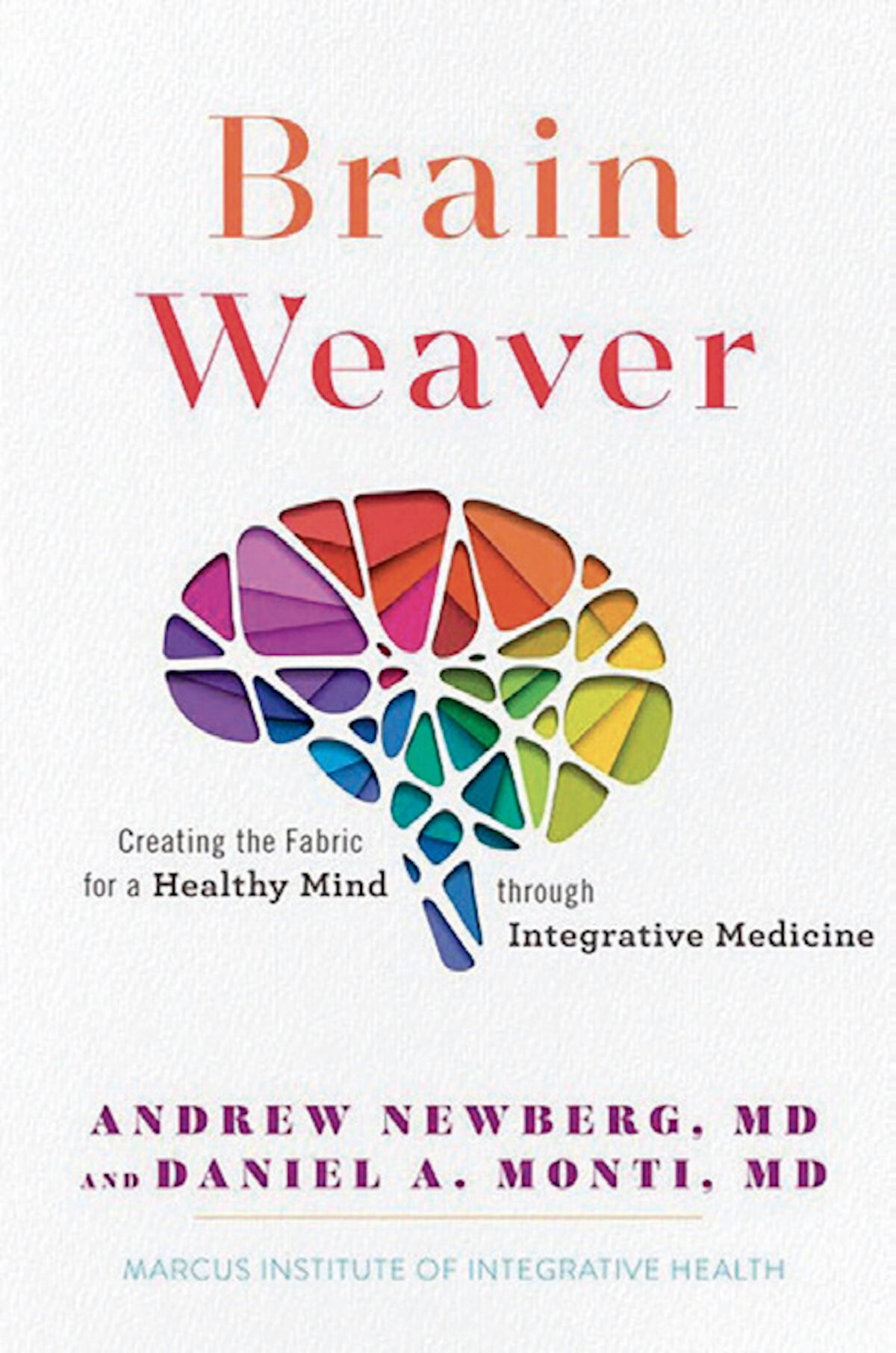
AE: In your book “Brain Weaver,” you talk about shaping cognitive performance through lifestyle. What is the most underrated factor in maintaining brain resilience as we age?
Dr. Monti: Maintaining a sense of purpose and keeping your brain actively engaged in it. If you decide to retire, then have a plan in place. It is critical that we feel productive and purposeful, and sometimes we need to redefine ourselves at different junctures, particularly later in life. I know one retired lawyer who has become a master pastry chef and has a list of people she makes treats for throughout the month. My own father is almost 80 and spends several hours a day working on the farm alongside other family members, and I know doing so keeps him young.

AE: You have decades of experience in neuroscience and integrative medicine. What is one thing we now understand about the mind-body connection that you wish everyone learned in medical school?
Dr. Monti: I’m not sure that even now many medical students truly grasp that the mind and the body aren’t just connected; they are one and the same. It is increasingly appreciated that high levels of stress negatively affect health outcomes of every disease. But that just scratches the surface. Every thought we have and emotion we feel is expressed in some way in the body, and not just in the nervous system. There are peptides, hormones, and other substances that flood the cells of the body in response to feeling states. Conversely, our physiology and biochemistry affect our mood and cognition. That’s why what we put in our bodies affects how well we think and how good we feel. For example, there are far-reaching effects of inflammatory foods, because the inflammatory chemicals they ignite go all the way from the gut to the brain.
How to Improve Your Health With Just 10 Minutes Per Day
Four minutes: One of my easy-to-prepare breakfast options.
Two minutes: 4-7-8 breathing during the work day [inhale through your nose for 4 counts, hold your breath for 7 counts, and exhale through your mouth for 8 counts].
Three minutes: Light, mindful stretching in morning or whenever convenient.
One minute: Send a one-sentence text telling someone you love them and why.
This article was originally published in American Essence magazine.
