




Marriage isn’t easy, but it’s worth fighting for.
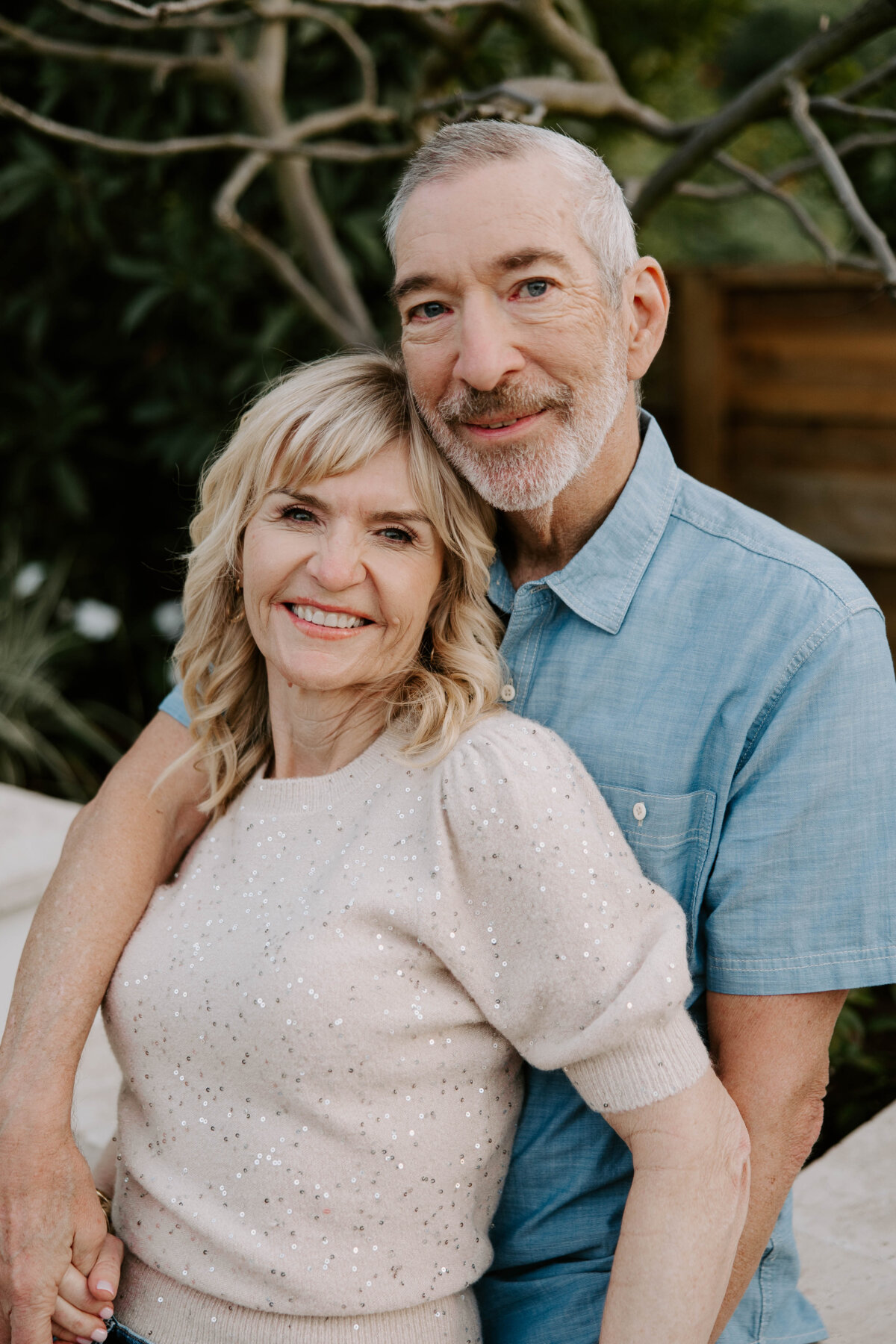
Laura Doyle knows this through personal experience. She struggled in her own marriage, even considering divorce at one point because of how hopeless it seemed. But after years of honest self-reflection, perseverance, and a sincere desire to repair the relationship, she and her husband are now celebrating 36 years together.
On a mission to help stymie the high rates of divorce in modern society, in 2017 Doyle shared what she learned through her New York Times bestselling book, “The Empowered Wife: Six Surprising Secrets for Attracting Your Husband’s Time, Attention, and Affection.” Then, she developed a certification program for people to become relationship coaches using her tips for repairing marriages. Since then, hundreds of coaches have become certified throughout the world, and her “Empowered Wife” podcast has over 6 million downloads. American Essence asked Doyle to share some of her relationship advice.
American Essence: In your experience, what does loyalty look like in a healthy marriage—not just emotionally, but in daily behavior?
Laura Doyle: One of my bad habits early in my marriage was getting together with girlfriends to complain about our husbands and joke that the difference between men and savings bonds is that savings bonds eventually mature. Man-bashing felt fun and even necessary—a way to vent, to bond, to feel understood. But it left me with a sour attitude about my husband that he could feel. I was focused on his faults, and what you focus on grows. I was also representing the man I had chosen as someone not worth much respect. That’s disloyal—even if no one ever tells him about it.
When I swore off husband-bashing and decided to speak well of him to others, something unexpected happened: His stature rose in my own eyes. Loyalty in your words turns out to be loyalty in your heart. That’s when I realized that daily loyalty isn’t just about what you do—it’s about what you say when he’s not in the room.
AE: What are the most common communication mistakes that couples make, and how can both partners avoid them?
Ms. Doyle: Misunderstandings are so real, and I have a fresh example. My husband and I were watching a stand-up comic recently, and one of his jokes was, “I married a talker. My wife’s a talker.” We were dying laughing. And then a few minutes later, getting ready for bed, my husband looks at me and says, “I married a talker. My wife’s a talker.”
Suddenly it wasn’t so funny anymore. Ouch.
My first instinct was to defend myself—to insist that I talk exactly the right amount, thank you very much. But before I reacted, I caught myself and thought: He never intends to hurt me. So if I’m feeling hurt, there’s probably a misunderstanding. And then it hit me—he was just repeating the joke that made me laugh 20 minutes earlier because he loves to make me laugh. That was his whole intention. It had nothing to do with criticism.
That one assumption—that your partner never means to hurt you—is a game changer. Because when you start from that place, you stop asking, “Why would he say something so hurtful?” and start asking, “What did he actually mean?” Those two questions lead you to completely different places. One leads to a fight. The other leads to connection.

AE: What regular habits can couples practice to reconnect when they feel disconnected?
Ms. Doyle: There’s a phrase I used constantly when my marriage was struggling that you will never hear me say now: “We need to talk.” We spent so many hours on the couch having what I can only describe as a “state of the union” address—long, heavy conversations that never actually got me where I wanted to go. I wanted to feel connected again. Those talks just left us both exhausted.
Now, I have a go-to that works so much faster, and it’s this: I check my own side of the street first. I ask myself if there’s anything I contributed to the disconnection—anything I could clean up. At first this felt wildly counterintuitive, because honestly what I wanted was for him to apologize to me. But what I’ve learned is that I don’t have to wait for that. I can shift the dynamic myself, right now.
The beautiful thing about this habit is that it puts the power in your hands. You’re not waiting for him to make the first move. You’re not hoping the tension resolves itself. You’re choosing to restore the connection—and it works fast.
This article was originally published in American Essence magazine.
