



Finishing the attic starts with the rule of sevens if it’s going to be living space. This means that it must have a ceiling height of seven feet and a width of at least seven feet for at least 70 square feet to provide comfortable, usable headroom. An area of seven feet by 10 feet is common.
The exception to this rule is if the attic is going to be used solely for storage—an endeavor that may pay for itself quickly when you consider the savings on a rental storage space.
Load Bearing
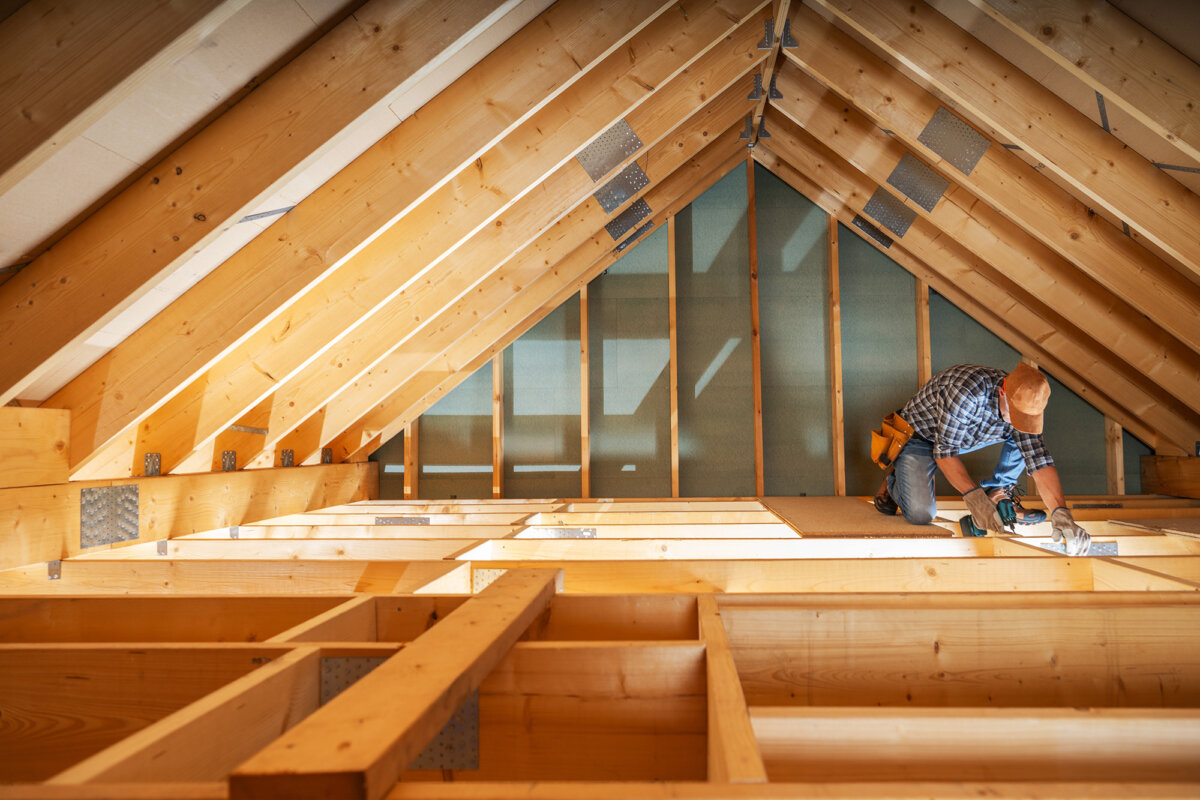
Whether finishing an attic for living space or simply laying a plywood floor for storage, it’s important to make sure that the floor joists are up to the anticipated load, including flooring, walls, furniture, and the weight of people walking on it. Joists that are two inches by six inches and two inches by eight inches likely aren’t enough, but 2-by-10-inch joists or 2-by-12-inch joists are better. Likewise, existing 16-inch on center and 24-inch on center joist spacing may be a concern.
If in doubt, consult a structural engineer. It’s costly, but good insurance against future problems. And don’t worry—most floor joists can be brought up to code.
Building Codes
Check with the local building department to find out what’s needed. It’s always better to make changes on paper rather than after construction starts. Some typical requirements are permanent stairs with handrails for living space, additional ceiling height requirements, and fire safety considerations (smoke detectors, using fire-resistant construction materials, and emergency egress).
Also, there may be electrical needs, plumbing (if adding a bathroom), and HVAC/mini-split requirements (if adding climate control). Code compliance and proper permits are essential if you want to count the new living space as part of the home’s habitable square footage when selling.
If your attic currently doesn’t meet the rule of sevens, don’t despair. Consider adding a dormer or bump-out to literally “raise (a section of) the roof,” as well as adding windows with their additional light and ventilation. This may be the time to involve an architect.
Also, most newer homes will have prefab trusses with more webbing braces (shorter pieces of wood every few feet to reinforce the overall design) than old-fashioned roof systems with their large, uninterrupted spaces. Consult an architect or engineer who can design short supports, pony walls, or another solution to keep the roof properly reinforced before removing any webbing braces to open up the space.
Software Buddies
Dream Planner offers sample floor plans or can scan in a hand-drawn floor plan to create and revise realistic 3D attic models complete with fittings and furniture. The personal version is free. Also, if going the DIY route when permitting, check out SmartDraw to create basic wiring schematics and Edraw to create plumbing diagrams.
Insulation
When simply building for storage space, or if you live in a temperate zone where heating or cooling the attic is not of concern, focus on insulating the attic floor joists from the climate-controlled air of the main house below. For all conversions, the insulation focus should be on the underside of the roof. If there’s already floor insulation between the floor trusses, leave it there. It will act as a sound barrier.
Start by sealing up any air leaks, and check online for your area’s recommended R-value for insulation.
Insulation choices include inexpensive fiberglass batts, more costly spray foam (which removes the need to seal up air leaks in its spray area), and rigid foam panels or boards. Adding a radiant barrier will reflect the sun’s rays in hot climates. There’s also blow-in (loose fill) insulation, but that only works between floor joists.
Check with the local municipality and power company for any rebates and EnergyStar.gov for any current tax incentives.
Floor Facts
If the attic has an existing floor that’s robust and in good shape, it may work as-is, particularly for a storage area. However, if it’s uneven, has damaged areas, or only covers a portion of the attic, you should install new flooring.
Common attic floor (or subfloor if covering with laminate, engineered wood, or carpet) materials include plywood, oriented strand board, or specialized easy-install attic floor panels for storage areas.
Before putting down the subfloor, connect any electrical wires, HVAC ducting, and plumbing incoming water and drain lines coming up from below.
Frame Wall and Finish
Framing is the skeleton that holds the skin (drywall) of the attic together. Consider using lighter but more expensive metal framing studs if weight is a concern. If the space is sloped, install knee walls with doors so that it can hold storage. This is also the time to run electrical, plumbing, and HVAC ducting behind the walls.
Although time-consuming, the final step of adding drywall is very satisfying. When painting, remember to prime first, as new drywall will soak up paint otherwise. Consider a light color to make the space appear larger.
_______________
Decoration Considerations
To get the most out of the new square footage, hang mirrors to reflect light and make the room seem larger. Also, consider using multipurpose furniture, such as a sofa bed.
Awkward to Wonderful
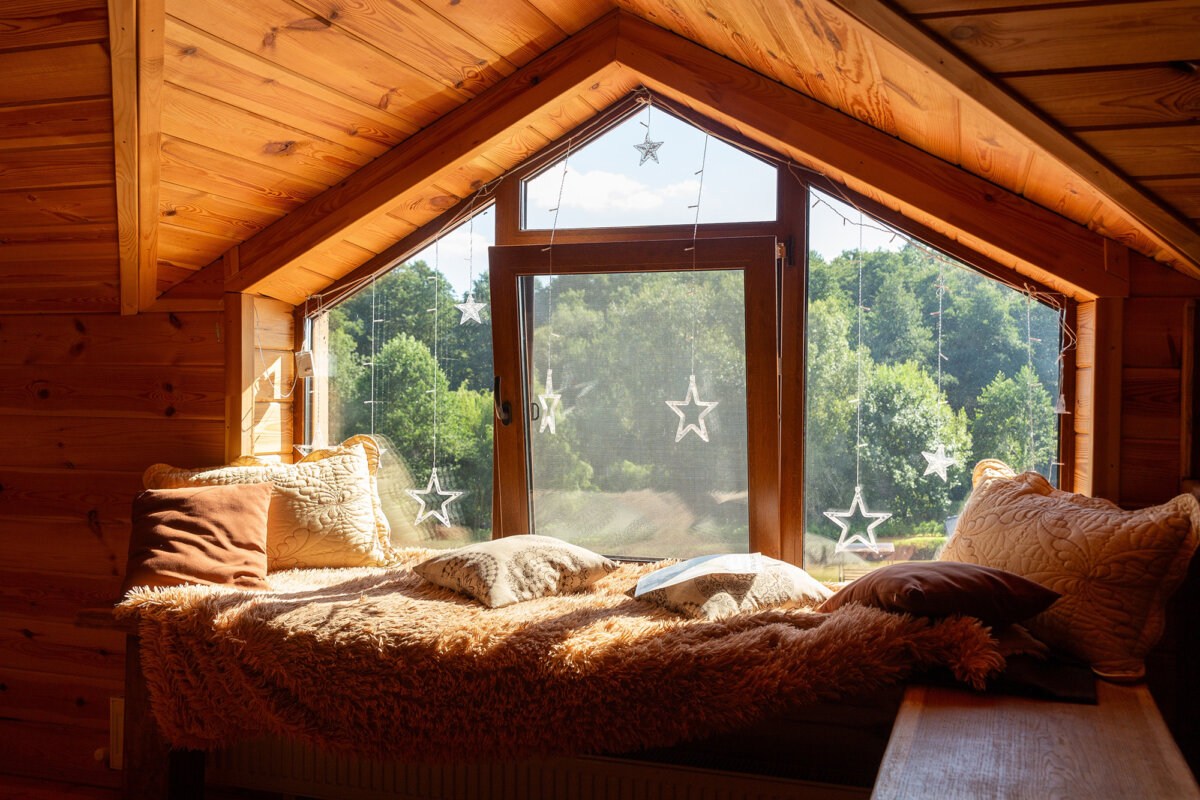
Turn one end of an attic with a highly sloped roof into a cushioned reading nook with storage underneath and bookcases on each side. Or install storage cubes to neatly organize kids’ toys in their attic playroom.
Quiet Oasis
Consider installing a layer of soundproofing underneath carpet, wood, engineered wood, laminate, luxury vinyl plank, or luxury vinyl tile flooring to reduce footsteps, kids’ voices, and other noise transmission below; and keep the attic quieter as well.
Unsightly Fixes
Although plumbing stacks can be rerouted or even combined, be sure to check with an expert or local building codes. If that’s too much, consider framing them to make them attractive, leaving an access panel. A furnace flue is another option, but be sure to use fireproof materials.
