



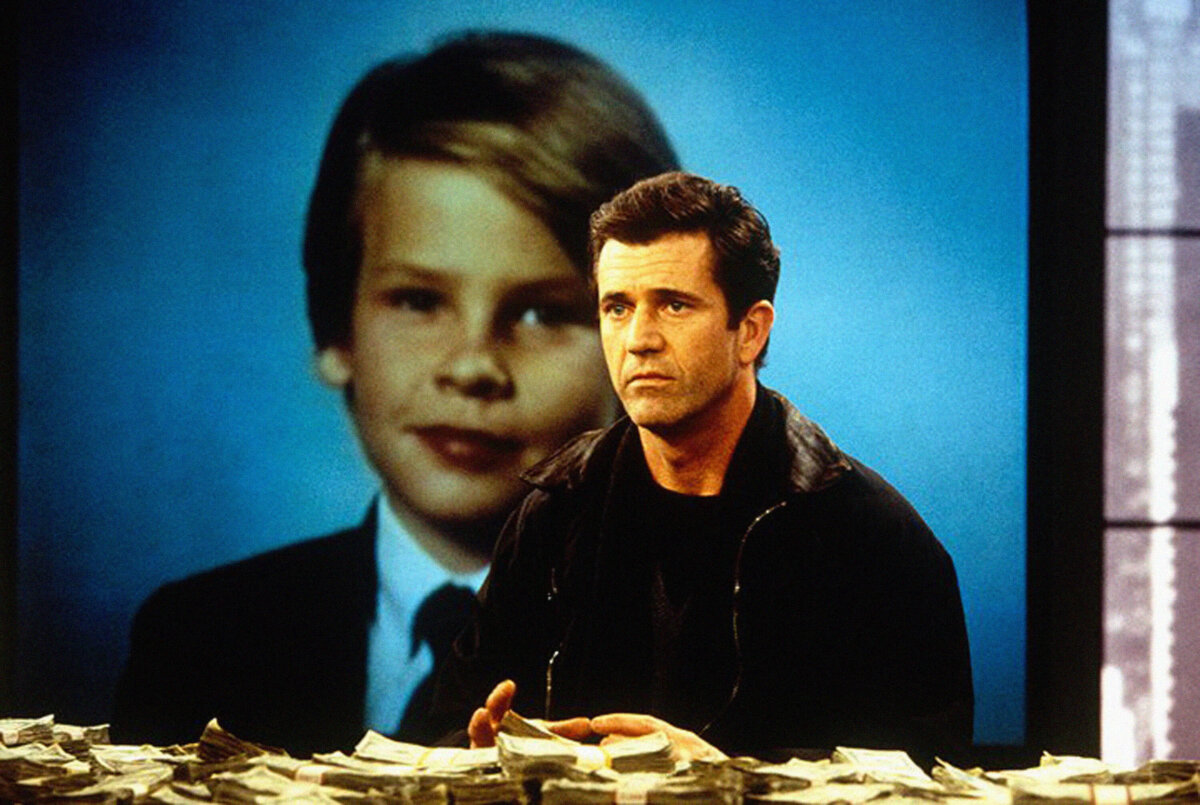
Negotiation has its place in a hostage crisis, even for a country that does not negotiate with terrorists. Director Ron Howard strips “Ransom” (1996) of geopolitical trappings and centers on family instead. But he’s hinting at statecraft, too. He argues that bullies are cowards whether in a playground, boardroom, or on a battlefield. Standing up to them is the only solution.
Multimillionaires Tom (Mel Gibson) and Kate Mullen (Rene Russo) find their 9-year-old son, Sean, has been kidnapped. Kidnapper Jimmy Shaker (Gary Sinise) offers them a choice: Pay $2 million or Sean dies. Desperate, Tom agrees.
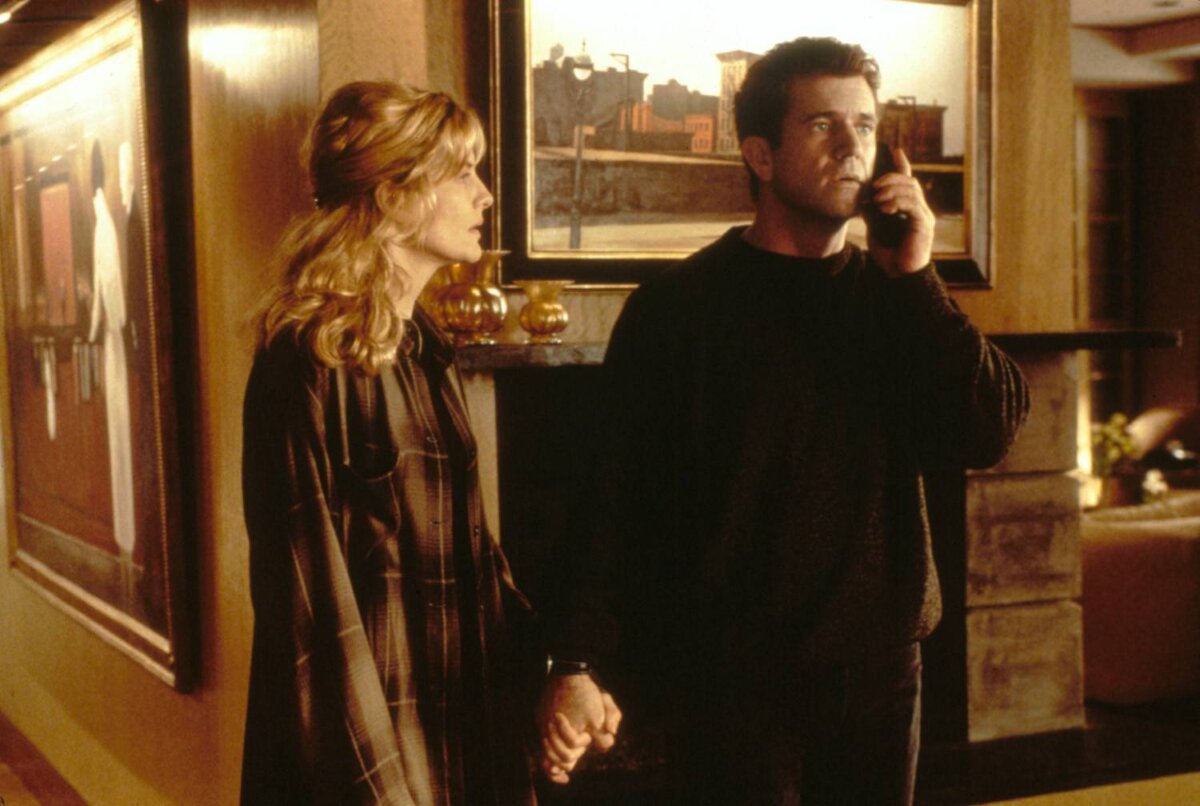
But when he senses that the kidnappers don’t intend to release Sean, Tom changes tack. That ransom is now a bounty; he’ll offer it to any bounty hunter who delivers Sean safe and alive, and the kidnappers dead or alive.
Enraged, Shaker bullies Kate. Terrified of losing Sean and convinced that her maternal love exceeds Tom’s paternal love, Kate turns on Tom, implying that he’ll be to blame if Sean’s harmed. As terrified as she is, Tom, now determined not to be bullied, doubles the bounty.
Wild West outlaws typically fixed a ransom based not only on a rancher’s purchasing power but also on how badly they figured he’d want to protect what’s his. Many ranchers buckled, and outlaws orchestrated newer threats. Some ranchers took a stand. They marshalled bounty hunters to defy an outlaw’s arbitrary laws and bring him to heel to face the people’s law. Bounty hunters weren’t paid for effort, just results.
This didn’t always work out as elegantly as intended. Ranchers relying on the law (and overworked sheriffs) alone lost almost as much as those who relied on bounty hunters. There was one difference: Outlaws had second thoughts in threatening ranchers who stood their ground.
It isn’t just Wild West ranchers who raised forces to protect what’s theirs. Nations, too, have long used an allied nation’s troops as their soldiers. Foreigners or not, soldiers protect cities and what’s precious to a country: sovereignty, democracy, civilization. Howard brings that raw, rickety Wild West wisdom to New York City. Here, Tom explains what’s precious to him; he insists that family remains “the most important.”
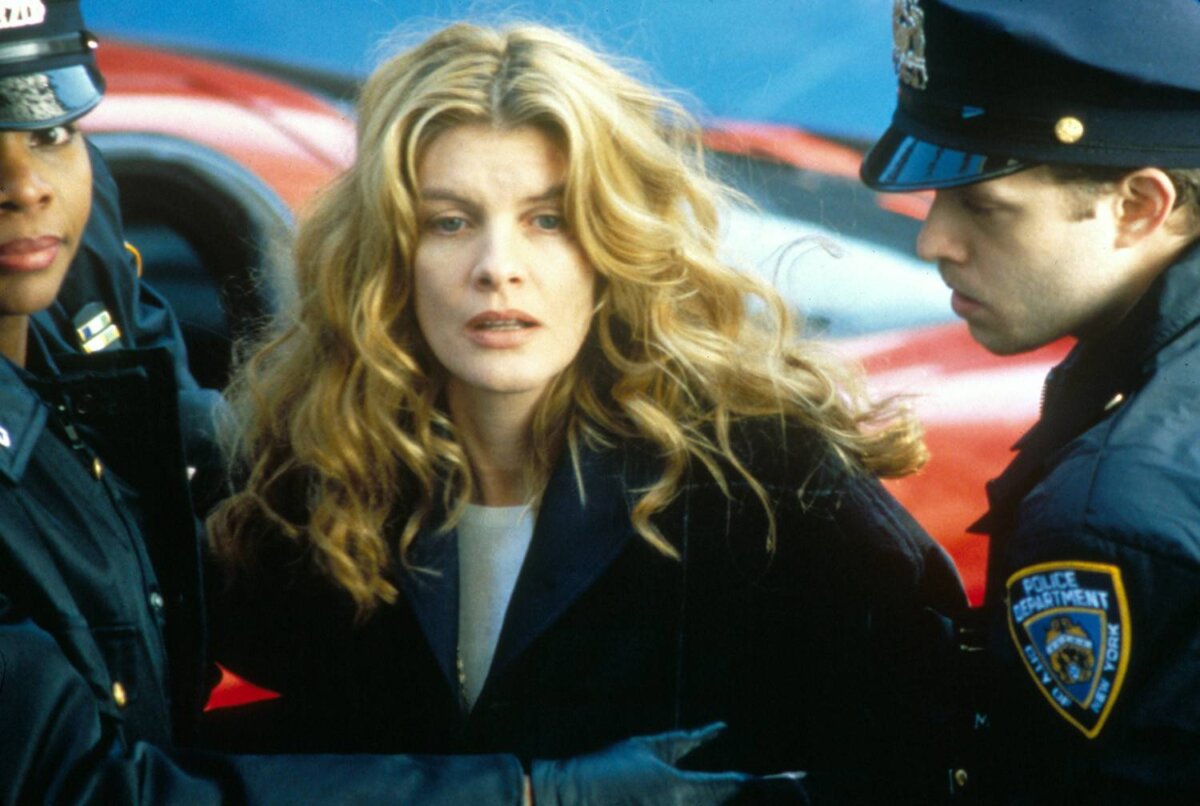
Tom is offered a simple choice. To him, it’s simpler. His choices won’t be dictated by others’ values, but by his own. If kidnappers can ransom his child today, they can ransom his wife tomorrow. After all, to a multimillionaire like him, what’s another $2 million? This mindset reeks of a sense of entitlement that’ll never be satiated. Why should it, when law-abiding folk like Kate submit at the first sign of trouble?
Kate taunts Tom. Is it because he values his cash more than his child that he changes the ransom to a bounty, in an act of Wild West bravado? Tom answers by doubling the bounty. He’ll readily part with cash, but in a righteous cause.
Westerns brim with good, bad, and ugly bounty hunters; there are some who can’t tell good from bad. In that sense, James Mangold’s “3:10 to Yuma” comes closest to contextualizing this. Like Alice in that story, Kate here mistakes bravery for bravado. Like Evans there, Tom here hopes that as his son grows, he’ll realize that indulging cowardice merely institutionalizes it.
Impunity Breeds Crime
Granted, it plays out more slickly on screen than in real life, where such choices are more easily mouthed than made. But this preindustrial-age tenet ought to provoke 21st-century thought. Are terrorists more likely to mount a repeat threat on a pliable state or a principled one? Terrorists, equating human life with a commodity or currency that can be traded, try to make cowards out of their victims, when they’re in fact the cowards.
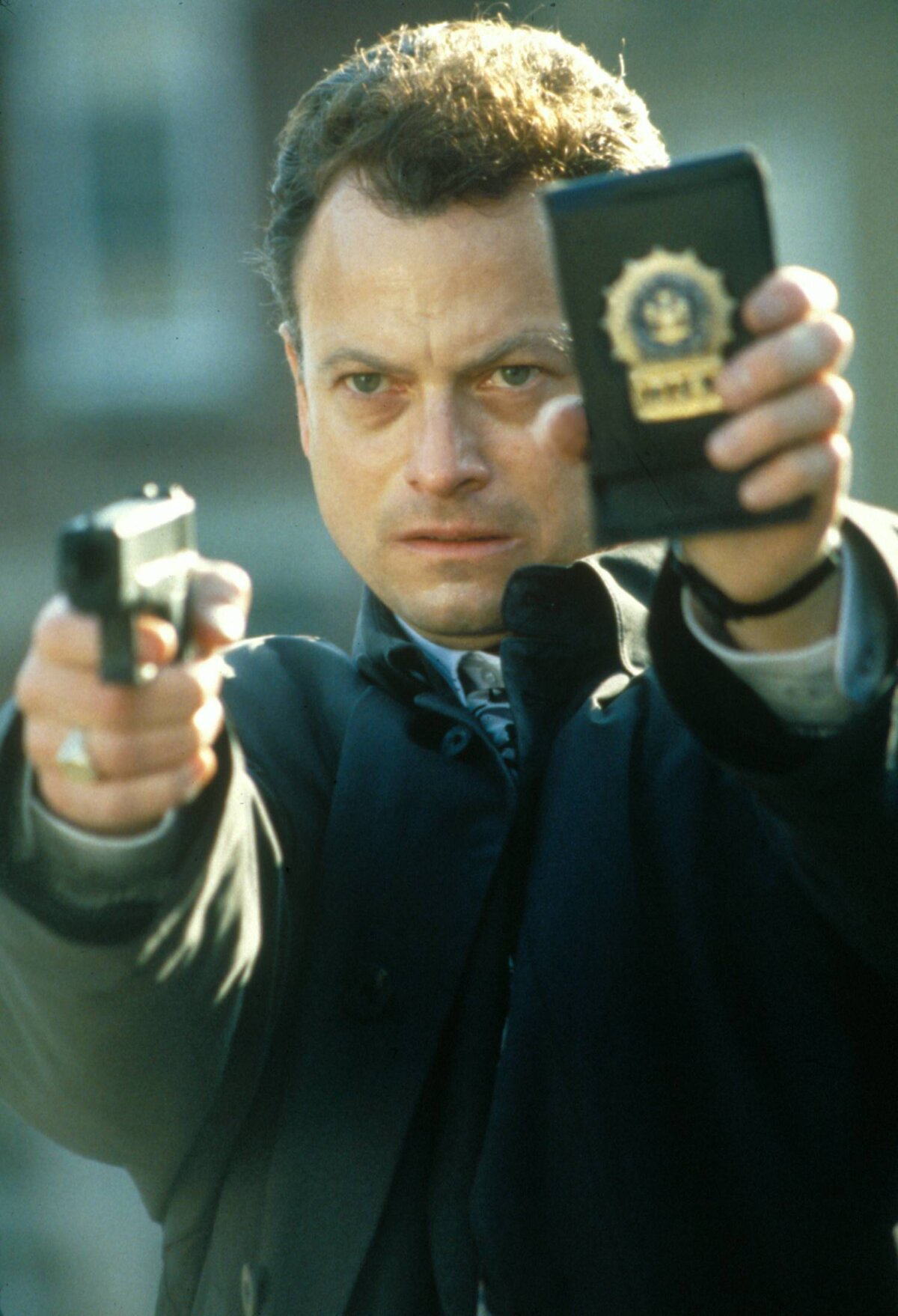
As far back as the 1990s, Howard obviously couldn’t have had the cowardly, if recently spawned, Hamas in mind. But Shaker’s attempt, as a rogue NYPD detective, to simultaneously play perpetrator and protector resembles Hamas’s modern-day charade against the Jews. Prophetically enough, producers Scott Rudin and Brian Grazer, playwright Richard Maibaum (of the original play the film was based on), and screenwriter Richard Price all bear Jewish heritage.
Criminal violence extracts a price, but so does righteous violence. Civilized societies must be willing to pay that price or risk their hard-earned civilization. Parents needn’t be put off by the film’s R rating. Watch, and then decide its suitability for younger teens. It’s vital viewing for late teens, anyway, not just young adults.
These reflective articles may interest parents, caretakers, or educators of teenagers and young adults, seeking great movies to watch together or recommend. They’re about films that, when viewed thoughtfully, nudge young people to be better versions of themselves.
Check the Internet Movie Database website for plot summary, cast, reviews, and ratings.
You can watch “Ransom” on TNT, and TruTV.
What arts and culture topics would you like us to cover? Please email ideas or feedback to features@epochtimes.nyc
