



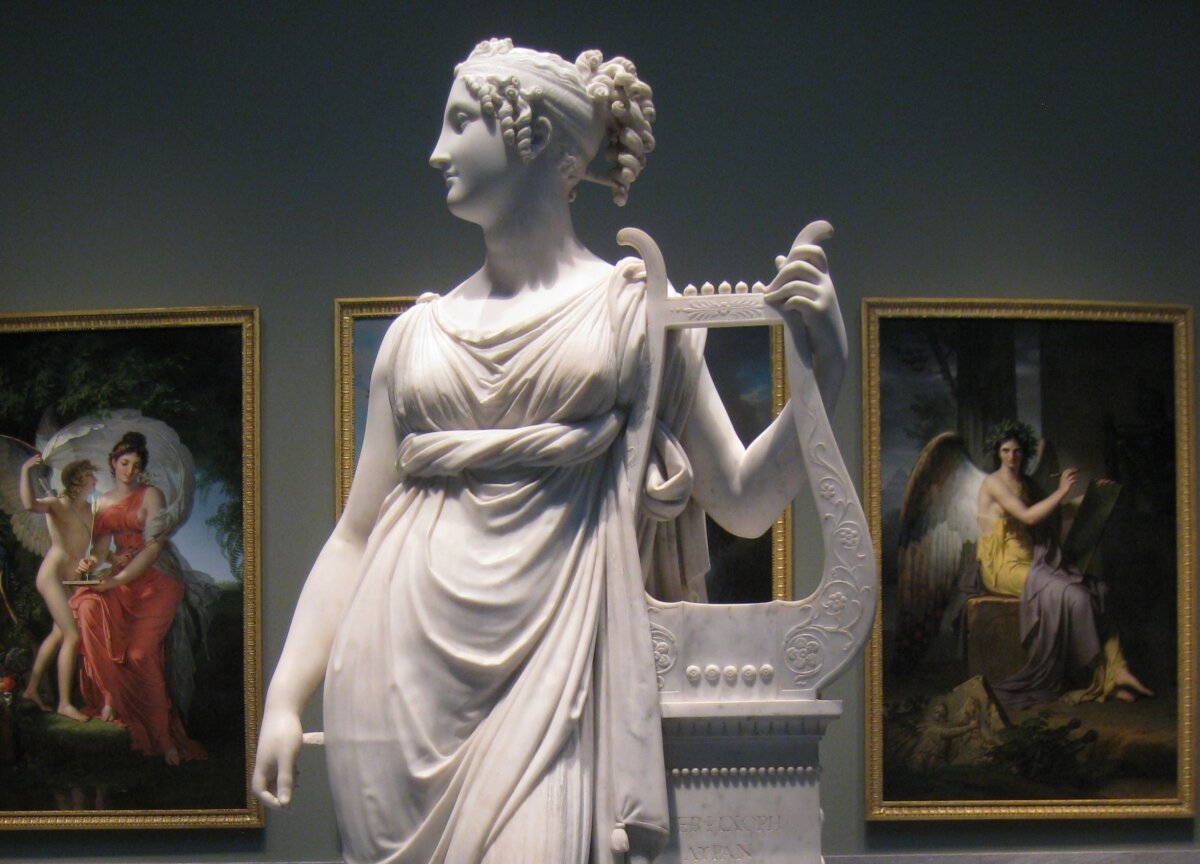
People attend classical music concerts and listen to the great composers. People flock to art museums and stare at walls of paintings by the old masters. But rarely do people regularly attend performances of classic poetry (the plays of William Shakespeare being an exception to this rule).
People, of course, will attend slam poetry events at coffee shops and cafes. But these spoken word poems are little more than everyday prose recited in a way that emphasizes cadence, and the performers mostly talk about themselves. Compared to the best verse of the past, they don’t hold up well and are unlikely to last.
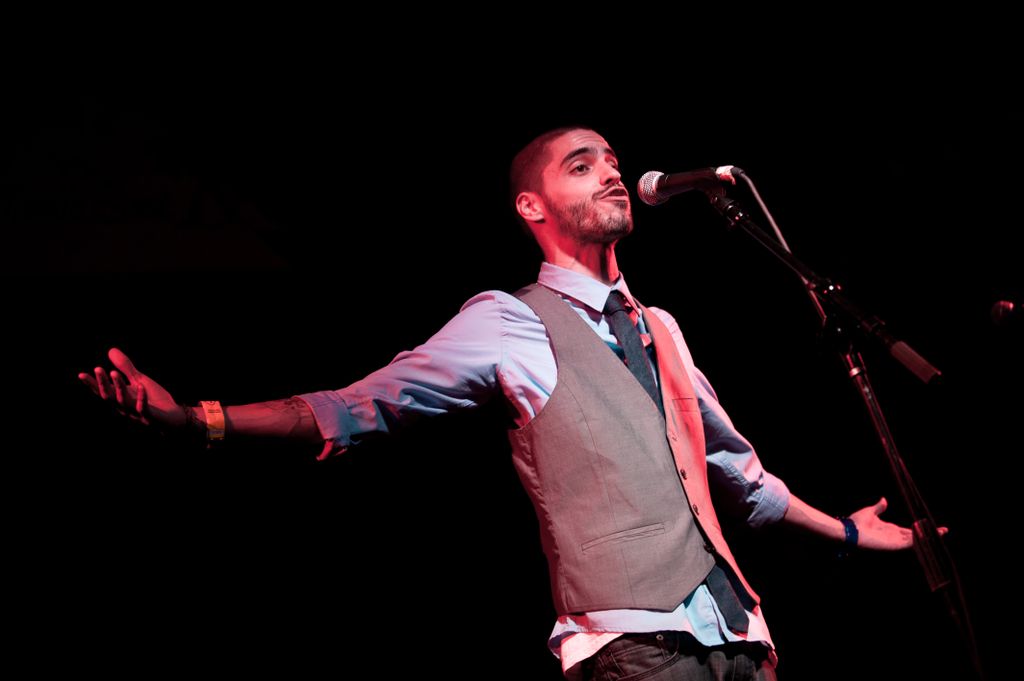
These days, if the great poets are read at all, they tend to be silently perused by someone sitting alone in a room. Classical poetry simply does not have the public life that classical music and the visual arts do.
The Society of Classical Poets hopes to change that.
The Society of Classical Poets
The Society of Classical Poets will soon be holding an in-person symposium to read and discuss great poetry. Classical poet Russel Winick will be hosting the event at his residence in Naperville, Illinois, on Sept. 5 and 6. The event will feature poetry readings, as well as presentations on the history of classical poetry and members’ visions for how the Society may continue to grow in the future.
Co-founded in 2012 by Epoch Times journalists Evan Mantyk and Joshua Philipp, The Society of Classical Poets (SPC) is dedicated to “preserving humankind’s artistic traditions” and reestablishing the important position that poetry once held in society.
Poetry and Community
Before the advent of mass media and its corresponding decline of literacy, poetry thrived as a communal and interactive activity. In the oral traditions of ancient cultures that produced the “Iliad,” “Beowulf,” and “The Song of Roland,” the rhythms and rhymes of poetry were important tools for memory and cultural education.
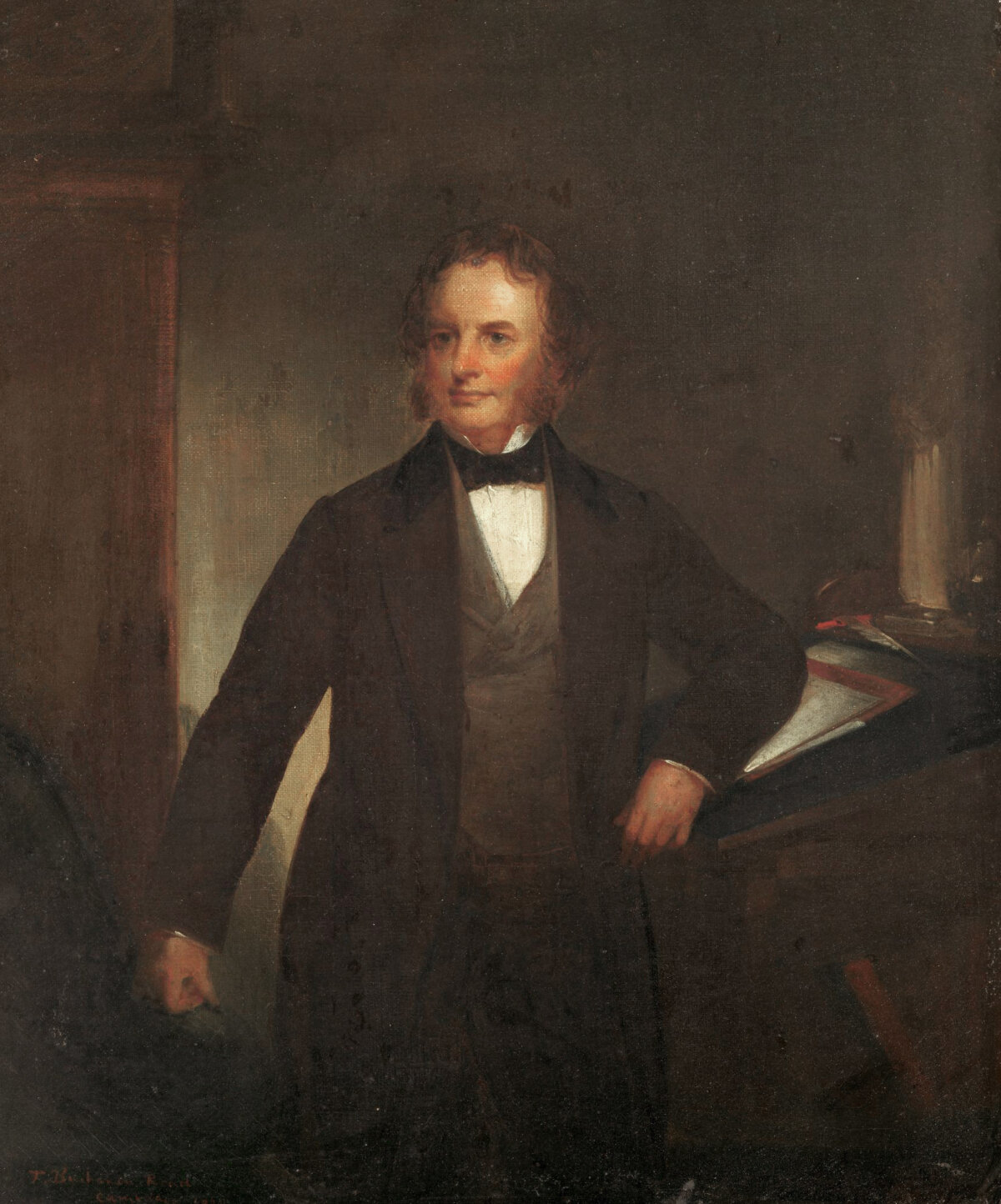
Up through the 19th century, poetry continued to have an important civic aspect. During this time, the Fireside Poets led by Henry Wadsworth Longfellow encouraged an existing tradition of reading verse with friends and loved ones around a family hearth to pass the time.
At his 50th-class reunion of Bowdoin College in 1875, Longfellow recited his poem “Morituri Salutamus” (meaning “we who are about to die, salute you,” a reference to the phrase spoken by ancient Roman gladiators). In this long elegiac poem, Longfellow expressed his anxieties that the elder generation was conveying its wisdom to an insensible world:
Ye do not answer us! ye do not hear!
We are forgotten; and in your austere
And calm indifference, ye little care
Whether we come or go, or whence or where.
What passing generations fill these halls,
What passing voices echo from these walls,
Ye heed not; we are only as the blast,
A moment heard, and then forever past.
In a prophetic way, Longfellow’s lines could be read today as a lament for the waning public tradition that he himself represented.
Reviving the Public Life of Real Poetry
Living classical poets who are carrying on the tradition of Geoffrey Chaucer, William Wordsworth, and Robert Frost probably number as many as several thousand across the English-speaking world. Unlike fans of popular slam poetry, however, they are scattered far and wide. While they correspond with one another online, they are too few to congregate regularly in one place and time.
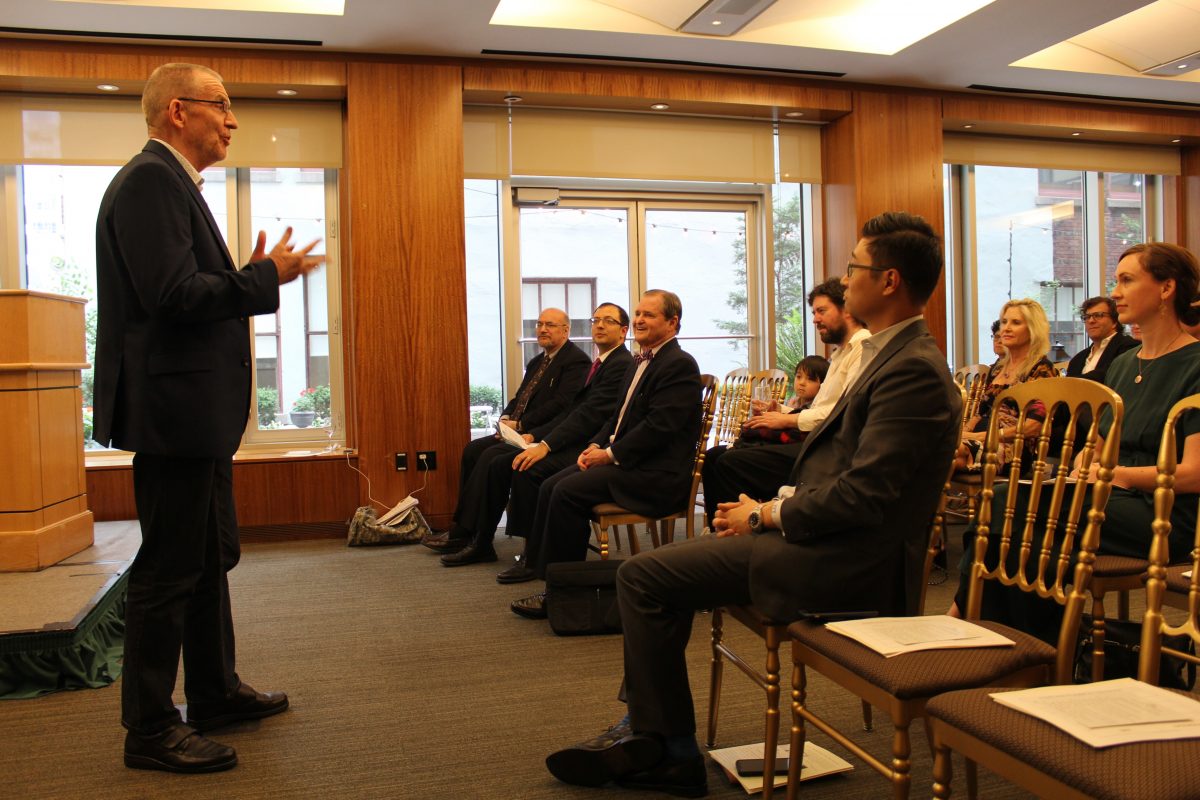
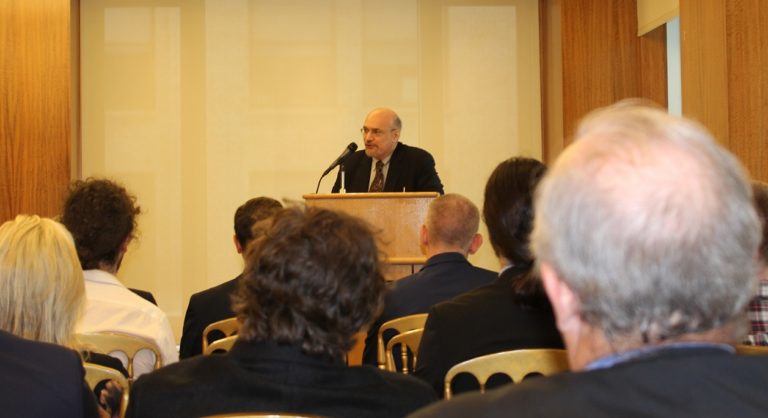
Usually, at least. On 17 June 2019, The Society of Classical Poets held its first symposium at the Princeton Club in Manhattan, New York. This represents one of the very few times in recent history when rhyming, metrical poetry has been brought out of “the narrow halls of academia” and had a presence as “a widely loved art form once again,” in the words of SCP President Evan Mantyk.
Participants included leading classical poets like Joseph S. Salemi, epic poet James Sale, U.S. World War I Monument Sculptor Sabin Howard, and Adam Sedia, who has been dubbed “The New Robert Frost.” That same day, some of these poets also led readings at nearby Bryant Park.
Fighting the Progressive Threat to Poetry
During this event, Joseph Salemi addressed the audience on “The Progressive Threat to Poetry.” He observed that politically radical viewpoints are mainstream in all the institutions now promoting modernist poetry, and that these gatekeepers suppress “the work of any poet who does not toe the line” on leftist orthodoxy.
In addition to the obvious dangers involved in poets with communist agendas dominating the cultural landscape, the work that they produce in favor of this viewpoint simply isn’t any good. He repeats a remark made by English professor and editor Willard Spiegelman, who wrote about younger poets today, “Only a small percentage can satisfy the technical prosodic demands and also write a syntactically accurate English sentence.”
Aspiring classical poets can help remedy this state of affairs. How might they do this?
Salemi argues for writing poems that “are intrinsically exciting and interesting,” avoiding the tendency of free verse modernists to just write about their own subjective feelings and experiences. Unusual historical events, creatures from mythology, and descriptions of works of art are all great topics to write poems about. There also need to be more poems that are witty, playful, and comical—poems that are fun to read!
“Fun” is certainly not a word that comes to mind when reading the super-serious products of the academic establishment pushing its various “isms.”
To create poetry that is fun—and hence worth reading—Salemi says that poets “need to produce counter-revolutionary poems that utterly reject politically correct positions, and that thumb their nose at persons who hold such positions.”
Salemi is absolutely right. Six years after he delivered this address, the progressive dangers of poetry have showed no signs of abating in the establishment. The threat is as real as it ever was, and while the relevance of poetry to those leading practical lives may not be immediately evident, the cost is everything. Art expresses values, and those values must be fought for with paper and pen, whether writing lines of verse or law codes.
There are those who are trying to live up to Salemi’s words and carry on the torch of the classical Western tradition. They will meet in force on the 5th and 6th of September 2025. Those interested in becoming members of this counter-revolutionary organization are welcome to join!
While the event is only open to Society members, anyone who is interested in attending can become a member by paying the membership fee upon entrance. Those interested in attending this event and becoming members can send an email to Russel Winick at rvwinick@sbcglobal.net with the subject line “Symposium.”
What arts and culture topics would you like us to cover? Please email ideas or feedback to features@epochtimes.nyc
