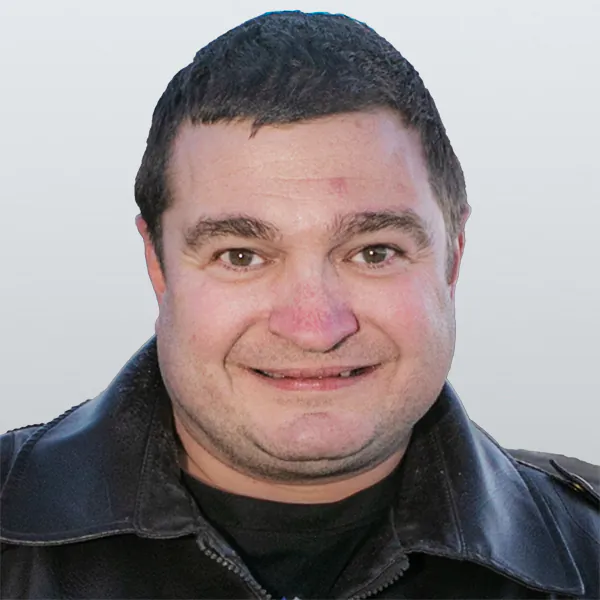
As soon as Squadron-Commander Richard Bell–Davies saw a fellow pilot crash land, he knew he had to act fast. Davies daringly landed his own plane in enemy territory to save Flt. Sub-Lt. Gilbert Formby Smylie’s life. His actions that day would become the first time in history that an aircraft performed a combat search and rescue.
Richard Davies was born in Kensington, West London, on May 19, 1886. He was orphaned at the age of 5, so he was raised by his maternal uncle, who was a doctor. Davies attended Bradfield College for two years before joining the Royal Navy at 15–years–old.
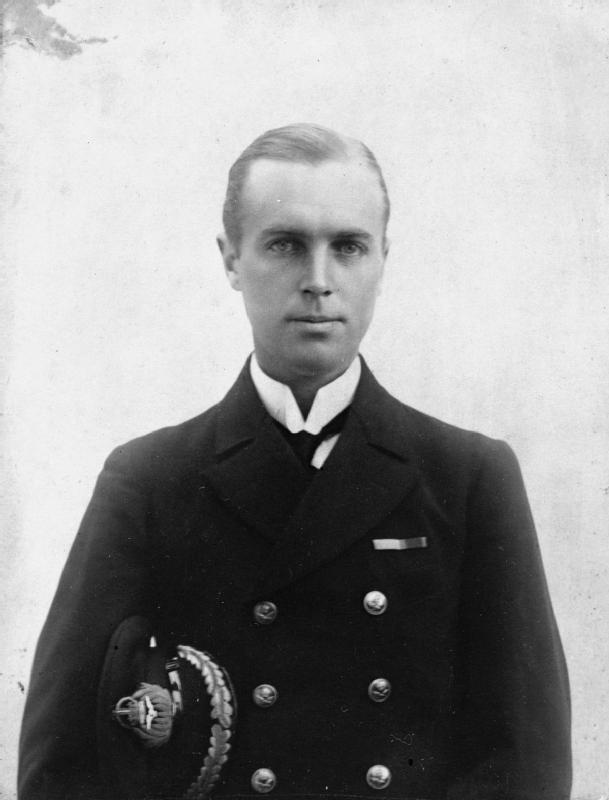
Davies worked on various ships for the Royal Navy over the next several years. One day in 1910 when he was on duty, Davies witnessed British pioneer pilot Claude Grahame-White fly a plane over Mount’s Bay along the coast of the English Channel. The flight immediately grabbed Davies’s attention.
A few months later, Davies took up an offer made to naval officers to learn how to fly. He honed his pilot skills by taking private lessons with Grahame-White.
Davies soon became a skilled pilot who was known to be innovative and always experimenting with homemade upgrades. He often used periscopes for navigation and a piece of wool to check wind direction. On one occasion, he fixed a broken wing using Sandow elastic (a high-quality bungee cord).
In 1913, Davies was accepted into the Royal Naval Air Service. By the end of that year, he was promoted to squadron commander in the Royal Flying Corps, Naval Wing.
The UK joined the Great War, as World War I was called at the time, in August 1914, and Davies began carrying out combat missions. On Dec. 20, 1914, Davies completed a solo mission to bomb an air-shed in Brussels that was suspected to be operated by the enemy.
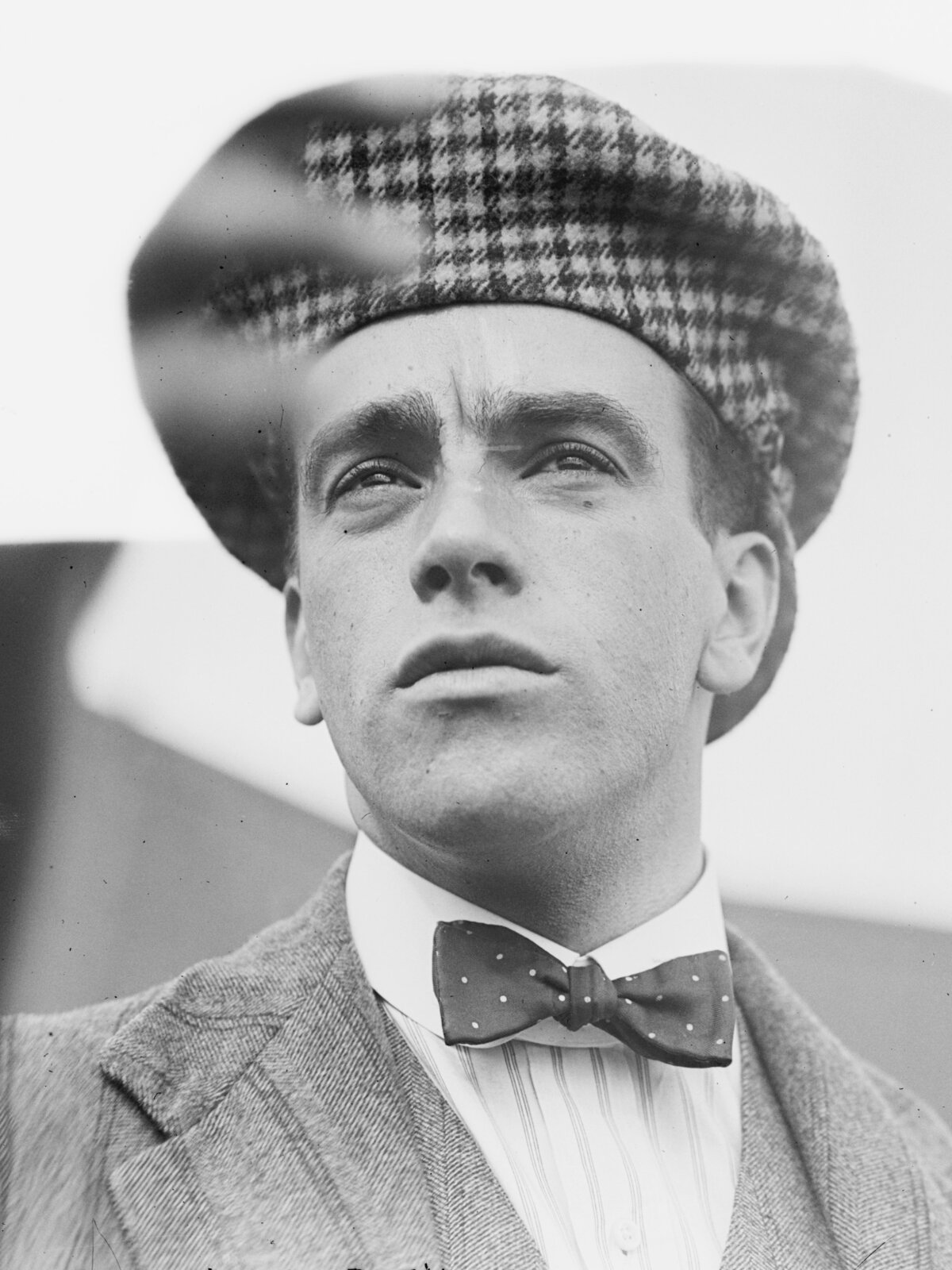
On Jan. 23, 1915, Davies would carry out his most dangerous order yet. While he was participating in an attack on the German submarine base at Zeebrugge, his plane took heavy gunfire. A bullet struck him in his thigh, but he was still able to fly to safety despite the bleeding and pain. Davies, who was now a lieutenant, earned the Distinguished Service Order (DSO) for his efforts.
Over the next several months, he conducted multiple bombing and reconnaissance operations. In October 1915, Davies came close to death yet again, when his engine failed while he was on a bombing mission. Davies was able to land his plane in the sea. He was then rescued by a passing boat.
Davies’s heroic actions didn’t end there. His pilot skills were put to the test once again about a month later. On Nov. 19, 1915, Davies was conducting a raid flying a Nieuport 10 plane over Ferejik Junction, Bulgaria. Suddenly, he noticed that fellow pilot Flt. Sub-Lt. Gilbert Smylie’s plane had taken heavy gunfire and was headed toward the ground.
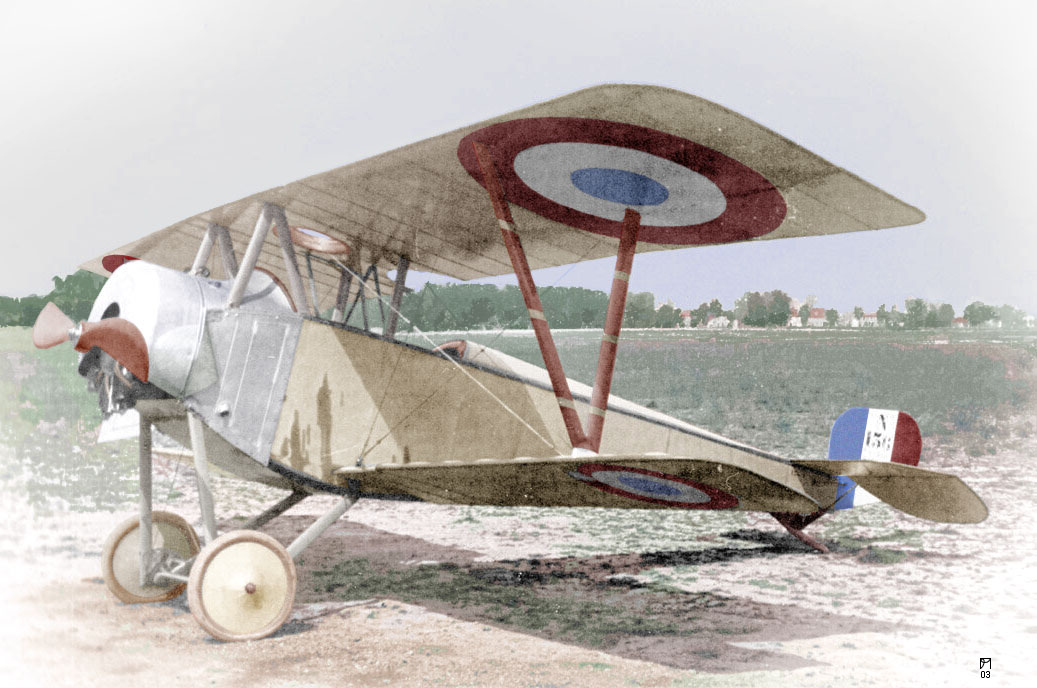
On his way down, Smylie dropped all of his plane’s bombs on the target, except for one that wouldn’t release. He was then able to land his plane in a marsh. Once he landed, Smylie lit his plane on fire, so that the bomb would go off and destroy the plane before enemy forces could seize it.
The Rescue
An enemy cavalry unit was approaching, so Smylie began to run toward allied Turkish territory. When he looked up, he saw Davies’s plane heading toward him. Smylie remembered the bomb left aboard his plane and worried that it would detonate when Davies was trying to rescue him. He ran back to the plane and exploded the bomb by shooting the plane with his pistol.
“As I flew down I could see the Farman [aircraft] burning,” Davies later said, according to the Lord Ashcroft Salutes Bravery article about him. “I flew low round it looking for Smylie and received an almighty shock when the plane suddenly blew up. I had no idea there was a bomb still on board and, in case there were any more, I hastily climbed away. Then, I saw Smylie emerge from a little hollow in which he had been lying and wave.”
Since Davies was flying a plane with only one seat, Smylie had to squeeze himself past the controls and get into a small area in the front of the plane. In fact, Smylie was in there so tightly it took two hours to get him out after the two pilots landed safely.
For his daring yet successful rescue, Squadron-Commander Davies was awarded the Victoria Cross (VC), the highest honor a British soldier can receive. Davies continued his career in the Royal Navy before he retired in 1941 at the rank of vice admiral. He then served in the Royal Naval Reserve for another three years.
Richard Davies passed away at Royal Naval Hospital Haslar in Hampshire on Feb. 26, 1966, three months before he would have turned 80 years old.
What arts and culture topics would you like us to cover? Please email ideas or feedback to features@epochtimes.nyc