



The gap between misery and human weakness on one hand, and our limited strength to pursue happiness on the other, is daunting. We need encouragement, often found in stories, to bridge this divide. The great Canadian musician Stan Rogers offers a powerful example of both the dilemma and its resolution in his song “The Mary Ellen Carter.”
Its strength lies in its unembellished honesty: It distinguishes between human frailty and the spirit’s aspirations, yet celebrates the triumph of both over the hardships that nearly destroy them.
The Story
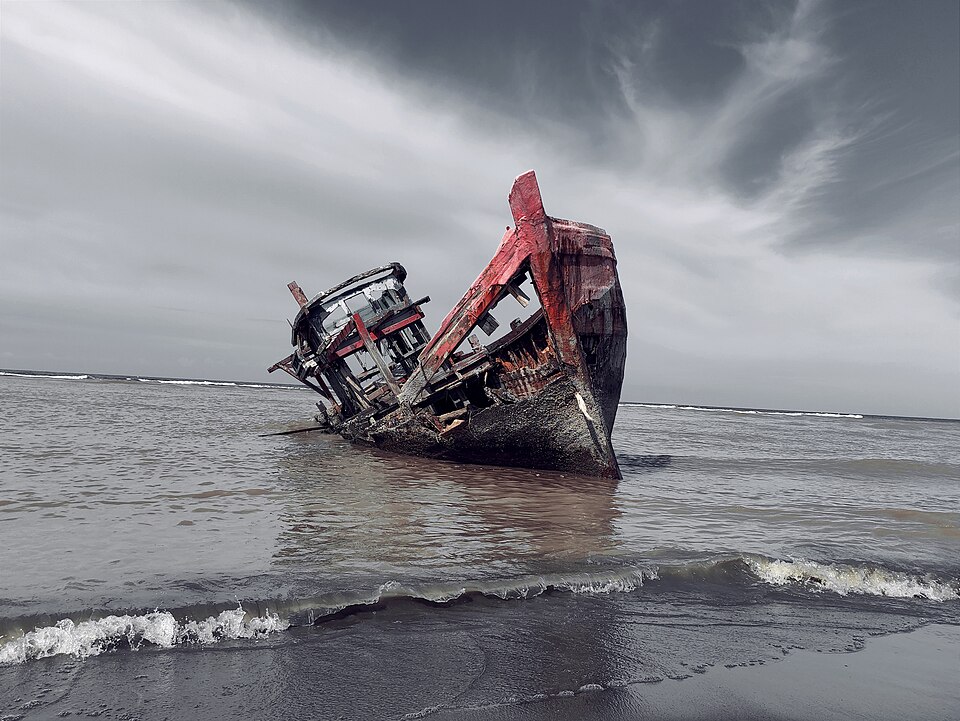
From its opening line, the song strikes a jarring note: “She went down last October,” confronting the audience with the loss of the ship “Mary Ellen Carter.” The wreck was caused by a drunken captain, despite the crew risking their lives to save it after it struck the rocks. The ship’s owners aimed to collect insurance, leaving the crew without work. Rather than abandon the ship, the men chose to salvage it and spent months in difficult and dangerous work to prepare her for recovery.
The song’s simple story has been credited with saving at least one life, that of a shipwrecked merchant mariner who sang “Rise again!” to himself through his ordeal. The song’s impact stems from its realism, acknowledging that many events are beyond our control, which can cruelly affect us, even when we’ve done nothing wrong. “The skipper, he’d been drinking, and the Mate, he felt no pain” suggests that the leadership is solely responsible for their plight, which not only led to the ship’s sinking but also jeopardized the livelihoods of five innocent sailors.
Bad luck from terrible weather also played a role; while the storm was beyond their control, its consequences were severe.
The song bravely confronts human frailty. Though the crew might be innocent of moral faults, they are still affected by other vulnerabilities. At one point, the narrator admits that the difficulties of salvaging the ship were nearly too much for him, stating, “Three dives a day in hard hat suit and twice I’ve had the bends/Thank God it’s only sixty feet and the currents here are slow/Or I’d never have the strength to go below.”
Recovering from adversity often feels overwhelming, or as the song expresses, as if dealt a final blow, when “life is about to end.” One of the song’s strengths is that it doesn’t try to debate this paradox: It depicts making a comeback when it seems there’s no strength left, illustrating motives for living rather than practical arguments for doing so.
Why Rise Again?
The crew believes they owe a debt to the Mary Ellen Carter. Though it sank once, the ship had braved numerous storms and kept them safe. This attachment, poignant yet practical, holds financial promise. If salvaged, it could be “worth a quarter million.” This paradox resonates: While family and friends are irreplaceable, jobs and possessions support our relationships and well-being. The crew risks everything, knowing that success could restore them to their livelihoods.
The Mary Ellen Carter represents more than just a vessel; it embodies the friendships forged among the crew. The true audacity of the song lies not in its outcome but in its timing. It unfolds not at the triumphant refloating of the ship, but just before, when the hard work is done, yet uncertainty looms. So much can still go wrong!
Still, the narrator urges the audience to summon courage and keep fighting despite challenging circumstances. The message remains clear: Hope exists, whether during times of success or failure. Even if the Mary Ellen Carter proves unseaworthy, the hope and faith shared among the men matter most.
This story, along with countless others of frail humans overcoming obstacles, captures the poetic triumph of Stan Rogers’s “Mary Ellen Carter,” offering a realistic portrayal of adversity while celebrating the strength found in striving toward the good.
What arts and culture topics would you like us to cover? Please email ideas or feedback to features@epochtimes.nyc

