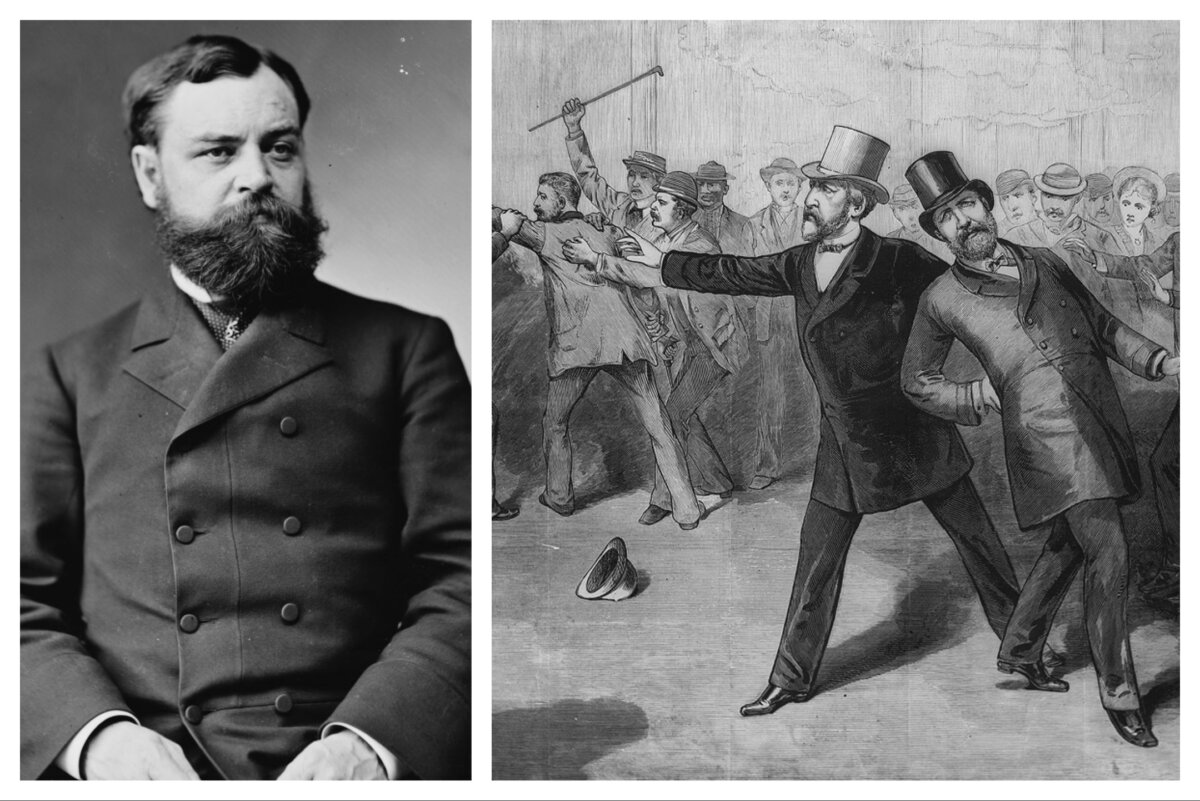
There have been four presidential assassinations in American history. Robert Todd Lincoln, the son of America’s 16th president, had a coincidental connection to three of those four.
John Wilkes Booth, 1865
Tragically, the first of those was John Wilkes Booth, who shot Robert Lincoln’s father, Abraham, on April 14, 1865. Lincoln’s son was not present at Ford’s Theater when the politically motivated actor became the first to assassinate an American head of state. Earlier that day, Robert Lincoln had declined an invitation to attend the showing of “Our American Cousin” with his parents. He told his father he wanted to retire early that fateful evening, having just returned to Washington after serving on Gen. Ulysses S. Grant’s staff during the final days of the Civil War.
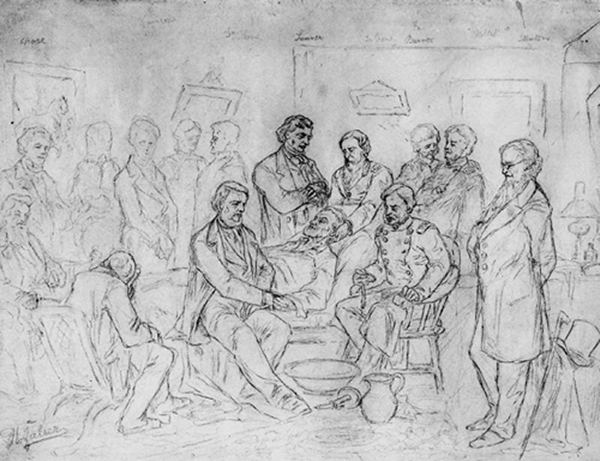
Upon learning of the shooting, the younger Lincoln rushed immediately to see his father at the Peterson house, where the president had been moved. Robert spent much of the night consoling his mother and was among those at Lincoln’s bedside when the president passed away at 7:22 a.m. on April 15, 1865.
James A. Garfield, 1881
Over the next 15 years after his father’s death, many Republicans tried to persuade young Lincoln to run for political office, but he always declined. Lincoln suspected the party’s interest in him becoming a candidate was more about his surname than anything else.
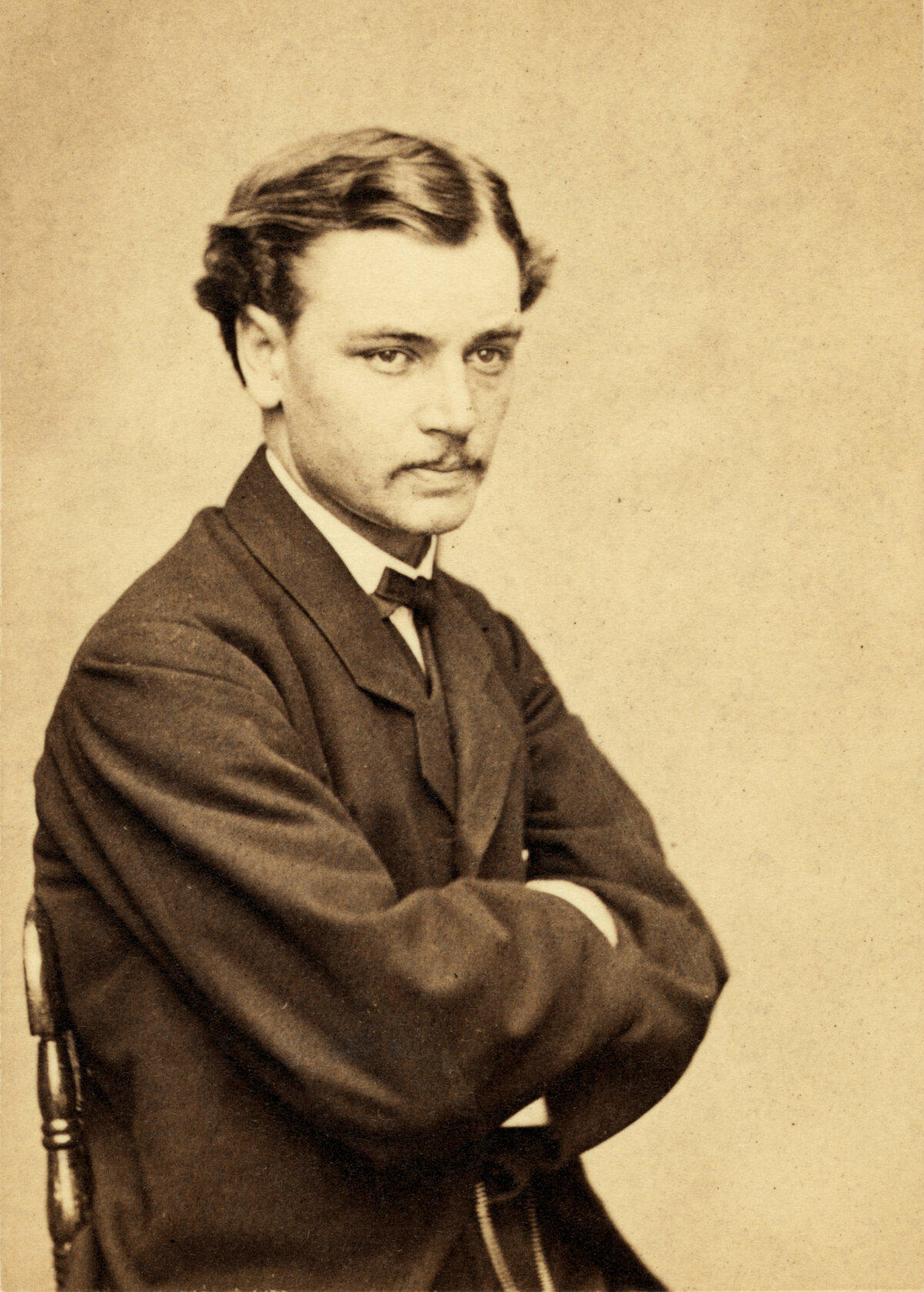
However, in early 1881, he agreed to serve as President James Garfield’s secretary of war.
On July 2, 1881, Lincoln was 40 feet away and walking towards Garfield and Secretary of State James Blaine at Washington’s Baltimore and Potomac train station. Just then, Charles Guiteau, a mentally deranged man who had been denied a political appointment, shot Garfield twice at close range in the back.
Lincoln immediately took charge, sending for a doctor and ordering four companies of soldiers to the train depot for security. When Garfield was returned to the White House after medical treatment, Lincoln secured the White House grounds and ordered a military guard at the jail to prevent a mob lynching.
Unfortunately, Garfield died 80 days later due to complications from infection and poor medical treatment. Garfield’s successor, President Chester A. Arthur, retained only one member of Garfield’s cabinet: Lincoln remained secretary of war until the end of Arthur’s presidency.
William McKinley, 1901
Lincoln left public service in 1893 after serving as President Benjamin Harrison’s U.S. minister to Great Britain for four years. In 1901, as president of the Pullman Palace Car Company, Lincoln and his family were heading back to Chicago after spending a summer-long vacation in New Jersey. On the way, the family decided to visit the Pan-American Exposition in Buffalo, New York.
Upon arriving, Lincoln received a telegram that President William McKinley had been shot that afternoon at the Exposition. Lincoln immediately went to see McKinley, visiting him twice over a two-day period. Encouraged that McKinley was on the mend, the Lincolns resumed their trip to Chicago, only to learn a week later that the president had died of an infection.
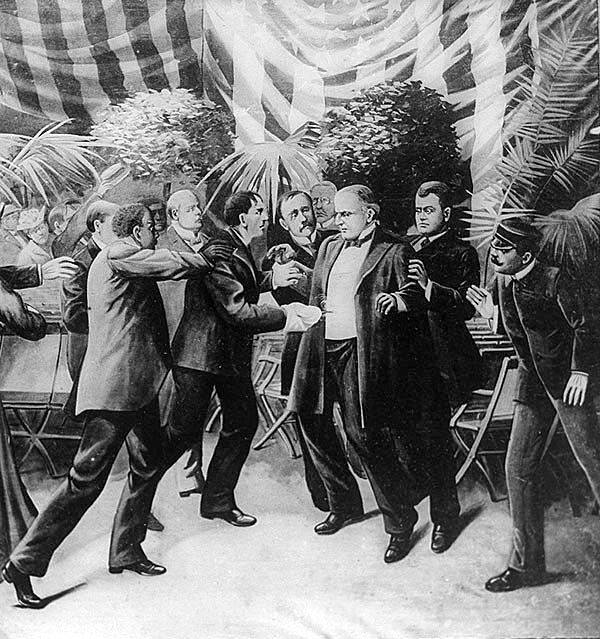
This third presidential assassination haunted Lincoln as both Garfield and McKinley were supposedly recovering from their assassins’ bullets, only to succumb later to their wounds. Shortly after, McKinley’s vice president, Theodore Roosevelt, was sworn in as president, Lincoln sent him a letter, writing, “I do not congratulate you for I have seen too much of the seamy side of the Presidential Robe to think of it as a desirable garment.”
The Lincoln Curse
Much has been written about the “Lincoln curse” involving Robert Lincoln and his association with three presidential assassinations. However, common sense and logic explains that Lincoln had more access to presidential events than most people because of his famous surname and his success as a prominent lawyer, businessman, and diplomat.
Also, Lincoln lived in a time when turbulent waves of social and political unrest culminated in spasms of violence. The nation was still reeling from the devastating Civil War—the social unrest over the elimination of slavery and the controversy over Reconstruction in the South—and passionate disagreements over other cultural reforms perpetuated a climate of violence and upheaval.
Lincoln was not cursed, though it had to be endlessly frustrating to have his personal and professional identity constantly handcuffed to his father’s legacy. When he died in his sleep just days before his 83rd birthday, the New York Times began its obituary:
“Lincoln’s Son Dies in His Sleep at 82.”
What arts and culture topics would you like us to cover? Please email ideas or feedback to features@epochtimes.nyc.