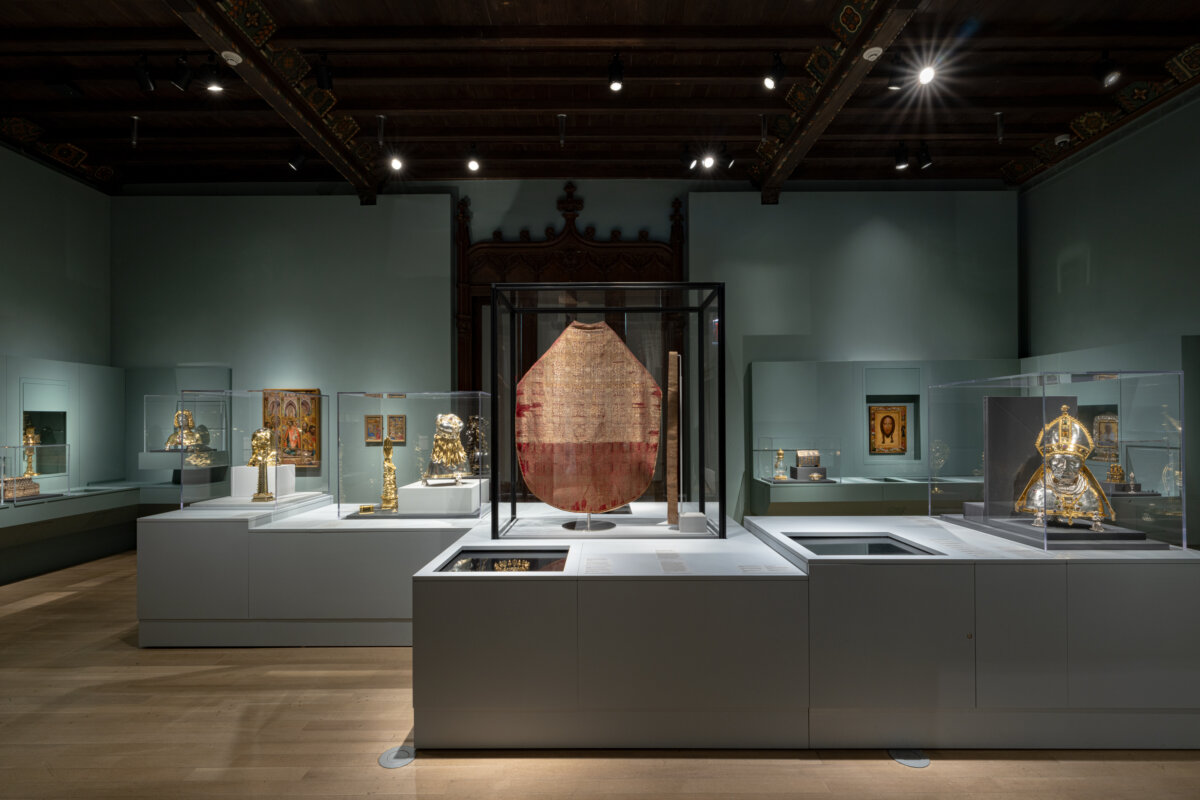
NEW YORK CITY—“Sacred Splendor: Jewish Ritual Art and Christian Treasures from St. Vitus Cathedral in Prague” has just opened at the Jewish Museum in New York. This major exhibition features over 160 objects juxtaposing Jewish and Christian sacred art across six centuries, from the Middle Ages to early modern Europe. On view through Feb. 7, 2027, this unprecedented exhibit enlightens viewers about the similar aesthetics, interconnected histories, and distinctions between artworks from Central Europe’s Jewish and Christian communities.
At the core of this show are spectacular loans from the treasury of St. Vitus Cathedral in Prague. It is the most extensive display of this collection ever to be presented outside Europe. Jewish highlights in the exhibit include precious objects from hoards buried due to persecution and discovered in the modern era, as well as rare ceremonial works from Bohemia and the Germanic regions. In addition to covering a wide chronological breadth, the exhibit dazzles with its showcasing of diverse media, including metalwork, parchment, stone, and textiles.
The Capital of the Holy Roman Empire
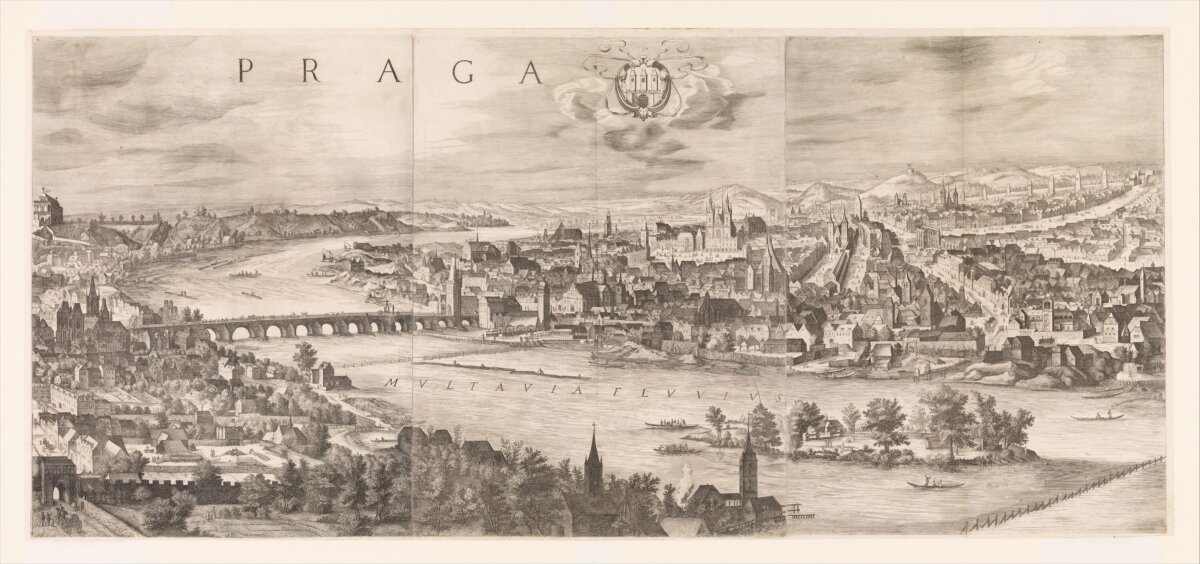
Prague flourished as an artistic center under Emperor Charles IV (1316–1378) and was revived by Emperor Rudolf II (1552–1612). The former made the city the capital of the Holy Roman Empire, which consisted of the present-day Czech Republic and Germany. Charles IV transformed Prague, and one of his projects was the revitalization of St. Vitus Cathedral. This holy site was rebuilt and enlarged in the Gothic architectural style.
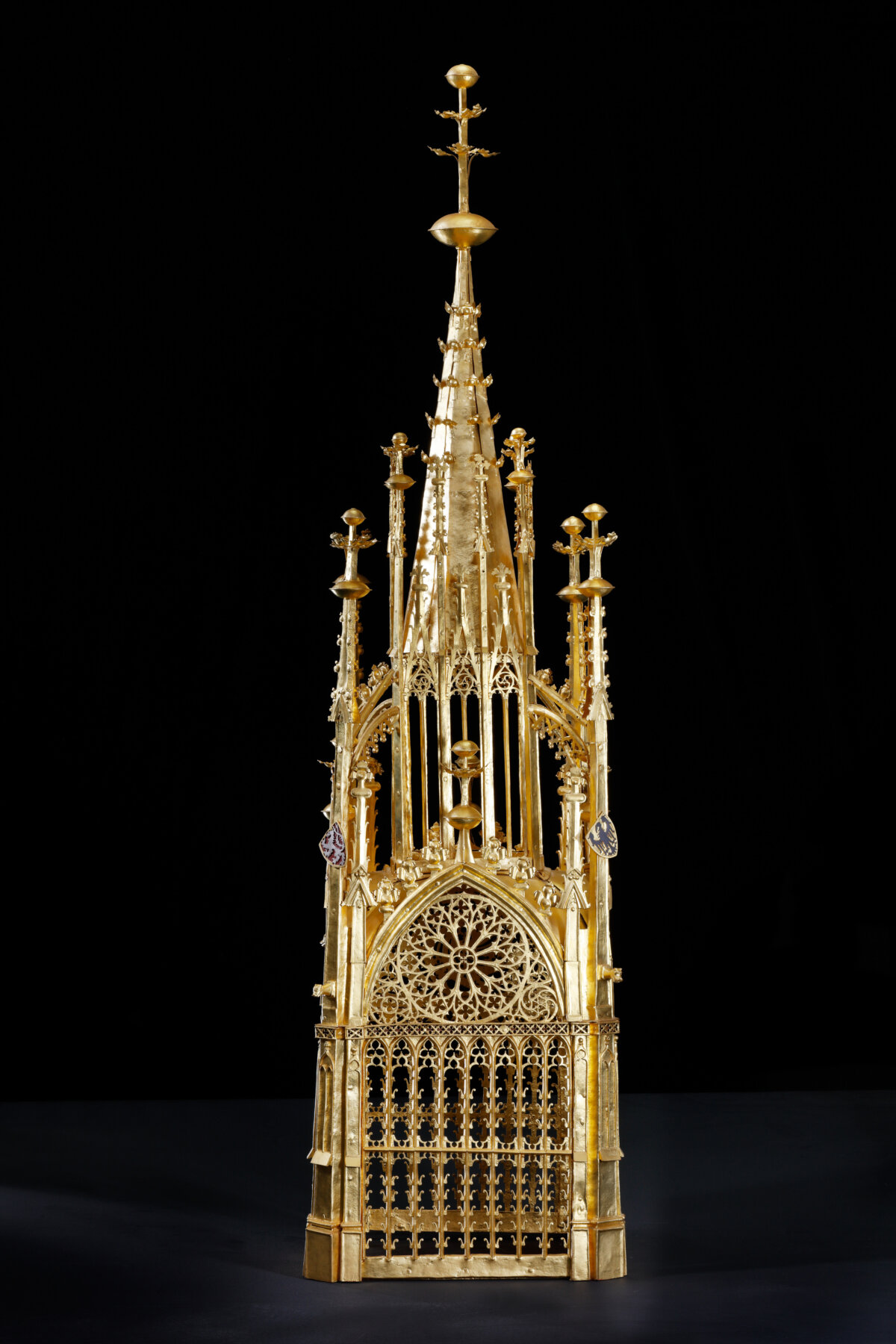
In the exhibit’s first gallery, there is a gilded iron sacrament house (circa 1375), which was created for the cathedral’s chapel devoted to Saint Wenceslas, a patron saint of Bohemia. This object would hold the consecrated host. According to the exhibit label, quintessential elements of Gothic architecture that are visible include “pointed arches, delicate tracery, rose windows, and soaring pinnacles.” This precious vessel is such an accurate example of Gothic architecture that architects used it as a guide centuries later when work was continued on the cathedral.
Holy Reliquaries
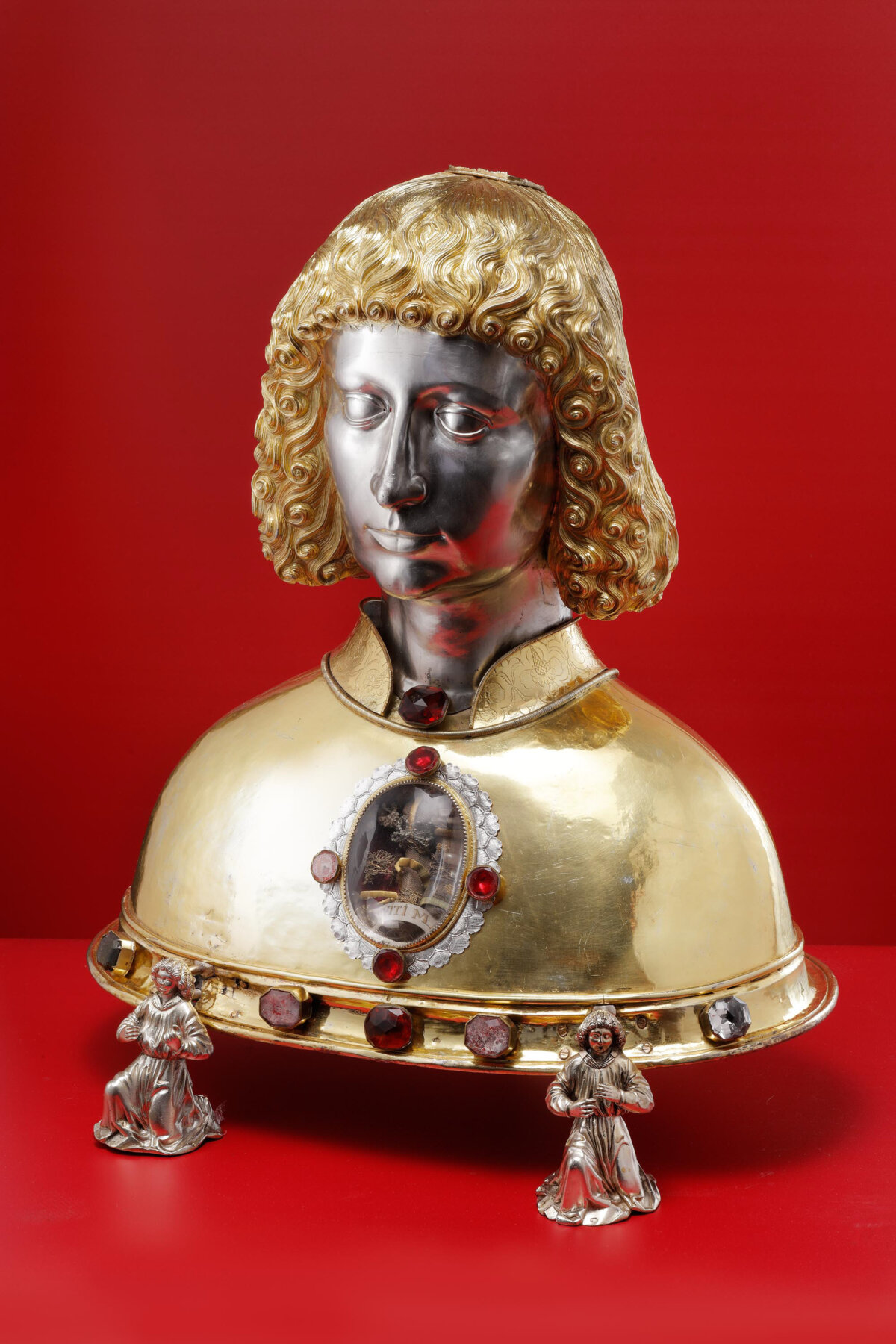
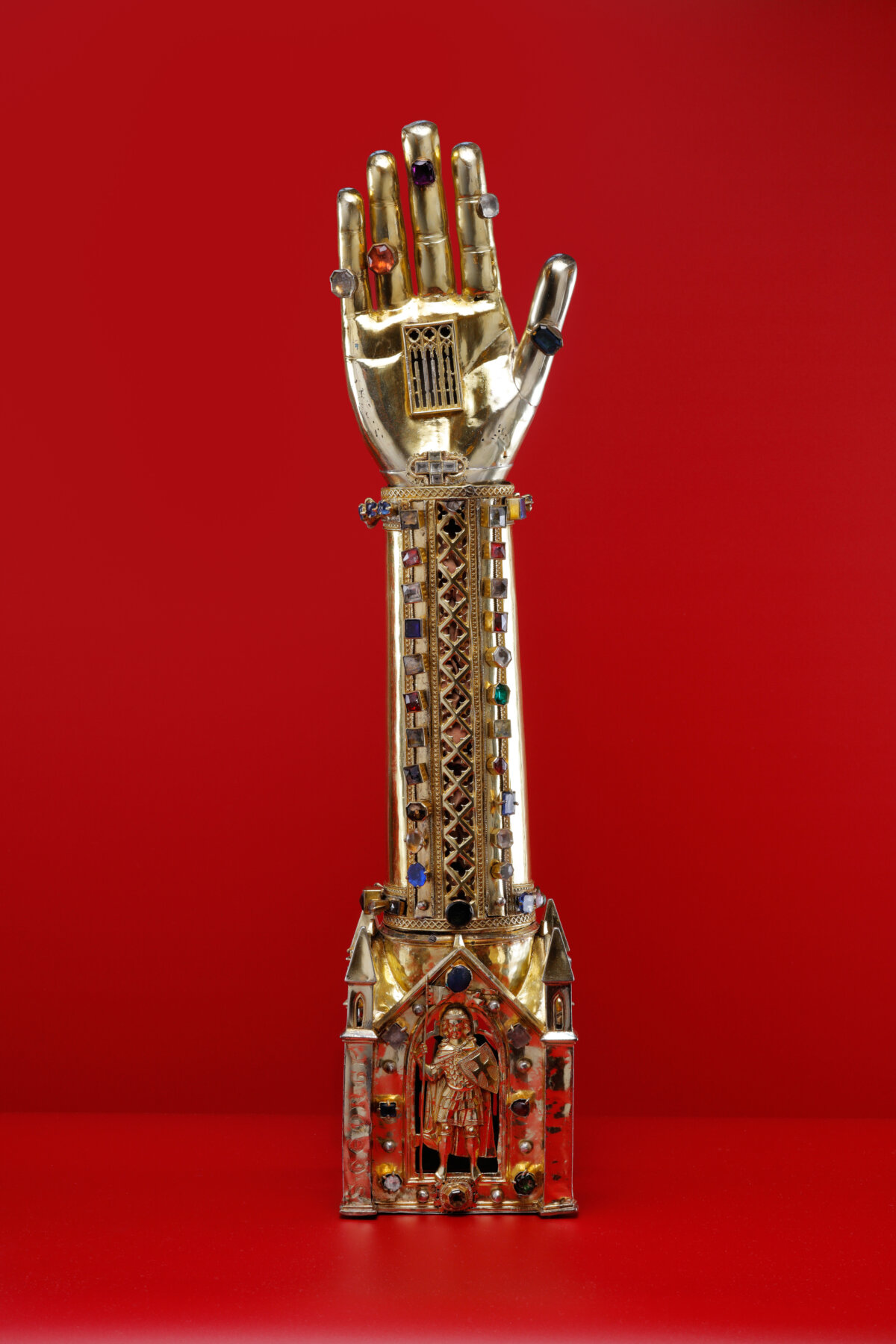
Acquiring relics for St. Vitus Cathedral was another of Charles IV’s priorities. He commissioned elaborate reliquaries to house pieces of the physical remains or belongings of Christian figures. An example in the exhibit is the reliquary bust of Saint Vitus completed in 1486. Vitus, for whom the cathedral is named, was another patron saint of Bohemia. The reliquary’s visual emphasis on idealization, softness, and delicacy reflects Prague’s “Beautiful Style” that stemmed from the artistic environment Charles IV cultivated. An earlier reliquary also on view is an arm-shaped one from circa 1270. It is believed to contain bone fragments from the right arm of Saint George. The Gothic four-sided turreted base is clearly inspired by medieval ecclesiastical architecture.
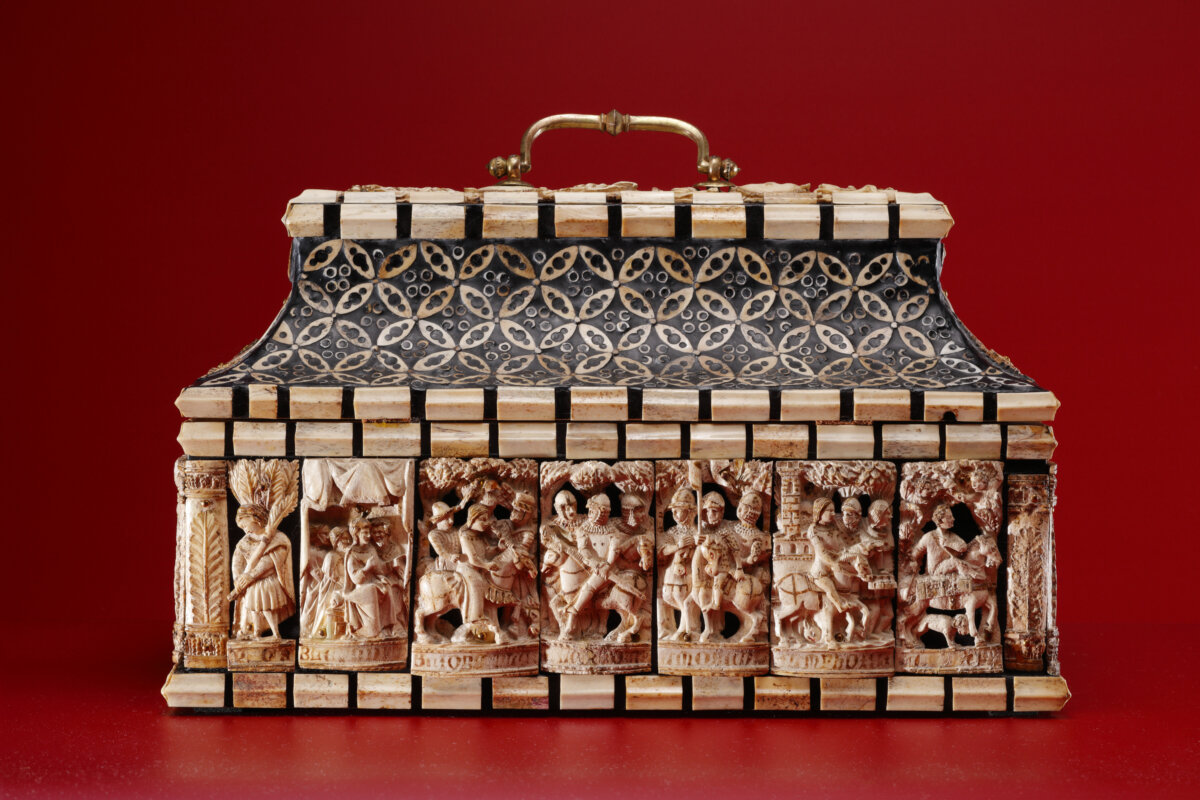
A secular luxury object reappropriated for a sacred function is a bone casket from the Embriachi workshop in Northern Italy. Made before 1376, it was acquired by Charles IV and used to house relics of Saint Sigismund, whom the emperor had made a patron saint of Bohemia.
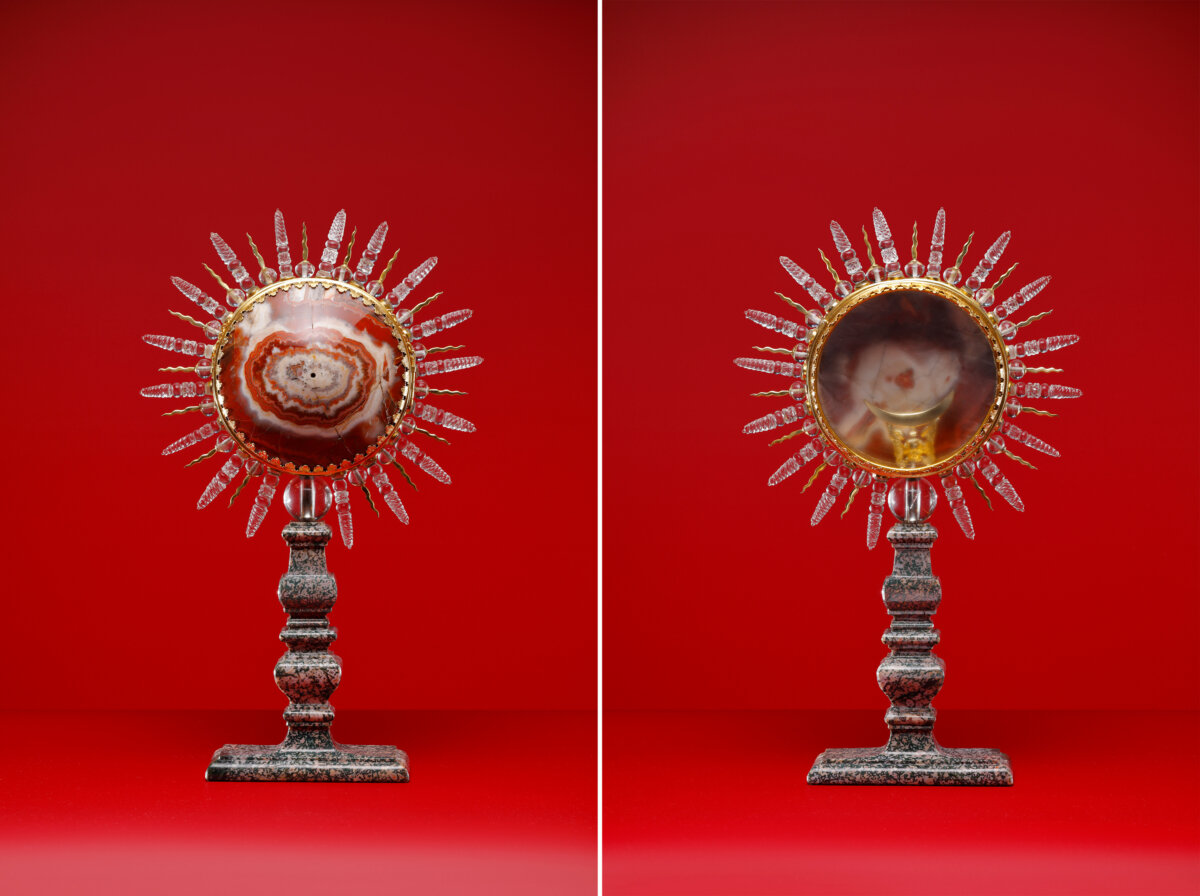
Active in Milan and Prague during the late 16th and early 17th centuries, the Miseroni family were hardstone carvers. They created some of the most exquisite luxury objects of the era. Working for the imperial court in Prague, their 1620 or 1640 sun monstrance of gold, agate, and rock crystal has traveled to the Jewish Museum from the Metropolitan Chapter of St. Vitus in Prague. Its style reflects the mannerist aesthetics of elegance, technical virtuosity, and excess as well as the movement’s esteem of semi-precious stones. Rudolf II, who was passionate about hardstone vessels, promoted the mannerist movement and was so influential that the term “Rudolfine Mannerism” is applied to art created in Prague during his reign.
Juxtaposing Jewish and Christian Sacred Art
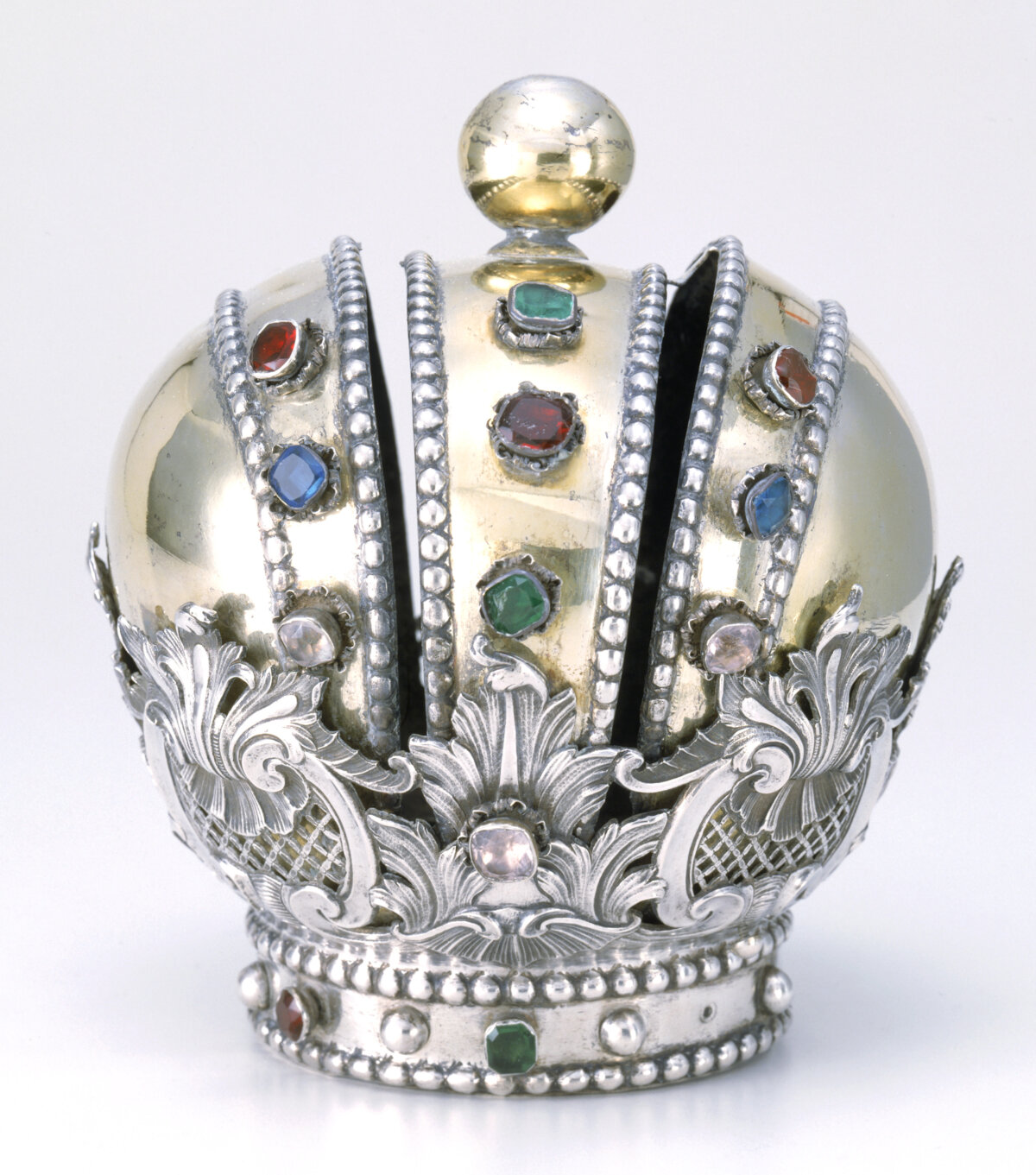
One Jewish ritual object on exhibit is a repoussé, pierced, and parcel-gilt silver Torah crown from Bavaria dated between 1725 to 1750. It has been paired here with a Christian crown used for a statuette of the infant Christ, illustrating how crowns were used to adorn the sacred in both religions. Featuring Baroque motifs, such as curling forms and intricate ornamentation, the crowns are also similar stylistically.
The shared environment of Jews and Christians resulted in artworks from both religions being produced in their age’s leading artistic style. This theme can be seen throughout the exhibit. Additionally, as Jews were not allowed to join many professional guilds, Christians often made their religious art.
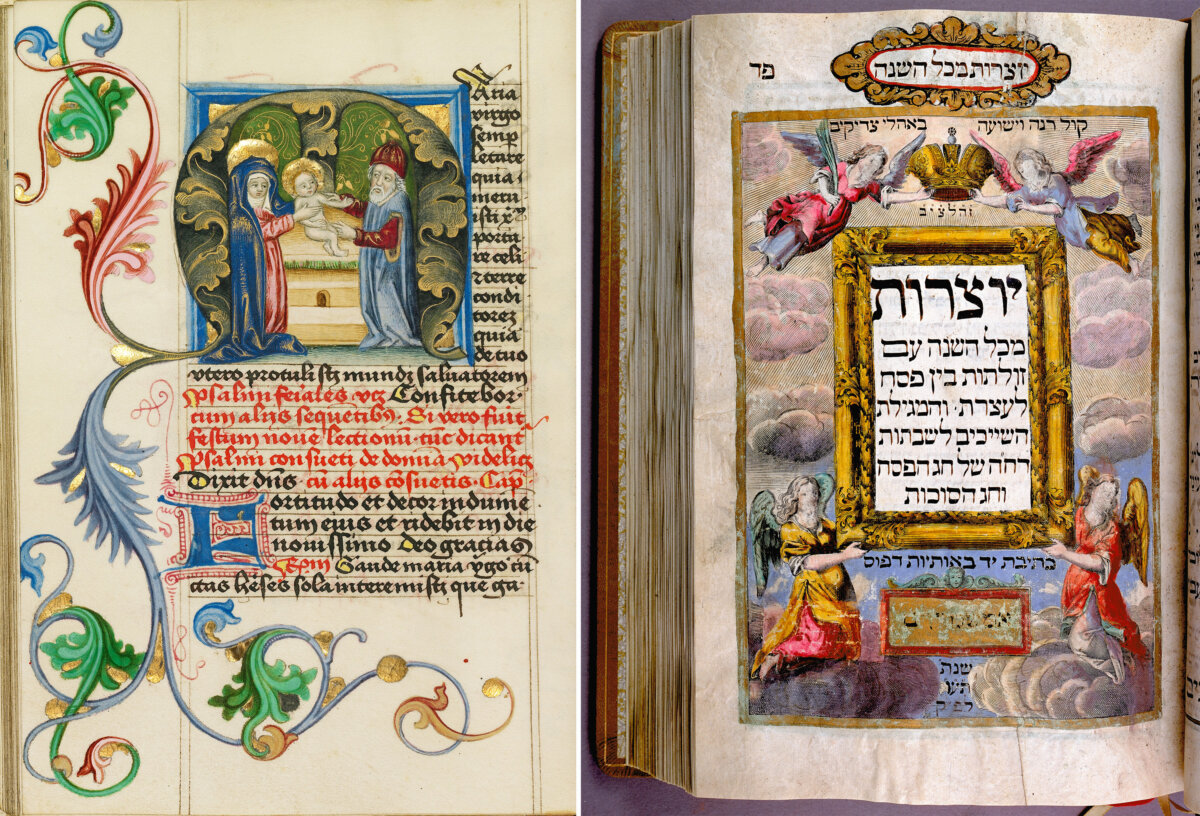
A fascinating comparison in the exhibit is made between an illuminated Hebrew Bible and a Christian prayer book in Latin. Both were produced in the same Prague workshop of the late 15th-century illuminator Valentine Noh. Visual connections between the two books are “ornamental borders with acanthus leaves in red, green, and blue, which issue from thin tendrils accented by golden spheres,” cites the exhibit’s label. A difference between the two is that Christian manuscripts have illuminated initials, which can be seen in the prayer book from about 1470 to 1490, lent by The J. Paul Getty Museum. The initial letter “M” is accompanied by a scene showing the presentation of the infant Christ in the temple. Hebrew manuscripts position initial words within decorative panels because the language does not have capital letters.
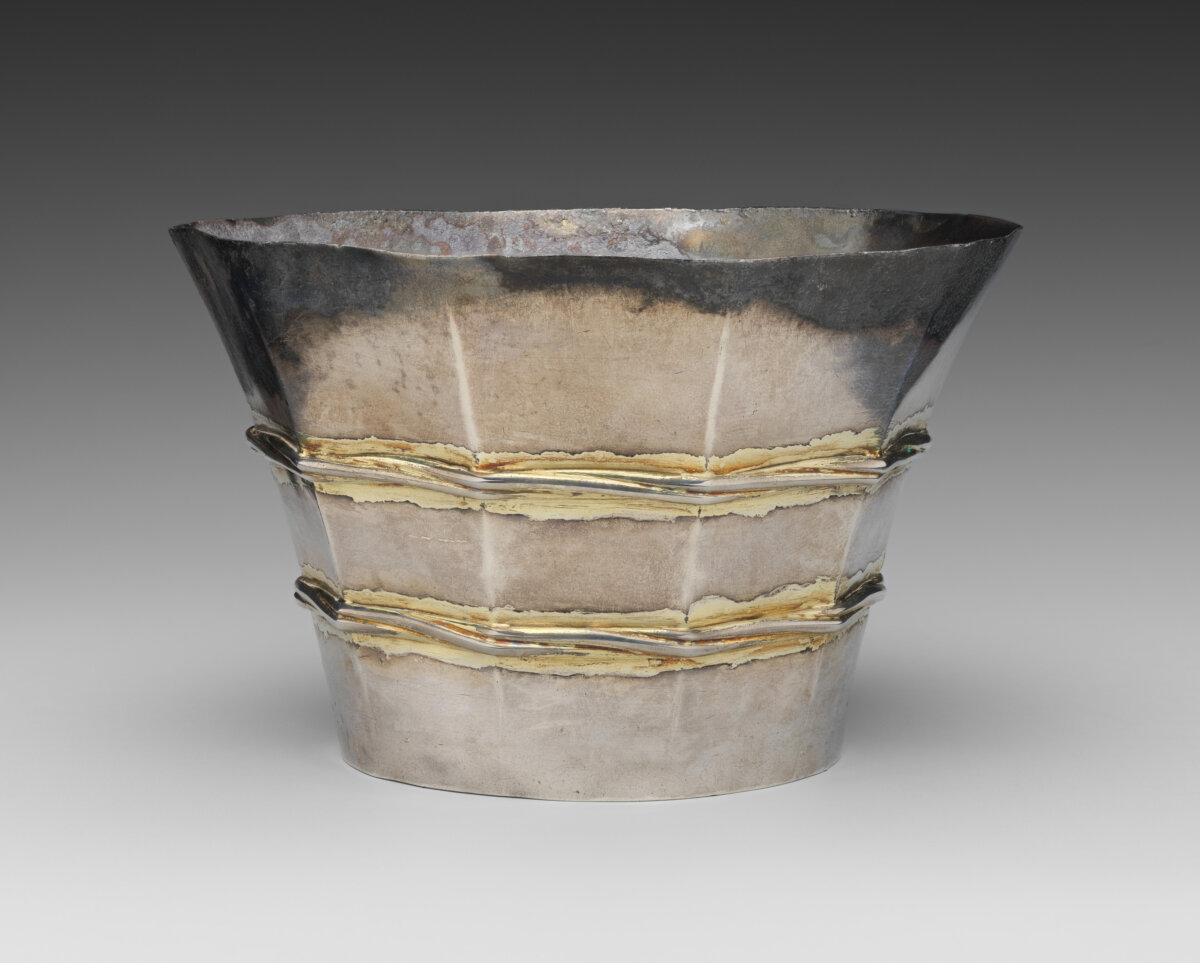
When the Black Death swept across Europe in the late 1340s, Jews were accused of causing the deadly disease. As a result, many Jewish communities were attacked and their people expelled from their homes. Some affluent Jews hid precious possessions underground in collections that have only come to light in recent times during urban reconstruction. One such famous hoard was discovered on a farm near Lingenfeld, Germany. While most of its contents are secular items, octagonal beakers displayed in the exhibit from it may have been used as kiddush cups for the Sabbath and festivals.
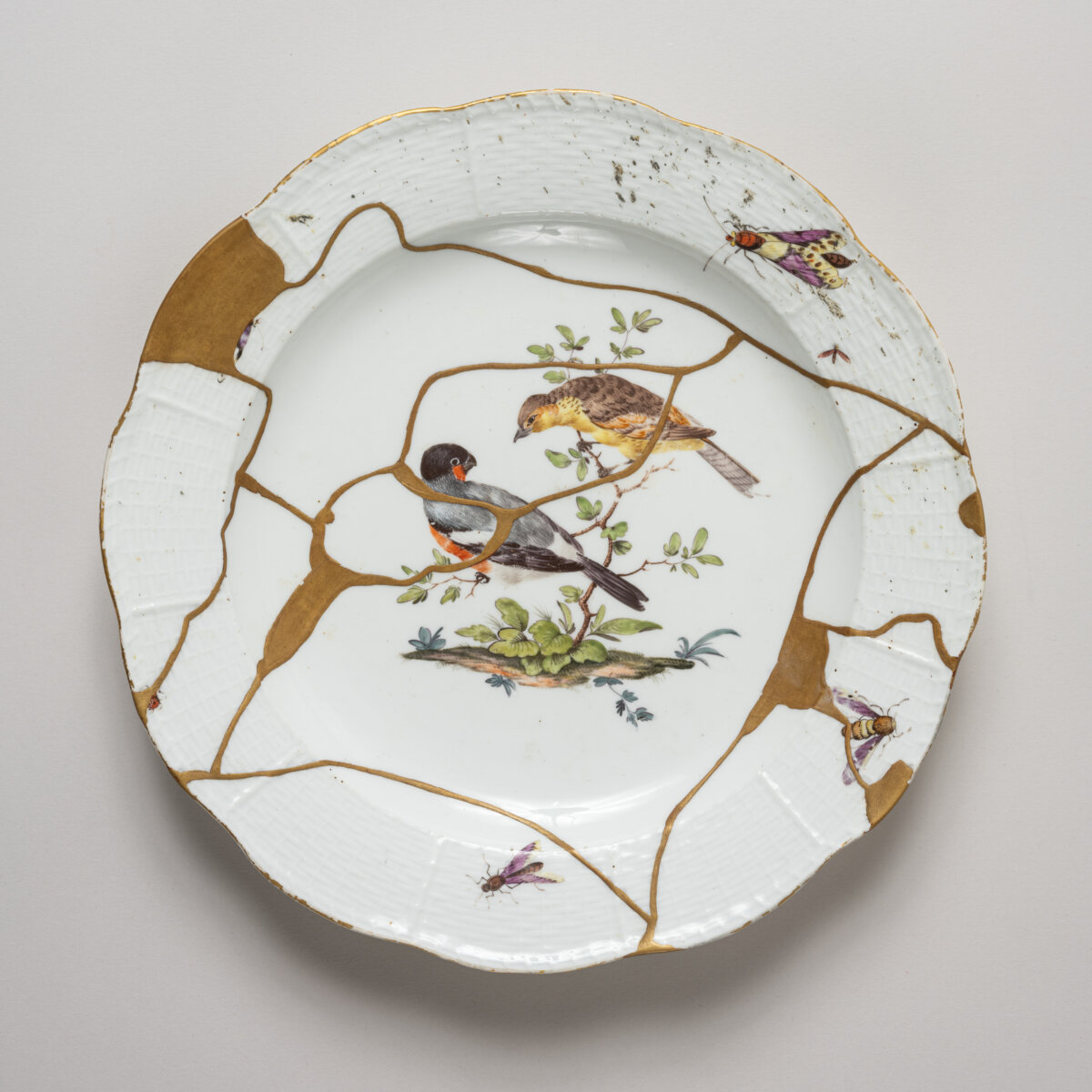
A contemporary artwork in the exhibit speaks to more recent atrocities committed against European Jews. The artist and writer Edmund de Waal worked with the scholar and craftsperson Maiko Tsutsumi to reassemble a broken porcelain plate with the historic Japanese “kintsugi” technique, which uses lacquer and powdered gold to reconstitute damaged ceramics. This Meissen plate was part of a dinner service manufactured circa 1760 to 1765. In the 20th century, it belonged to a German Jewish banker and public servant. The Nazis seized the set in 1938 and damaged it. Shattered pieces were restituted to the family, from whom de Waal purchased them.
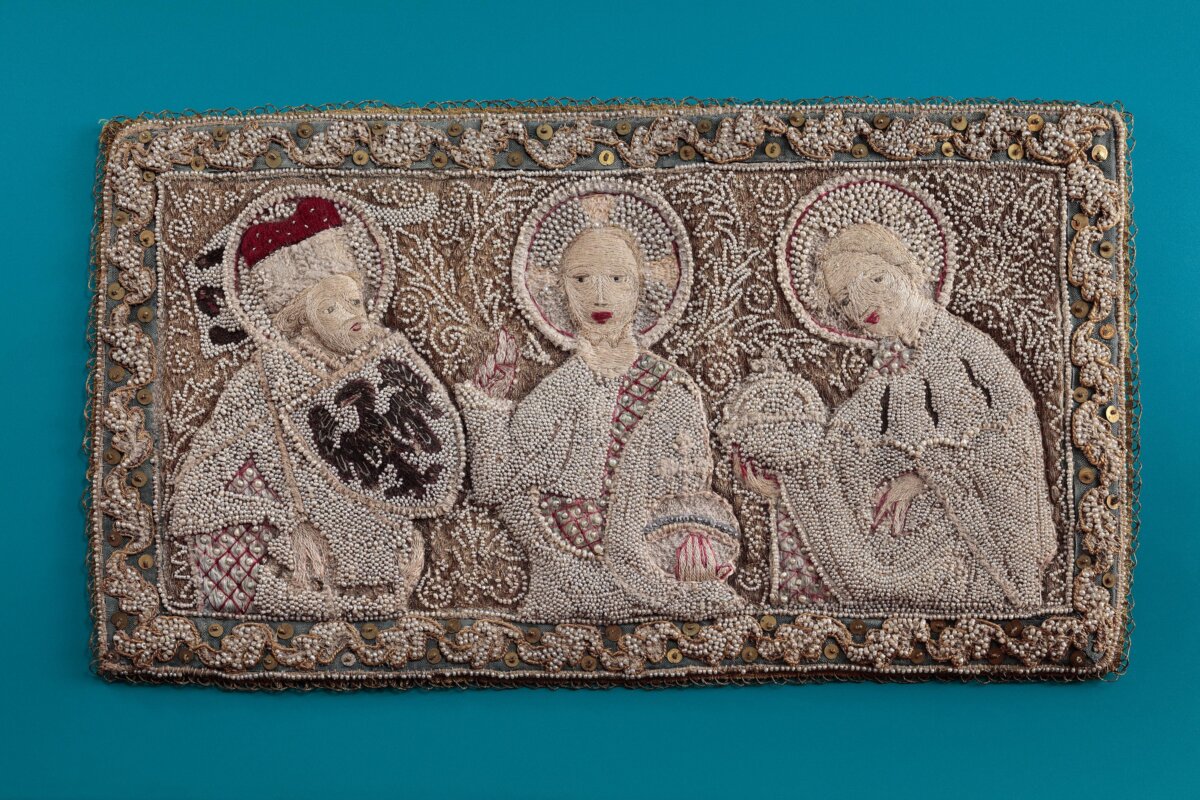
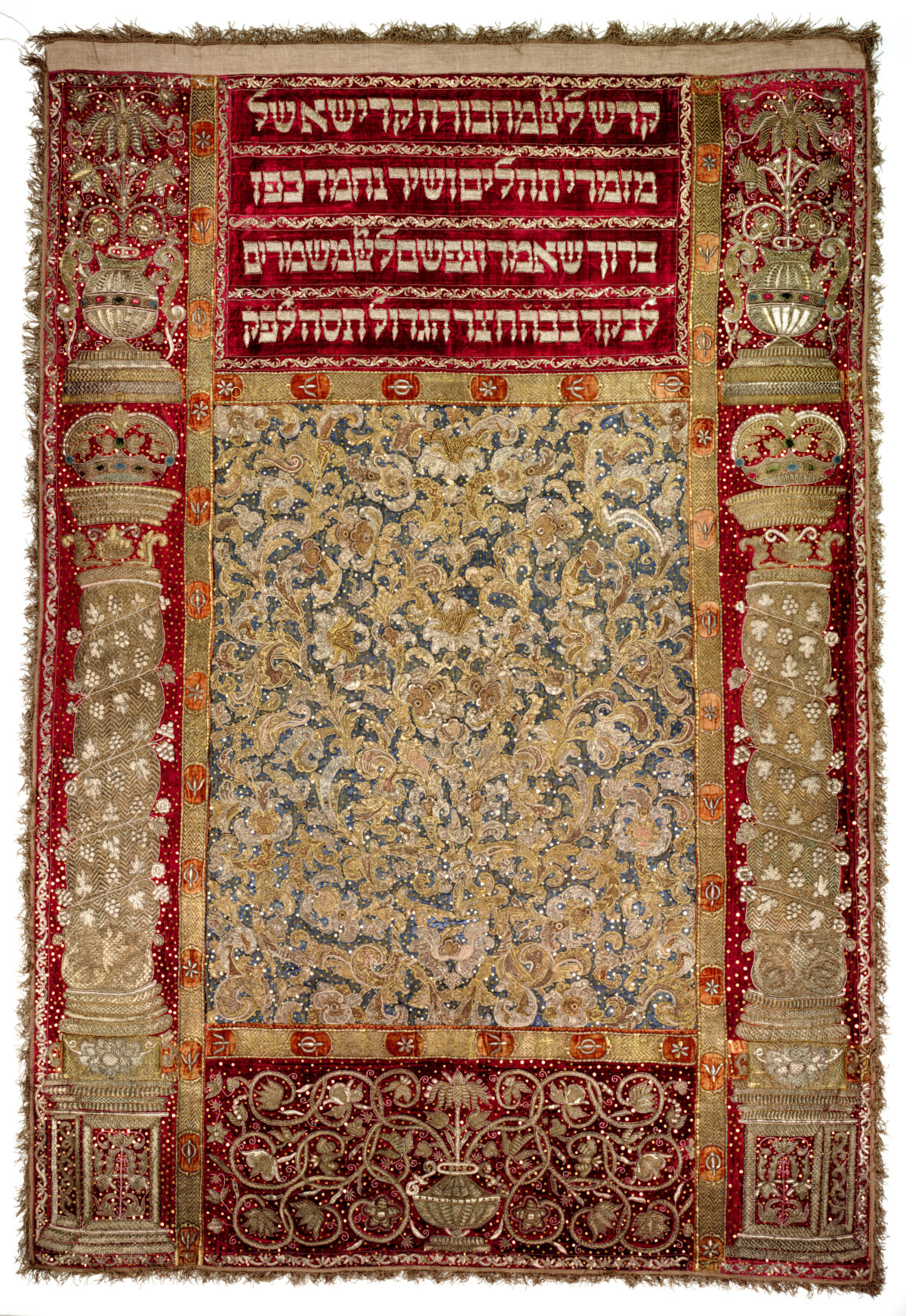
Outstanding embroidered textile fragments lent by St. Vitus are also reflective of the “Beautiful Style” popular in Prague around 1400. Embellished with precious stones and small pearls, the fragments were probably part of altar hangings. An apropos piece shows Christ between Saints Wenceslas and Vitus. A lavish Jewish textile in the exhibit is a circa 1705 Torah curtain from the Great Court Synagogue of Prague. It is decorated with an image of an intricate architectural façade.
The objects in this creative and poignant exhibit are fascinating for their design, craftsmanship, and the histories that they illuminate. Centering the show’s scope around Prague allows for the display of both superb Christian and Jewish objects. The Jewish community in Prague dates to at least the 13th century. Despite repeated periods of persecution, Jews flourished in the city. Altneuschul, the synagogue at the heart of Jewish life in Prague, was built in the 1270s and is an early example of Gothic architectural style used for a Jewish environment. It is the oldest European synagogue that is still active today.
“Sacred Splendor: Jewish Ritual Art and Christian Treasures from St. Vitus Cathedral in Prague” at the Jewish Museum in New York City will be on view through Feb. 7, 2027. To learn more, visit TheJewishMuseum.org.
What arts and culture topics would you like us to cover? Please email ideas or feedback to features@epochtimes.nyc.