NR | 1h 36m | Action, Drama, Thriller | 1962
Akira Kurosawa’s “Sanjuro” (1962) arrived with a sharp edge and light step, pairing the cynical charisma of Toshiro Mifune’s wandering swordsman with a story that subtly pokes fun at the ideals of samurai conduct.
Originally adapted from Shugoro Yamamoto’s story “Hibi Heian” (“Peaceful Days”), the project shifted course midstream. The director, reshaped by the unexpected success of its predecessor “Yojimbo” (1961), reintroduced Mifune as the gruffly astute ronin.
This was not a sequel, but a cleverly reshuffled vision. Kurosawa crafted a streamlined chamber piece wherein the offhand brilliance of the titular character Sanjuro guides a group of earnest but unseasoned warriors through the murky waters of internal clan intrigue.
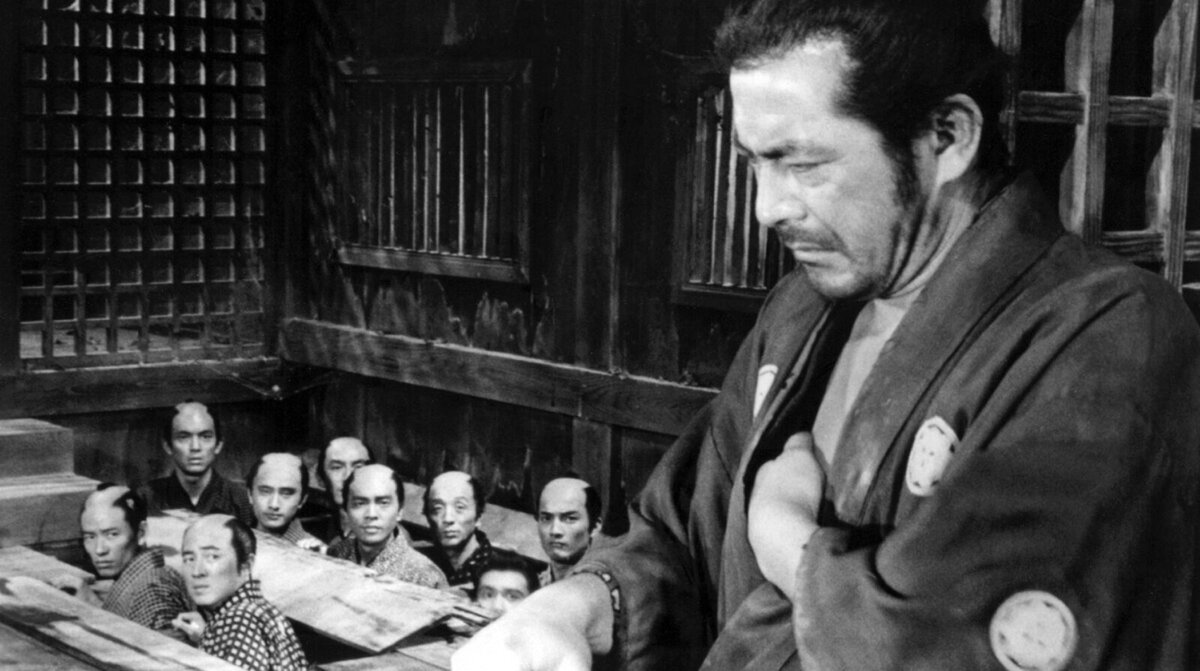
At just over an hour and a half, the film favors crisp momentum over sprawling confrontation, offering a wry and compact take on moral clarity amid corruption.
A Ronin’s Masterclass
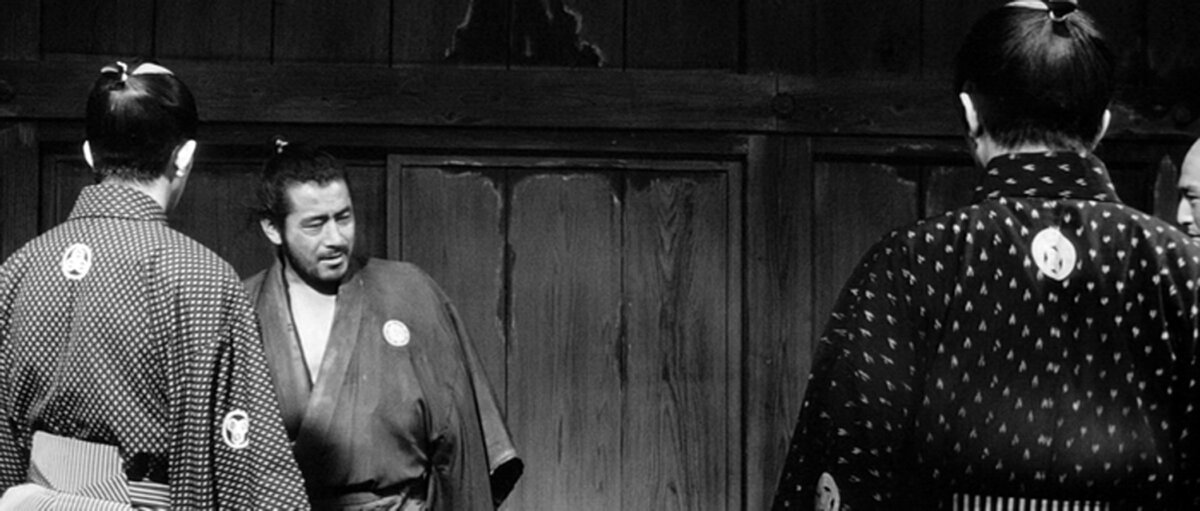
Iori Izaka (Yuzo Kayama), nephew to chamberlain Mutsuta (Yunosuke Ito), seeks to enlist his uncle’s help for political reforms. But when the superintendent, Kikui (Masao Shimizu), shows more interest, Iori gathers his allies only to find they’re being listened to by a ronin (masterless samurai) in the next room. The ronin, Sanjuro (Toshiro Mifune), quickly dismantles their plan and accurately guesses the true loyalties of the chamberlain and the superintendent, despite knowing neither. Before any of them can act, they’re surrounded.
Sanjuro saves the samurais’ lives, drawing the attention of vice-chamberlain Hanbei Muroto (Tatsuya Nakadai), who tries to recruit him. The group learns that Mutsuta has been captured, and his wife and daughter are being held. Though the young men insist on rescuing the chamberlain, Sanjuro wisely points out that the women might know where he is.
They hide next door to Kikui’s ally, believing that no one would search so close. But their enemies are cunning, and the group’s impulsiveness threatens to undo Sanjuro’s careful strategy again and again.
A Blade Sharpened by Wit
Watching “Sanjuro” is a bit like stepping into a room full of overly eager interns with swords and realizing that the only adult in the room is a grumpy, unshaven man who would rather nap than lead a revolution. And thank goodness for that man, because without him, these idealistic but catastrophically impulsive samurai-in-training would’ve tripped over their own swords and ended up in shallow graves before the second act.
To me, this film is a beautiful contradiction. It wears the robes of a political drama but walks with the swagger of a comedy. That’s what makes it such a pleasure to watch. The sharpness of its action is balanced by sly winks and raised eyebrows.
Kurosawa lets the world be flawed and dangerous, but he also reminds us not to take it too seriously, because, really, how can Sanjuro and his team of heroes stage a decent rescue without arguing about wall-climbing etiquette?
Mifune’s Sanjuro moves through the film like a man allergic to the effort of winning, but somehow allergic to losing even more. He’s equal parts exhausted dad and reluctant savior. He shakes his head in disbelief at the samurai around him, who treat every sword fight like it’s their first school play.
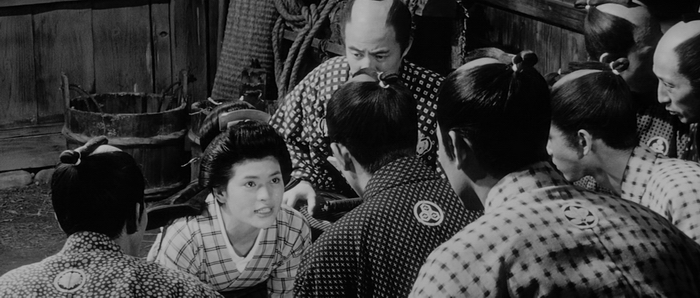
Part of the brilliance of the movie lies in its rhythm. It’s brisk, clocking in under 100 minutes, but it never feels rushed. Kurosawa lets each plan unravel just long enough to show us how badly it’s about to go, only to have Sanjuro step in at the last second like a fed-up chess master flipping the board.
What sets this tale apart from its older sibling, “Yojimbo,” is the atmosphere. “Yojimbo” felt like a sun-scorched alleyway where everyone was waiting for a fight. “Sanjuro” is more of a candlelit corridor where people whisper about loyalty and treason behind sliding doors.
There’s less dust in the air and more formality in the frame, which makes the rogue samurai’s sarcasm all the more delicious. Sanjuro doesn’t just cut through enemies; he cuts through etiquette, pretense, and any notion that war is noble.
What surprised me most was how well comedy and seriousness coexist. Kurosawa threads humor through the film not as comic relief, but as part of the characters’ worldview. These are people fumbling their way through impossible situations, and laughter becomes a survival instinct. I relate. Honestly, who hasn’t stood in the middle of chaos, shrugged, and said, “Well, at least this’ll be a good story later”?
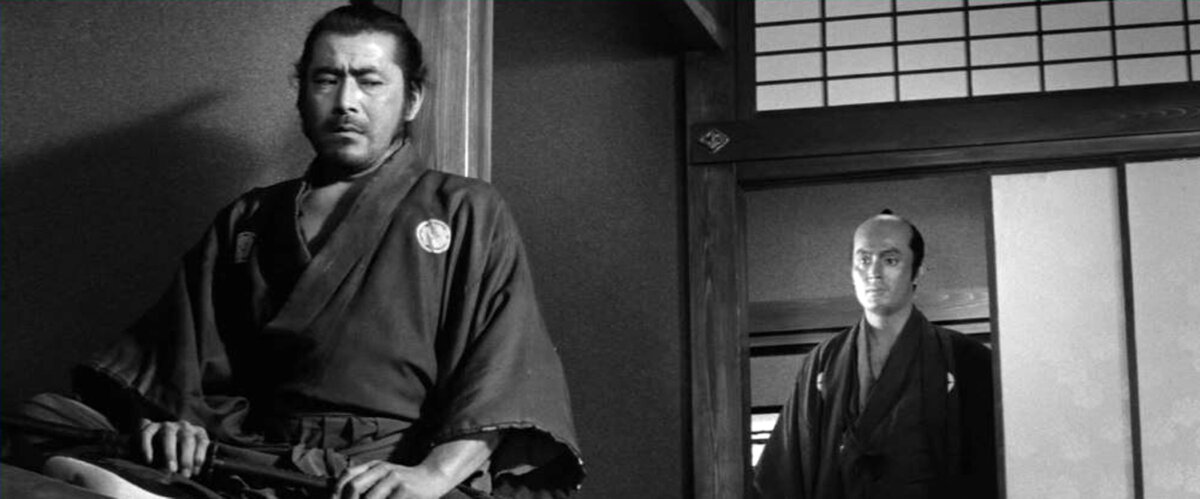
While this film may not wear its themes on its sleeve like some of Kurosawa’s heavier works, it still smuggles in a sharp commentary on power, pride, and poor decision-making. It’s not just about beating the bad guys; it’s about realizing that the good guys don’t always know what they’re doing either.
Sometimes, the best thing a hero can do is shake his head, mumble something sarcastic, and walk away before anyone ruins his moment.
“Sanjuro” is smart without being smug, action-packed without being relentless, and funny without ever slipping into farce. It’s one of those rare films that sneaks up on you with how much it has to say.
This is Kurosawa having fun with form, and Mifune having fun being smarter than everyone else in the room. And, honestly? That’s a winning formula.
“Sanjuro” is available on Amazon, Apple TV, and The Criterion Channel.
‘Sanjuro’
Director: Akira Kurosawa
Starring: Toshiro Mifune, Tatsuya Nakadai, Keiju Kobayashi
Running Time: 1 hour, 36 minutes
Not Rated
Release Date: May 7, 1963
Rated: 4 stars out of 5
What arts and culture topics would you like us to cover? Please email ideas or feedback to features@epochtimes.nyc