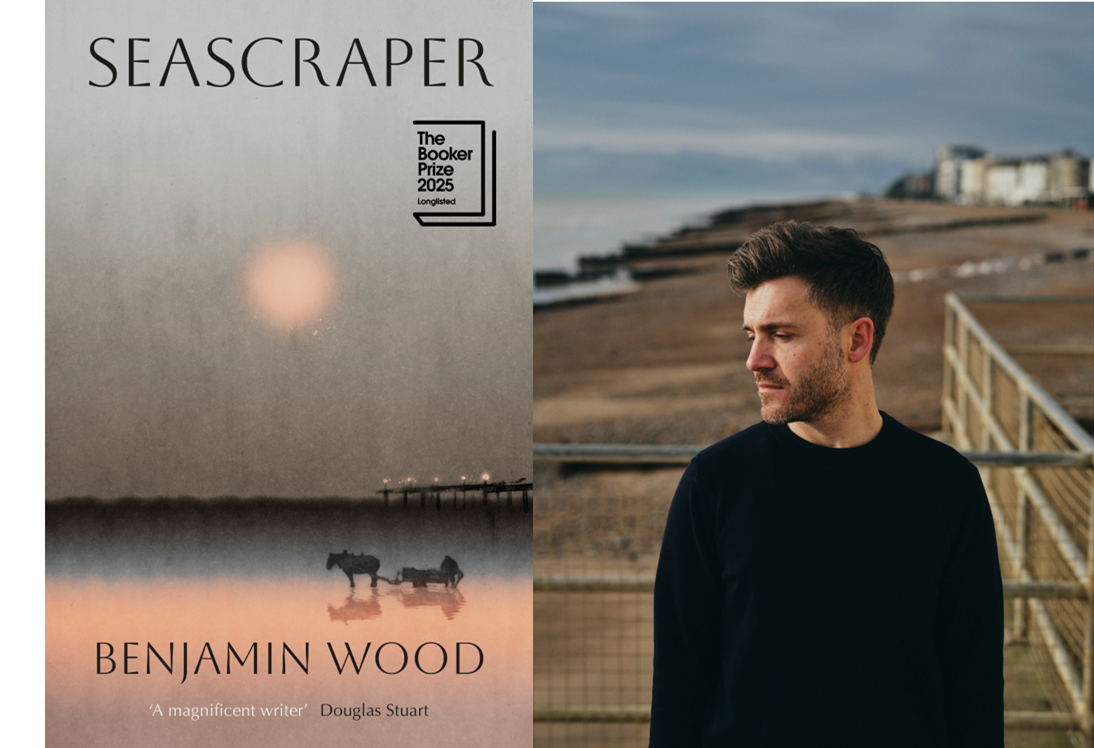
Thomas Flett lives and works in the seaside town of Longferry in 1962 England. He’s a shanker, a man who spends his days dragging nets behind his horse. He hunts for shrimp through the muck of the nearby shores at low tide. Flett is young, in his early 20s, yet moves like an old man stinking of fish, and his hands are always raw and frozen.
Other shankers have turned to industrial solutions, trawling by motorized boats. They’ve abandoned the cold, wet, and dangerous system that Flett’s grandfather worked for years before he died. By sailing farther from shore, trawlers with bigger nets can catch five times as much as Flett could by hand.
But he hasn’t got the ambition or the spirit even to try to do something like this. He “relies upon the ebb tide for a living, but he knows the end is near.”
Low Tide
The only relationships he has are with his horse and his mother, Lillian, neither of which brings him much satisfaction. Lilian and he share a tiny run-down home. A stable, on the verge of collapse, is in the back for his horse. Flett never bothered to name the horse, despite whatever affection he has for it. Horses are prone to getting trapped in sinkpits hidden in the muck, and then there’s nothing that can save them.
Following this old way of shanking means that Flett’s life is a never-altering routine of hard toil in cold, wet sands. “Habit’s all you can rely on,” he says. It keeps him from making critical mistakes that would cost him his day’s catch or, possibly, his life. Regardless of how successful his day’s catch might be, he’ll take what shrimp he’s collected to John Rigby’s seafood yard, get his two pounds, and return home.
After this particular day’s work is done, Flett arrives at his cottage to find his mother entertaining a stranger named Edgar Acheson. Acheson identifies himself as an American film director. He offers Flett a job assisting with his upcoming movie, “The Outermost,” which is to be filmed on the local beach.
Thomas is skeptical. The offer that this man’s making, especially the fee that accompanies it, seems too good to be true. Yet what else could this be?
Dreams From the Dirt
“Seascraper” is easily one of the best books of the year, and it’s hardly surprising that it was longlisted for the Booker Prize. Author Benjamin Wood has conjured a masterfully stark atmosphere in the fictional town of Longferry.
The ways and means of Flett’s life envelop the reader from the beginning. His daily routine can make you believe that your own clothes are as cold and damp as Flett’s, that the briny sea air is in your lungs, and that you can feel his need for something more in his life.
At its heart, “Seascraper” is a book about dreams and their insatiable hold on us. They can be small treasures found in the tidal flats, much like the dwindling shrimp Flett hunts for. He sold his grandfather’s watch, a prized possession, for a guitar to write and sing songs with, and a chance to catch the attention of a neighborhood girl.
But this small seed of ambition, he realizes, is also a double-edged sword. The routine of shanking “never used to foul his mood this much, the cold, the loneliness, the graft. … It was enough to fill the whiskets up with shrimp each morning and accept the cash for them by afternoon.”
This idea of music and love has taken hold of him. Now, “he’s come to understand: he settled for too little.”
He has to hide the guitar from his mother, afraid that she would throw it into the fire to teach him a lesson for his foolishness. Yet her own existence is caught up in the dreams of her youth. She refuses to let them go or acknowledge how low her life has sunk in the 20 years since she gave birth to Flett, when she was just under 16. Her man, Flett’s father, is long gone, and she never speaks of him.
For his part, Acheson’s dreams are fixated on reviving a beloved Gothic novel called “The Outermost,” a flop when it was first released in 1927. He is obsessed with transforming it into his vision on film. He is also apparently willing to put his money and himself on the line—at least, that’s what he says. Does Flett dare to believe in the possibilities that Acheson holds?
It takes a serious talent to bring out the beauty and hope in a life of such darkness and privation. Classic stories like Ernest Hemingway’s “The Old Man and the Sea” or Alexander Solzhenitsyn’s “One Day in the Life of Ivan Denisovich” are excellent examples of this.
Yet Benjamin Wood’s done it. “Seascraper” is a truly excellent novel, and one not to be missed.
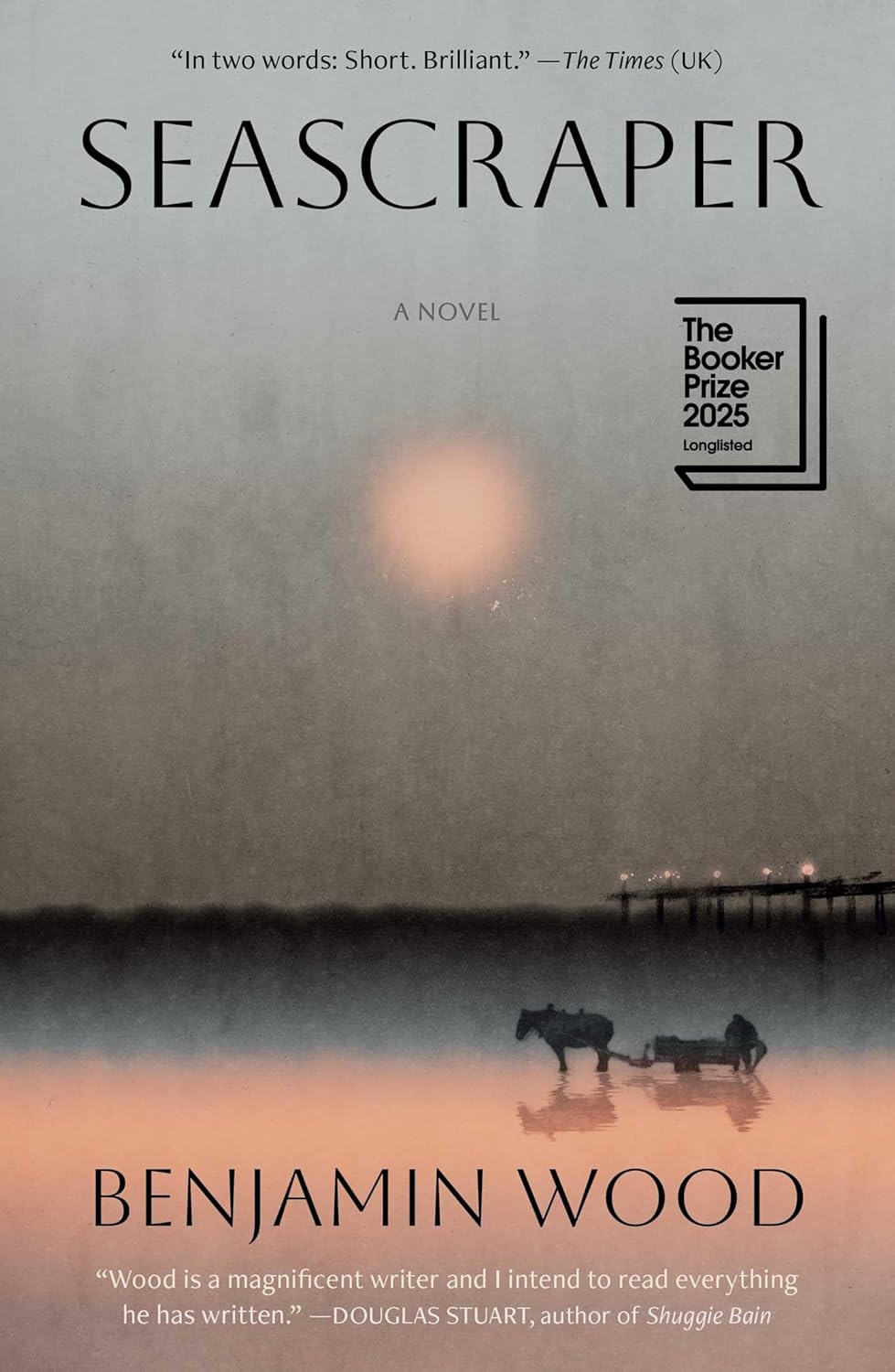
‘Seascraper’
By Benjamin Wood
Scribner: Nov. 4, 2025
Hardcover, 176 pages
What arts and culture topics would you like us to cover? Please email ideas or feedback to features@epochtimes.nyc