



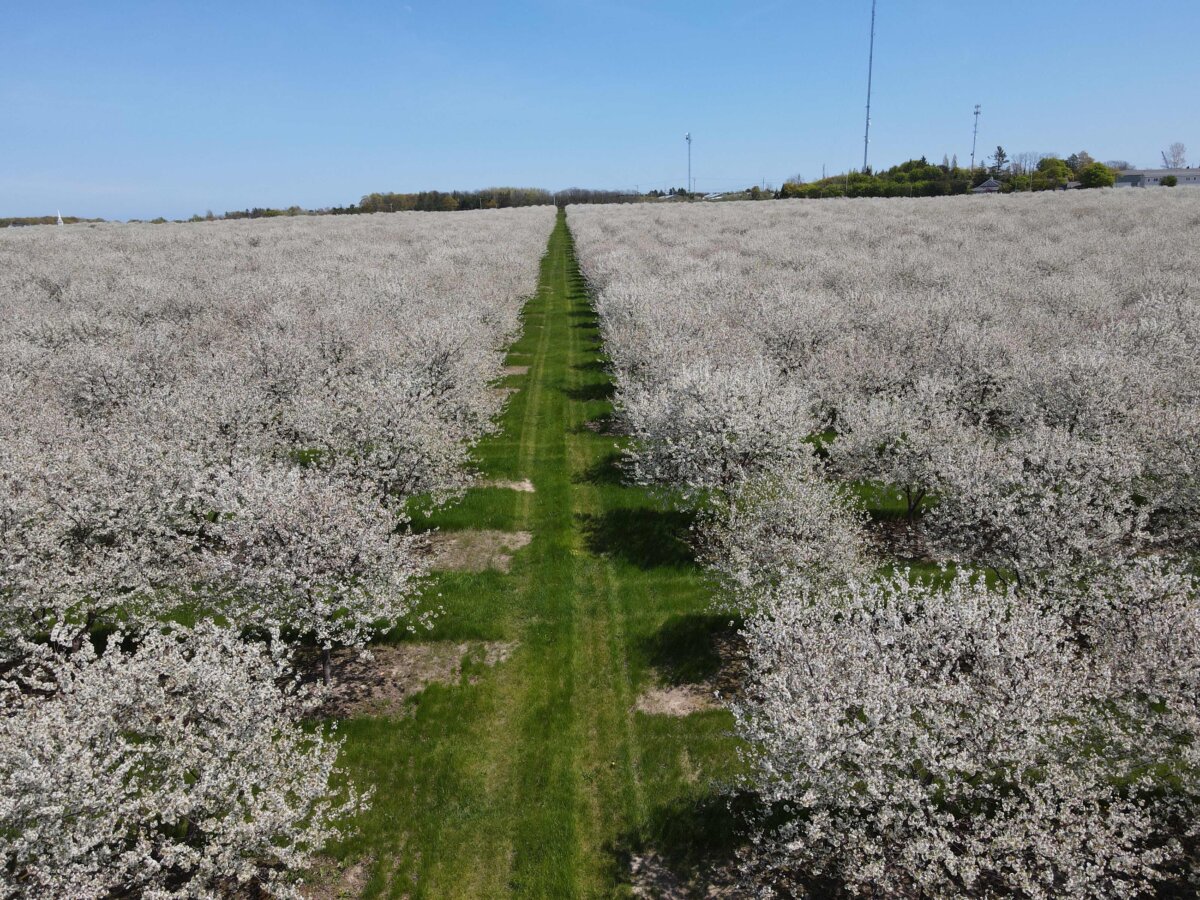
You might not hear “Wisconsin” and think, “Ah, yes, famous for cherries!” But locals know: The state’s peninsular thumb, Door County, is perfect for the fruit tree, thanks to the stabilizing temperatures of Lake Michigan and well-drained, rocky soil.
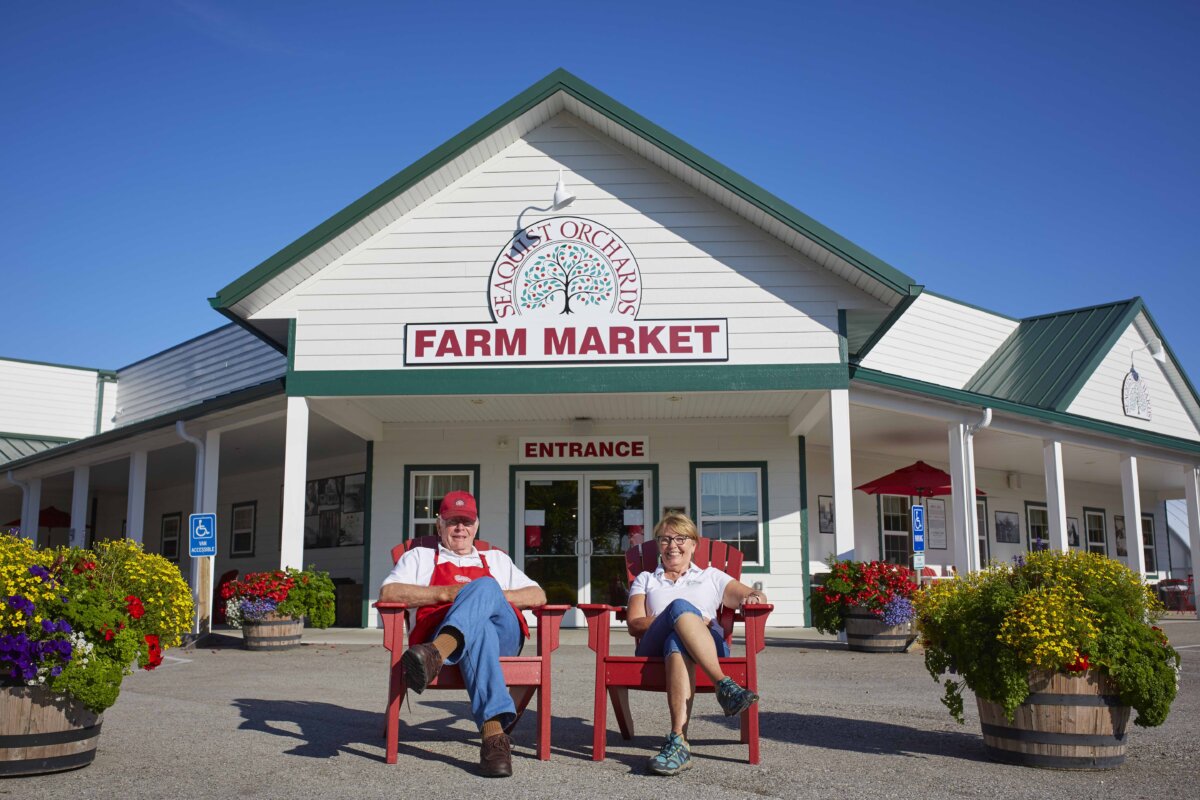
After apple orchardists first planted cherries in 1896, Anders Seaquist decided to give them a try and purchased 700 trees. It was a good bet: More than a century and five generations later, Seaquist Orchards has grown to 1,300 acres of tart cherry trees, which produce around 12 million pounds of the fruit each year—often the vast majority of Wisconsin’s annual harvest. You can buy fresh cherries or pick your own during the harvest, from mid-July to mid-August. The orchard’s retail store and scratch bakery have become a Door County destination, selling 80 kinds of jam, jelly, salsa, pie filling, and, most notably, cherry pies—14,000 each year, and growing.
About 40 years ago, Kristin Seaquist, married to Anders’s great-grandson Dale, had an idea. “‘You know, we need a bakery here,’” she said to her husband. “He got me one stainless steel table and one oven and I started making pies.” Seaquist borrowed her grandmother’s pie recipe and tweaked it to work for larger batches. She was raising six kids and would get up at 2 a.m. to make around 25 pies, enough to get through that day. Then she’d run home and send the kids off to school, only to come back and work all day.
Now, as Seaquist tries to step away a bit from what she calls her seventh child, the 74-year-old has other people doing most of the work, producing 2,000 pies in a single day. But she spared some time to share her best pie-making pointers.
What’s in a Cherry?
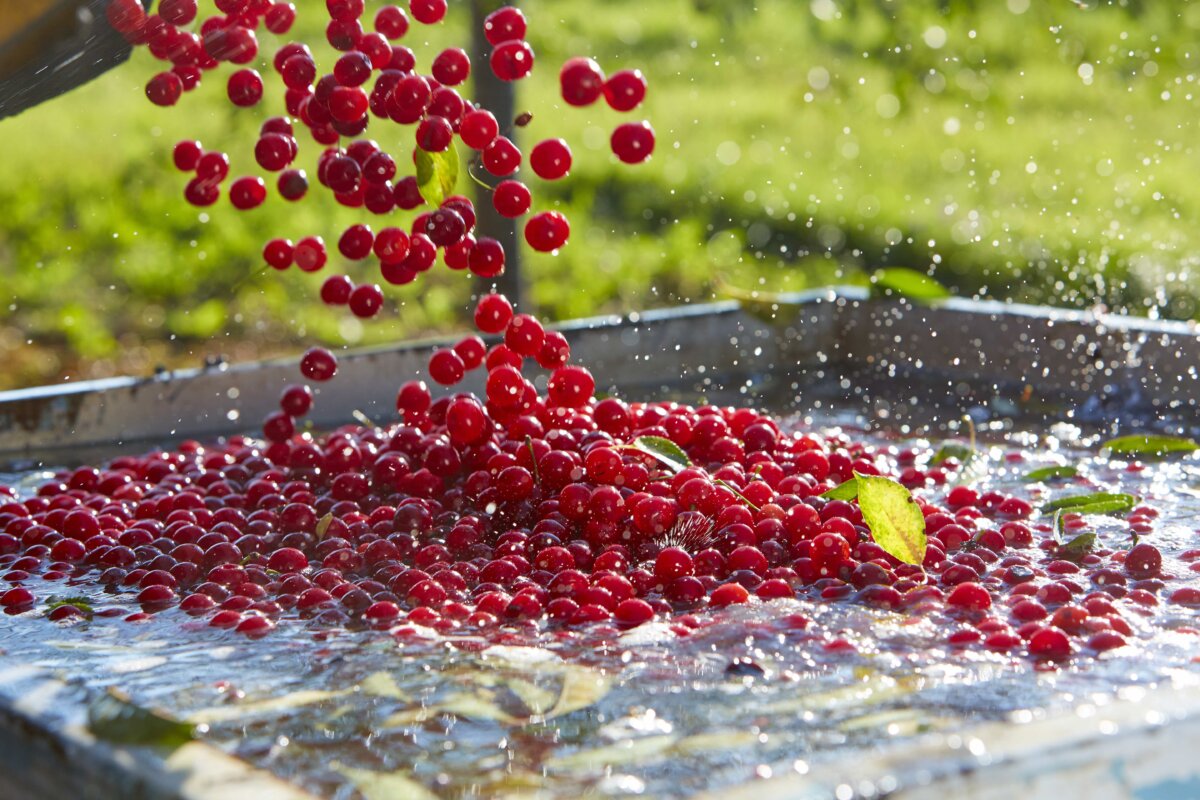
Pucker up: While Seaquist Orchards grows several kinds of cherries, the majority are Montmorency, a tart variety. A cherry by any other name would likely be sweet, but that’s not the cherry you want, says Seaquist: “Sweet ones don’t have that much flavor when you bake with them.”
Don’t stretch your filling: Low-quality canned pie filling may leave you with slices with “like three cherries and that’s it,” Seaquist said. “We make sure there’s a lot of cherries in the filling—not a lot of that gel kind of stuff.” Two and a half pounds of fruit go into each 9-inch pie. If you’re using fresh cherries, “start with at least a quart and a half or two,” Seaquist said, so you’ll have the right amount after they’re pitted.
Do remember to pit them: Seaquist recalls a friend who made a pie with fresh cherries for her husband when she was young and just married. “She thought she was making this delicious cherry pie—until he was eating his slice and he had pits all over the place.”
The Crux of the Crust
Don’t fear the fat: The crust has “got to be flaky,” said Seaquist. To achieve that, the dough requires fat to prevent the flour from getting over-hydrated, which can create more gluten, giving you chewier rather than flaky results. In the bakery, they use shortening, but if Seaquist is making a pie at home, she uses lard. “Lard makes a very flaky crust,” she said.
Keep it cold: With either fat, you want it cold and cut into small pieces before you mix it with the flour, to prevent it from mixing in completely. In the oven, those unmelted bits will create spaces in the crust that lead to those separated, flaky layers. It’s equally important to not overwork the dough: “Don’t over-push it around, because that’ll take that flakiness out,” Seaquist said. If your dough starts to feel soft and sticky, it’s too warm; chill it in the fridge again before continuing.
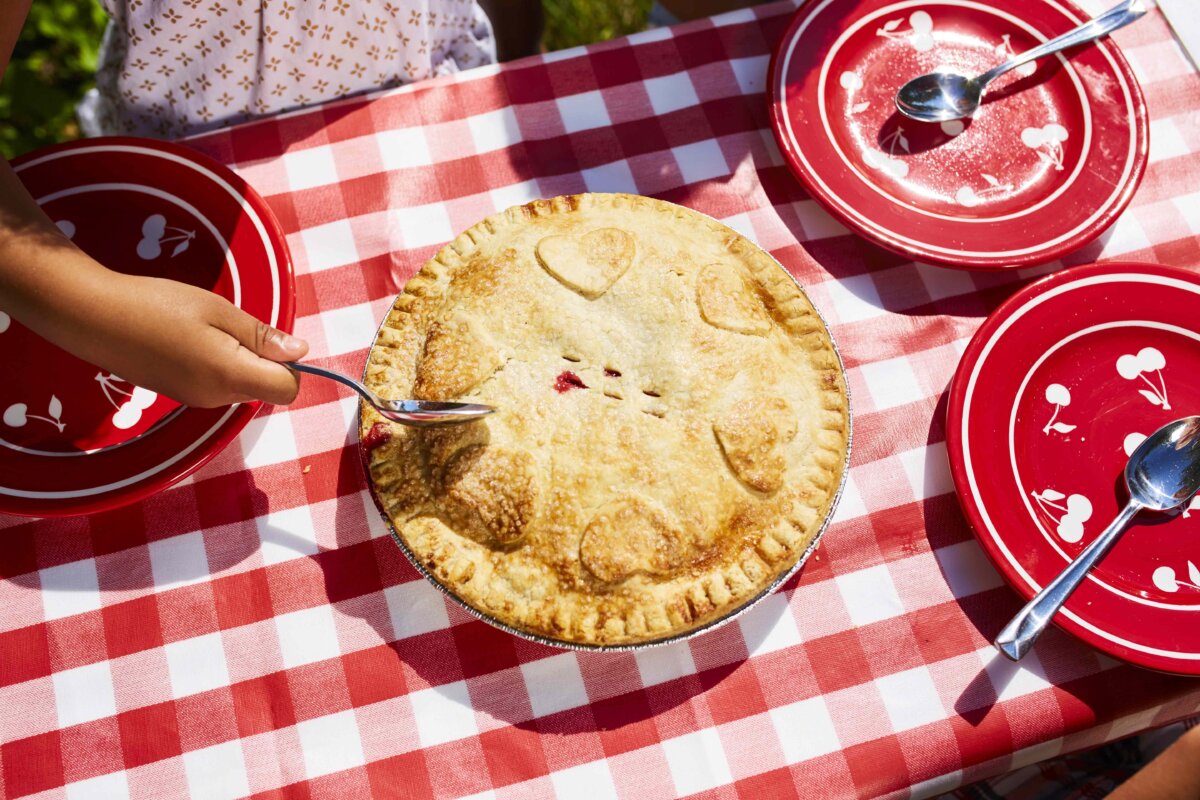
Finish it off: An egg wash gives the crust an attractive browning, and a sprinkling of sugar adds crunch and sparkle. Be sure to vent the pie by making a few cuts in the top crust; these allow steam to escape so that the pie doesn’t burst open and let the filling boil over. Seaquist uses a pie bird, a hollow ceramic piece inserted through the crust. She and her crew also top each pie with six decorative hearts cut out of pie dough. “I started that at the very beginning,” she said, “because our pies, I always said, were from the heart of Door County.”
Cherries by the Numbers
Door County cherries are ripe for picking for about one month, from mid-July to mid-August.
The number of acres in Wisconsin that are bearing tart cherries. Of those acres, 1,883 are in Door County.
15 million pounds
In 2024, Seaquist Orchards harvested a record-breaking 15 million pounds of tart cherries—97 percent of Wisconsin’s total crop.
RECIPE: Traditional Cherry Pie
This article was originally published in American Essence magazine.
