



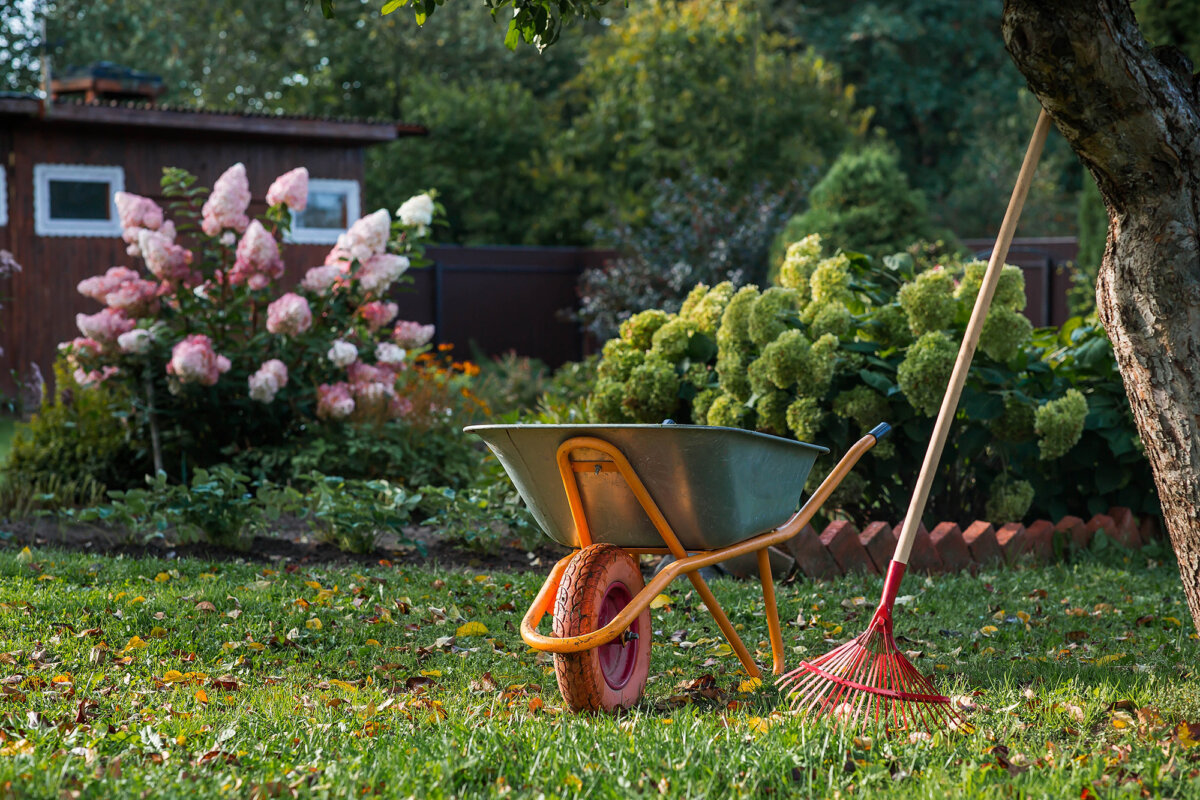
The garden may be winding down, but September is hardly a month for putting away the gardening gloves. Cool nights and warm soil create an ideal window for feeding cool-season lawns, planting spring bulbs, and preparing tender summer bloomers for winter.
A little attention now can help the garden finish the season strong—and get a head start on spring.
Lawn Lowdown
Cool-season grasses are grown widely in the northern two-thirds of the country. Their most important feeding occurs in the fall. Plan to fertilize when the soil temperature is above 40 degrees Fahrenheit (preferably 45 degrees), which is often four to eight weeks before the first frost—late September through mid-November depending on the lawn’s Department of Agriculture hardiness zone. If there’s any concern, invest in an inexpensive soil thermometer and test four inches into the ground. Opt for a fertilizer that’s designed to improve turf health and help these grasses store nutrients better over the coming cold months.
If you plan early enough before the first frost, you can fertilize grass twice in fall. For the first application, choose a slow-release nitrogen or blended fertilizer. For the second application, select a winterizer fertilizer. Make sure there are six to eight weeks between feedings.
If a long hot summer has left cool-season grasses with bare or thin spots—and there’s time—toss out some seeds. Wait at least four weeks before fertilizing. This may mean you’ll only have time for fertilizing once, but that’s OK. The lawn will be just fine without the early fall fertilizer, but don’t skip the winterizer fertilizer, as that’s essential.
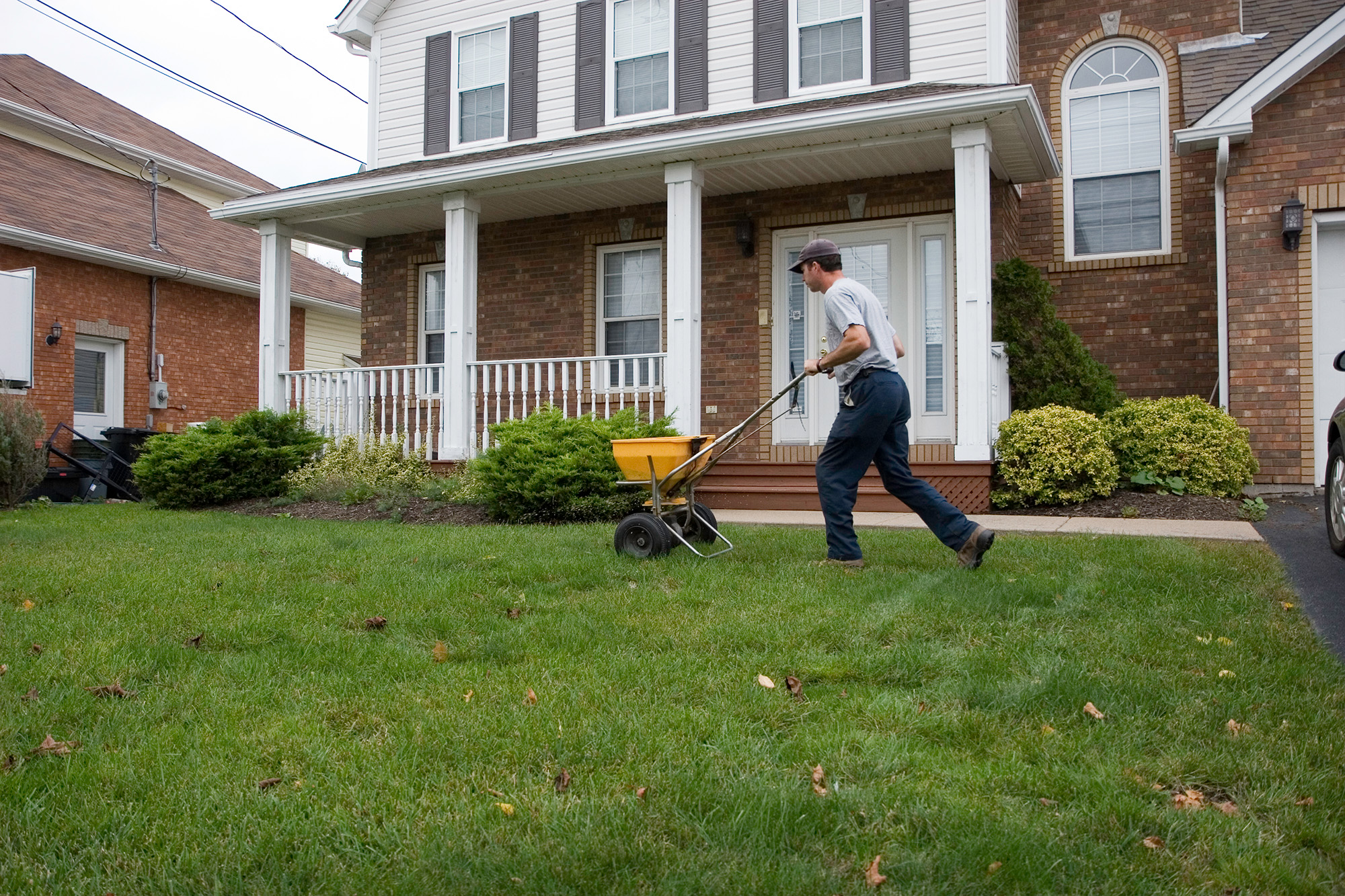 It’s important to fertilize cool-season lawns in the fall so they have the nutrients to strengthen their roots before winter. (jamievanbuskirk/Getty Images)
Warm-Weather Grasses
Although warm-season grasses such as Bahia, Bermuda, St. Augustine, and Zoysia may stay a lush green, they go dormant, or at least slow their growth considerably, over winter. Grown in southerly climes and the “transition zone,” a belt across the middle of the country where both warm- and cool-season grasses can thrive, warm-season grasses also benefit from a good meal in early fall in order to recover from the stress of summer. Opt for a fertilizer appropriate to the soil and grass type.
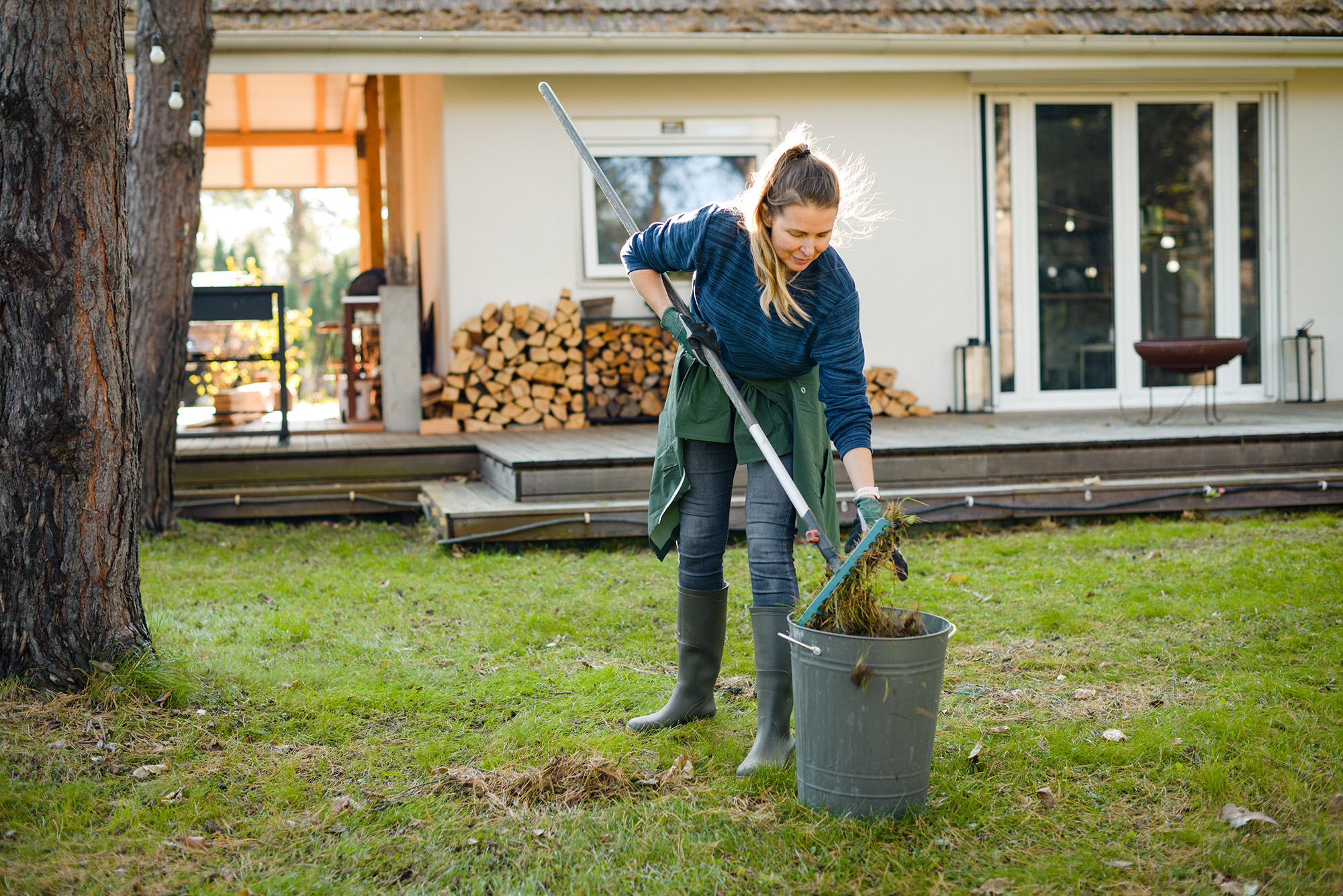 Seasonal maintenance is important for both cool- and warm-weather lawns. (elenaleonova/Getty Images)
Botanical Brilliance
Get out the bulb planter—or buy one; it may even be on end-of-season clearance—and discover the secret to those front yards that seem to magically come to life with crocus, daffodils, and early tulips at the first sign of spring. No, those gardeners don’t have a neon green thumb. They simply planted spring-blooming bulbs before the first frost in fall. Spring bulbs, including crocuses, snowdrops, daffodils, hyacinths, alliums, and tulips, require a period of winter chill in order to sprout next spring.
Speaking of tulips, in addition to a wide range of color choices, the timing can also be staggered by planting both early spring bloomers and mid-to-late spring bloomers to continue the fragrant, colorful show into early summer.
Plant bulbs with the pointy (growth) end up and at a depth of two to three times the bulb’s height, unless the package directions say otherwise. Water immediately after planting, as this will help settle the soil nicely around the bulbs and encourage them to establish roots before the first frost. But don’t over-water, as it can lead to bulb rot.
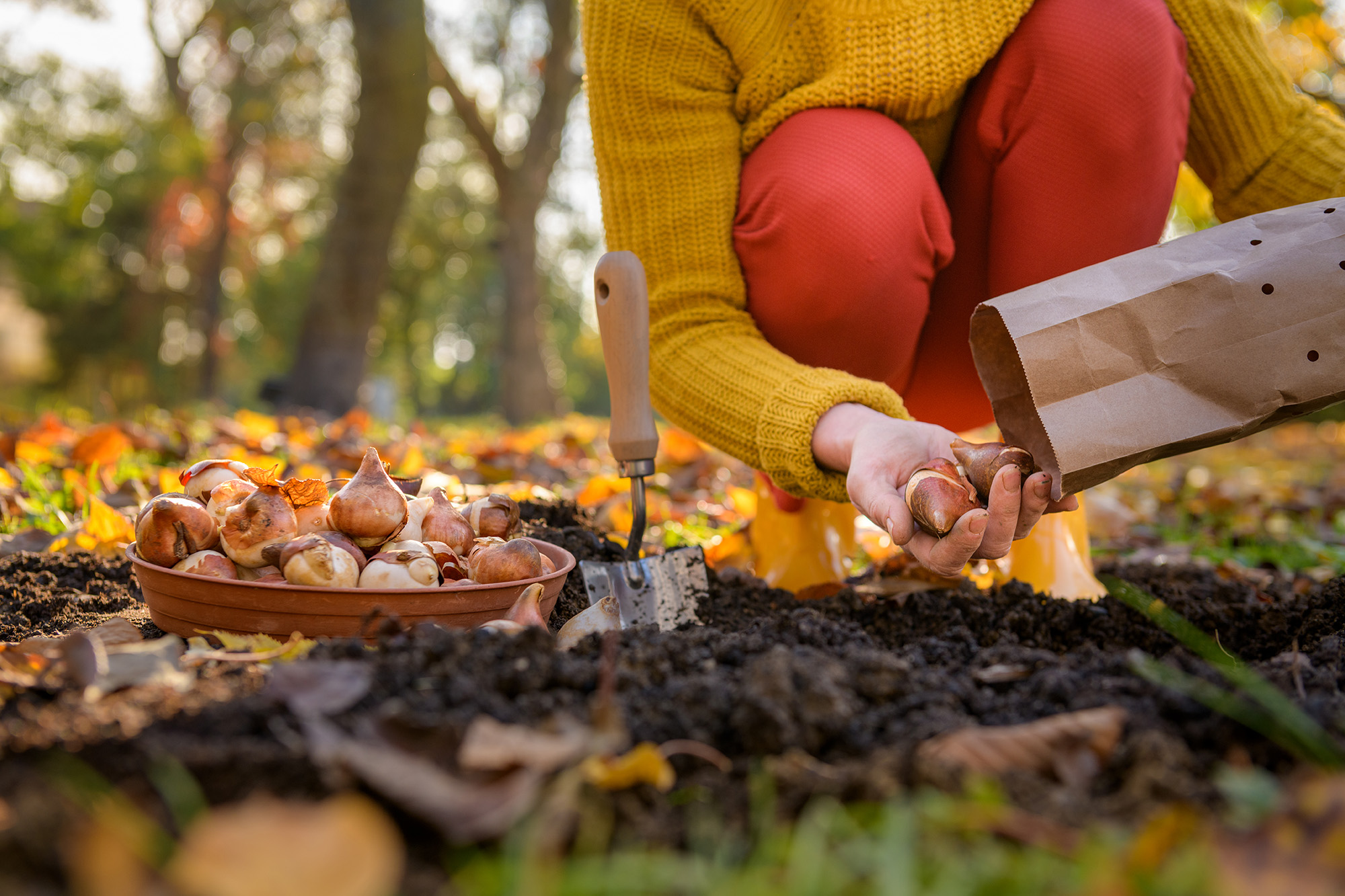 Many spring-flowering bulbs can be planted in the fall. (AndreaObzerova/Getty Images)
Warm-Weather Blooms
Summer-blooming dahlias, begonias, gladioli, and the wide variety of lilies (canna, calla, Oriental, and Asiatic) aren’t technically bulbs, but they have fleshy underground structures that function similarly. However, they don’t require a period of winter chill and can actually be killed by freezing temperatures.
Storage requirements vary depending on the type of plant, but a useful general rule is to dig them up after the foliage has died back naturally. Brush off excess dirt, inspect for damage, and allow them to air-dry in a cool, well-ventilated area for a few days. For storage, wrap them in newspaper, hang them in mesh bags, or store them in sawdust or sand—something with ventilation. The idea is to keep them cool and dry, as moisture can lead to disease and rot. Check periodically and remove any suspect bulbs so they don’t spread mold or decay.
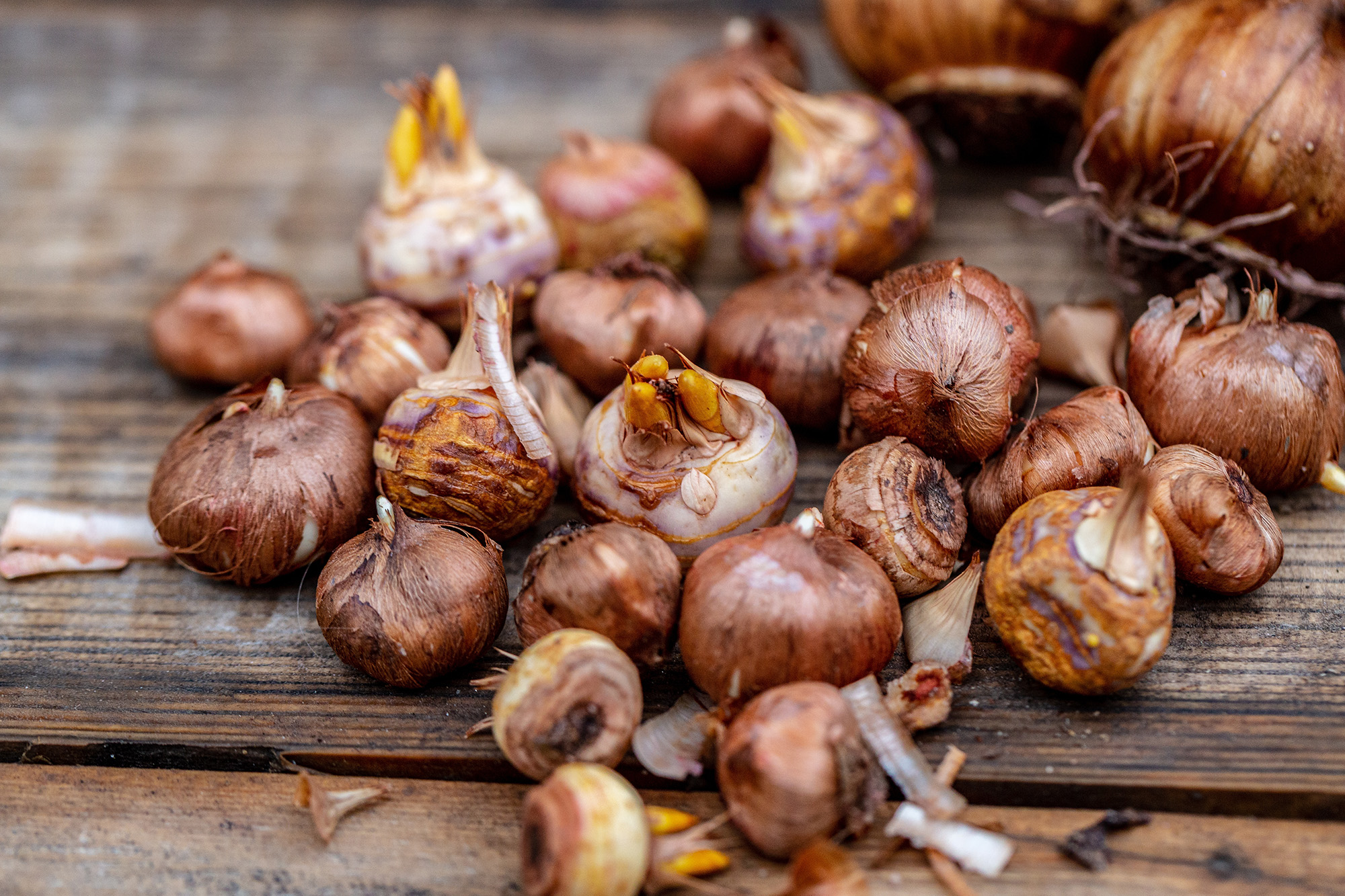 Corms and other underground plant structures that are pulled up for winter storage will need to be checked periodically for rot or damage. (S.O.E/Shutterstock)
Can’t Wait for Color
Areas with a very late first frost, or none at all, may still be able to plant fall-blooming bulbs such as meadow saffron, autumn daffodil, autumn-flowering crocus, autumn snowflake, and Japanese onion (an allium). If not, plan on putting these bulbs in the ground in late summer next season. Designed to grow almost immediately, they are not as common at garden centers as spring bulbs and may need to be purchased online.
Once in the ground, they can be left alone to grow for years, with the exception being areas with particularly harsh winters, where they should be dug up and stored safely in a cool (35 degrees to 55 degrees F), dry, well-ventilated space.
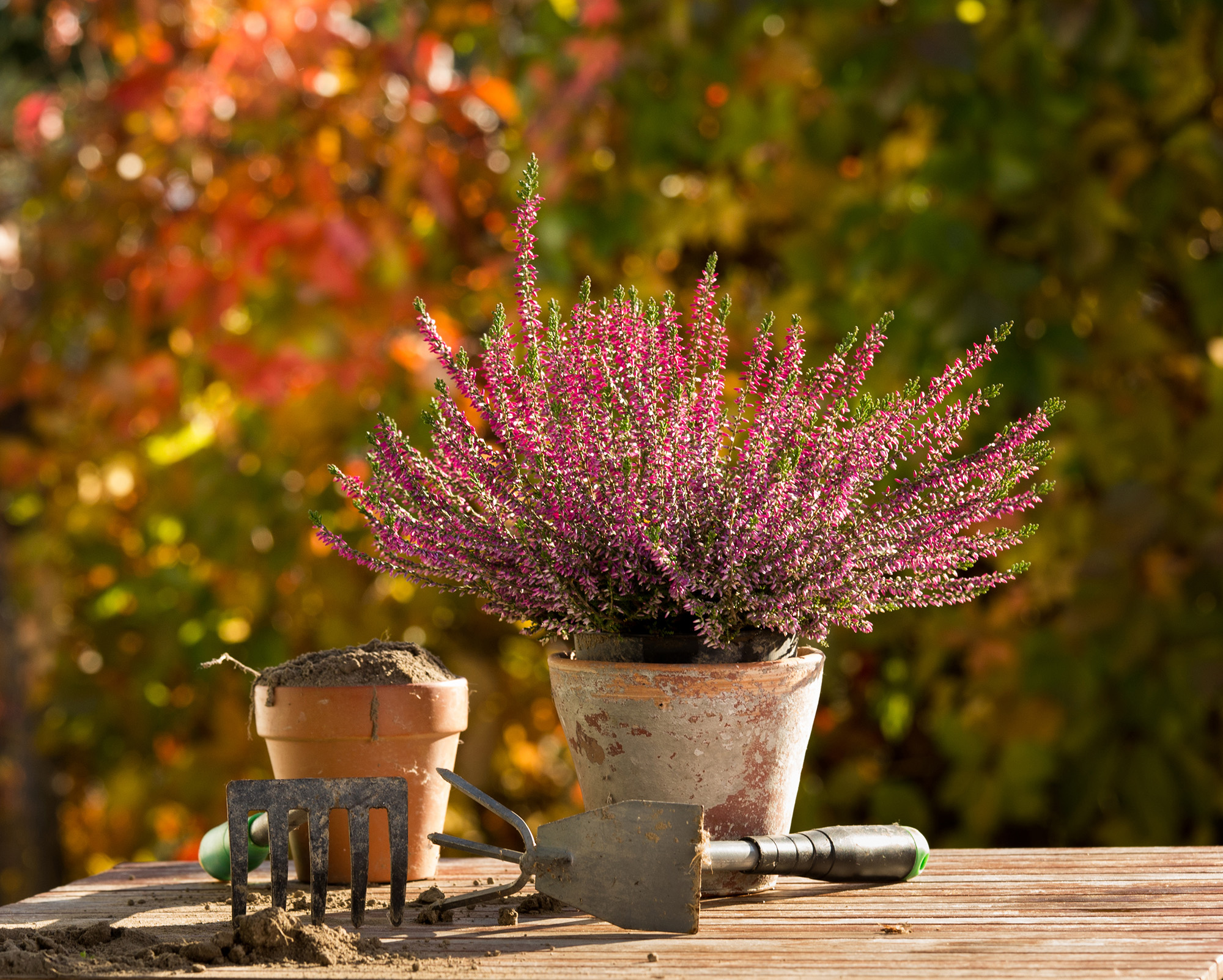 Fall flowers keep gardens colorful well past summer. (Jevtic/Getty Images)
September Green Thumb
Set aside some newspaper, frost cloth, or an old sheet to cover any remaining tomatoes and other summer veggies from an unexpected temperature drop.
Fall Bounty
The spinach and lettuce that wanted to bolt during the summer will thrive now, along with radishes, carrots, beets, turnips, Brussels sprouts, peas, mustard greens, kale, Swiss chard, bok choy, green onions, leeks, cauliflower, and broccoli. Use transplants to save time.
Good Gardenkeeping
Remove weeds, spent plants, and any fallen leaves you don’t want to use as mulch. A clean garden is a healthy garden, particularly during the heavy fall rains that can encourage mold, mildew, and disease. Don’t let garden debris host pests and pathogens over winter.
Enriched Earth
Save money next year on soil amendments by composting spent plants (veggies, annuals, perennial cuttings), leaves, grass clippings, and dropped fruit. Discard any diseased or pest-infested debris directly into the trash can. No compost? Fall is prime time to start one.
