William Shakespeare referenced 175 different species of plants in his works. The Bard set 29 of his scenes in gardens, from secret lovers’ meetings to grand political debates. Plants wind their way through the settings and similes of Shakespeare’s oeuvre, enriching his creative worlds.
As Todd Borlik told Smithsonian Magazine: “The sheer volume of species in Shakespeare’s poetry is an index of his attentiveness to the natural world. He must have sensed in it a kind of creativity that his own imagination resonated with that he tried to rival in his work.”
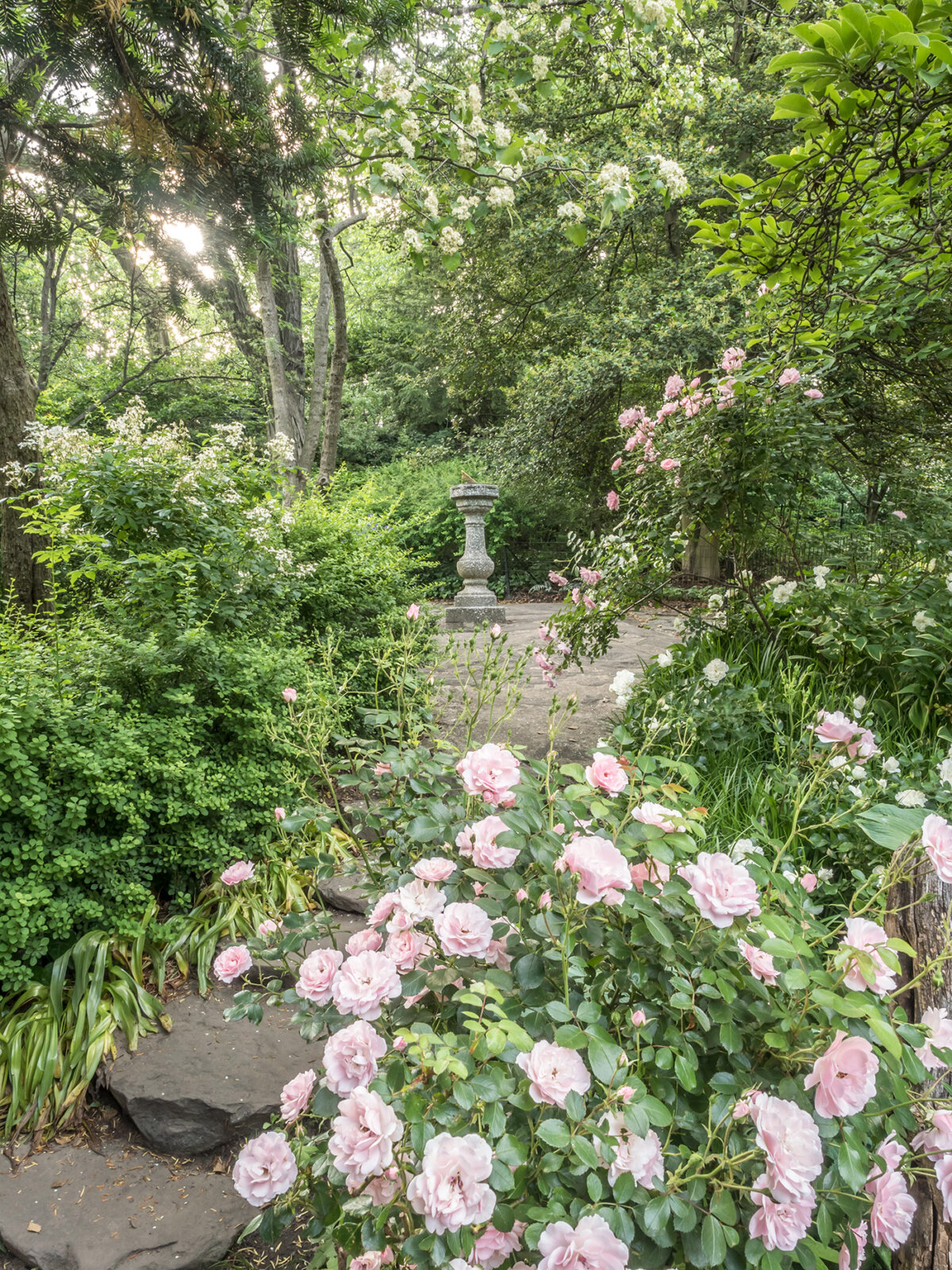
Throughout the world, horticulturists have sought to honor the legacy of Shakespeare and his love of plants through the botanical arts. Specifically, they have cultivated Shakespeare Gardens, in which many of the 175 plant species mentioned by the Bard are grown—including rosemary, thyme, holly, red and white roses, and pansies. These beautiful plots are often open to the public and associated with universities, parks, or festivals.
Frequently, plaques with plant-related quotations from Shakespeare are intermixed with the garden beds. Visitors can be delighted with the poetic beauty of “I know a bank where the wild thyme blows/ Where oxlips and the nodding violet grows” placed directly alongside the floral beauty of the named plants.
Shakespeare’s Green Thumb
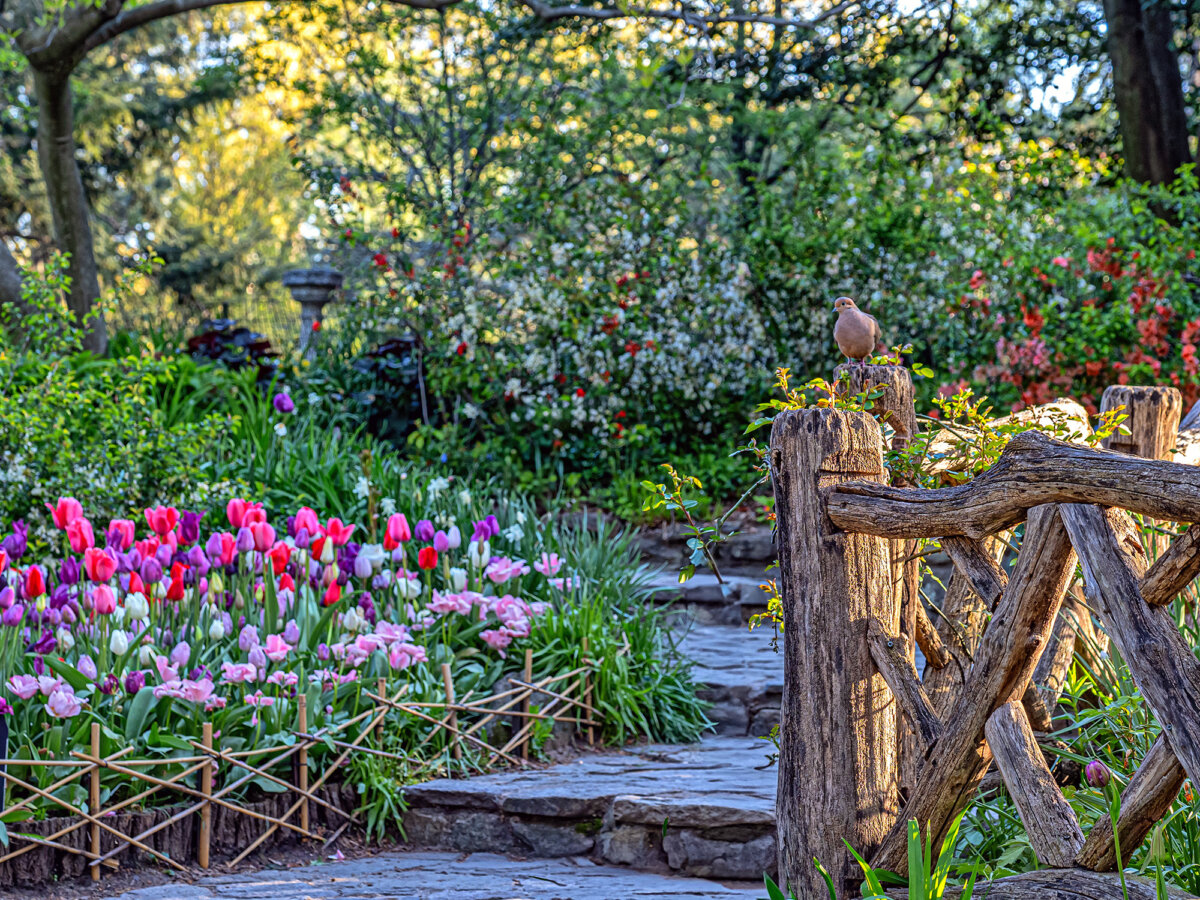
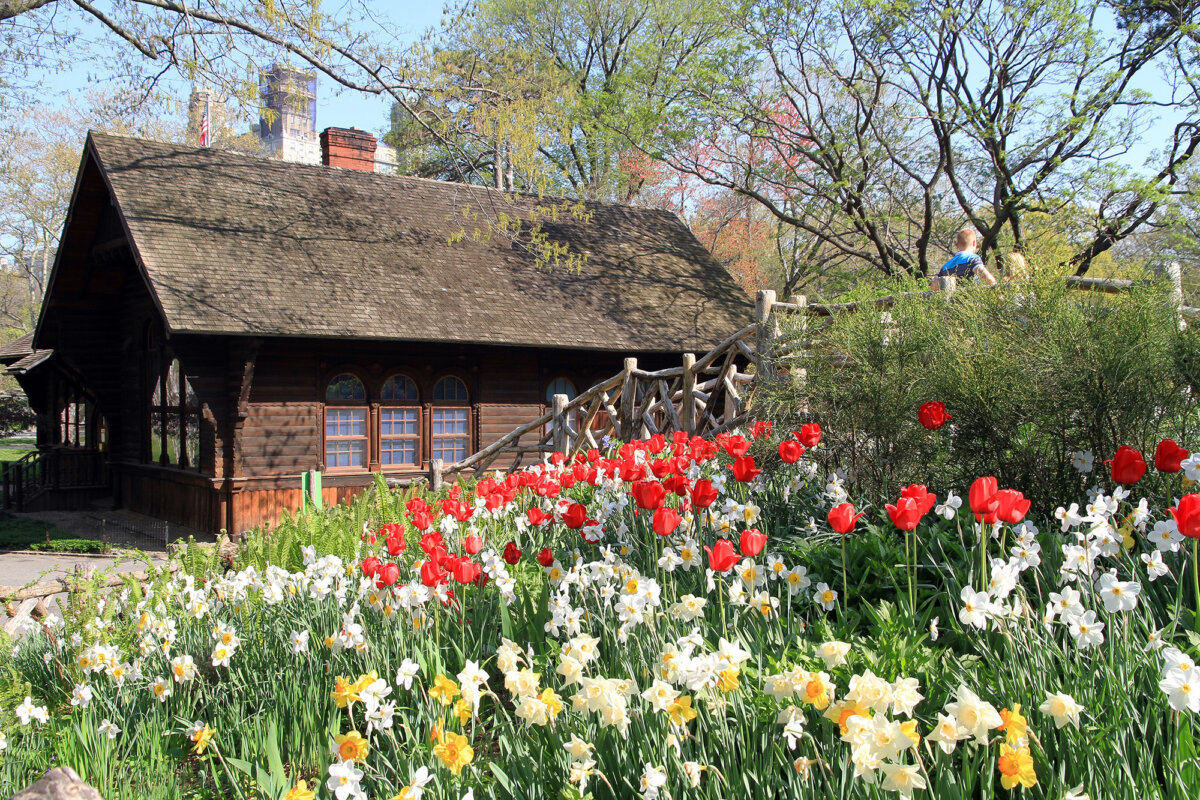
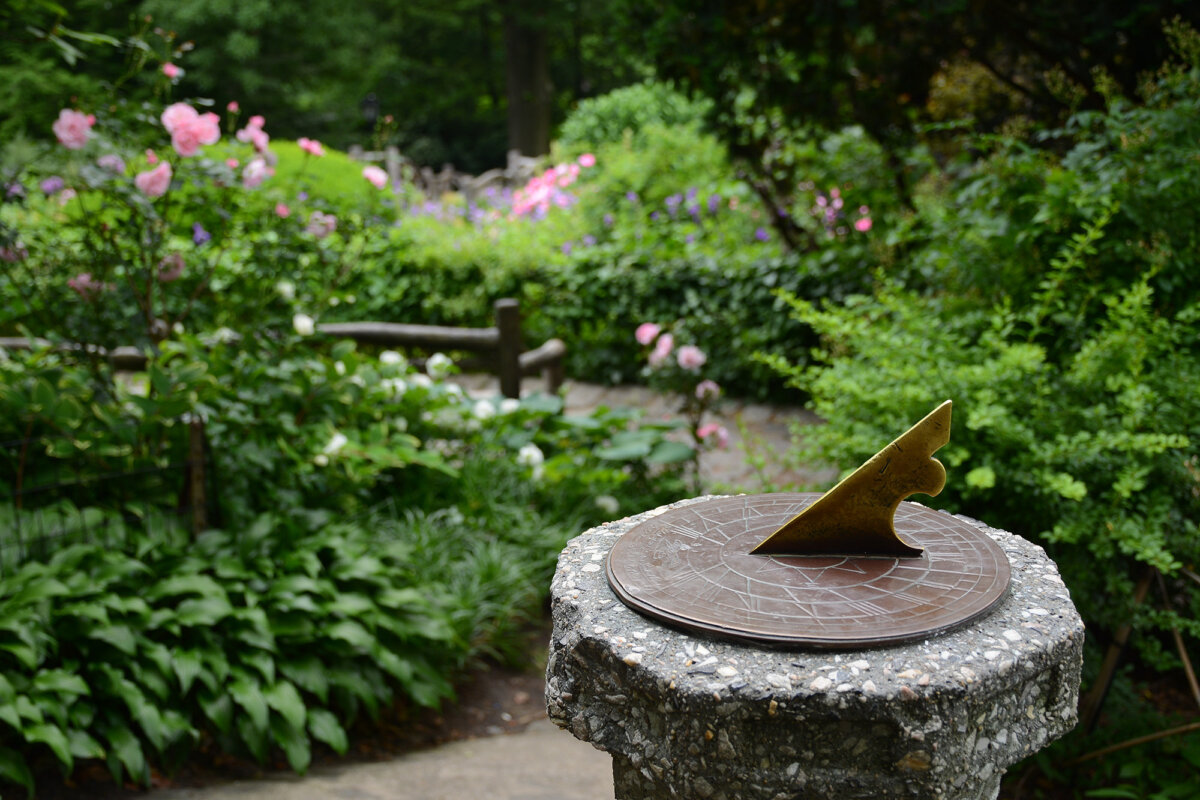
According to Sadie Stein, writing for The Paris Review, the first Shakespeare Garden appeared in Evanston, Illinois, in 1916. Two more appeared in 1916 in Cleveland and in New York City’s Central Park. The Central Park garden is located near Delacorte Theater, which is home to the New York Shakespeare Festival. The Cleveland garden features a sundial and a bust of Shakespeare.
It opened with great fanfare, as a contemporary account quoted by Stein attested: “‘A group of high school pupils in Elizabethan costume escorted the guests to the garden entrance and stood guard during the planting of the dedicatory elms. In his formal talk, Mr. Sothen urged storytelling days for children in the public parks.’
“‘Miss Marlowe climaxed the proceedings by her readings of Perdita’s flower scene from “Winter’s Tale,” the fifty-fourth sonnet of Shakespeare, and verses from the “Star-Spangled Banner.” Her leading of all present in the singing of the national anthem brought the impressive event to a close.'”
Not long after, a Shakespeare Garden was planted at Shakespeare’s final home, New Place. Manchester, England, also got one in 1922. Shakespeare Gardens seemed to become increasingly popular from the early 1900s on, and they now exist all over the world. In the late 1920s and early 1930s, Emma Shay built a cottage and Shakespeare Garden in Wessington Springs, South Dakota, as a replica of the cottage of Anne Hathaway (Shakespeare’s wife). Paris, Johannesburg, and Dunedin, New Zealand, boast their own Shakespeare Gardens, too.
Not all of the gardens focus on growing the plants Shakespeare mentioned, although all have some kind of connection to him. The Folger Shakespeare Library’s Elizabethan Garden is designed to look like formal gardens from Shakespeare’s time. As the Folger Library explains, such gardens historically covered multiple acres and were divided into subsections separated by fences or hedges. Wealthy Elizabethans socialized in these gardens during the summer, and hosted musical or dramatic performances there.
Nature References Add Dimension
Shakespeare lived during a time of avid landscaping in Britain, and he would have grown up around gardens, meadows, woodlands, and rivers. He makes abundant use of this natural imagery in his plays, alongside horticultural terms such as “tilling” or “husbandry.” This vocabulary came naturally to him and often brilliantly expressed and richly colored the moods and ideas he sought to communicate.
One of the benefits of Shakespeare Gardens today is that they help embody the poet’s language in a way that’s often lacking for 21st-century readers who aren’t as familiar with the natural world as Shakespeare and his audience were.
Borlik put it this way: “When you ask students to engage with literary texts about the natural world, and they have no connection to the species that are being named, they have no sensual experience; the reading becomes very arid. But if they can go to a Shakespeare Garden and literally stop and smell the roses—the primroses, the columbine—suddenly there’s a lot more sensual pleasure in reading.”
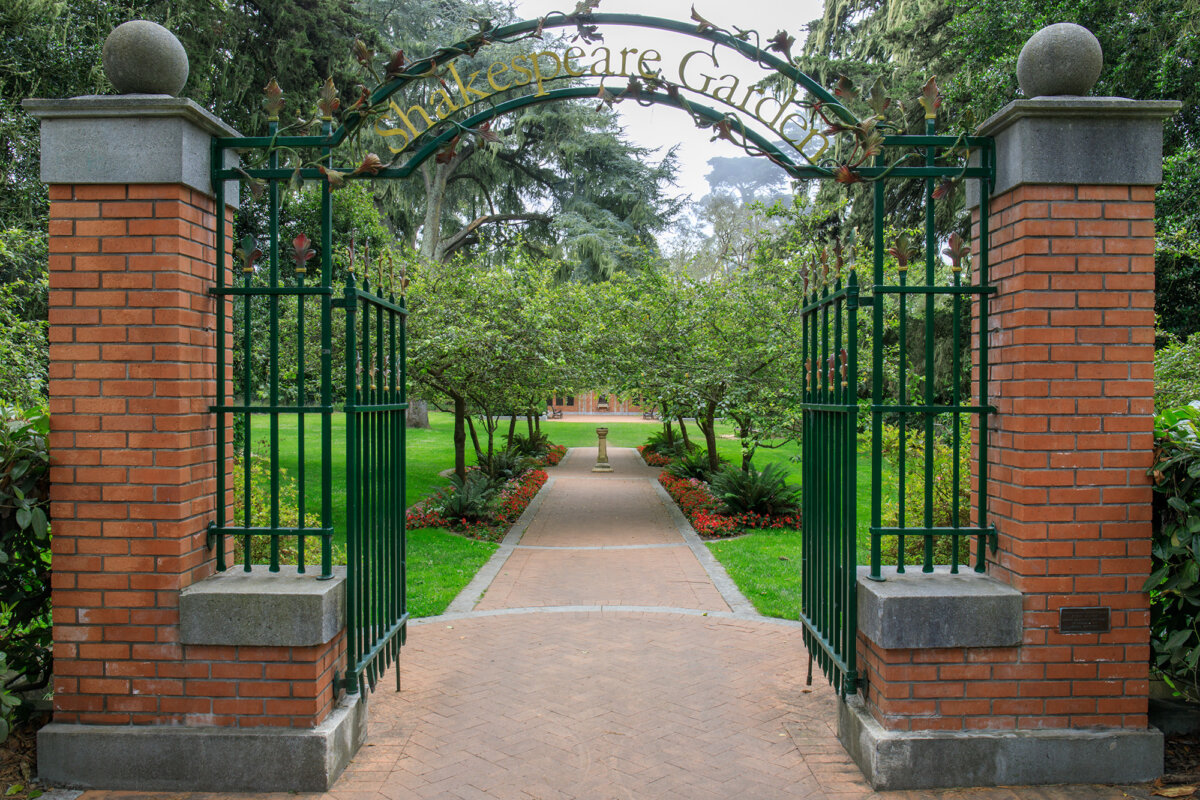
For a modern reader, many of the plants Shakespeare mentioned aren’t immediately recognizable and don’t carry a mental image. Some of the poetry’s meaning is inevitably lost as a result, and the reading experience is impoverished—unless the reader can step into a Shakespeare Garden and see, smell, and touch the plants in question. Shakespeare’s similes, metaphors, and images come to life in a new way as the plants become tangible vehicles of meaning.
There’s an integral and ancient link between plants and poetry, after all. It goes back to biblical times. Poets have found unending inspiration in the beauty of nature and plants in particular, and these flora interweave themselves with the great poems of history. A poem is a bit like a flower—a little thing of concentrated beauty, growing out of the soil of the poet’s imagination to bloom in the light of inspiration. Shakespeare Gardens honor that reality.