



NR | 1h 21m | Documentary, Health Care, Crime | 2025
The Hippocratic Oath now seems to be something ignored by many whose principal concern isn’t curing ills, but rather is collecting profits. These aren’t most doctors, nurses, and EMT personnel; these are drug companies and their dutiful lowlife minions.
Written and directed by Benjamin Flaherty, the documentary “Shuffle” takes dead aim at the addiction recovery arm of the health care industry that doesn’t seem to want anyone to be weaned off of chemicals. The goal is to keep addicts addicted while working in tandem with insurance companies that bilk taxpayers out of over $60 billion annually.
Based on what takes place and when, “Shuffle” took over three years to produce. The documentary follows the perpetual regression of three 20-somethings (Cory, Daniel, and Nicole) who genuinely wish to become sober but, through manipulation of all types and kinds, don’t. All are hooked on various opiates.
Firsthand Knowledge
A recovering addict himself, Flaherty’s ongoing battle makes him the ideal person to make this kind of movie. In just over 83 minutes, he provides the viewers with reams of evidence that proves beyond a doubt that the pharmaceutical industry wants people hooked on their products and will go to great lengths to ensure this never changes.
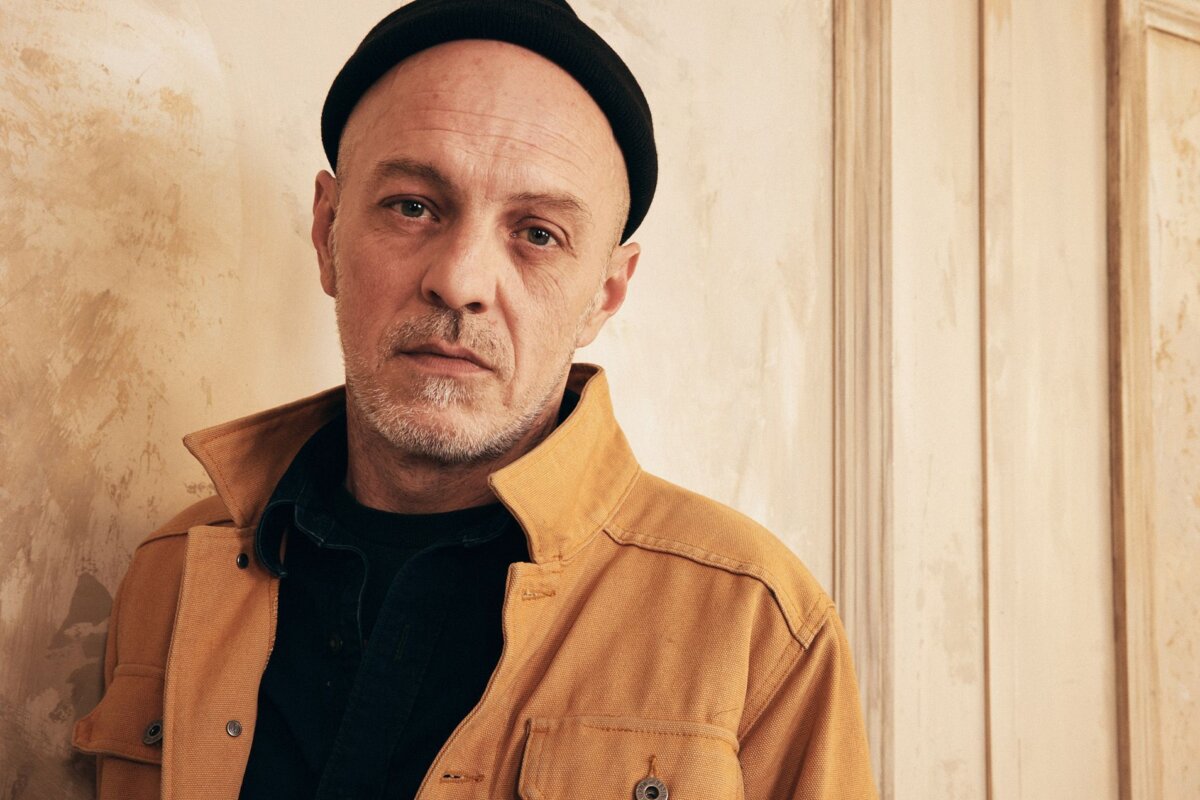
It’s made clear that all three users have sought help, meaning that it wasn’t legally ordered. They wanted to become sober.
The “process” of all three was the same. They entered detoxification for one to two weeks, were treated in weeks-long inpatient care, then outpatient care, and then various forms of follow-up. These programs included psychiatric therapy, group counseling, and—get ready for it—“equine therapy”: riding horses.
Keep Repeating the Cycle
Most of this took place in southern Florida at facilities without medical licenses; most of them are within close proximity of known drug trafficking. The plan was plain and simple.
House recovering addicts within arm’s reach of what they’re trying to kick are tempted to fall off the wagon and have to start the process all over again. The cost of one patient per one cycle of this revolving-door treatment is stated in the movie to be $15,000.
Why go through so much trouble? It’s simple. Everyone involved in all of the processes was paid to keep the patients addicted. It makes sense. If addicts ever get clean, they’re out of the loop. They’re no longer a money source. Curing them is fiscally unfavorable.
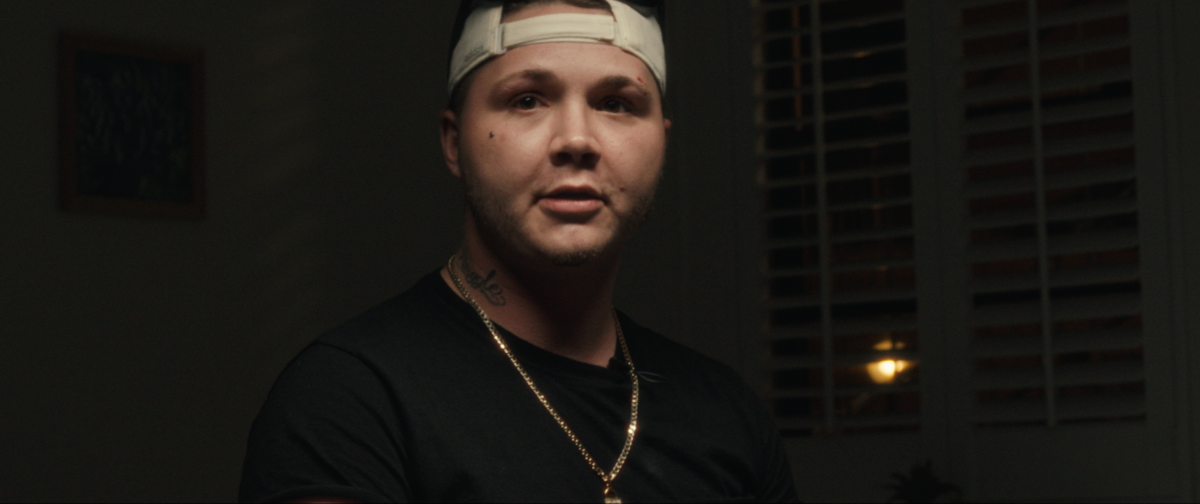
Based on what is presented in the movie, about 100 million Americans have substance abuse issues. Of those, 40 million seek help. Of those, only three million succeed in conquering their addiction annually.
You might ask, how can people afford this kind of turnstile care in the first place? The simple answer: They can’t.
The reason all of this go-nowhere, recycled therapy has exploded is (according to the movie) with the passage of the March 2010 Affordable Care Act (ACA), also known as Obamacare, spearheaded in part by A. Thomas McLellan.
Financial Incentive
In 2002 and 2003, McLellan received multiple international awards for his work in medication addiction research. From 2009 to 2012, he was deputy director of the Office of National Drug Control Policy.
During this time and after, McLellan had a financial stake in the company that produced Suboxone. This is an opiate-based drug that was merely a less severe version of Oxycodone but was equally addictive.
In the movie’s epilogue text, it’s stated that McLellan declined multiple offers to be interviewed in order to present his side of the story.
From dramatic, creative, and presentation perspectives, Flaherty does quite well. He weaves the stories of the three principals with delicate care, never placing the importance of one individual over another.
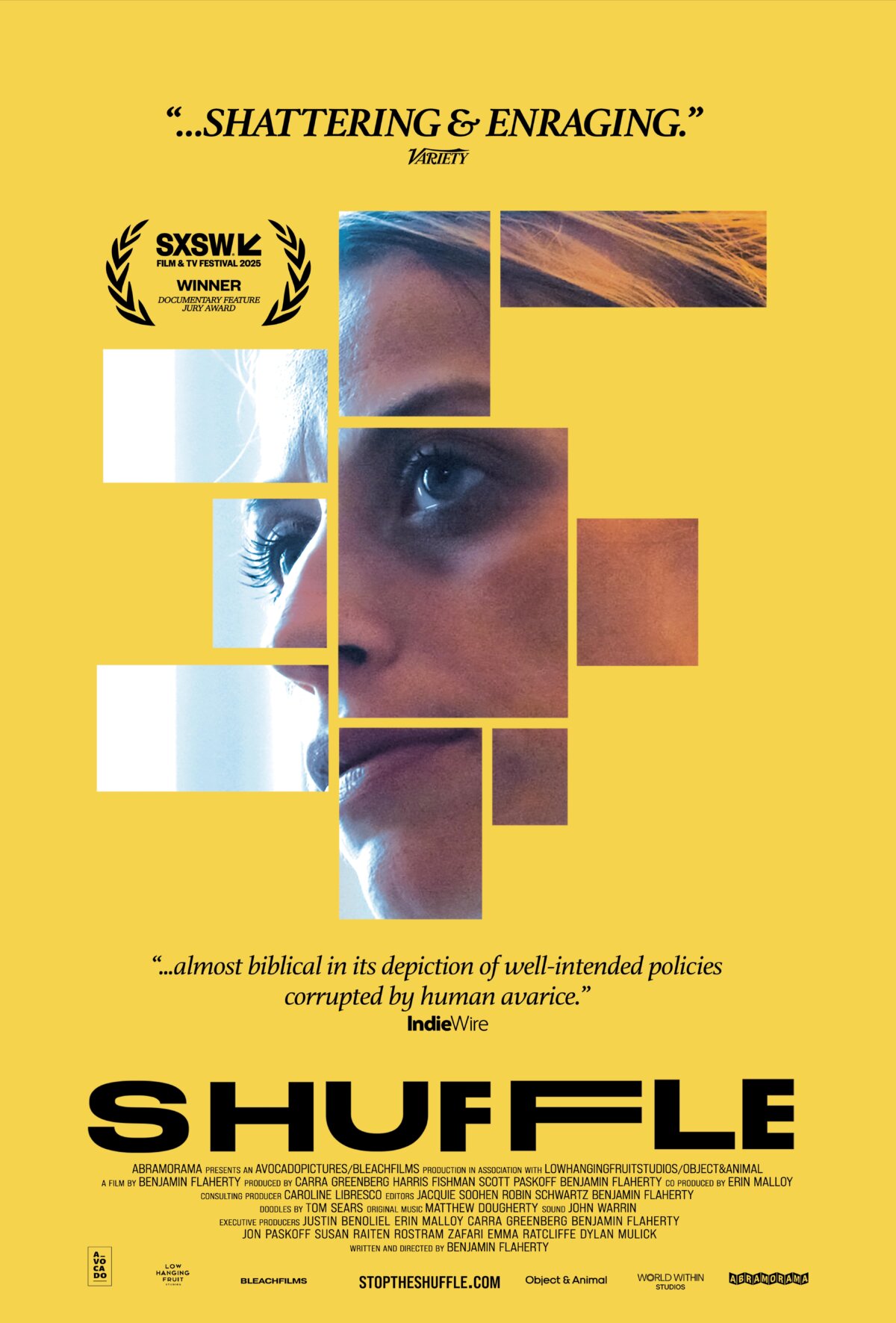
At the same time, he downplays his own experience with addiction, which reflects a great deal of humility. Flaherty never wants to be the center of attention, but he provides proof that he could.
As the third act marches toward its conclusion, Flaherty is faced with having to provide the movie with a “happily ever after” ending to the three human-interest substories. He chooses to take the more unconventional route.
Not every addict wins their battle. By making this clear and concise, Flaherty drives home the ultimate point. Conquering such an overwhelming foe can sometimes be a losing endeavor. Not everyone survives.
Companies relying on and thriving on the failure of human foibles and weaknesses are among the most despicable practices imaginable. Pretending to help people while aiding in their downfall is beyond loathsome.
The film is currently playing in select theaters. To see when it might be screening near you, visit: https://www.stoptheshuffle.com/#screen.
‘Shuffle’
Documentary
Director: Benjamin Flaherty
Running Time: 1 hour, 21 minutes
Not Rated
Release Date: Jan. 16, 2026
Rating: 4 stars out of 5
What arts and culture topics would you like us to cover? Please email ideas or feedback to features@epochtimes.nyc
