



In a restaurant during a lengthy visit to Maine several years ago, my wife, Fyllis, and I met a local woman with whom we struck up a conversation and found we had a lot in common. Over the following weeks, she invited us to dinner several times, we met her neighbors, and we went to places and events we otherwise probably would have missed.
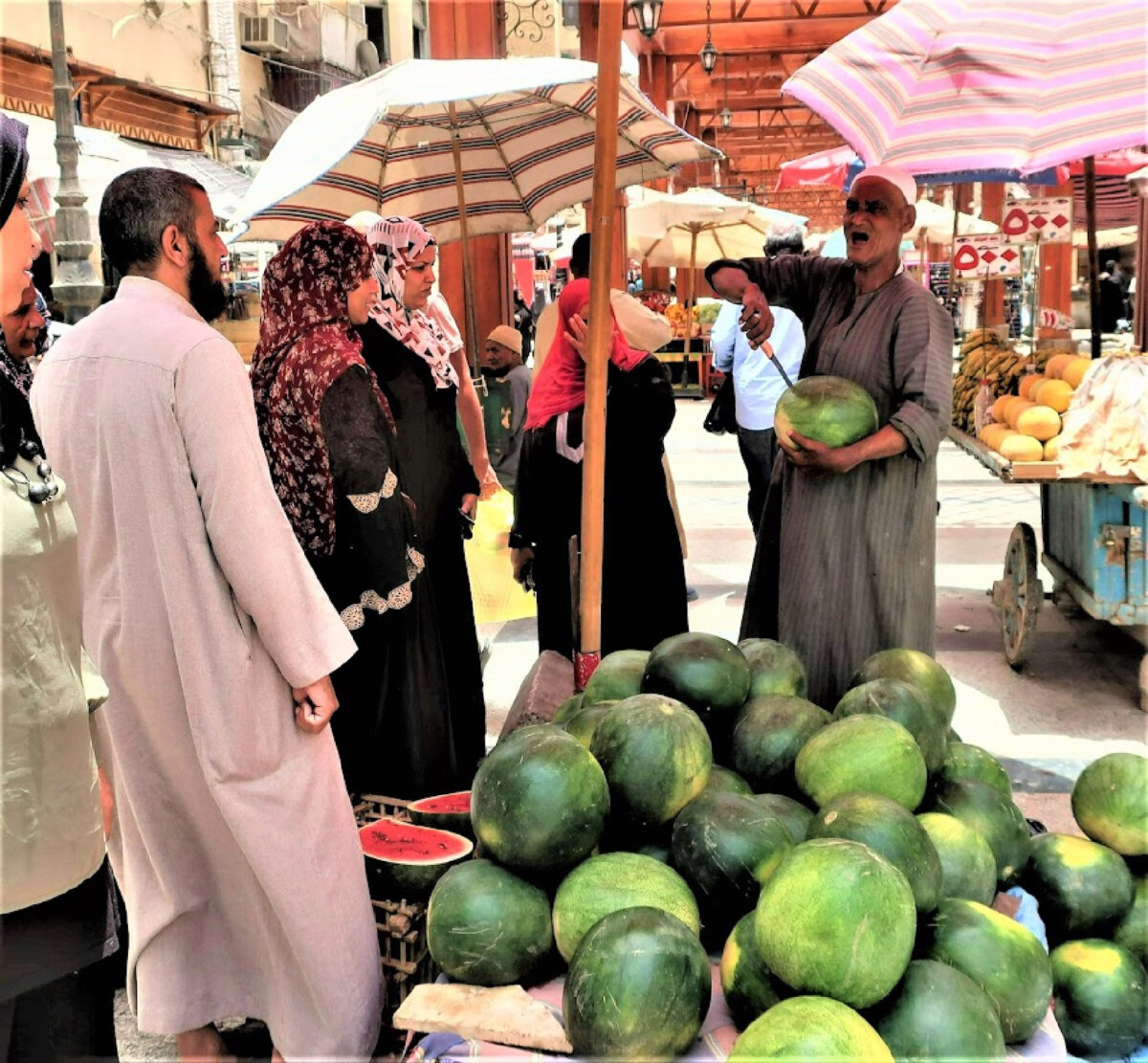
On a more recent trip to Cairo, Egypt, we engaged in conversation with a woman who had a vegetable stall at a farmers’ market. After we paid for our purchase, she asked if we would like to spend time at her farm. The next morning, she and her husband picked us up at our hotel, and we enjoyed the day picking fresh produce from their garden, helping to prepare a bountiful lunch, and exchanging stories about their lives and ours.
These memorable experiences resulted from the fact that we were going on “slow travel” journeys. These are trips that include relatively lengthy stays at a destination in the United States or elsewhere that provide a deeper dive into places, attractions, and cultures than the whirlwind vacations many people prefer.
Slow travel defines leisurely visits that provide an immersion in destinations that shorter stays cannot equal. The origin of what has evolved into an increasingly popular trend was a protest against the opening of the first fast-food chain restaurant in Rome in the 1980s. Farmers, fine-dining chefs, and others protested against that bistro, which they viewed as a threat to their traditional cuisine. Their campaign expanded to other areas and activities, including the way people travel.
From that modest beginning, a rapidly growing number of people—including Fyllis and me—have been discovering and sampling the benefits of slow travel. We, like many others, have become believers in its advantages.
Rest and Relaxation
Trying to cram a long list of must-see sites and must-do pursuits into a limited amount of time can lead to travel burnout. Rather than skimming the surface of a long list, slow travelers return home with fond memories of fewer but more meaningful things they have seen and done.
Living Like a Local
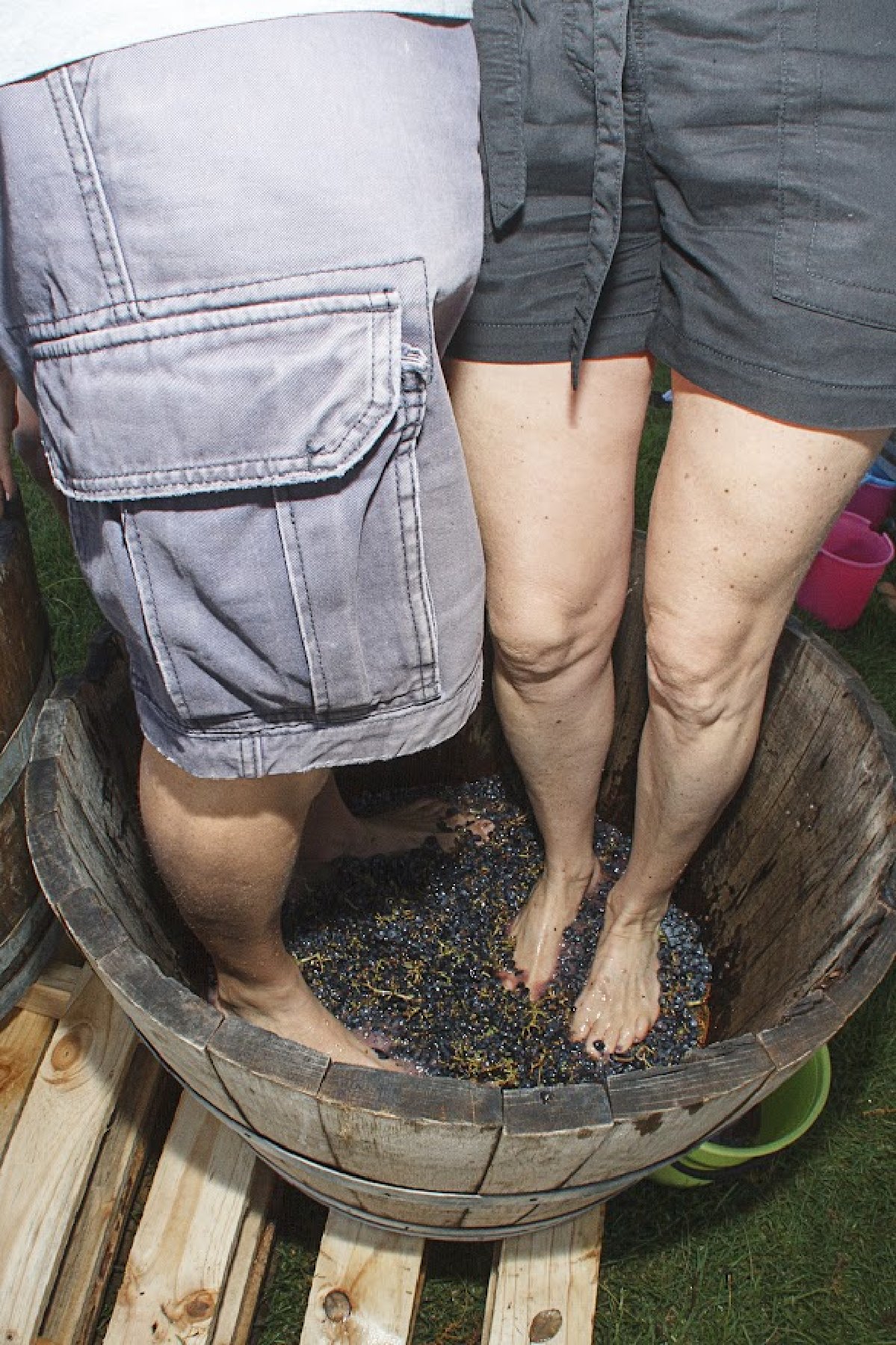
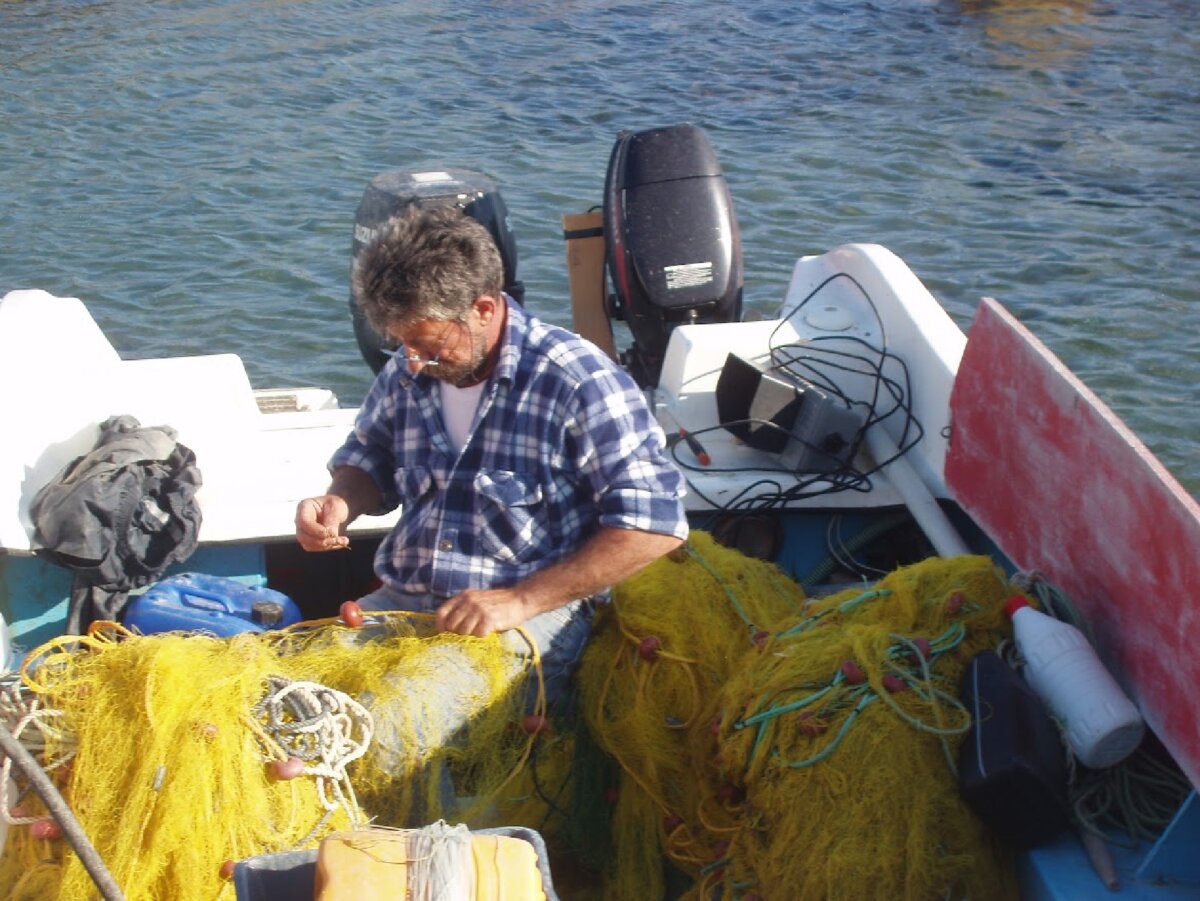
In Maine, Italy, and elsewhere, Fyllis and I have met and mingled with people with whom we otherwise would not have crossed paths. We have helped wine-growers in Spain crush grapes with our feet and a fisherman in Greece repair holes in his net, and taken part in other chores with other people that otherwise we would have missed.
Getting Off the Beaten Path
New acquaintances have introduced us to lesser-known but no less fascinating places that aren’t on the typical tour company itinerary or might not be mentioned in guidebooks or other tourist information. In Cuba, that included a cave with magnificent multicolored pillars and posts about which few visitors are aware.
An English-speaking young man whom we encountered in Egypt invited us to the small village of modest mud brick and concrete houses where he lives with his family. While I helped to haul water from a nearby stream, Fyllis assisted our new friend’s mother and sister in using stones to grind seeds into flour and his father to plant crops with simple tools that have been passed down for generations.
Delving Into History
Exploring a destination in depth provides a real feeling for its history, social dynamics, and people. In addition to being introduced to neighborhood residents, shopkeepers, and others, longer-time visitors learn about small museums, lectures by resident experts, and other activities and events that fly-by travelers are likely to miss.
Reduce Environmental Impact
Staying in one place longer means fewer carbon-intensive airplane flights. Trains and buses provide more sustainable transportation options.
Support Local Economies
Purchasing food, living essentials, and other goods helps to support small businesses most in need of assistance. This puts money into the hands of people who, in turn, will spend it at other establishments in the community.
Learn as You Go
Staying in a place for an extended period provides opportunities for—and perhaps may require—learning new skills. If you don’t already speak the local language, you probably will begin to learn at least a few common words and phrases. You might figure out how to navigate an unfamiliar public transportation system. You might even be introduced to new activities or some you have never considered before and give them a try.
Stretch Your Travel Budget
Slower, long-term travel can mean dollar savings. For example, shopping for groceries and preparing meals where you stay not only introduces another slice of the lifestyle of your destination, but it also will provide sizable savings on food and drink.
Accommodations can put a big dent in the travel budget, but there are ways to save. To begin, skip the high season. Hotels and some restaurants in popular tourist spots often lower prices as the number of tourists dwindles. Also look for accommodation discount deals and reduced prices for rental cars that may be offered for longer stays.
There also are other ways to get more bang for your accommodation bucks if you’re willing to meet their requirements. Despite its name, Couch Surfing puts travelers in touch with hosts around the world who have not just a sofa but perhaps a spare room they’re willing to rent. Members of Worldpackers provide accommodations—and in some cases meals and other benefits—in exchange for several hours of assistance each week.
When You Go
CouchSurfing.com
WorldPackers.com
Dear Readers: We would love to hear from you. What topics would you like to read about? Please send your feedback and tips to features@epochtimes.nyc.
