



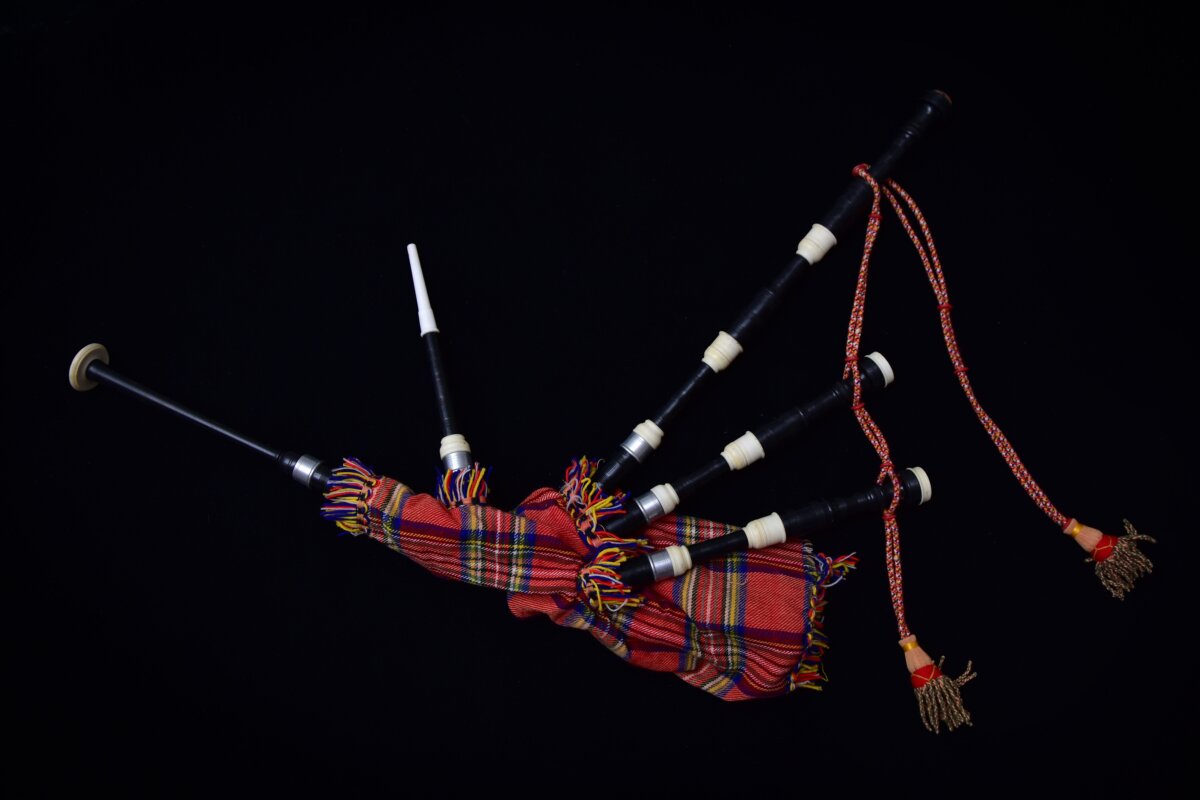
The Celts have a rich musical history. The Celtic culture formed by various tribes covering Ireland, the Isle of Man, and Great Britain preferred certain sounds, like the sacred plucking of the harp and the dance of the fiddle. But no other instrument continues to keep the soul of Celtic history alive like the powerful Highland bagpipe.
Misty Posey, a singer of traditional music and Celt-inspired works, says the bagpipes are commanding in nature and evoke bravery. And they’re part of a culture that didn’t view music as a supplemental activity, but as a way of life.
‘Waulking Songs’
“In the Celtic tradition, music runs through every bit of life,” Posey shared with The Epoch Times.
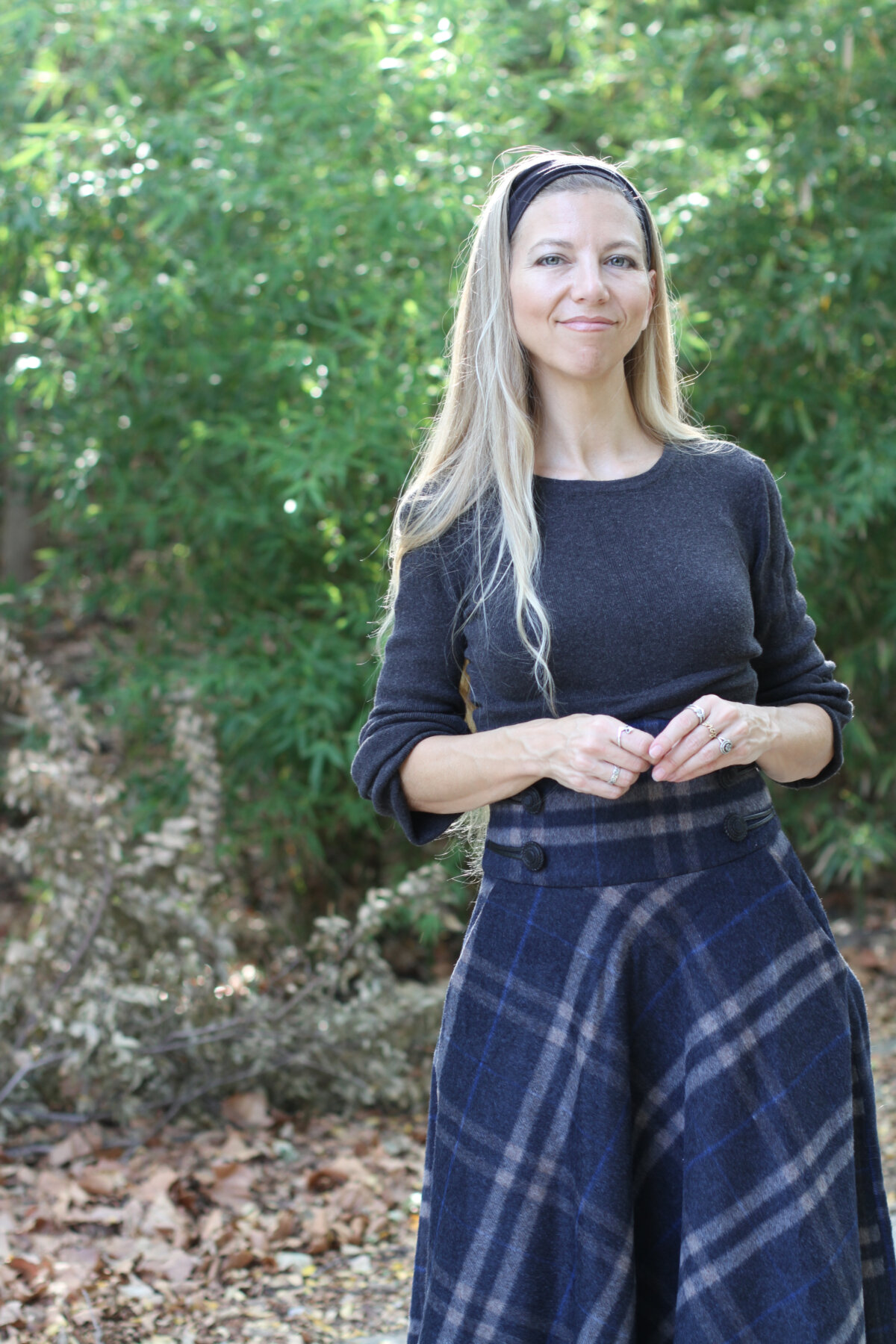
Whether hard at work, filled with sorrow, or bursting with joy, the Celts used music to communicate with each other, to grieve, and to celebrate. The Celts formed a more unified culture by the Iron Age, around 8th century B.C. The 16th century brought about one of their historic musical contributions—the “waulking song.”
Waulking songs were work songs sung by women while “waulking the cloth,” or thickening cloth, an important step in the woolen clothmaking process. The songs helped the women inform and entertain each other.
“For these songs, a chorus was written, and that rhythm helped waulk the cloth, spread news, and bring beauty—all at the same time,” Posey explained.
“Is there a richer way to live life?” she asked.
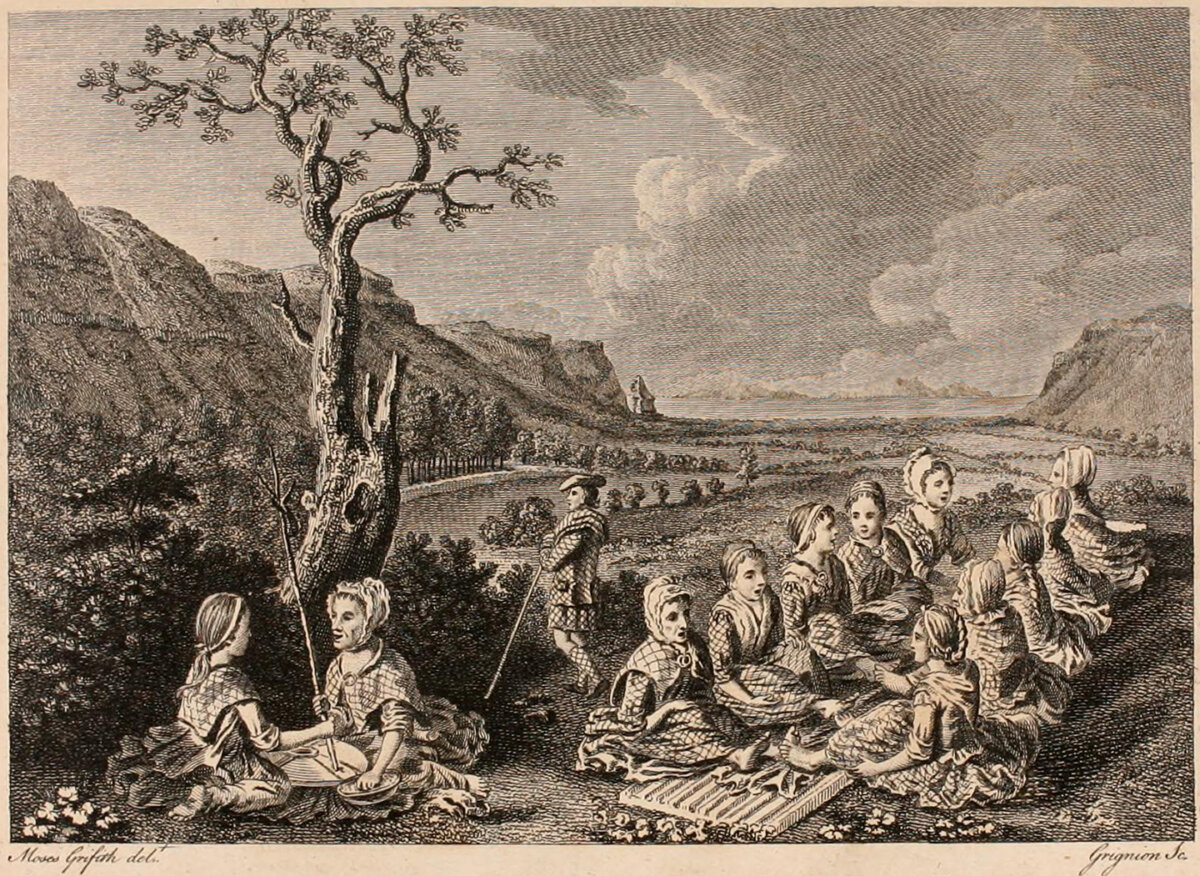
Posey has always loved the idea of combining music with an honest day’s work. She picked up singing while completing tasks from her father who whistles while laboring away, another Gaelic folk tradition. Gaelic is a language of the Celts formed from Old Irish, and Posey works it into her recordings and performances.
‘Unknown Magic to Life’
Posey explained that Celtic music began as a way to document history, so it was a vital element to various communities. “Celtic culture was an oral tradition for so long [and] music was a tremendous tool. It carried with it ‘in sound’ a sort of heartbeat of who they were and, ‘in words,’ it carried memory and history.”
Their music was also used to communicate cultural values, resulting in a melodically spiritual experience. Posey elaborated: “The spiritual part of these songs is that they briefly connect us to life like we are not experiencing it—like humans used to experience it. The Celts knew nature. [They] worked with their hands and the sun and the moon … and this makes the music seem like fantasy, like there’s a bit of unknown magic to life.”
“They knew it was too important not to carry it on,” Posey said of the Celts weaving wisdom into their songs to pass down to generations.
An Instrument for Battle
The bagpipes were a part of Celtic civilian life before becoming a military symbol for Scottish forces. The earliest documentation of bagpipes used in The Scots’ military strategy was in 1396, at the Battle of the North Inch of Perth, where they were officially recorded as “warpipes.”
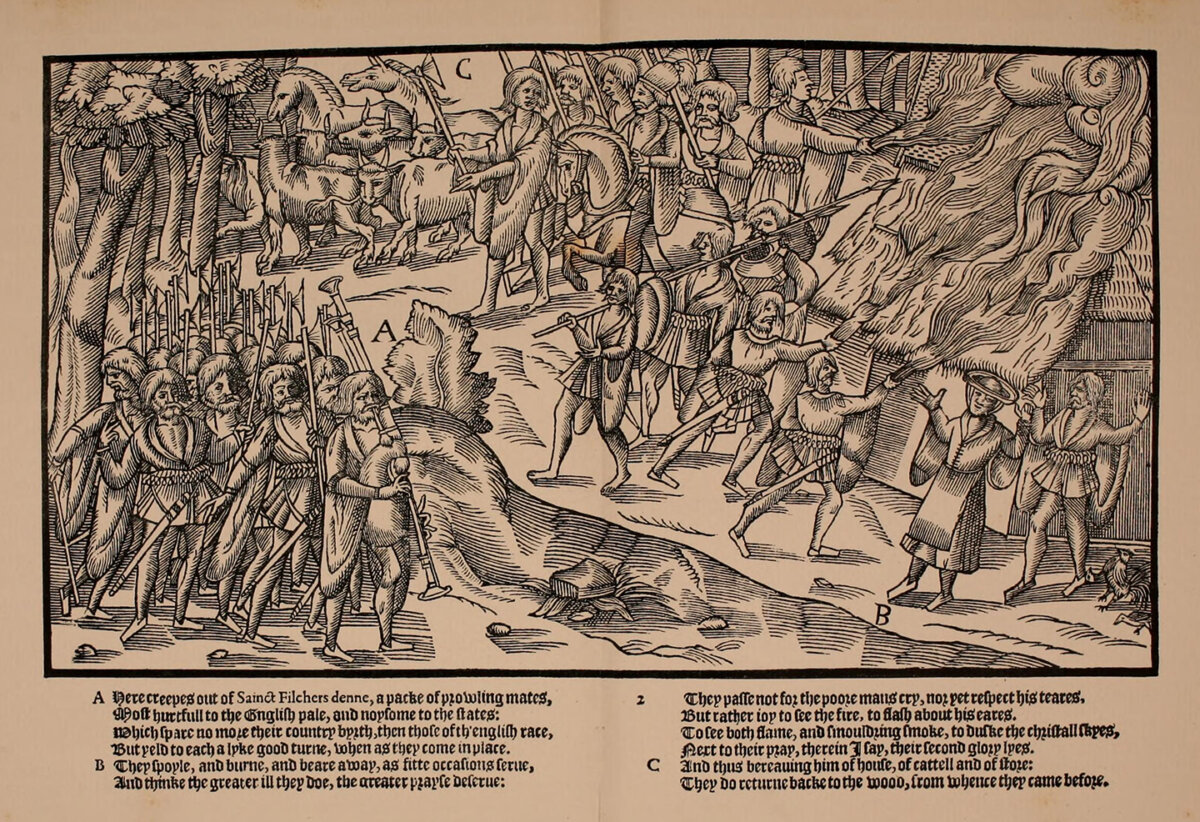
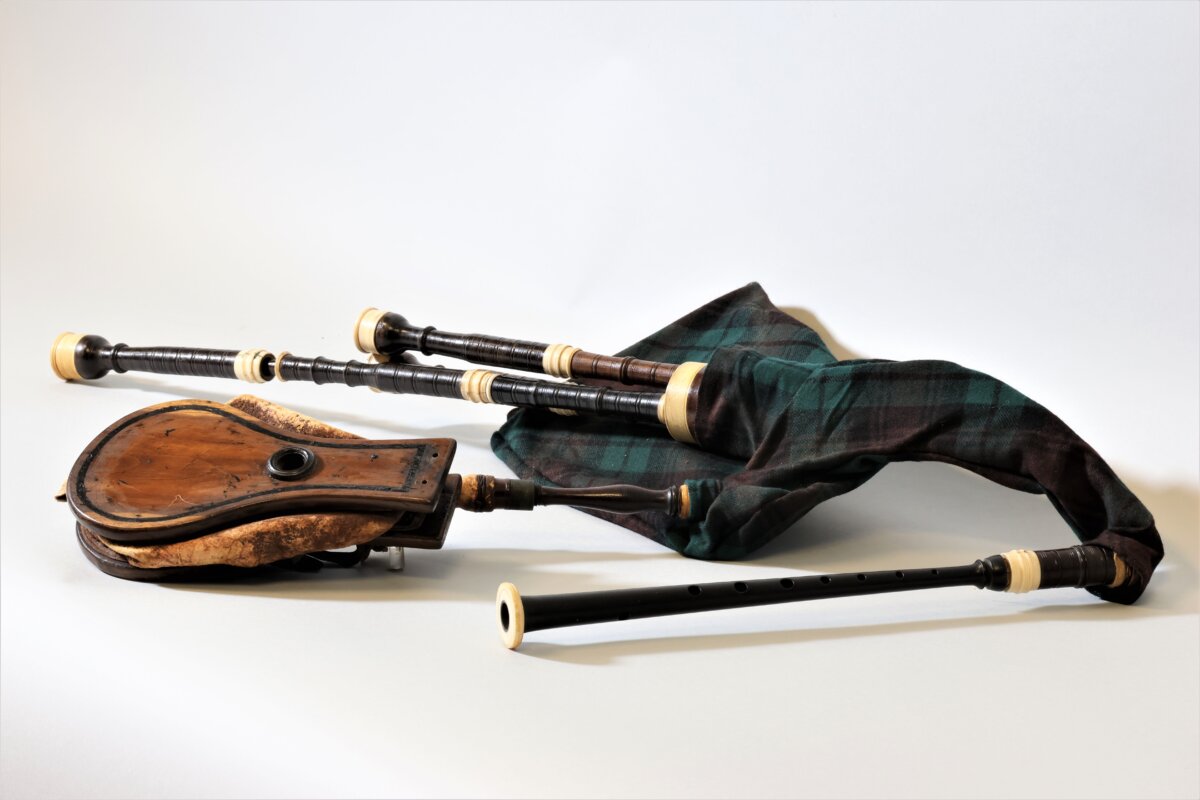
Early versions of the instrument featured one or two pipes. But in the 16th century, more were added, ushering in the “Great Highland Bagpipes”—or, “the big man on campus,” notes bagpiper Nate Silva at music site Passion Piper.
The Great Highland Bagpipes has five total pipes that work in tandem with the bag—the melody pipe, the blowpipe, and three “drone” pipes that fill out the sound with harmony. “The bag functions like an external pair of lungs and enables the instrument to maintain its characteristic sustained sound,” notes the Metropolitan Museum of Art in New York, home to over 50 historic versions of the bagpipes.
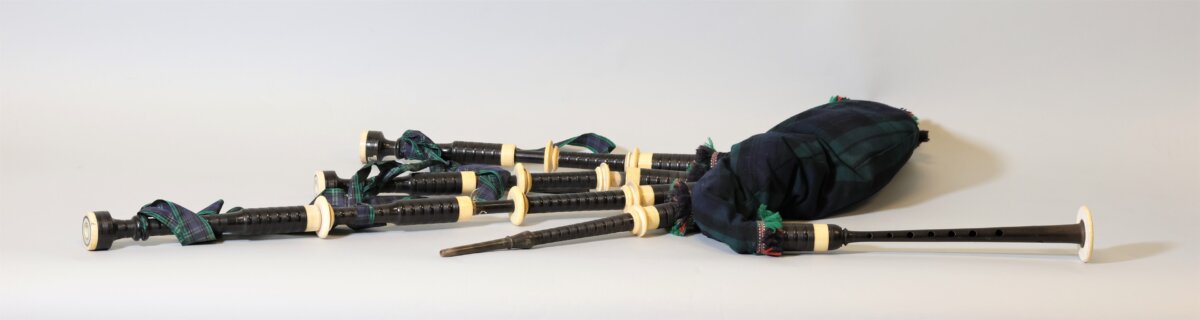
Early models were made of natural materials, like reeds, bamboo, and animal skins. But today’s modern versions are often made of synthetic plastic materials for durability and weather resistance.
From Lamentation to Celebration

Though the bagpipes can be found in many parts of the world, from India and Sweden to Ireland and even parts of the Middle East, the Great Highland bagpipes are recognized as Scotland’s national instrument due to close ties to clans and rural communities forged in the 15th century.
“In the Lowlands, for instance, there was a long tradition of ‘town pipers’ who woke the townsfolk in the morning and ushered them home in the evening,” Richard McLauchlan, author of “The Bagpipes: A Cultural History,” shared with Discover Britain.
“Meanwhile, in the Highlands,” he continued, “the pipes were closely associated with clans, with certain families prominent for their piping and dedicated pipe music for battle, laments … and … celebrations.”
When Posey thinks of the iconic Highland Bagpipes, the first words that come to mind are “strength of soul and sound.”
The singer shares that the Highland Bagpipes have a tremendous volume. “It’s like no other Celtic instrument,” she explains. “And it certainly gives Scotland a distinct voice.”
Keeping Traditions Alive
Posey continues to keep the spirit of Celtic history and Gaelic tradition alive with her music and performances. Her most recent album, “Celtic Voice of the Ancients,” features timeless traditional folk tunes like “The Parting Glass” and “Auld Lang Syne.” She’s looking forward to upcoming festival performances in Texas. On March 7 and 8, she performs at the North Texas Irish Festival, and, in May, she performs at The Decatur Celtic Festival.
Her music has taken her to places across the world, but one moment in the UK in particular stands out to her. “While in Scotland, I won’t forget hearing bagpipes on the Scottish air.”
What arts and culture topics would you like us to cover? Please email ideas or feedback to features@epochtimes.nyc
