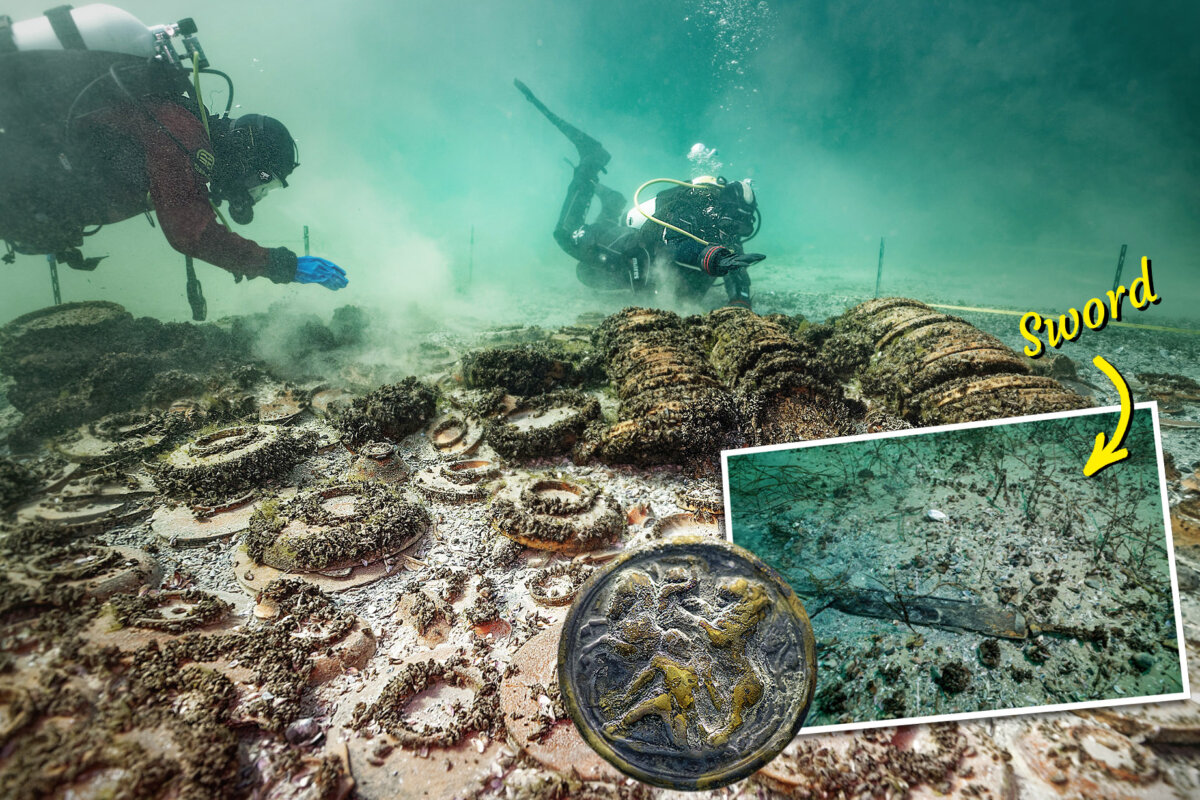
At the bottom of a lake in Switzerland, Julien Pfyffer and his team of underwater archeologists have been studying the mystery of a Roman-era shipwreck cargo that was found—with no accompanying ship.
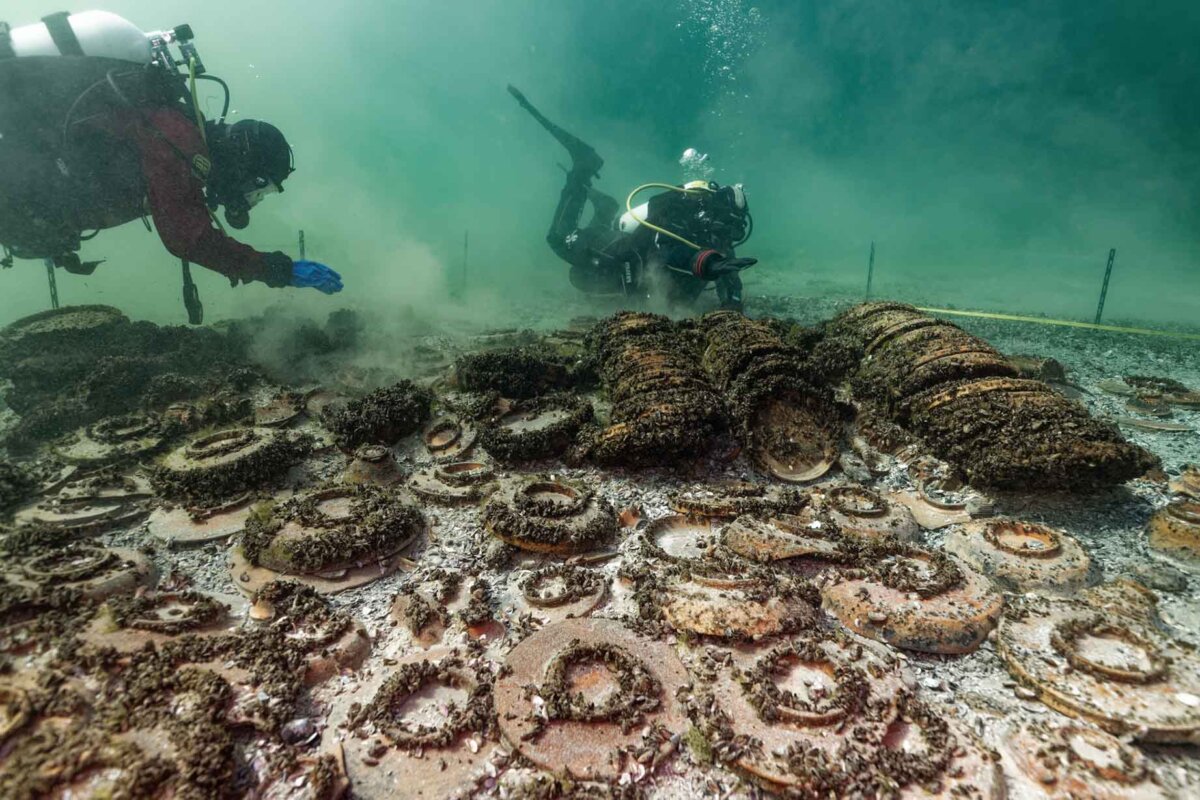
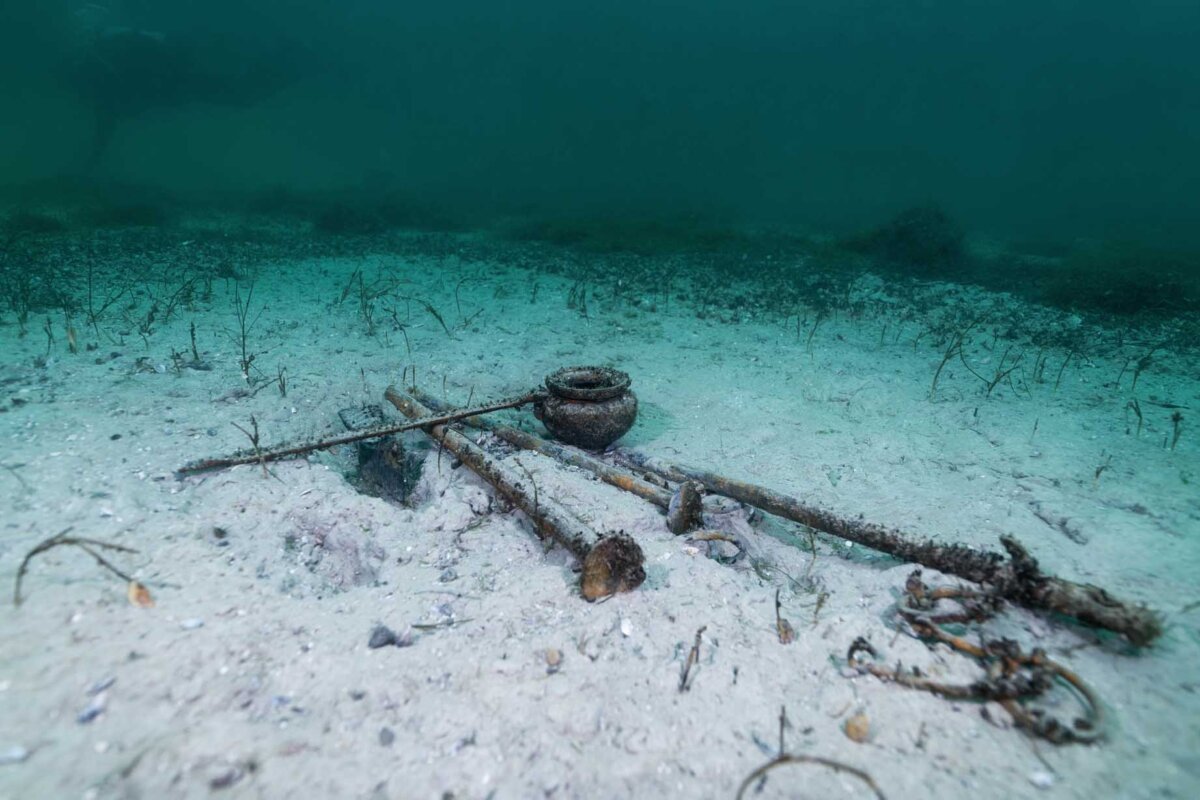
In March, Pfyffer and his organization, the Octopus Foundation, spent a month diving alongside partnering researchers in Lake Neuchâtel, in Western Switzerland. They measured and marked 19 new square-shaped sections four meters in size at an excavation site with an estimated 1,000 ancient objects strewn across the lakebed.
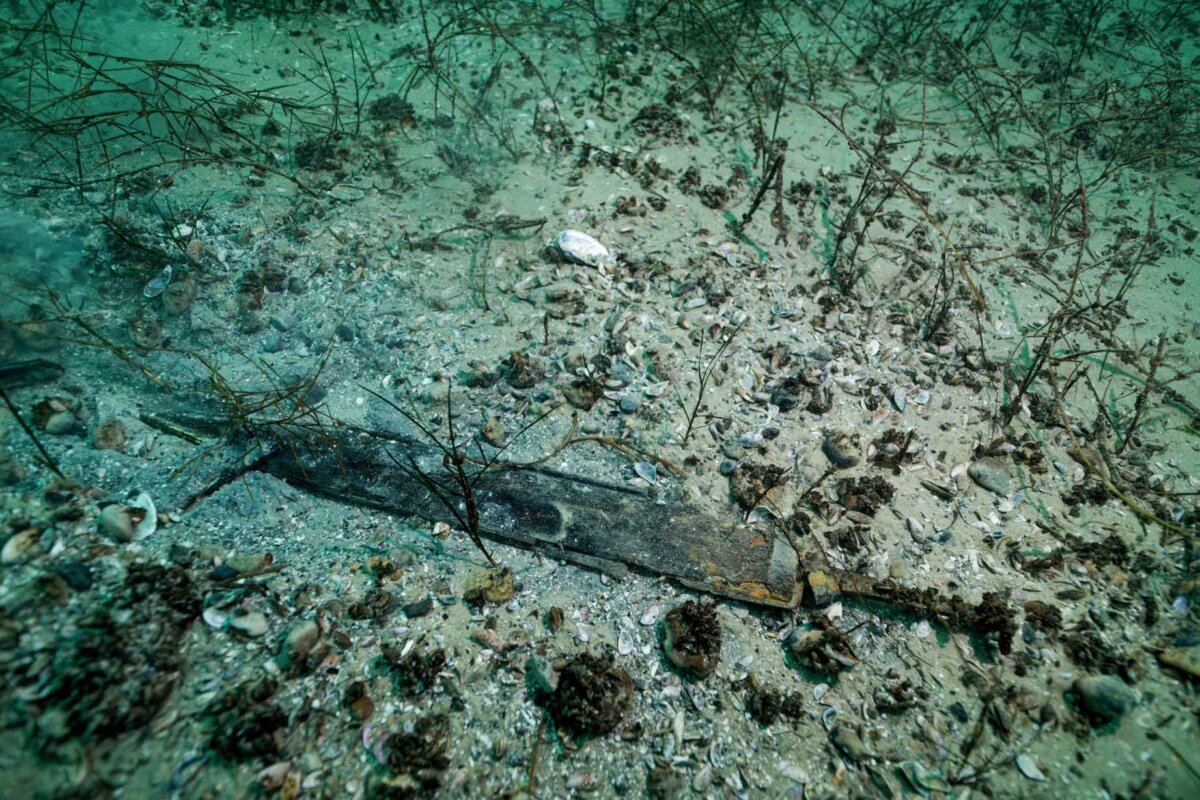
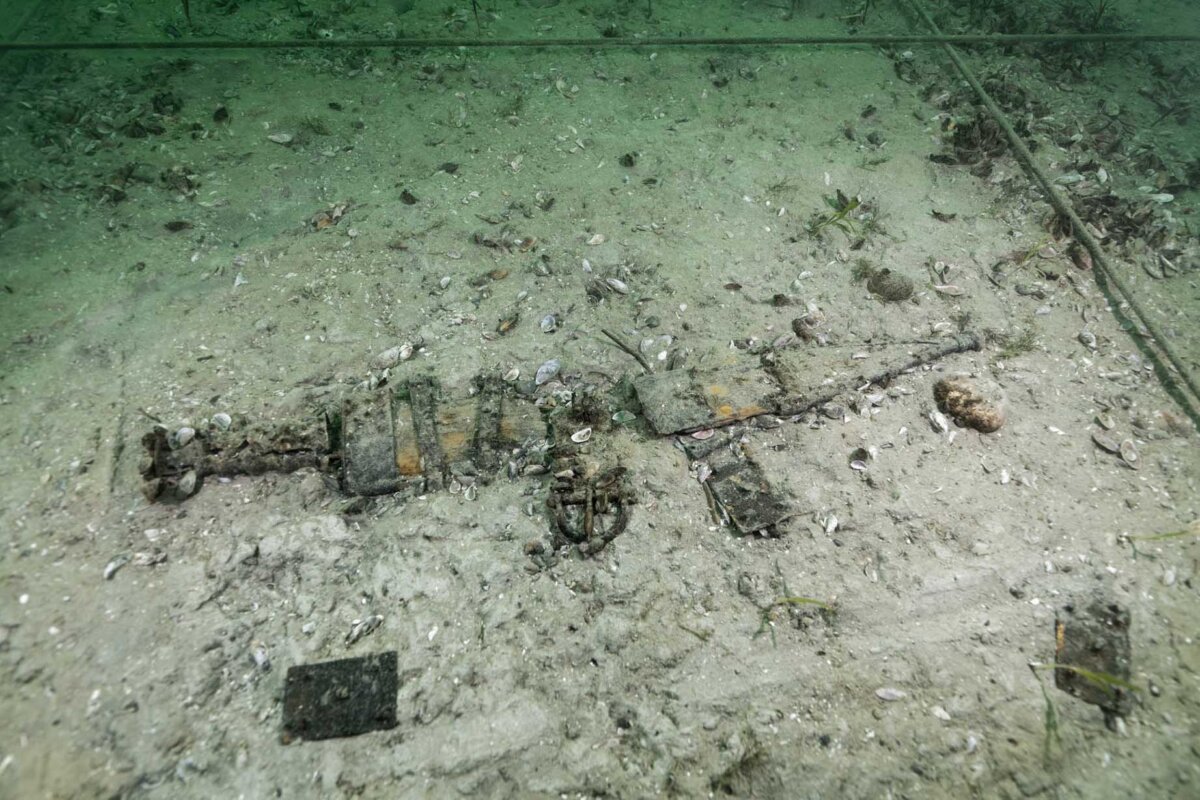
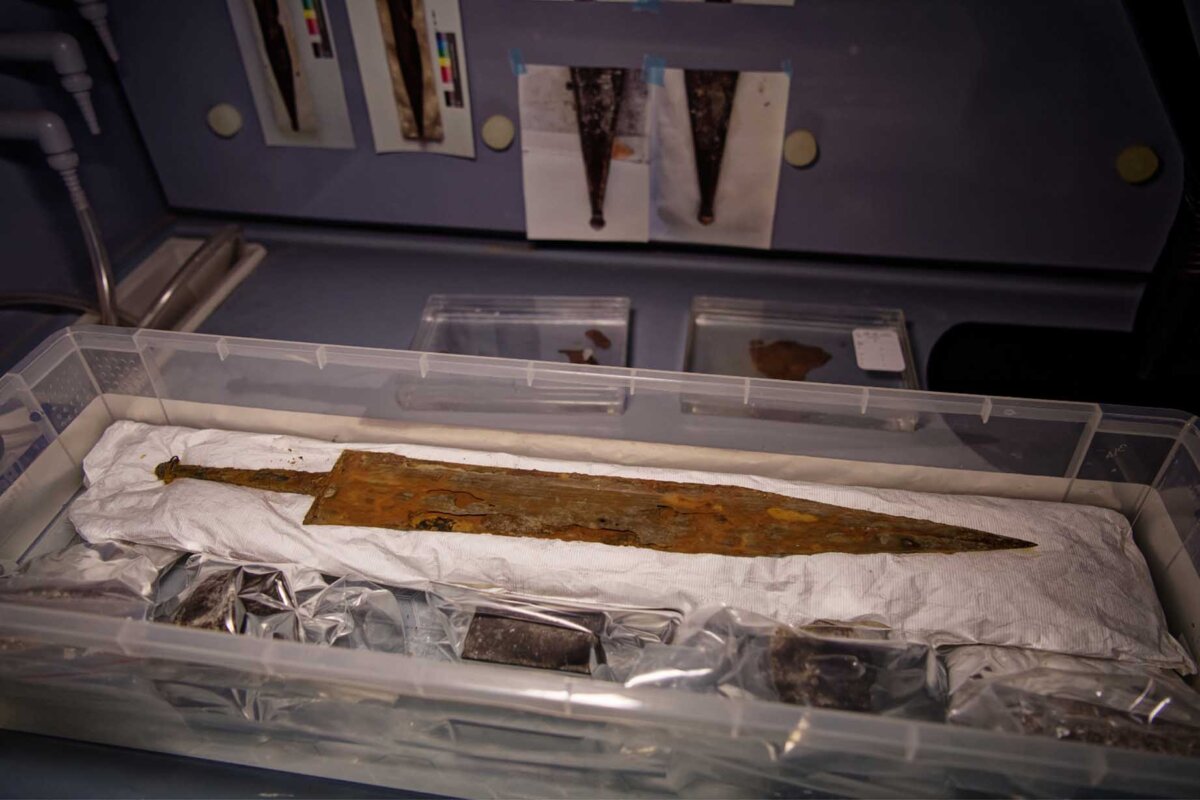
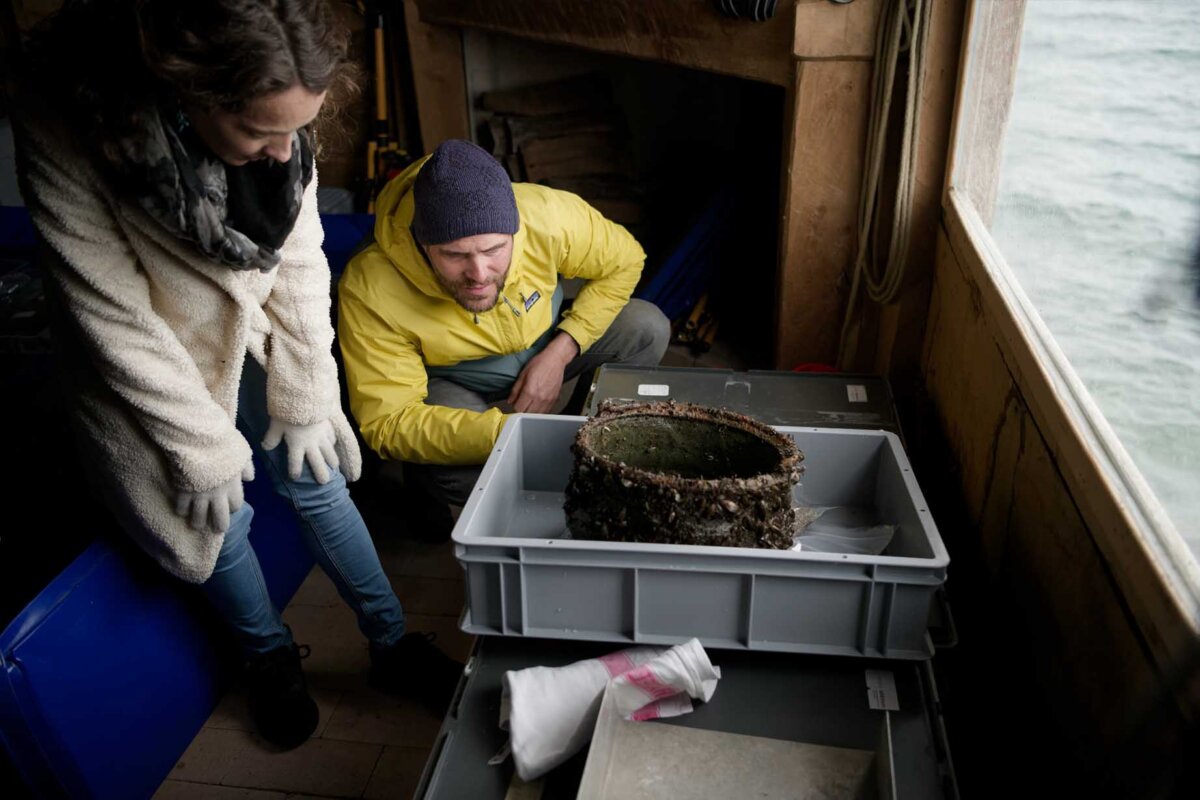
Over 100 pieces of fragile terracotta, wood, and the rusted remains of two Roman gladius swords had been extracted from the lake previously in 2025 and then placed in chilled, demineralized water to keep them in a state of preservation. Their aim this year is to extract the remaining objects, thus salvaging them from underwater erosion and the ever-present threat of looters. They will gradually be dried in the open air until fully stable.
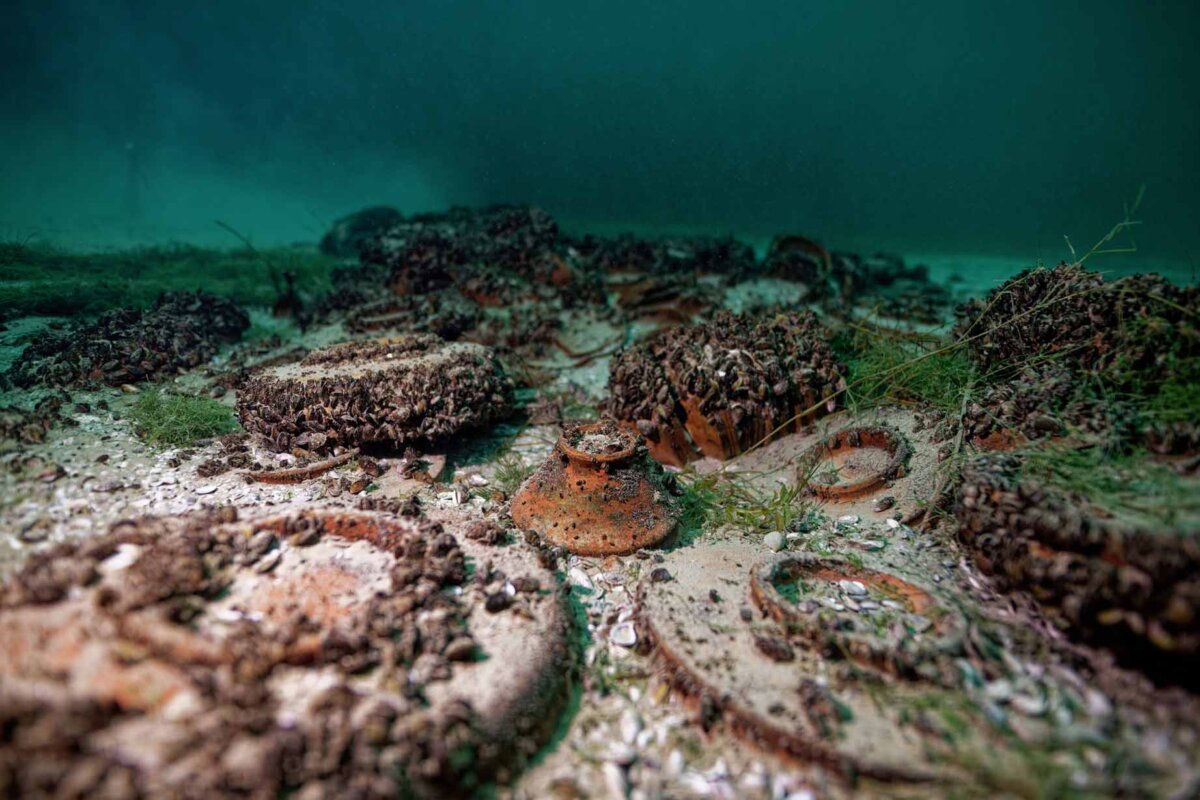
These remaining objects include piles of ceramic plates, wood and metal chariot wheels, and larger vessels called amphorae, used for storing olive oil or wine.
But so far no traces of any shipwreck have been seen at all.
“Either it sank further in the middle of the lake, where depths reach 100 meters, or the boat never sank in the first place,” Pfyffer told The Epoch Times, speaking of their working hypothesis of what happened to the ship.
“When it lost its cargo, the boat became lighter and hence more maneuverable. The sailors might have saved themselves and their boat, perhaps.”
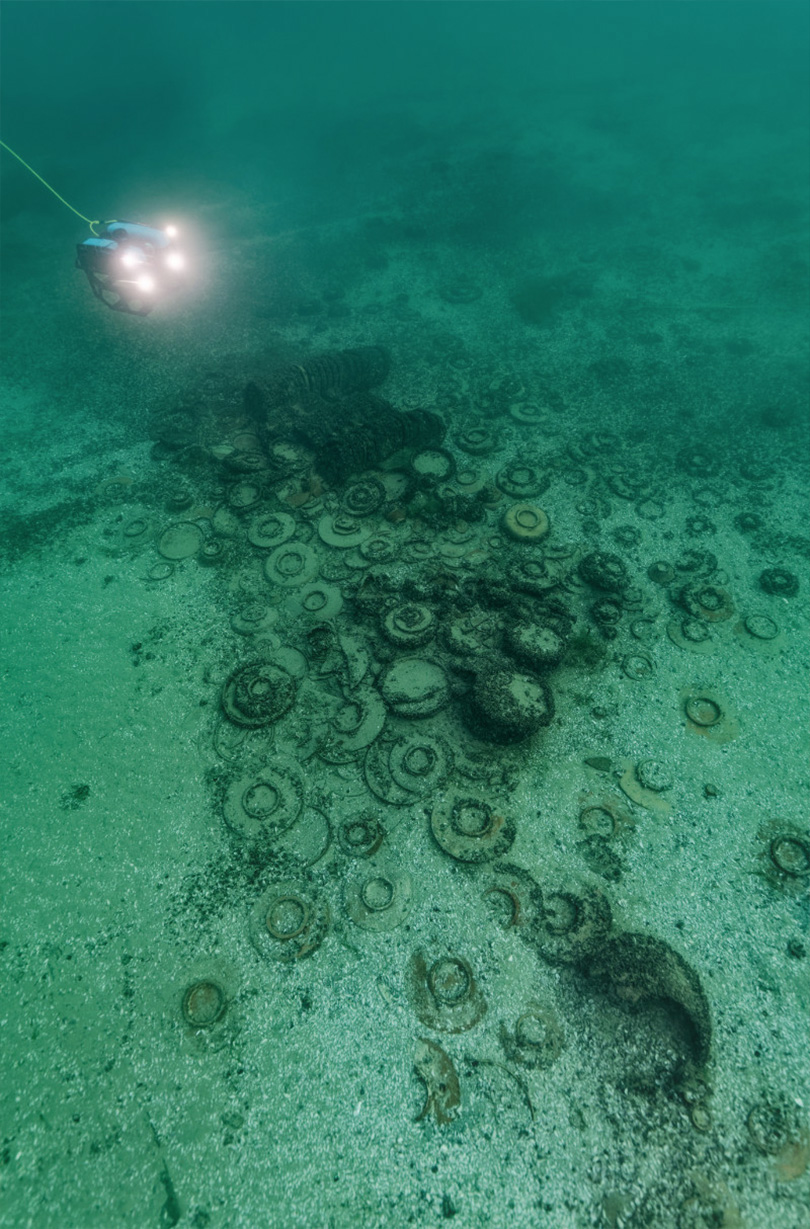
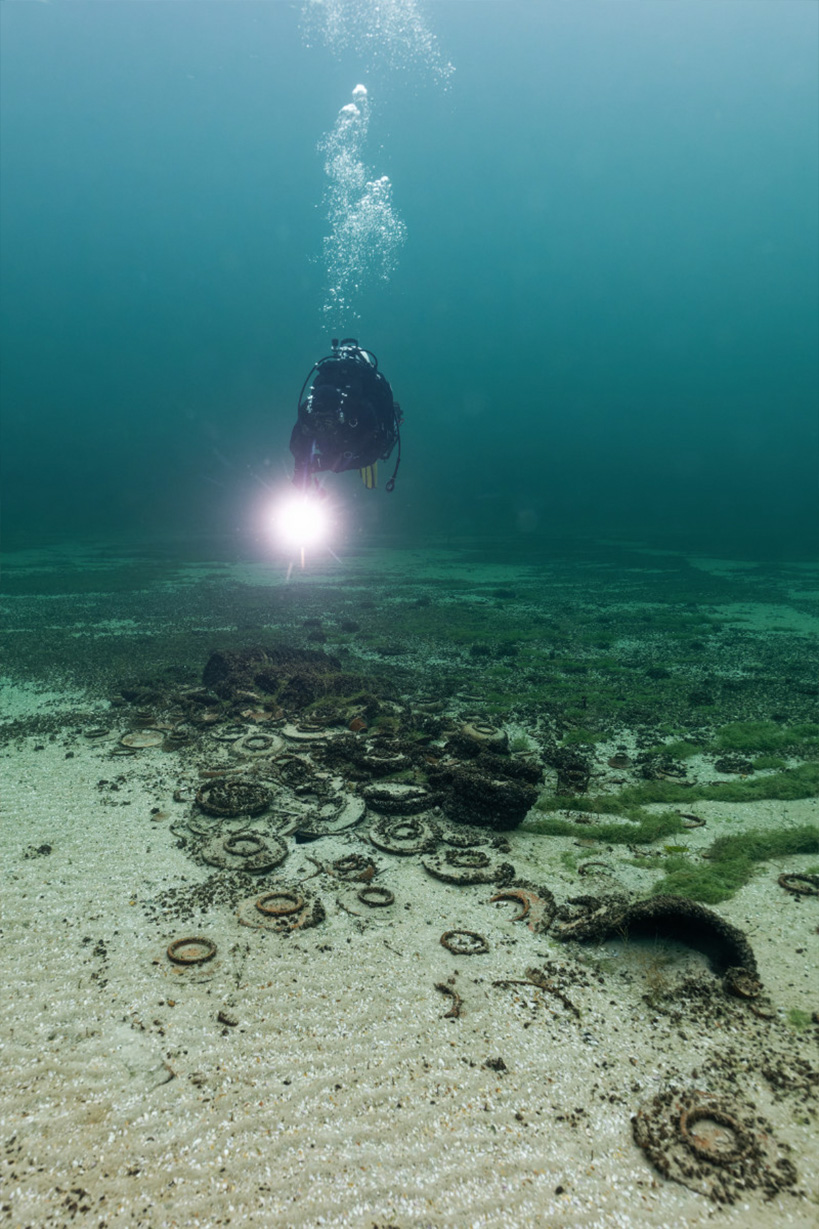
The shores of Lake Neuchâtel have been a hot spot for archeological artifacts before this new discovery. In November 2024, Pfyffer, working alongside the Department of Archaeology of the Canton of Neuchâtel, obtained the first clues about the underwater cache from aerial photographs taken by a drone flying over the lake. They saw several “dark circles” underwater, thanks to the water’s clarity, he said, and then they dove to investigate with great caution because “it looked very similar to landmines, possibly from the Second World War.”
“But as soon as we switched on our torches, no doubts were possible,” he said. “It had the color of terracotta. Plus, there were some broken pieces. It was ancient ceramics.”
The remains had previously been buried under sediment for possibly hundreds of years, until man-made hydrological corrections to the waterflow over the last several centuries were implemented to control flooding, causing disturbances that reshaped the lakebed, eroding away material covering the cargo.
“I knew we had in front of us something exceptional,” Pfyffer said. “I realized it was more than just a big discovery. It was the beginning of a complex and amazing mission to protect these exceptional remains.”
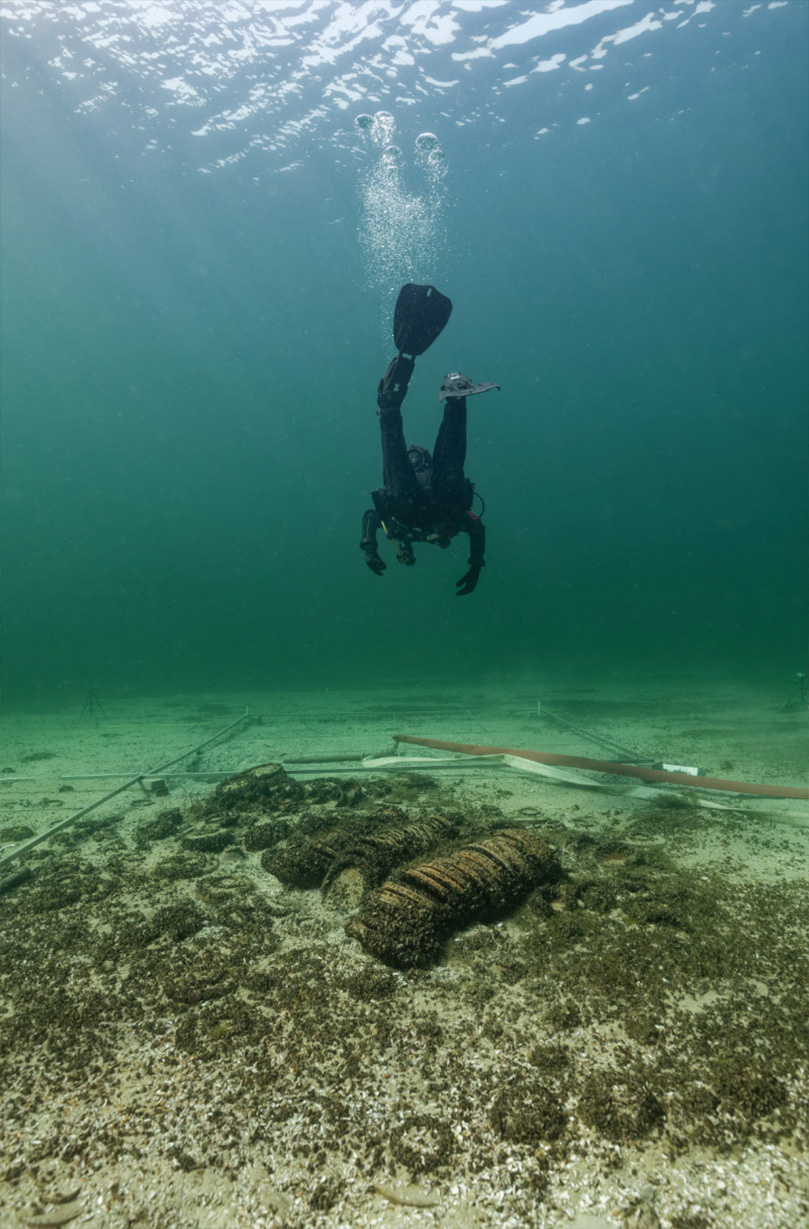
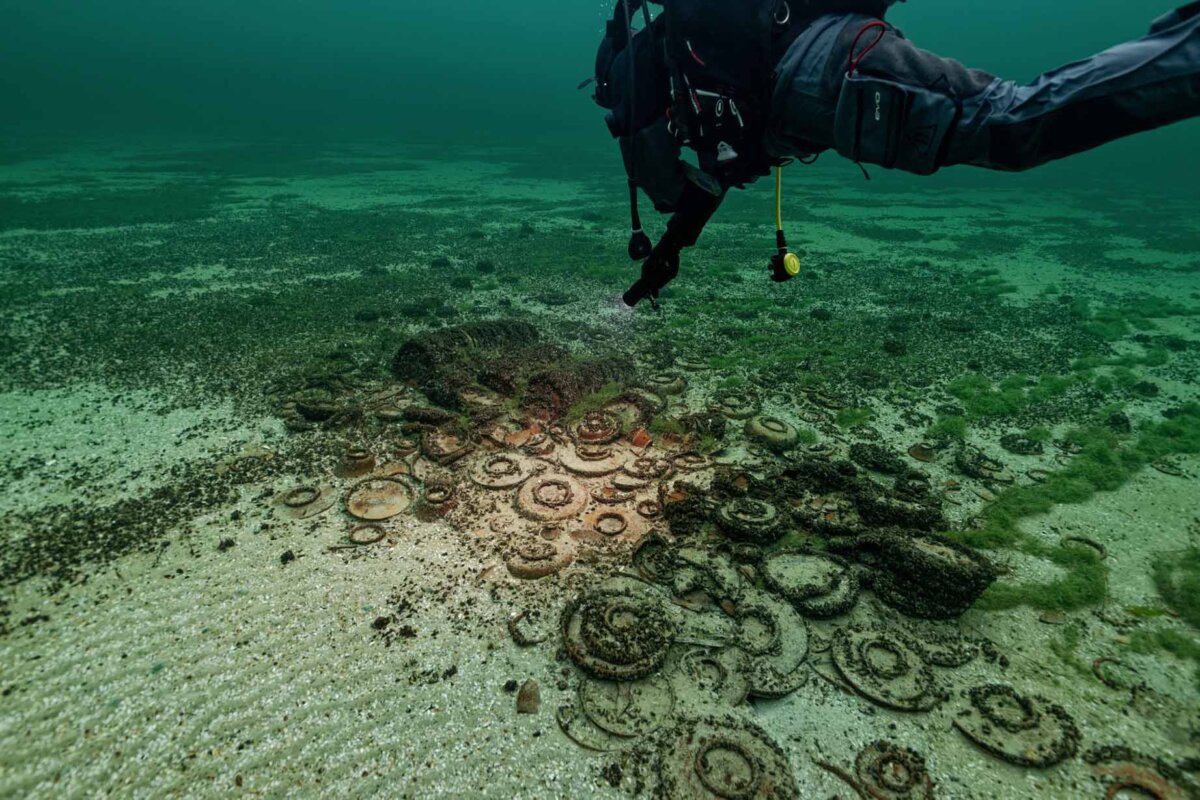
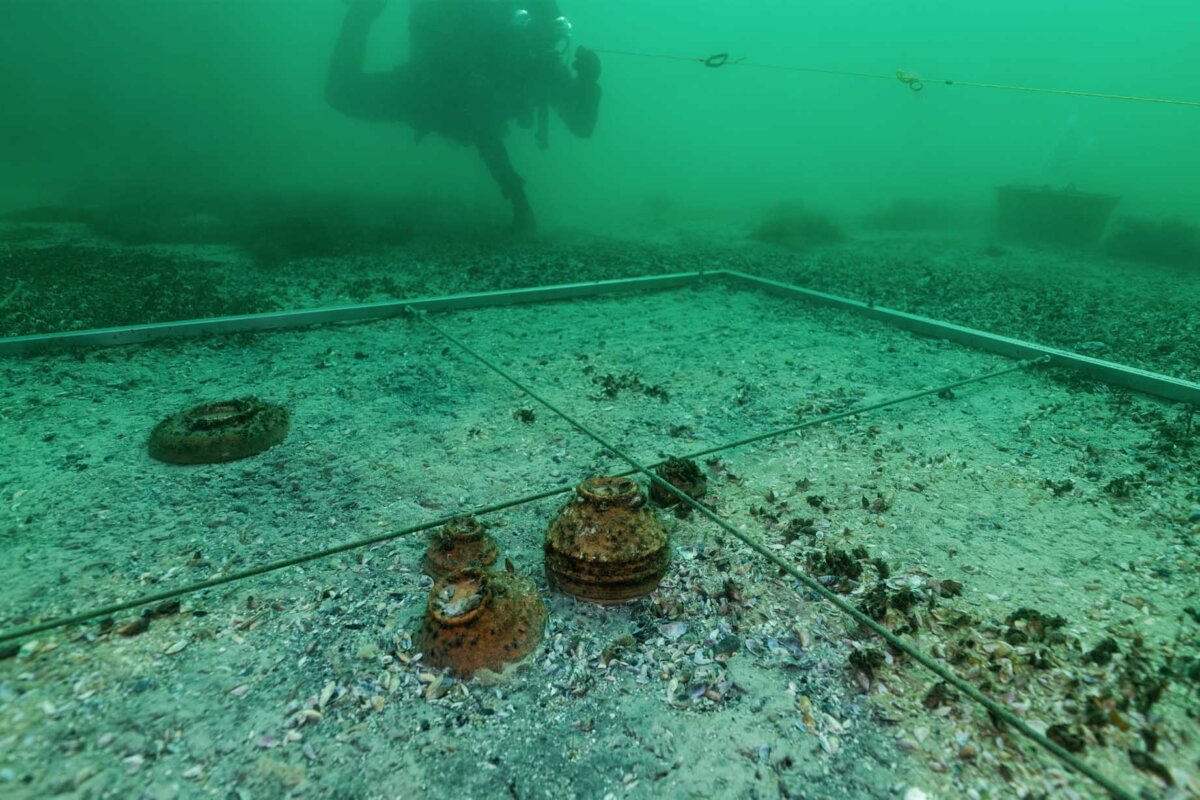
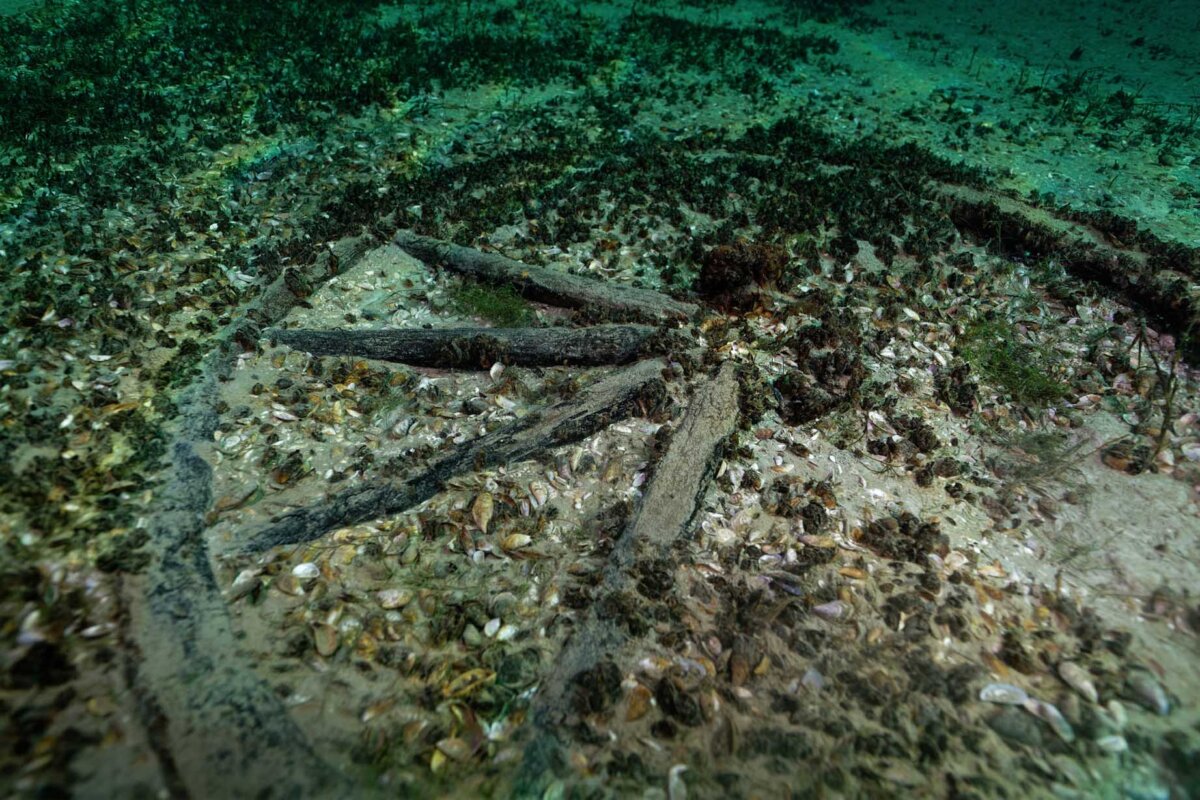
The first expedition to excavate the cargo in detail began in March 2025, after an underwater drone had scanned the area to determine water visibility, temperature, and current. Over a two-week mission, divers plotted the first 42 four-meter squares across a 1,000-square-meter work area. The debris was scattered loosely around a cluster in the center with several layers of artifacts piled up, including plates and bowls stacked in wood racks and crates. Approximately 150 objects were removed from the lake during their dives in 2025.
Underwater cameras were then installed to keep an eye on the site until excavations could resume in March 2026.
“These artifacts, of inestimable historical value [were] exposed to the lake’s currents and potential looters,” the Octopus Foundation stated in a press release. “It was therefore decided to quickly conduct excavations to secure and stabilize these pieces, making them accessible to the public.”
Pfyffer added, “As the pieces were on the surface of the lakebed, the archeologists were worried [about] an accidental destruction by a boat anchor or a fishing net that would disperse the pieces.”
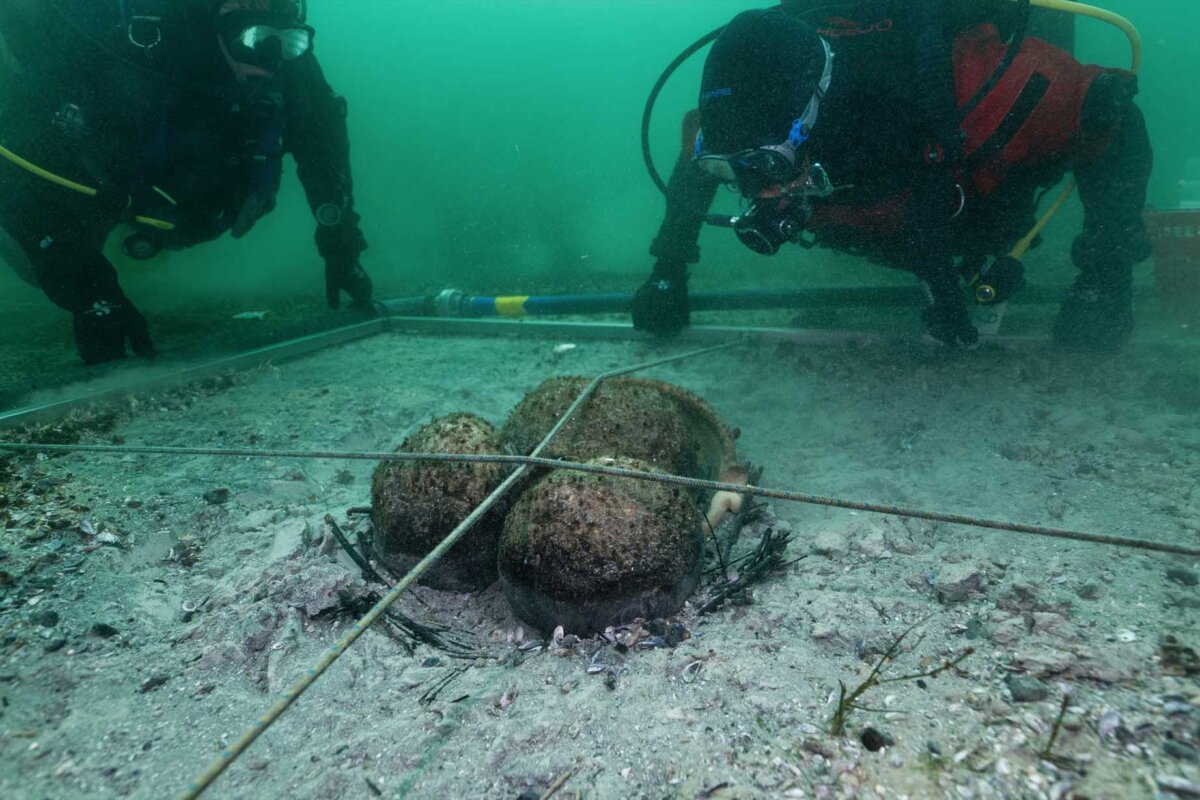
Carbon dating from a wood sample from the cargo allowed the researchers estimate a time frame, dating it somewhere between 50 B.C. and 50 A.D., a period when the Roman Republic fell and the Roman Empire began. They say it likely hails from 16 A.D. when the 13th Legion was stationed on the banks of the Aare River to the northeast of Lake Neuchâtel.
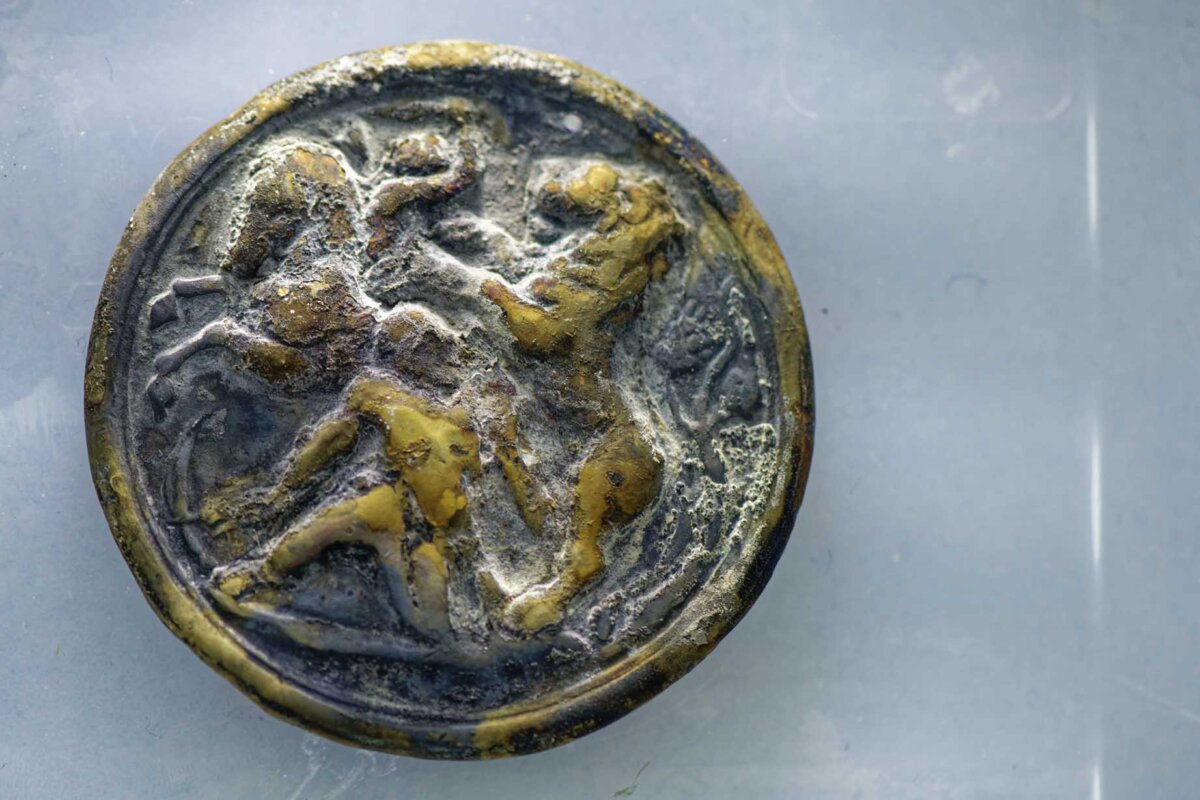
Legionary equipment found at the site—including the two Roman gladiuses, a belt buckle, and fibula broach pin—all indicate Romans escorting the vessel.
“Given the quantity of items, it is possible that this cargo was intended for a legion, which numbered approximately 6,000 men,” the foundation stated. The diversity of objects and their “exceptional state of preservation” offer “a rare snapshot of antiquity.”
While none of the terracotta pieces recovered in 2025 bear the potter’s mark that would pinpoint their place of origin, initial analyses do suggest they were fabricated on the Swiss Plateau.
Additionally, a wicker basket, perfectly preserved by the lake chalk, was found containing six ceramic pieces different from the rest, possibly the cooking equipment of the ship’s sailors.
“As the pieces are very light and mobile they could have been looted,” Pfyffer said. “But today all the pieces are in a safe place, out of the water.”
Though the cargo does offer clues as to its history, only further specialized studies will lead to definitive scientific conclusions.
And as for the mystery ship, the researchers can only guess.
“Honestly, we don’t know. The highest probability is a sudden storm that surprised the sailors of the boat,” Pfyffer said. “One of the characteristics of Switzerland is the fact that our lakes are surrounded by mountains. It happens quite regularly that the wind is funneled and hit hard the lakes without warning. But in any case, we might never find the boat.”