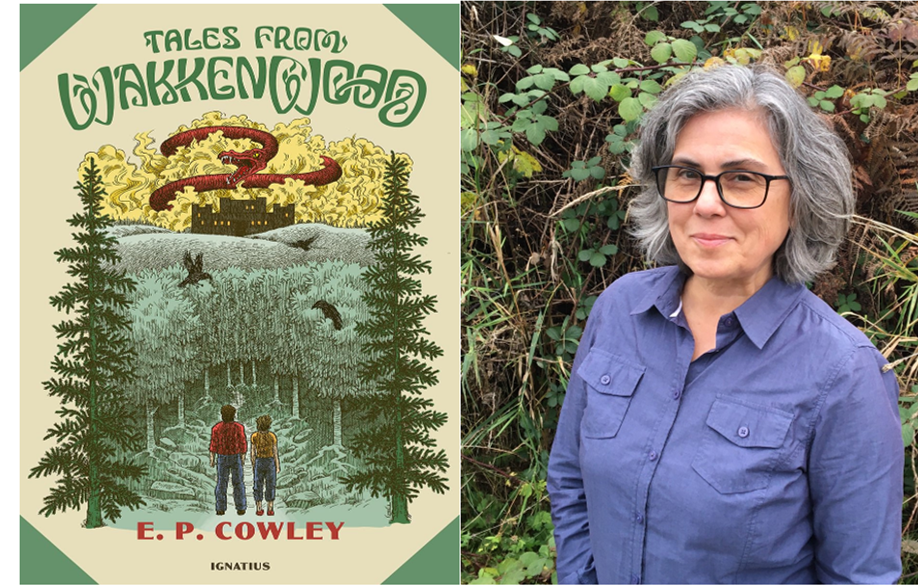
Peter Thornburg is in the seventh grade. He has silver eyes: not really light blue irises but eyes like pools of quicksilver. It creeps people out. Other children his age fear him.
They either run away from him or attack and bully him. Flight or fight. He tries to wear dark glasses to hide his eyes, but eventually someone makes him take them off, and everyone finds out about his eyes.
It wasn’t so bad when his brother was alive, before he was run down by a driver running a red light. After that, Peter’s mother slipped into depression.
Peter’s father spent so much time trying to help her that he lost his tenured professorship, his income, and his house. Now, the only job his father can find is waiting tables in an all-night diner.
Peter had to leave the private school where everyone knew him and was used to him and go to a public school, where everyone bullies him. He’s “the zombie freak” and “the werewolf.” After he gets beat up, again, he gets more bad news. His best, and only, friend, Pixel Rilson, is leaving. She has to go someplace to get treatment for an inherited blood disease.
Things get worse. His father has found a new treatment program for Peter’s mother. It means Peter can’t stay with his father. He’s being sent to spend the summer with his great-aunt Marj at Wakkenburg House, located in the middle of Wakken Wood. It’s on an offshore island.
The only good news comes when he learns that Wakkenburg House is on the same island as Foyle, the town where Pixel is traveling for her treatments. They’ll take the ferry together. Maybe they can see each other.
However, the island seems off. It’s not that Pixel and Peter will geographically be widely separated on the island or that Pixel’s guardian, Aunt Kate, discourages visitors while Pixel is under treatment. Peter is used to that kind of disappointment.

On the surface, things seem normal, even if a lot of the technology on the island seems 40 years out of date—no cell phones, and very limited internet. If you want to communicate, write a letter.
Rather, it’s that things fail to add up. The island’s geography seems oddly fluid. There are odd people there. Peter starts seeing creatures running around—creatures the other islanders, except his family, don’t notice.
Rejecting the evidence of his eyes at first, Peter soon realizes the fantastic creatures he’s observing are real; they’re invisible only to those unwilling to see them. The island itself is a borderland between the ordinary and magical worlds, rather like the island on which Shakespeare’s “The Tempest” takes place.
The Power to See
Peter also soon realizes that his silver eyes endow him with extraordinary power on the island, that Pixel is in great danger, and that both appear to have been drawn to the island as part of a contest between the forces of good and evil. Moreover, whether good wins out or evil triumphs will be the result of his and Pixel’s actions and decisions.
The good news? There’s a cast of characters at hand on the island to offer them assistance and provide advice. The bad news? There’s also a large number of self-seekers. They are willing to give Peter and Pixel bad advice that hurts the two and many others but profits the ones offering it.
The only way to differentiate is to understand the value of courage, integrity, and companionship. It’s a choice between doing what’s right and doing what’s convenient.
This book can be read and enjoyed by middle school readers. Like C. S. Lewis’s Narnia stories or Norton Juster’s “The Phantom Tollbooth,” it’s more than a simple children’s story. There are levels and nuances young readers might miss that adult readers will catch and appreciate.
One of its important messages is the need to go beyond surface appearances. Another is to be willing to accept the evidence of your senses, even when they seem unexpected.
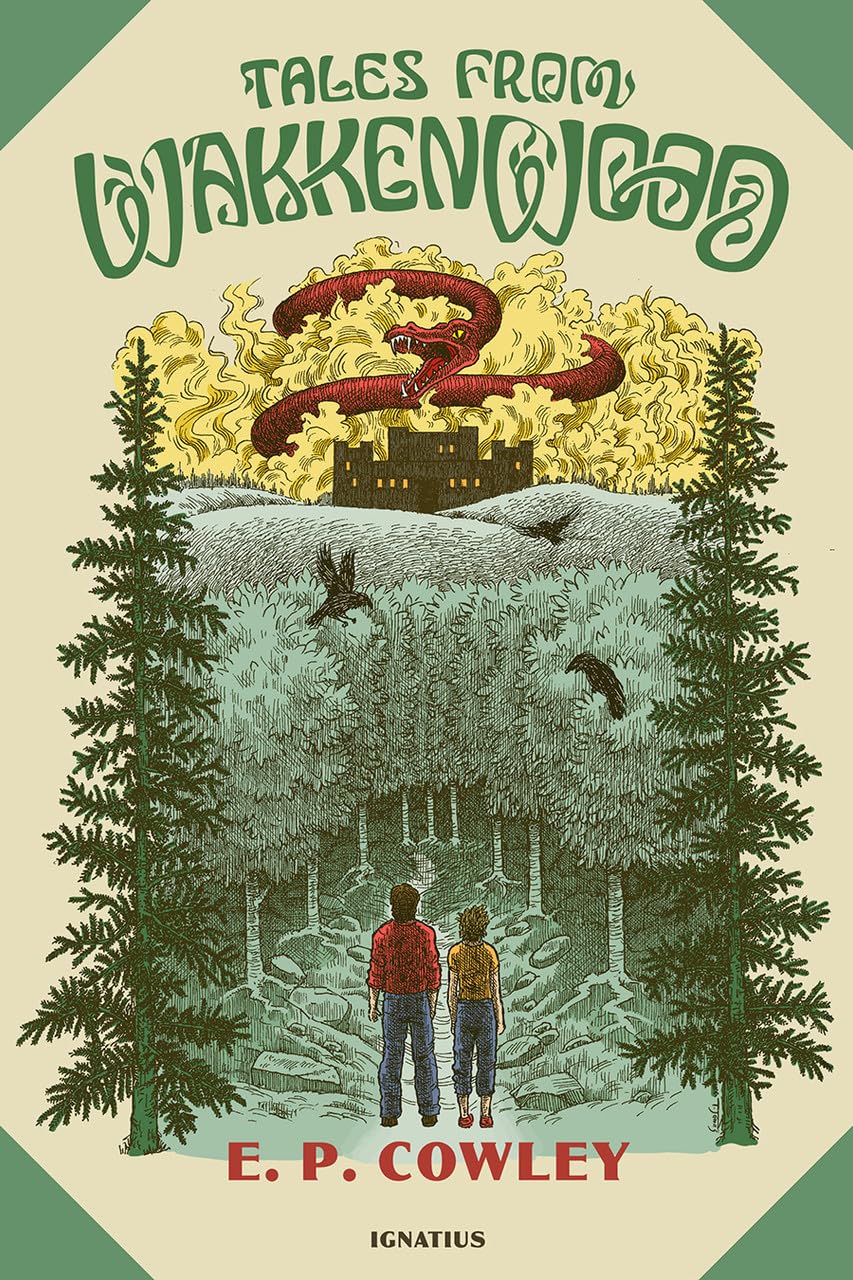
The island is filled with fantastic creatures which are invisible to its inhabitants. This isn’t because they aren’t there. Rather, their appearance contradicts the expectations of the islanders, so they’re simply rejected. It’s easier to accept a mundane explanation, however implausible, than accept the seemingly unbelievable.
For those seeking an entertaining book for a middle–school reader, “Tales From Wakken Wood” is a good choice. It gently reinforces positive values, wrapped in an entertaining and wonder-filled story.
If you’re looking for an entertaining story lacking vulgarity (the harshest epithet used is “dagnabit”) yet with an intriguing plot, consider reading it yourself. If you get it as a gift for a tween, read it yourself before passing it on. It won’t disappoint you.
‘Tales From Wakken Wood’
By E.P. Cowley
Ignatius Press: Aug. 25, 2025
Paperback, 505 pages
What arts and culture topics would you like us to cover? Please email ideas or feedback to features@epochtimes.nyc