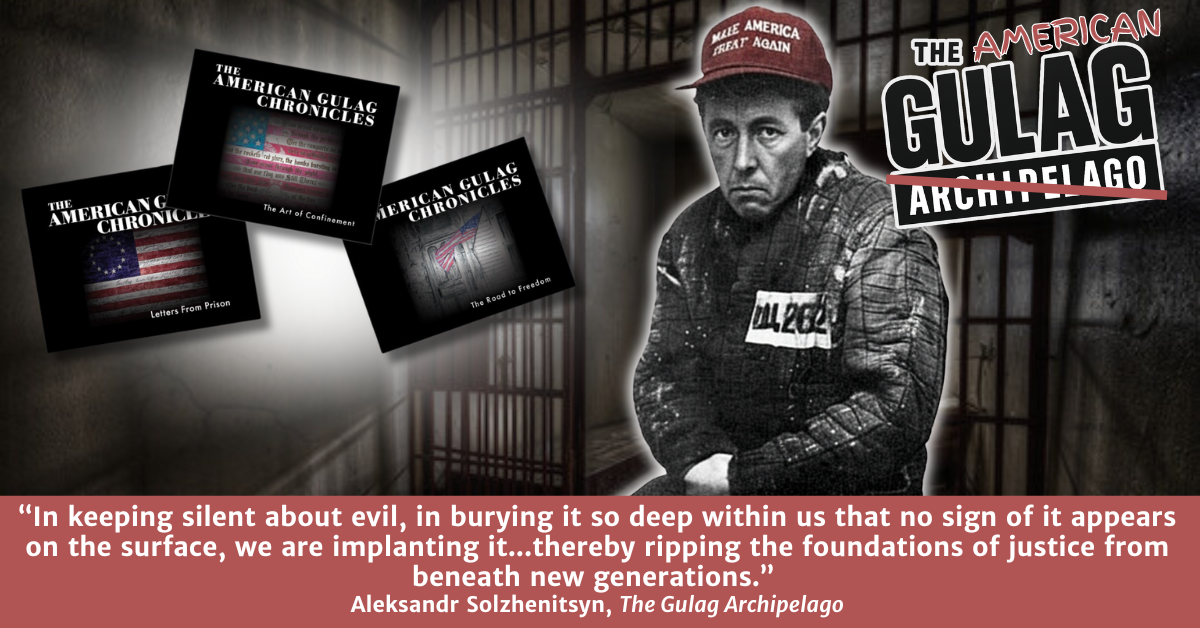
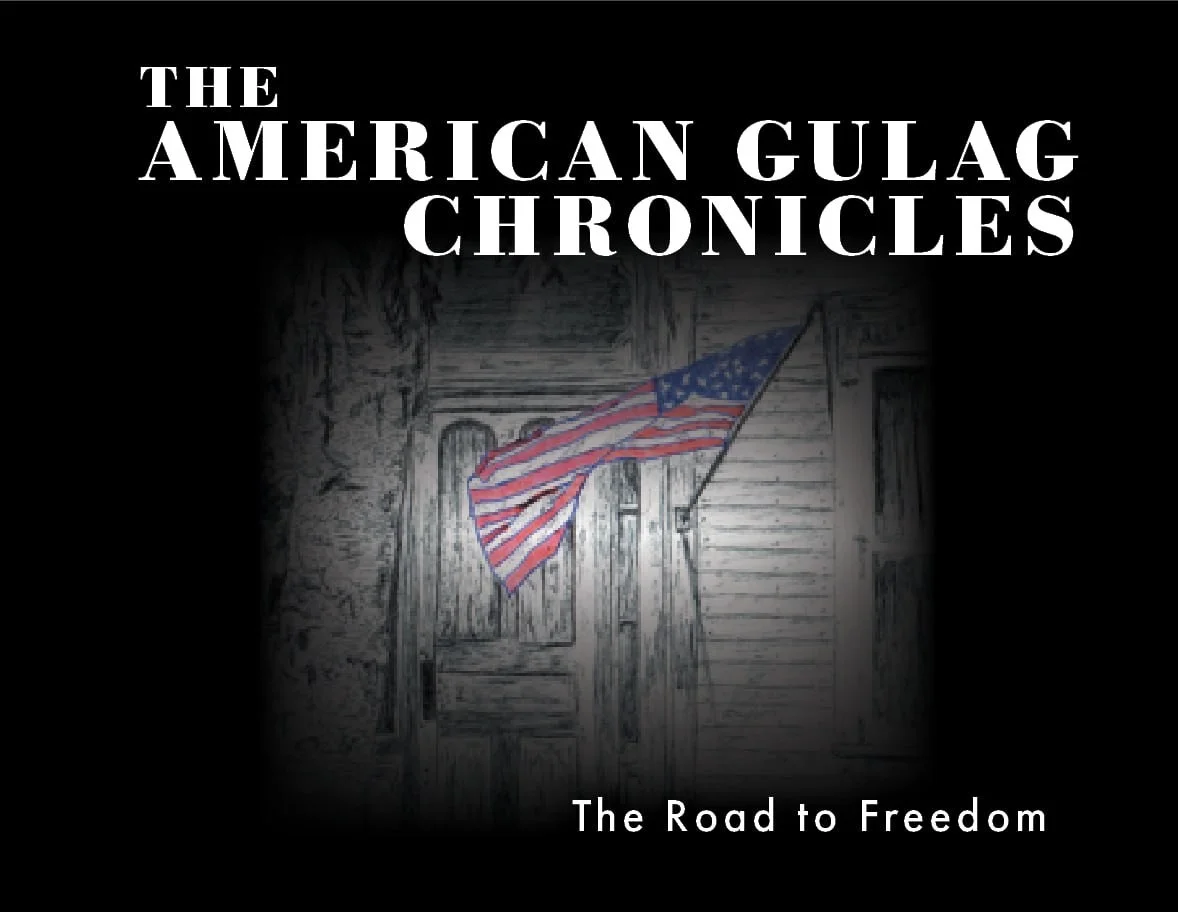
“The American Gulag Chronicles: The Road to Freedom” (The Road to Freedom”) by Tim Rivers arrived at a time when the Jan. 6 narrative was shifting under a flood of new evidence. This third and final volume is a record of conscience forged inside a political and judicial storm that swept up ordinary citizens. Like the Samizdat writings from dissidents under Soviet rule, like Aleksandr Solzhenitsyn’s “The Gulag Archipelago” and Vaclav Havel’s political essays—these important historical missives shine with the clarity born of hardship.
The first two volumes—”Letters From Prison” (2024) and “The Art of Confinement” (2024)—documented harsh confinement, shocking constitutional violations, and troubling judicial disparities, sounding the alarm when the law became weaponized at an unprecedented level.
Rather than recounting suffering alone, “The Road to Freedom” reveals the architecture of resistance. It captures the inner transformation of ordinary men placed under extraordinary pressure. Their letters describe censorship, denial of discovery, isolation, family strain, and—remarkably—the emergence of a disciplined, prayerful brotherhood behind bars.
What emerges is not a portrait of radicals, but of citizens who refuse to relinquish hope or moral clarity, and the many people and grassroots groups who worked tirelessly for years to bring these targeted Americans true justice.
Awaiting release at the end of 2024, J6 prisoner Robert Palmer expresses spiritual gratitude: “It may shock you to know that I am actually grateful for this time. … If God chooses for me to live in a cardboard box but stays in my heart, then I have everything I need.”
“Bless you, prison, for having been in my life,” wrote Solzhenitsyn in “The Gulag Archipelago,” and in “From Under the Rubble,” “Misfortune is one of the ways in which God leads men to Himself, and the recognition of this is the only way to accept suffering.”
“Nine Commentaries on the Communist Party” notes that “under the CCP, countless people have awakened to the truth only through bitter suffering. Hardship has become the teacher the Party never intended.”
In “Letters to Olga,” Havel wrote, “It seems to me that everything good that has happened to me, has happened as the result of difficult moments and circumstances. My imprisonment has shown me what is essential.”
David Moerschel describes how Scripture and steadfast citizen support sustained his entire family. His letters show a man spiritually refined, not broken. Quoting Nehemiah, he distills a profound truth: “Revelation comes only after determination.”
This rings of Havel, who wrote: “In this place I have understood many things I might never have understood outside. For that, strangely, I am grateful.”
“Nine Commentaries” provides the insight that regimes like the CCP “force people to choose between good and evil. In making this choice, countless people have discovered a truth about themselves that they never saw in times of ease.”
Documenting the Architects of Resistance
Writing on Jan. 6, 2025, J6 prisoner Shane Jenkins reflects on time, pressure, and the long wait for justice: “Hard to believe it’s been 4 years since the government laid a trap. … I certainly hope the public is made aware of the truth.” And, in a moment of theological depth, his letters reveal the paradox of Christian faith: “Though You slay me, yet will I trust in You.”

“Those who stand firm amid the CCP’s oppression discover an inner freedom that no totalitarian power can take away,” observes “Nine Commentaries.”
One of the book’s significant contributions is its overt focus on preserving history—not as abstraction, but as a moral obligation for posterity. The volume insists on a central truth: If America buries its history, our children will inherit its consequences. A nation without memory becomes vulnerable to abuses it once swore never to tolerate.
As Havel wrote, “A person who has been through great suffering is often more open to responsibility for the world, because he has seen what happens when responsibility is abdicated.”
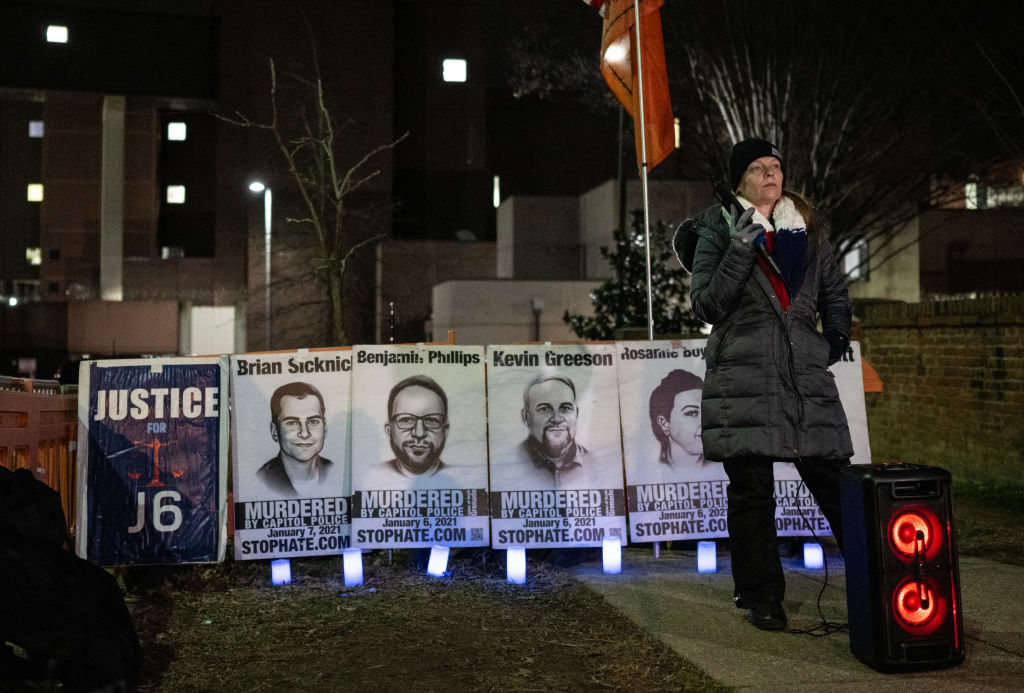
The final chapters preserve the grassroots networks that fought for transparency and justice: citizen-journalists, legal advocates, researchers, and community organizers, like David Sumrall of the Stop Hate Awareness Program. These were the lifelines—quiet, persistent, often unsung. Their work forms a kind of blueprint for civil-society resilience, should future generations ever need it again.
Many believe something new will emerge from this ordeal—a “Renaissance in Liberty and Justice.” These men, calling themselves “political hostages” with bitter humor, want not only to return home but to help rebuild the nation that imprisoned them. Their suffering, they insist, will not be wasted. (All were pardoned, but not all released at the date of this article.)
A Safeguard Against National Amnesia
Above all, “The Road to Freedom” serves a singular purpose: ensuring that these experiences are not erased, rewritten, or buried. It stands as a modern reminder that freedom is not self-sustaining, justice is not self-executing, and truth survives only when someone preserves it.
This essential trilogy belongs in the international conversation on civil liberties and equal justice. “The Road to Freedom” is essential reading for anyone seeking to understand this contested chapter of American civic life—one that future historians will analyze with the scrutiny applied to past political trials.
For readers of The Epoch Times, and all thinking people who believe freedom requires both courage and memory, this final “Chronicle” is essential. This is history written not by victors but by survivors, and it carries an uncommon weight in the annals of mankind’s enduring struggle for freedom.
Reprinted with permission of Freedom Talk Magazine and edited for clarity.
‘The American Gulag Chronicles: The Road to Freedom’
By Tim Rivers
Pierucci Publishing: July 2025
Paperback, 164 pages
What arts and culture topics would you like us to cover? Please email ideas or feedback to features@epochtimes.nyc