In the days of Ancient Rome, the innovators of that era experimented with several methods to preserve food. They dried, salted, and fermented food they wanted to keep.
During the late 18th century, European countries had trouble with food spoiling during military and exploratory expeditions. During and just before the Napoleonic Wars started in 1803, French ruler Napoleon Bonaparte grew frustrated that his military campaigns were halted when food supplies spoiled before they even arrived. He responded by offering a reward of 12,000 francs to anyone who could develop an effective way to preserve large amounts of food.
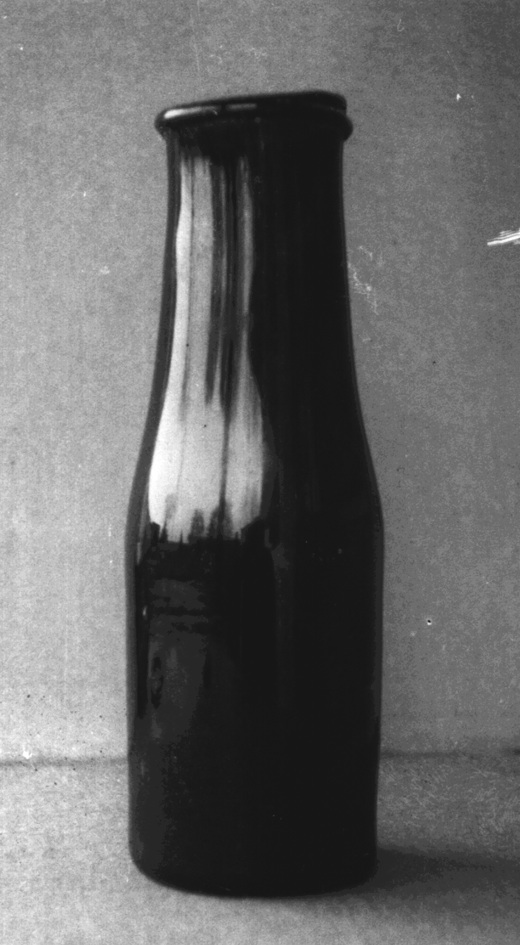
In 1809, French chef Nicolas Appert came to the table with a solution and earned the reward offered by the French government. Appert placed food inside glass jars and then boiled the entire container which removed air and preserved the food inside. However, glass wasn’t easily transported for military expeditions because it was fragile, heavy, and exploded when under pressure.
Soon, the British also needed to preserve food better. England’s King George III issued an order to discover how to preserve food in glass or tin. English merchant Peter Durand got to work using a food preservation method he had learned a year earlier from his friend French inventor Philippe de Girard.
In 1810, as an agent for Girard, Durand received the first patent for the process of preserving foods in a tin can. Long-lasting canned foods soon became readily available.
Heating, Cooling, and Sealing
Girard’s method involved sealing food in a container, placing it in cool water, and then heating it. Durand tested the concepts driven by both Girard and Appert to devise his own preservation methods to be used for the Royal Navy using tin-plated iron cans.
Durand knew that plating iron with tin keeps the iron from harming the food, and he tested the method with on a bigger scale. Durand placed food inside a tin can and heated the entire container in an oven or by submersing it into boiling water. The container was slightly open during the heating and cooling process, but then sealed right afterward with materials like cement.
The English government was satisfied with Durand’s invention. George III issued Durand a patent for his tin can food preservation method. The original patent didn’t specify the boiling time; it said it depends on the type of food and size of vessel. The patent was also unclear on how long the food would be preserved. It only stated that food could be preserved for a “long” time.
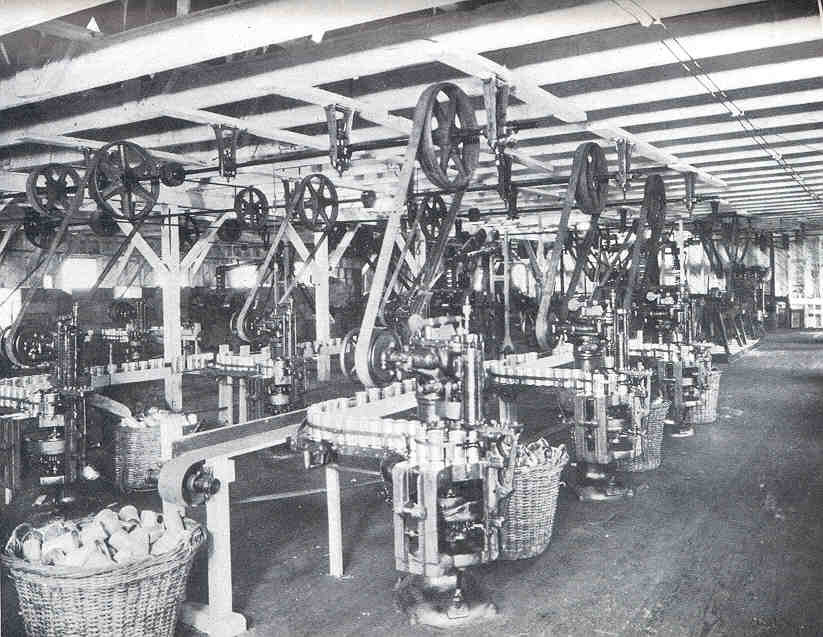
Canning Business
Even though Durand was the first to receive a patent for canning food, he never commercialized the process. In 1812, he sold his patent to Bryan Donkin and John Hall for 1,000 pounds (worth more than $120,000 today).
After taking a year to perfect Durand’s methods, Donkin and Hall opened the world’s first commercial food cannery by 1813. In April 1813, the Duke of Wellington tried the duo’s canned beef; he thought it was so tasty it should be used by the British army and navy. Later that spring, the British Admiralty bought over 150 pounds of Donkin’s canned food to feed sick sailors.
Robert Ayers brought the canning food idea to the United States in 1812. In 1818, Durand introduced canned food to the United States when he re-patented his idea in the United States.
By 1820, canned food was in the early years of being readily available in Britain and France. The canning process was universally recognized in the United States in 1822.
The invention of canned foods was ahead of its time. French scientist Louis Pasteur didn’t prove that heat destroyed harmful organisms inside sealed food containers until the 1860s. The first tin cans were opened with a hammer and chisel. Ezra Warner invented the can opener later and received the first patent for it on Jan. 5, 1858.
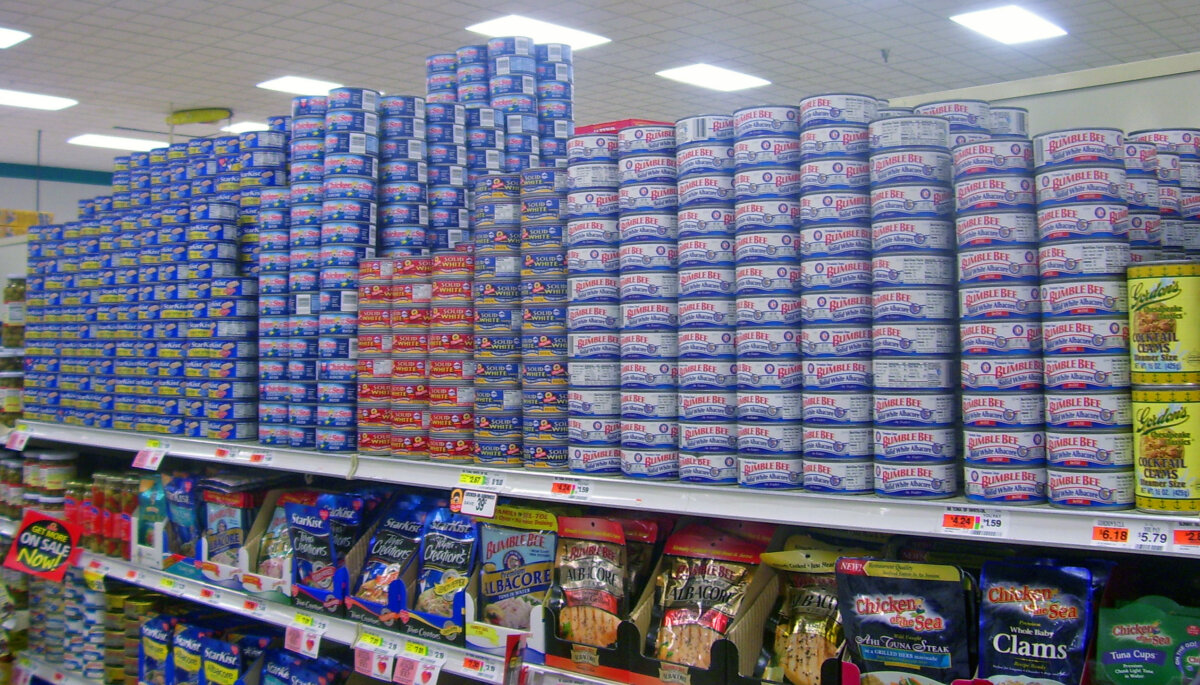
Over the years, the canned food industry has saved lives and given people all over the world access to foods that they either couldn’t produce or were out of season.
Today, over 1,500 different types of foods are routinely packed into tin cans and shipped all over the world. The canned food industry has grown into a thriving business with Americans buying more than 130 billion cans every year, which generates over $31 billion in direct sales.
What arts and culture topics would you like us to cover? Please email ideas or feedback to features@epochtimes.nyc