



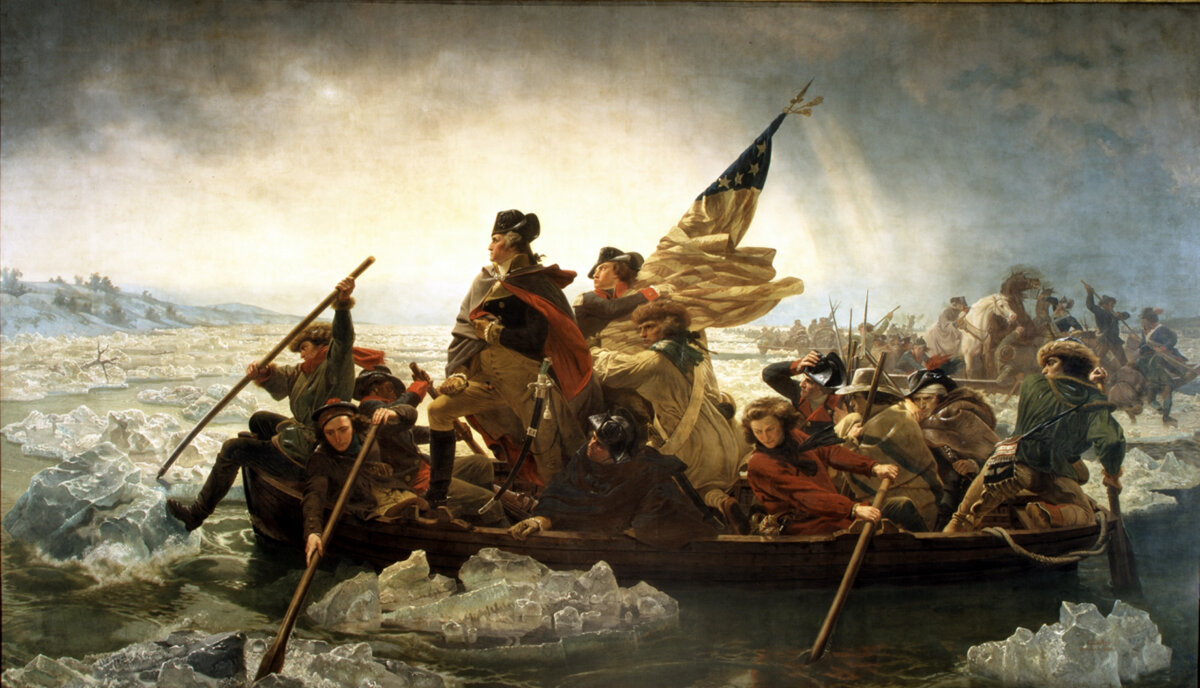
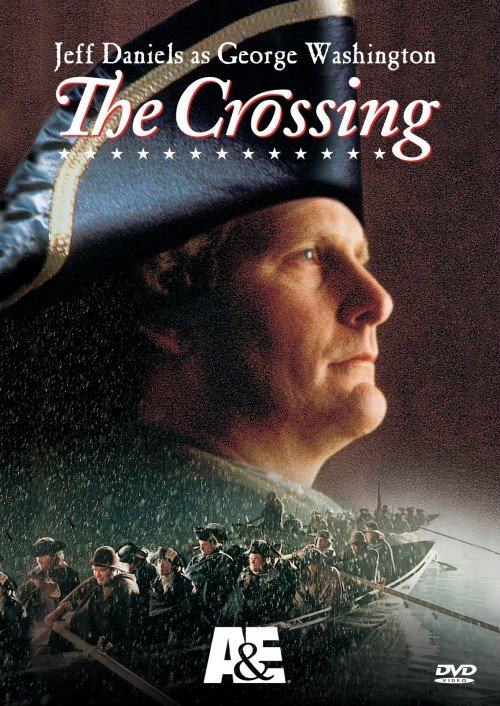
Director Robert Harmon’s television film “The Crossing” (2000) features Howard Fast’s screenplay, in turn based on Fast’s novel of the same name. It’s set in 1776, six months after the American colonies declared their independence.
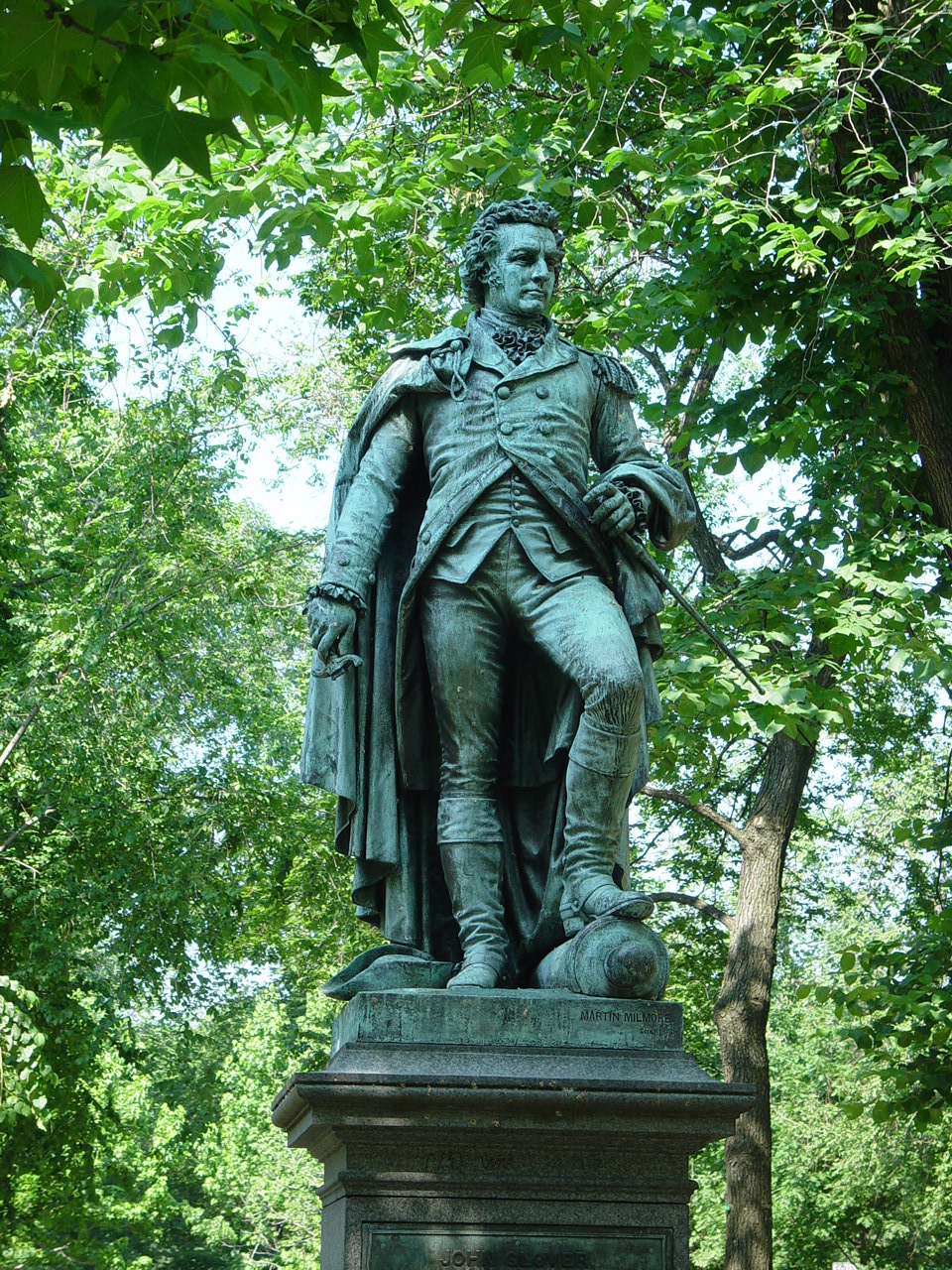
It’s winter. The British and German mercenaries called Hessians have decimated and divided the American Continental Army, which is now fleeing toward the Delaware River. There, Gen. George Washington (Jeff Daniels) takes stock with his officers, Gen. Hugh Mercer (Roger Rees), Alexander Hamilton (Steven McCarthy), and Col. John Glover (Sebastian Roché).
Washington’s force once included 20,000 men and 300 cannons. Now, the Americans have fewer than 2,000 men, with 500 sick or injured, and just 18 cannons. After repeated retreats, the colonists are now on the run.
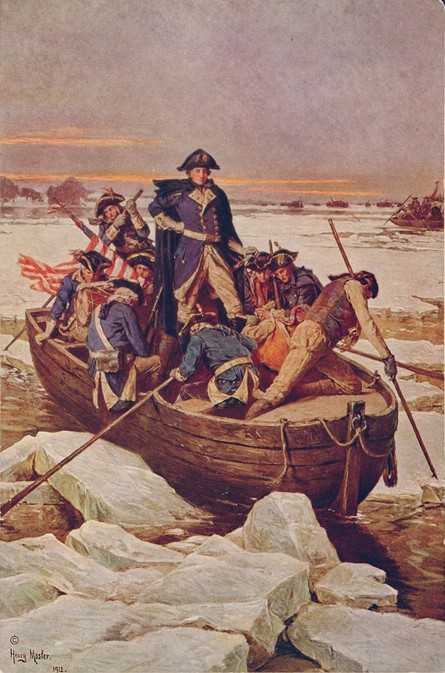
Instead of staying defensive or blaming betrayers, Washington plots an unbelievably daring offensive against the Hessians camped in Trenton, New Jersey. In this plan, his weary army must board boats and row across the river before it freezes over to attack.
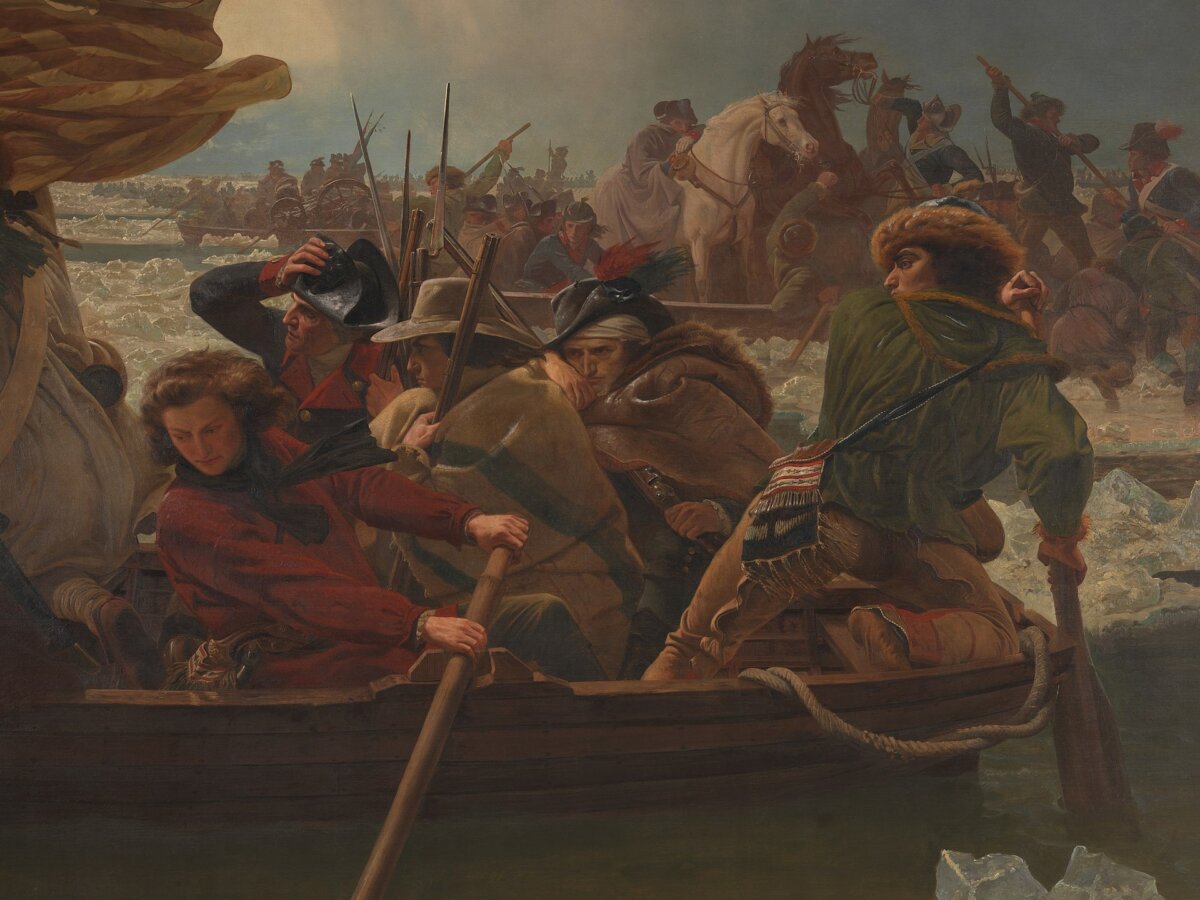
His men are mere amateurs against trained fighters. Worse, the men on boats carrying only bayonets must retain the element of surprise on a chilly Christmas night, even before the Americans can fire a single cannon at dawn.
That Washington, a military leader, eventually became America’s first president says something about this new country. Peace and prosperity matter, but unless there’s life powered by purpose first, neither peace nor prosperity will prevail.
The bald eagle on The Great Seal of the United States exemplifies this point. Its head tilts toward the olive branch gripped firmly by its right talon, hinting at a preference for peace. However, it’s important to notice that its other talon grips arrows no less firmly, hinting at readiness for war.
Washington tells his generals: “An army without supplies cannot endure. I propose we endure. Therefore, we will find what we need.”
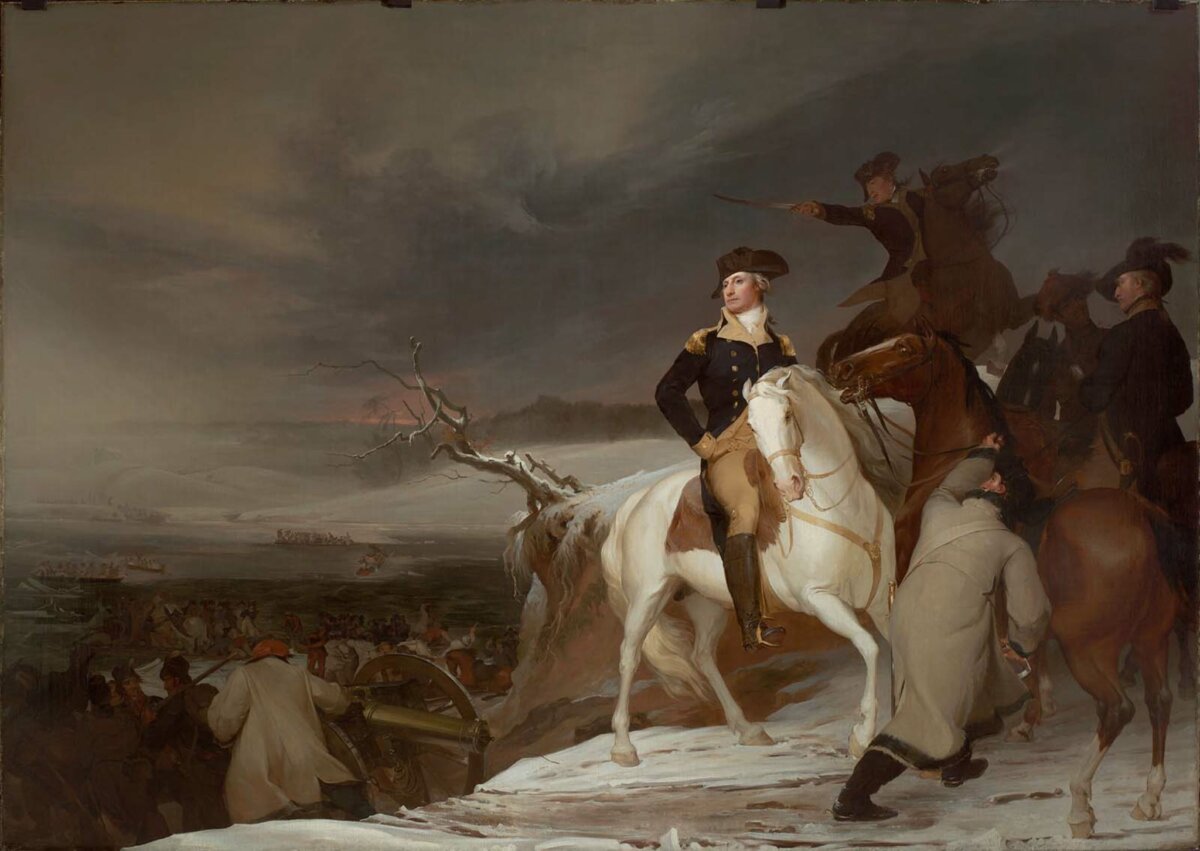
What a phrase: “I propose we endure.”
A defensive force is useless unless it can be an offensive force when required. Yes, the will of the people must prevail. How can it, though, if the people themselves don’t prevail first?
The Great Seal’s phrase, “E Pluribus Unum,” means “Out of many, one,” and it speaks to an American tradition. Sure, it’s about several states becoming a single union, but it’s also about one man rising above all others.
Washington calls himself a “bumbling Virginian farmer.” He instinctively treats his officers as equals, addressing each as “general”—a commander in his own right.
However, the Continental Congress has no doubt about who should be the new nation’s leader. Washington is the first among equals: He is the commander-in-chief. Their cryptic, crucial note addresses him as “Supreme Commander,” empowering him to restrain dissenters who prefer retreating when advancing is paramount. The congress acknowledges his higher moral perch.
First Among Equals
A leader finds solutions where others find problems. Washington’s generals, beside him on one bank of the Delaware, see only a freezing river before them and the dreaded Hessians on the other bank.
Only Washington imagines a crossing. They complain that there are no boats. He orders them to go and find boats. They bemoan an exhausted, enfeebled army. He instructs them to get their men into shape for the life-or-death battle ahead; he orders them to make soldiers out of men.
How do leaders inspire loyalty? They exude it themselves. Washington is so wedded to the idea of America that he inspires ordinary colonial soldiers to be ready to die in service, trusting his command.
A leader steered by the right values readily admits that he’s often wrong on the fine print but retains conviction that he’s right on the headlines. Washington doesn’t mind admitting that he’s flawed on matters of detail, but he protects his higher vision from indecisiveness or groupthink. He’ll be persuaded to reconsider his tactics, not his goal.
Washington battles anxieties about betrayal, incompetence, failure, and squabbling in the ranks. He doesn’t deny fear, though; he manages it. He doesn’t erase mistakes from memory. He avoids repeating them.
Realism is sometimes pessimism in disguise. Optimism, however, is more than wishful thinking. It puts hope, rather than fear, in the service of the body, heart, and mind. In one scene in the film, Washington thanks Col. Glover for participating in the fight. Ever the realist, Glover tells Washington to reserve his thanks for when it’s all over.
Only later does Glover realize that even before Washington pulls off the impossible, he’s bringing his vision to fulfilment by imagining it already fulfilled.
Harmon’s opening shot is of an unlikely warm sunrise amid an overpoweringly cold, dark winter. As metaphors go, a snowy winter eerily shows in the body language of colonized Americans through their tightening throats, lumbering legs, and freezing fingers.
Above that gloom, the director’s storytelling and Gary Chang’s score portray Washington standing tall. He illuminates minds, guides hearts, and towers above his men while remaining simultaneously one with them.
Check the Internet Movie Database website for plot summary, cast, reviews, and ratings. You can watch “The Crossing” on YouTube and DVD.
These reflective articles may interest parents, caretakers, or educators of young adults, seeking great movies to watch together or recommend. They’re about films that, when viewed thoughtfully, nudge young people to be better versions of themselves.
What arts and culture topics would you like us to cover? Please email ideas or feedback to features@epochtimes.nyc
