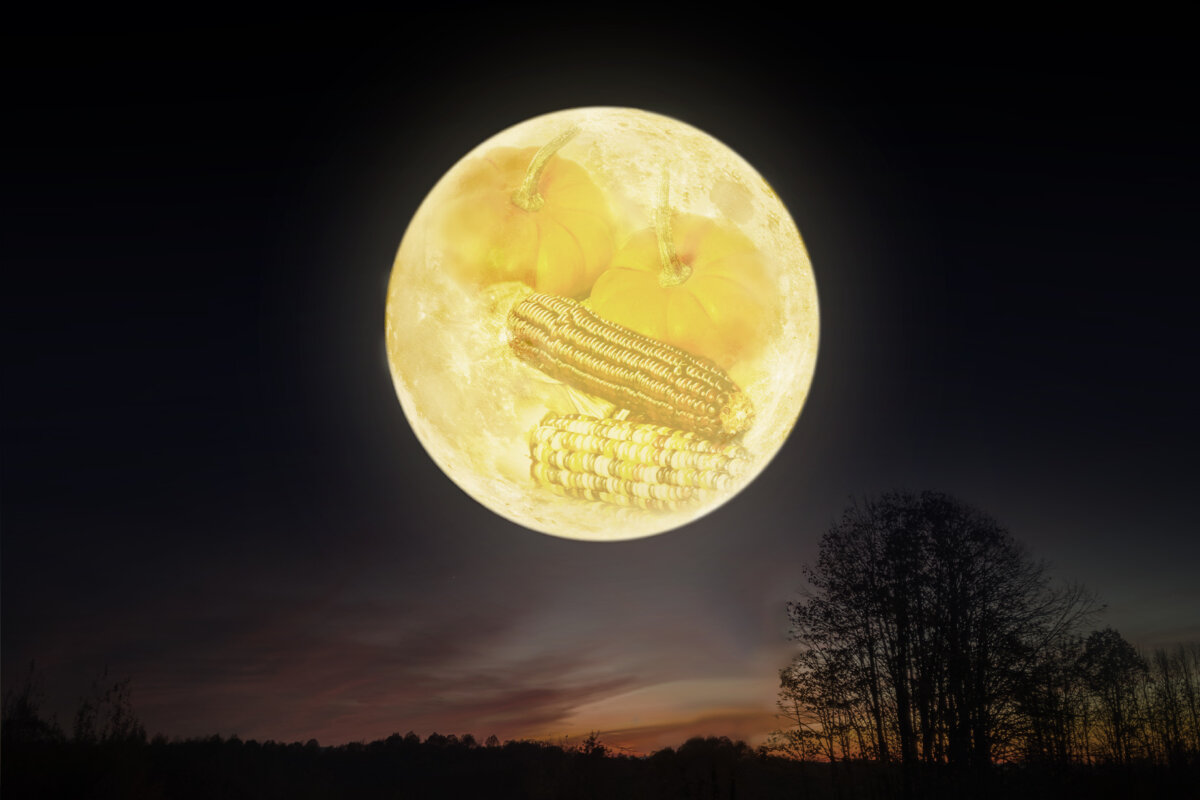
We’ve seen nine months of the year come and go with only small- to medium-sized full moons so far. Astronomers measured several skimpy-looking moons last spring. There were four meagre micromoons.
That pattern will change next month when supermoon season starts in full swing, with the October 2025 full moon—the largest full moon of the year—kicking things off.
It occurs at exactly 11:48 p.m. Eastern Time on Oct. 6, making it the full moon closest to the autumn equinox. The full moon closest to the equinox is traditionally called the Harvest Moon. The title swaps between September and October. Two out of every three years it lands in September, but this year’s Harvest Moon is odd, being in the month of Halloween. When not assuming the title Harvest Moon, though, the October full moon is traditionally called the Hunter’s Moon while September’s fallback handle is Corn Moon.
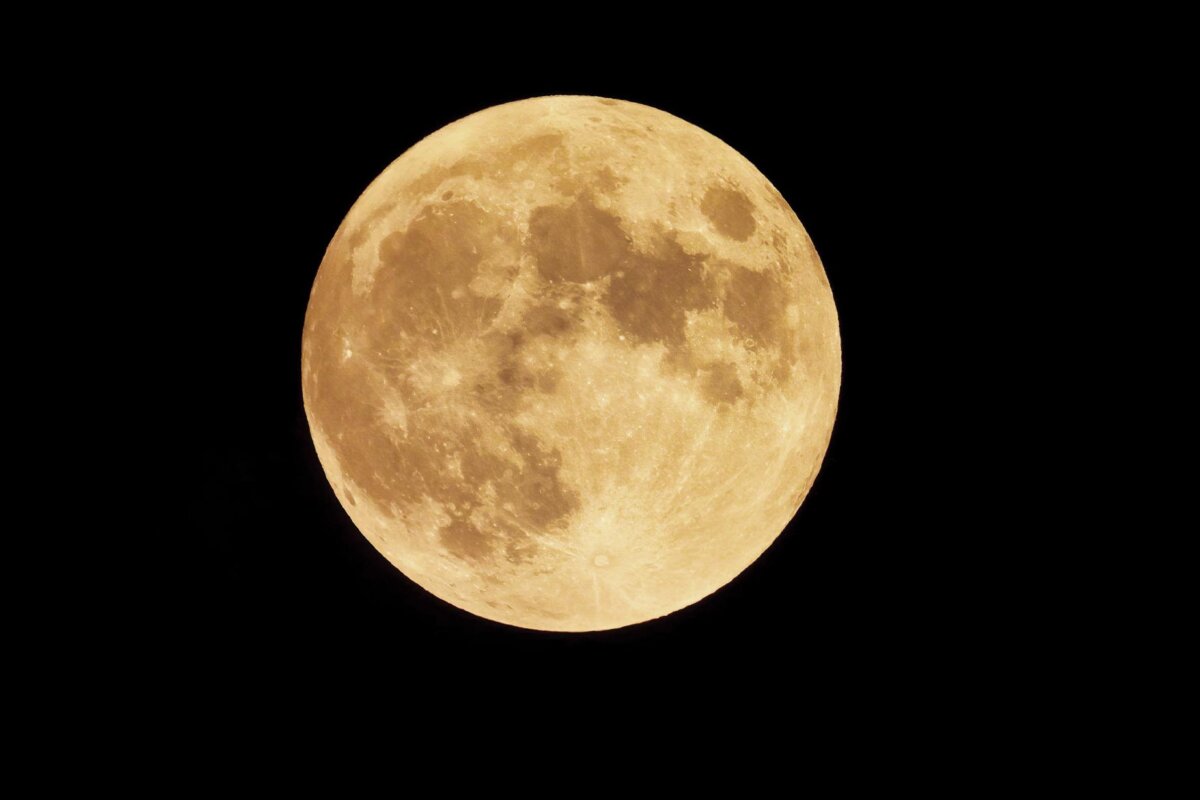
Moon names are rich in folklore. Naturally, “Harvest Moon” alludes to the time when crops are reaped, and that name hails from Anglo-Saxon culture. Myriad other moon names across the calendar year stem from Native American tribes. Corn Moon and Hunter’s Moon are good examples.
But the moon’s observable size will be its most striking trait when it falls just over a week from now. It will be a supermoon and may loom 8 percent larger and 15 percent brighter than average-size moons. This is no optical illusion. It occurs when the moon comes closer to Earth, as the moon’s orbit isn’t precisely round, but elliptical. So it’s sometimes closer and sometimes times farther away. When the moon is full and happens to be near its closest point, or perigee, it’s a supermoon.
Micromoons are the opposite. They happen when full moons come near their farthest point, or apogee.
Closer objects seem larger. More distant objects seem smaller.
The next supermoon will be the largest of the year and will be followed consecutively by two slightly smaller supermoons in November and December, as our largest satellite traverses its perigee. This is supermoon season. We have around one every year.
Harvest Moons also create some eye-popping special effects, which may make the moon seem larger than usual because they occur around the equinox. This makes the moon tend to hang low, near the horizon, beside buildings and trees where dramatic size comparisons play tricks on the eye, making it seem larger. This is an optical illusion and it’s called the “moon illusion.” It will surely enhance the already huge supermoon next month.
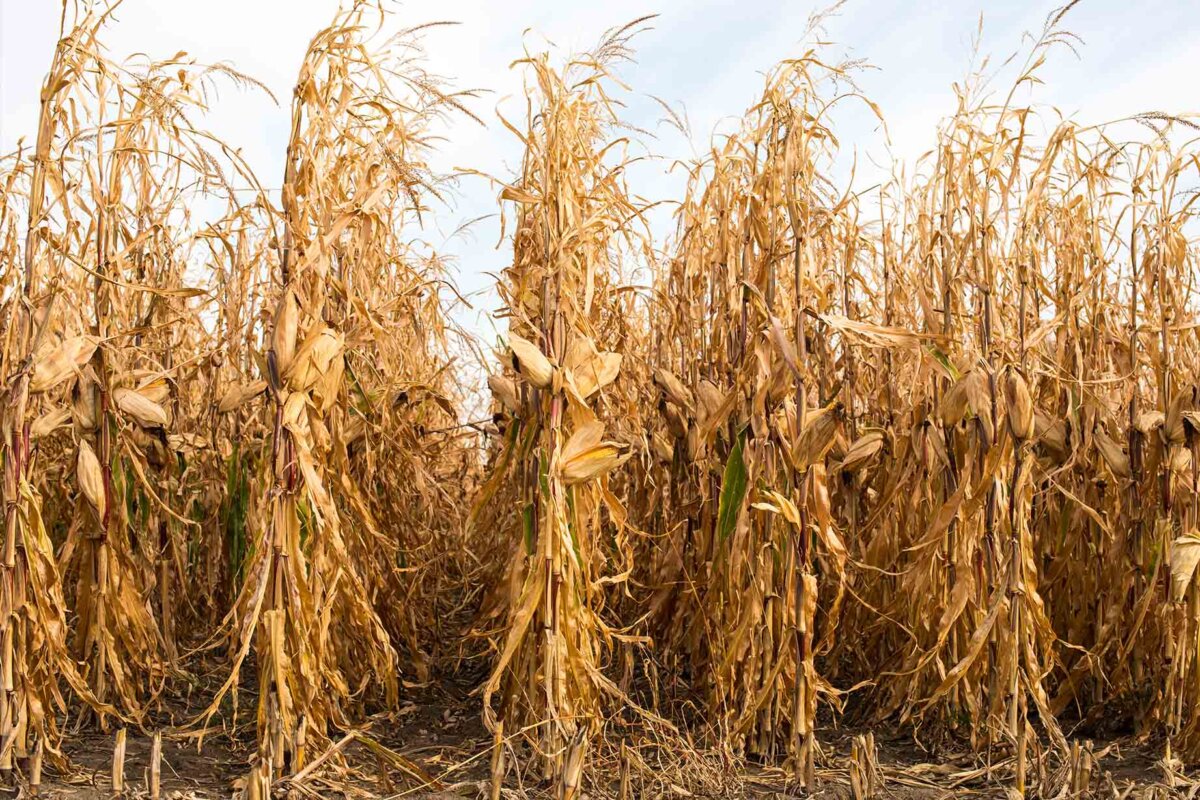
Harvest moons also seem to linger strangely in the evening sky as if reluctant to enter their next phase. Normally, the moon sets about 50 minutes later each night as it’s carried off by its orbit around Earth—that’s what gives us lunar cycles. But around harvest time the moon sets only 20-25 minutes later each night (varying at different latitudes), as if offering farmers extra moonlight by which to reap their crops.
This can be explained (slightly convolutedly) by the moon’s northward progression after the fall equinox. Although the moon is orbiting in a direction to set later, that’s being offset subtly by the rising height of its arc. Equinox marks the halfway point between the shortest and longest nights. We are heading into winter, and winter moons rise the highest.
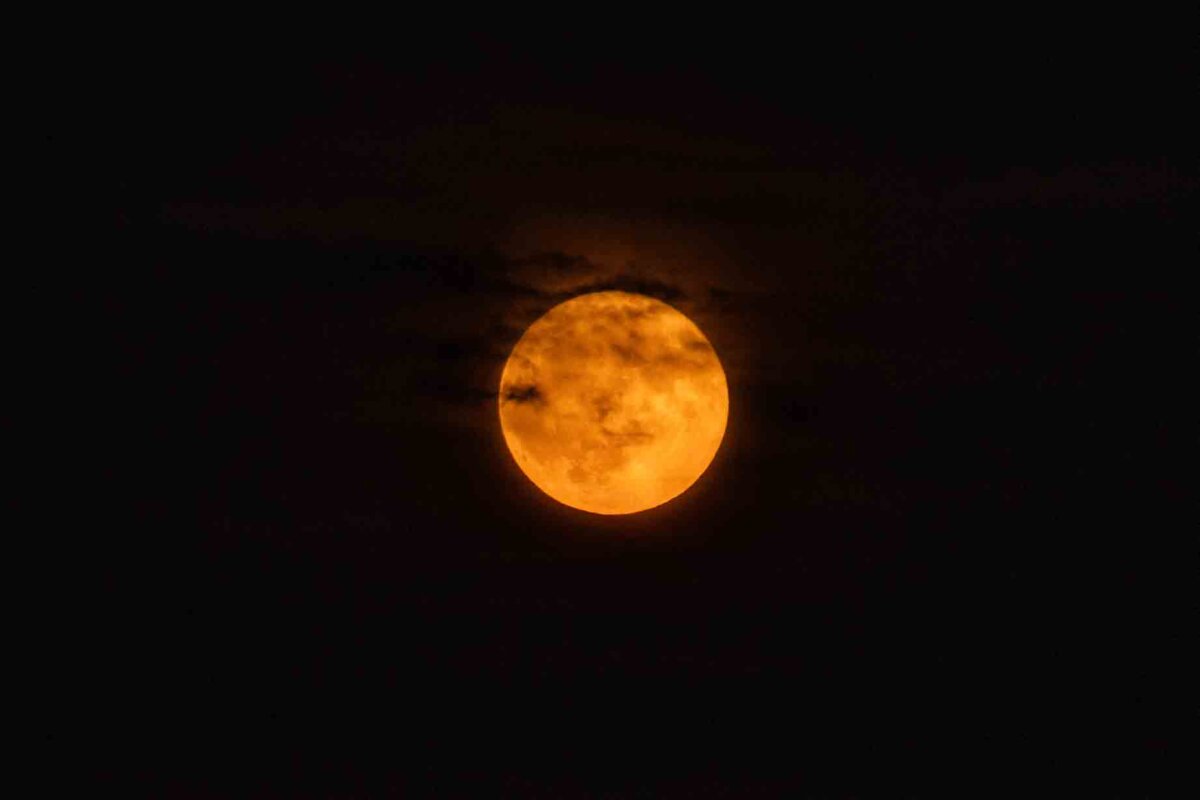
Harvest moons may also glow a golden yellow or orange—another result of its hanging low near the horizon. At such a low angle, moonlight must travel through more of Earth’s atmosphere to reach our eye. Rayleigh scattering filters out shorter, blue wavelengths while longer, red and orange hues pass through. Smoke and air pollution can add to the effect.
But it sure looks festive.
There are many other names for the Harvest Moon. The Old Farmer’s Almanac records several. It was the Drying Rice Moon for Dakota tribespeople, who prepped their rice in the fall. Likewise, the Anishinaabe called it the Falling Leaves Moon. The Cree marked the southward-flying birds and called it the Migrating Moon. Feeling the creeping cold, the Ojibwe and Haida used names like Freezing Moon and Ice Moon.
For those eager to view the Harvest supermoon, it will reach peak illumination at 11:48 p.m. on Oct. 6, though the nights before and after—when it’s no longer technically full—will offer showstopping supermoons, too. It will still look huge and round.
Anyone who misses next month’s event will have to wait till Nov. 5 to catch the next supermoon.