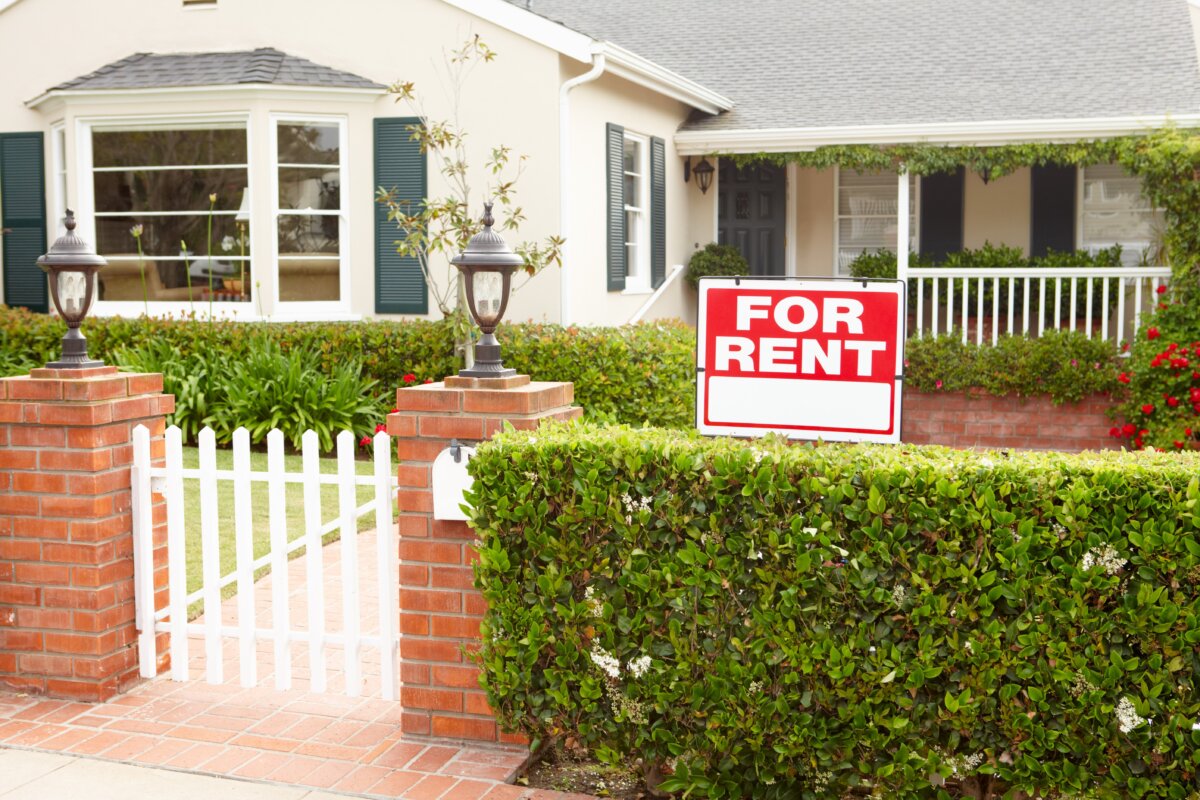
Owning a rental property has the potential to be financially rewarding. It comes with tax benefits and a revenue stream. On paper, owning rental property looks profitable.
But there are downsides to be aware of if you’re considering diving into the landlord arena. Between maintenance and keeping tenants, being a landlord can lose its luster fast. What are the advantages and disadvantages of owning rental property?
Almost Passive Income
Rents can turn into a steady passive income. After all, once the mortgage and related property expenses are paid, the profit is yours.
Income can be used to invest in other properties or to supplement your current income.
If you don’t want to deal with the property’s day-to-day operations, you can hire a management company. This makes the income even more passive.
Growing Wealth Through Rental Properties
Properties usually appreciate in value. Depending on the market, your equity will grow. This increases your net worth. Down the road, you can sell the property for a profit or pass it down to grandchildren.
Owning Rental Property Has Tax Advantages
When you own rental property, you can deduct many expenses associated with it.
According to the Internal Revenue Service, you can deduct “ordinary and necessary expenses” for managing, maintaining, and conserving your rental property.
Necessary expenses are those deemed appropriate and include interest, taxes, maintenance, utilities, and insurance.
Ordinary expenses are those that are common and typically accepted in business.
According to the IRS, “When you include fair market value of the property or services in your rental income, you can deduct that same amount as a rental expense.”
In addition, the Tax Cuts and Jobs Act (TCJA) allows landlords to receive tax benefits through the qualified business income (QBI) deduction. According to the IRS, if you own a pass-through business like a limited liability company (LLC), S corporation, or sole proprietorship, you may deduct an amount equal to 20 percent of your net rental income. This is contingent on your total taxable annual income from all sources after deductions. Contact an accountant to see what you qualify for.
The TCJA sunsets on Dec. 31, 2025.
You Can Control the Investment
You have direct control over your real estate investment. This doesn’t exist with stocks or mutual funds.
You decide how to use the property and can screen qualified tenants, set rental rates, and choose when and how to upgrade.
There’s also the choice to outsource day-to-day operations to a property manager. This will give you freedom from being the primary point of contact for tenants or handling minor maintenance issues on your own.
Buying Rental Properties Has a High Barrier to Entry
There are high upfront costs to purchasing a rental property. It starts with the lender.
According to the Mortgage Reports, investment property mortgage rates are typically 0.50 percent to 0.75 percent higher than primary mortgage rates. That’s because lenders consider these properties riskier than owner-occupied.
If the property isn’t turnkey—meaning ready to use—you may have upfront renovation expenses before it’s ready for tenants.
Even if the property is move-in ready, it may be empty. You may need to pay for marketing to find a tenant. And while you’re trying to rent it, the mortgage and utilities must be paid.
Ongoing Costs That Eat Away Profits
Yes, you’ll receive monthly income, but you’ll also still have ongoing costs.
There’s the PITI you’ll need to pay: Principal, interest, taxes, and insurance.
The building will need regular upkeep and repairs, too.
Unfortunately, it’s almost impossible to keep a property rented 100 percent of the time. You’ll have vacancy losses. If you don’t have renters, you can’t make money.
It’s wise to have a contingency fund set aside. Take a percentage of each month’s rent and deposit it in a fund. That way, if your property needs a new roof or the heating, ventilation, and air conditioning (HVAC) goes out, you won’t be scrambling to finance it. It will also cover your mortgage if you go a month without a tenant.
Headaches With Tenants
You could be lucky and have wonderful tenants, or you may end up with difficult renters. The difficult ones always have a complaint or constantly pay their rent late.
You also may have to settle disputes with neighbors.
Some tenants are not the most gentle, and you may have to repair damage to your property. Yes, you can keep the security deposit, but it still takes energy and work to deal with the repair.
Legality of Renting
There are fair housing laws and local ordinances that you’ll need to be aware of when you become a landlord. Some of the regulations can be complex, and staying up to date is time-consuming.
There are also liability issues if someone becomes hurt on your property. Another legal issue is if you must evict a tenant. It’s wise to have a strong real estate attorney on your side.
What Does Being a Landlord Mean?
When you own rental property, you not only take on the expense of maintaining the property. But it also means you must always be available to deal with tenant issues.
If something breaks, you must fix it quickly. This could happen in the middle of the night. An option is to have a management company, but even they must be monitored.
However, the financial benefits and tax advantages have the potential to make it one of the better investments you can make.
The Epoch Times copyright © 2025. The views and opinions expressed are those of the authors. They are meant for general informational purposes only and should not be construed or interpreted as a recommendation or solicitation. The Epoch Times does not provide investment, tax, legal, financial planning, estate planning, or any other personal finance advice. The Epoch Times holds no liability for the accuracy or timeliness of the information provided.