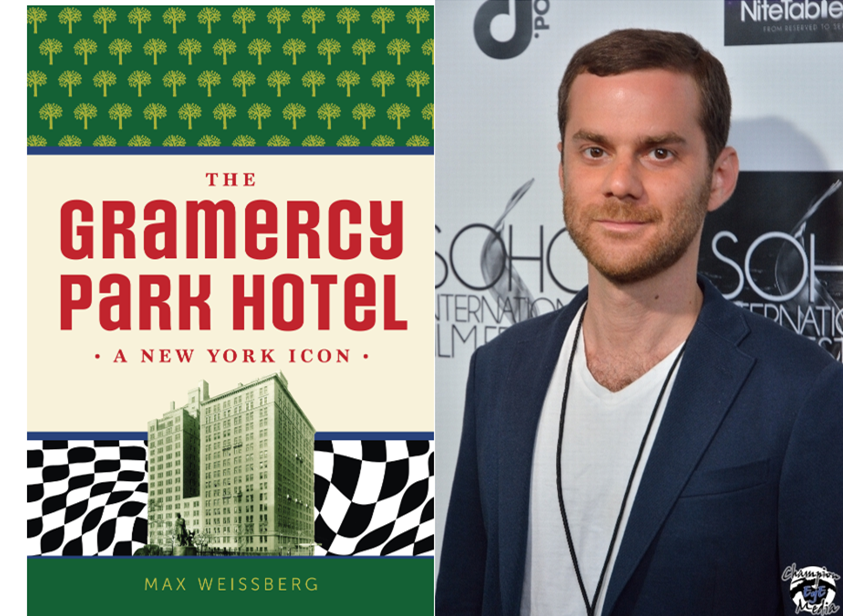
The cliché “if these walls could talk” is given life in “The Gramercy Park Hotel: A New York Icon,” a new historical nonfiction book celebrating New York City’s Gramercy Park Hotel. Author Max Weissberg’s family owned and operated the luxury destination for decades. The filmmaker turned writer now creates an uneven history of the property and its many stellar guests.
Weissberg begins his story in colonial days, when Manhattan was New Amsterdam. Dutch colonists gave the land where the hotel is now based to formerly enslaved black laborers, who became property owners.
However, this wasn’t an example of Dutch progressiveness. Instead, they gave this land away to create a buffer zone, protecting white settlers from potential Native attacks. When the British took over the territory, new laws preventing blacks from inheriting property disenfranchised these residents.
Fast-forward to the 1830s, when developer Samuel Ruggles acquired the land, spending millions to pave over a creek and build homes. Ruggles created Gramercy Park as a private oasis surrounded by iron gates that could only be accessed by the adjacent residents. Weissberg acknowledges that no one is certain where the “Gramercy” name came from.
A New Destination
An earlier hotel in the neighborhood operated from 1853 to 1904. The 18-story Gramercy Park Hotel was constructed on the then-princely budget of $1 million and opened in 1925. The venue got off to a shaky launch when news broke that one of its maids had robbed several wealthy patrons. Weissberg notes that the miscreant was easily caught because “she was wearing a flashy coat.”
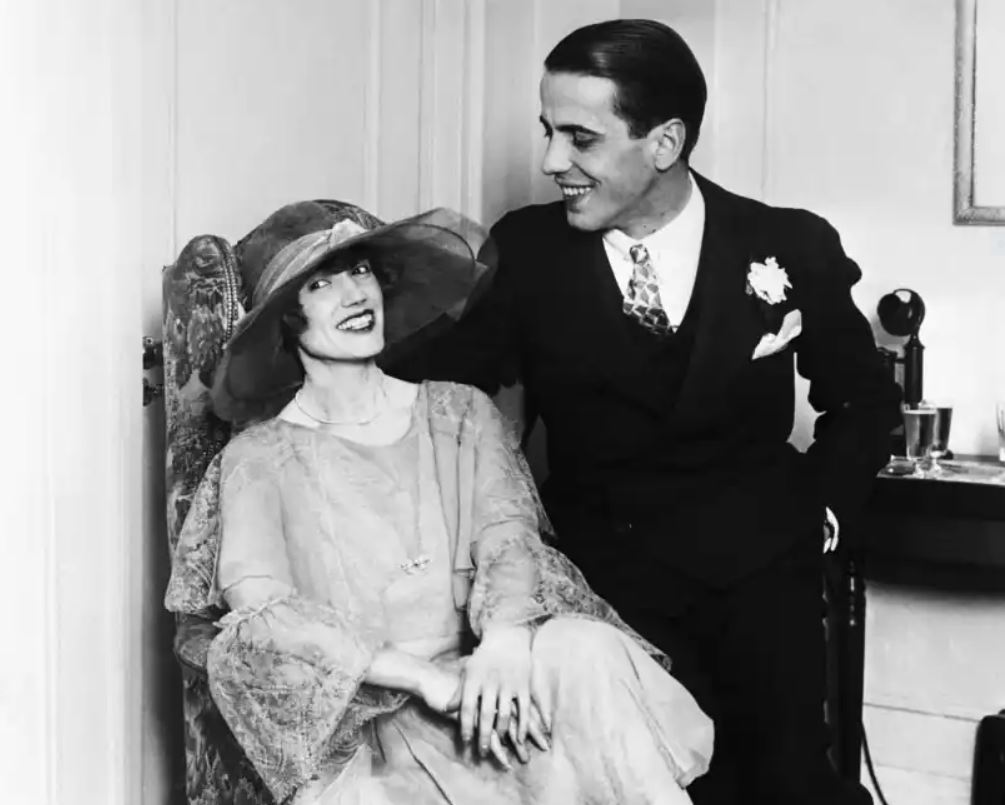
The hotel gained its first prominence when Broadway star Helen Menken married a then-unknown Humphrey Bogart there in May 1926; the marriage ended after 18 months.
In the summer of 1927, Wall Street tycoon Joseph P. Kennedy moved his family (including 10-year-old John F. Kennedy) into the hotel for three weeks. The hotel’s telephone operator later recalled the future president’s mother Rose Kennedy tutoring her children on dining etiquette in the hotel’s French restaurant.
John Barrymore and James Cagney were customers of the hotel’s barbershop, while an inebriated Babe Ruth occasionally left $100 tips for 30-cent drinks at its bar. The hotel also attracted the literary crowd, with married couple Edmund Wilson and Mary McCarthy, Vladimir Nabokov, and E.B. White among its guests.
Changes in Ownership
While the hotel operated without issue during the Great Depression, its leaseholder, Gramercy Park Hotel Corporation, went bankrupt in 1941. New York Life Insurance Company acquired the hotel in an auction; the company hired Charles Schwefel as manager. Schwefel purchased the property in 1949. Herbert R. Weissberg, the author’s grandfather, bought the hotel in 1958.
The book reaches a colorful peak when recalling Herbert R. Weissberg’s efforts to build a hotel empire. He had a tumultuous relationship with the Mafia. They supported him in some endeavors but allegedly used aggressive muscular persuasion to dissuade him from buying the Flamingo Hotel in Las Vegas.
The elder Weissberg encountered notorious figures over the years. He unsuccessfully negotiated with Fidel Castro to buy a Havana hotel (after Errol Flynn connected him to the Cuban dictator), and he later gained project financing from controversial Teamsters chief Jimmy Hoffa. When he was buying property in Texas, Jack Ruby advised him on how to deal with Dallas bankers.
An All-Star Cast
Beginning in 1970, when Paul McCartney and his new wife Linda Eastman checked in as “Mr. and Mrs. Paul Smith,” the Gramercy Park Hotel became a magnet for prominent entertainers.
David Bowie made a splash in 1973 when his 100-person entourage took over the third floor of the hotel twice. In 1975, some of the “Saturday Night Live” cast stayed at the hotel during the show’s initial episodes. More stars followed, with many bringing their unfortunate drug habits to the premises.
Weissberg runs an exhaustive inventory of the celebrity guests who showed up from the 1970s until the hotel closed during the 2020 pandemic. This turns the book into a heavy slog of A-list name dropping. Most personalities are merely cited in passing, but some are accompanied by snarky statements, such as a comment about John Lennon’s allegedly “wimpy handshake.”
A few celebrity anecdotes are perversely amusing. Sid Vicious was banned from the premises in 1979 after throwing a television out of his suite’s window. Paris Hilton was prevented from crashing a 2006 party hosted by designer Marc Jacob at the hotel’s swanky Rose Bar.
The Secret Service put the hotel on lockdown when President Barack Obama dined there in 2014. Weissberg insists Obama’s security detail was flimsy compared to the protection brigade surrounding Taylor Swift when she was a guest.
Weissberg dishes the dirt on his family’s in-fighting, which led to the sale of the property in 2003 after his grandfather’s death. He offers a scant denouement on its pandemic-fueled closing. There’s no insight on the efforts by the current owner, MCR Hotels, to reopen the venue later this year.
While rich in salacious gossip, the book features more than a few lapses of hyperbole and sloppiness that could’ve been ironed out with better copy editing. Still, Weissberg shares a breezy vibe that should appeal to those interested in celebrity shenanigans.
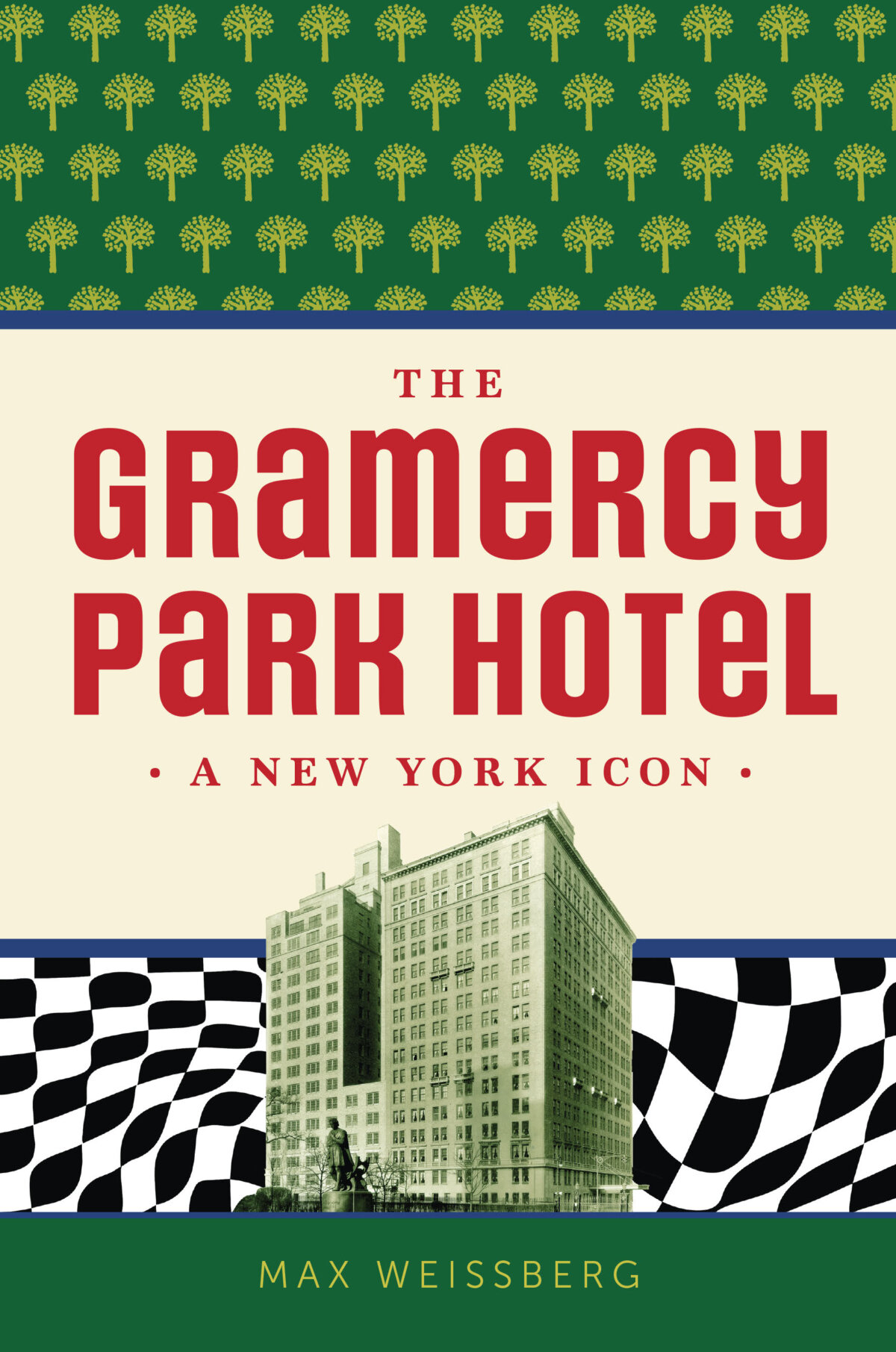
‘The Gramercy Park Hotel: A New York Icon’
By Max Weissberg
The History Press: Feb. 17, 2026
Hardcover, 256 pages
What arts and culture topics would you like us to cover? Please email ideas or feedback to features@epochtimes.nyc