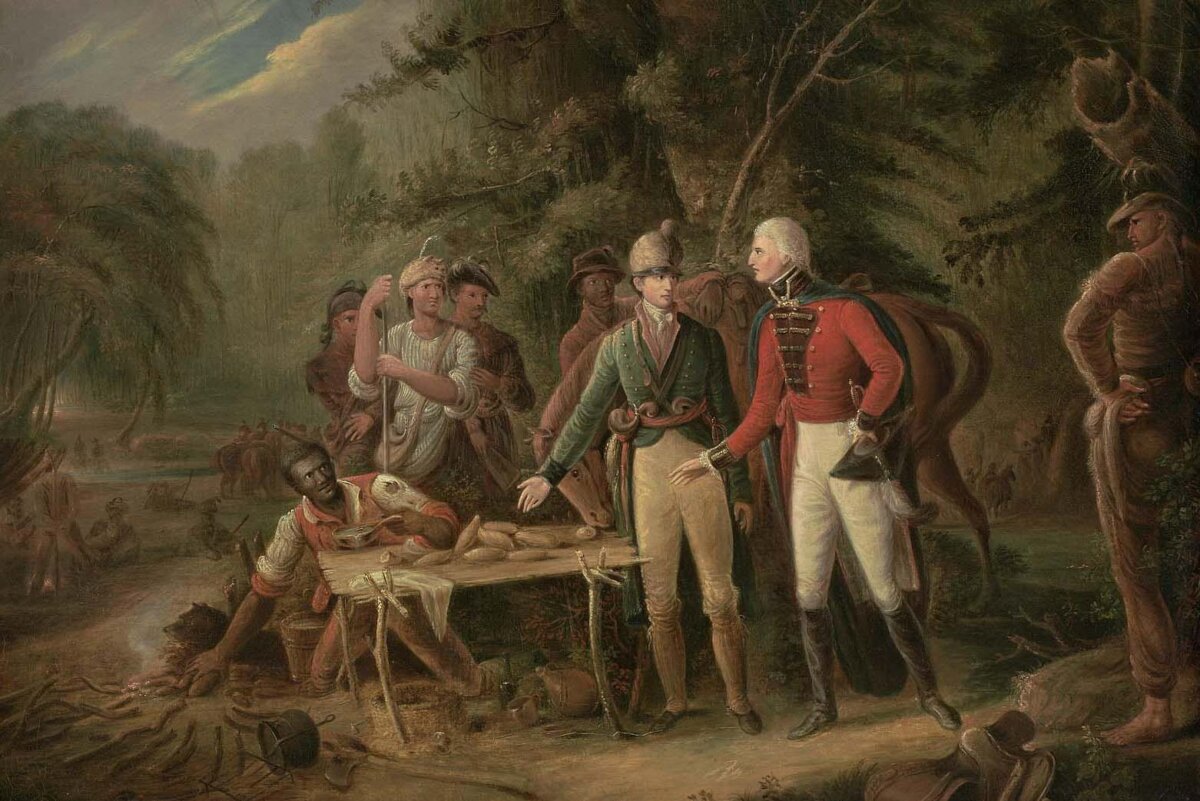
Back in 1959 to 1961, Walt Disney Studios put out an eight-part miniseries called “The Swamp Fox,” episodes loosely based on the exploits of South Carolina’s Francis Marion during the Revolutionary War. In those days, every Sunday evening Disney himself hosted most of the shows, and in his brief introduction to the first of the series, “The Birth of the Swamp Fox,” he set up the dire situation in the spring of 1780 when the American colonies seemed on the brink of defeat, as the British aimed to divide the colonies by attacking from the south.
“In this darkest hour of his country’s need,” Disney said, “The Swamp Fox had been born, and he and his hardy band of freedom fighters were on the move. To the American patriots who lived and fought throughout those uncertain days, Colonel Marion was a hero second only to George Washington. Even after the fighting ended, and our new nation began to expand westward, the legend of the Swamp Fox was told and retold around a thousand campfires. The result today is that there are 17 counties and 29 cities and towns scattered throughout the United States that proudly bear the name of Marion. … America’s Robin Hood of the Revolution, the Swamp Fox.”
Though the studio had hoped for a repeat of “Davy Crockett,” a huge hit in the mid-1950s, the story of Francis Marion failed to capture the American imagination in the same way. Like some other heroes of our Revolution—Nathaniel Greene, for instance, or Daniel Morgan—Marion has since faded into relative obscurity. In his article about Disney and the Swamp Fox, historian Tom Elmore concludes, “Hopefully, with the upcoming commemoration of the 250th anniversary of the American Revolution, the entire saga of ‘The Robin Hood of the American Revolution’ will be released.”
Rather than depend on that possibility—you can watch the miniseries on YouTube— let’s kick off America’s semiquincentennial with a look at the hero who helped Americans win their freedom.
A Guerilla Warrior in the Making
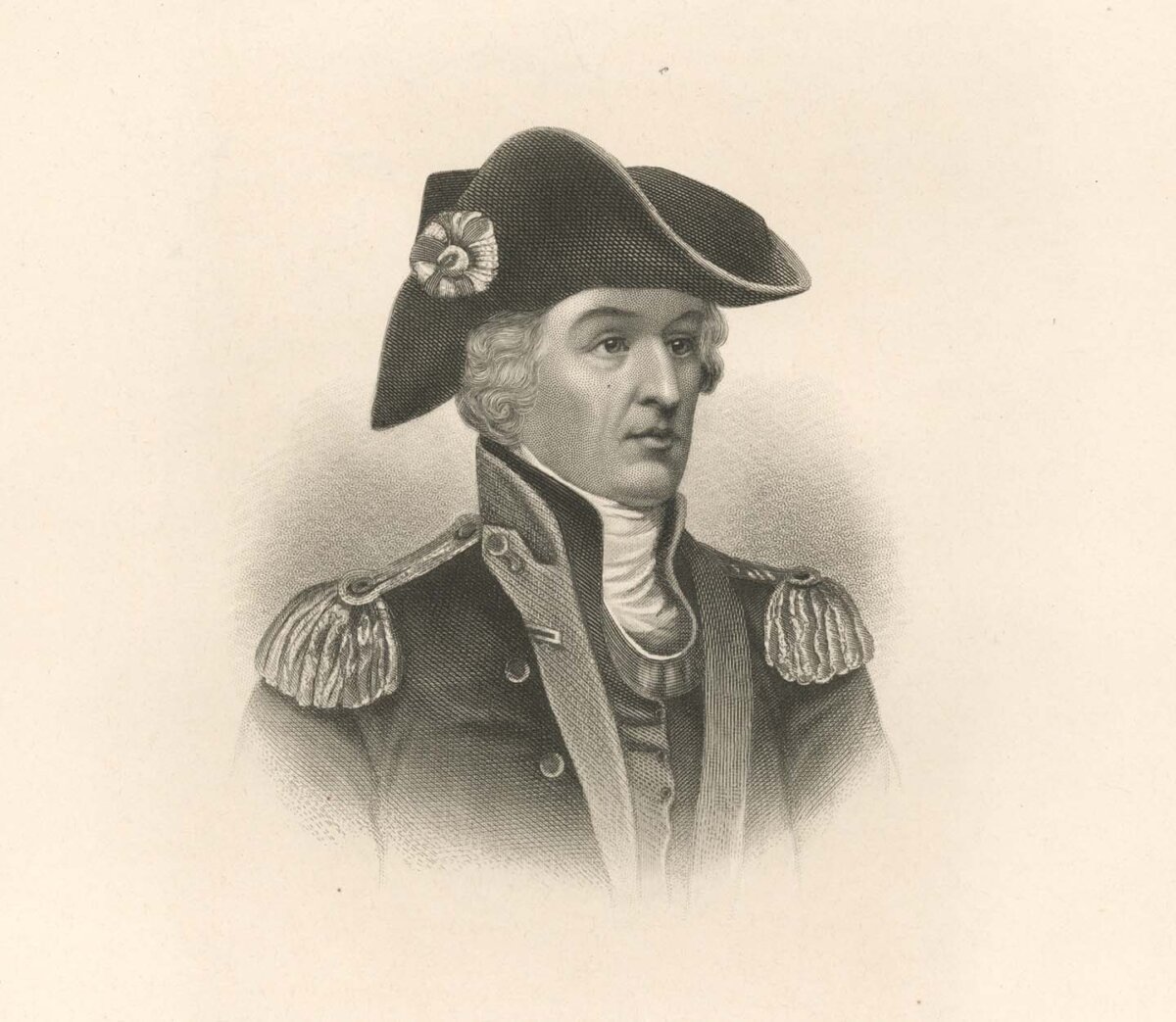
Francis Marion (circa 1732-1795) grew up on a plantation in South Carolina. Seeking adventure and a change of scenery, around age 15 he joined a ship bound for the West Indies. After the vessel sank—some said a whale had rammed it—Marion and some of his shipmates drifted in a small boat at sea for a week before finally touching shore. On his return home, he worked the family plantation for the next 10 years.
With the outbreak of the French and Indian War, Marion signed up with the South Carolina militia and fought against the Cherokee. During that conflict he noted the differences of the Cherokee warriors’ tactics as opposed to the Europeans: the hit-and-run attacks and the ambushes delivered from forests rather than fighting battles of open engagement. These hands-on lessons in guerilla warfare paid huge dividends during the Revolution.
More than a decade later, with Britain and the colonies on the brink of war, Marion was elected to the South Carolina Provincial Congress, which supported independence. When the threat of war became a reality, he was appointed a captain in a South Carolina regiment. He showed spirit and bravery during the Battle of Sullivan’s Island, but as Amy Crawford wrote in “The Swamp Fox” he spent most of the next three years in charge of the fort on that island, working to train the unruly garrison and preparing defenses against another attempt by the British to attack Charleston and its harbor.
The Legend Is Born
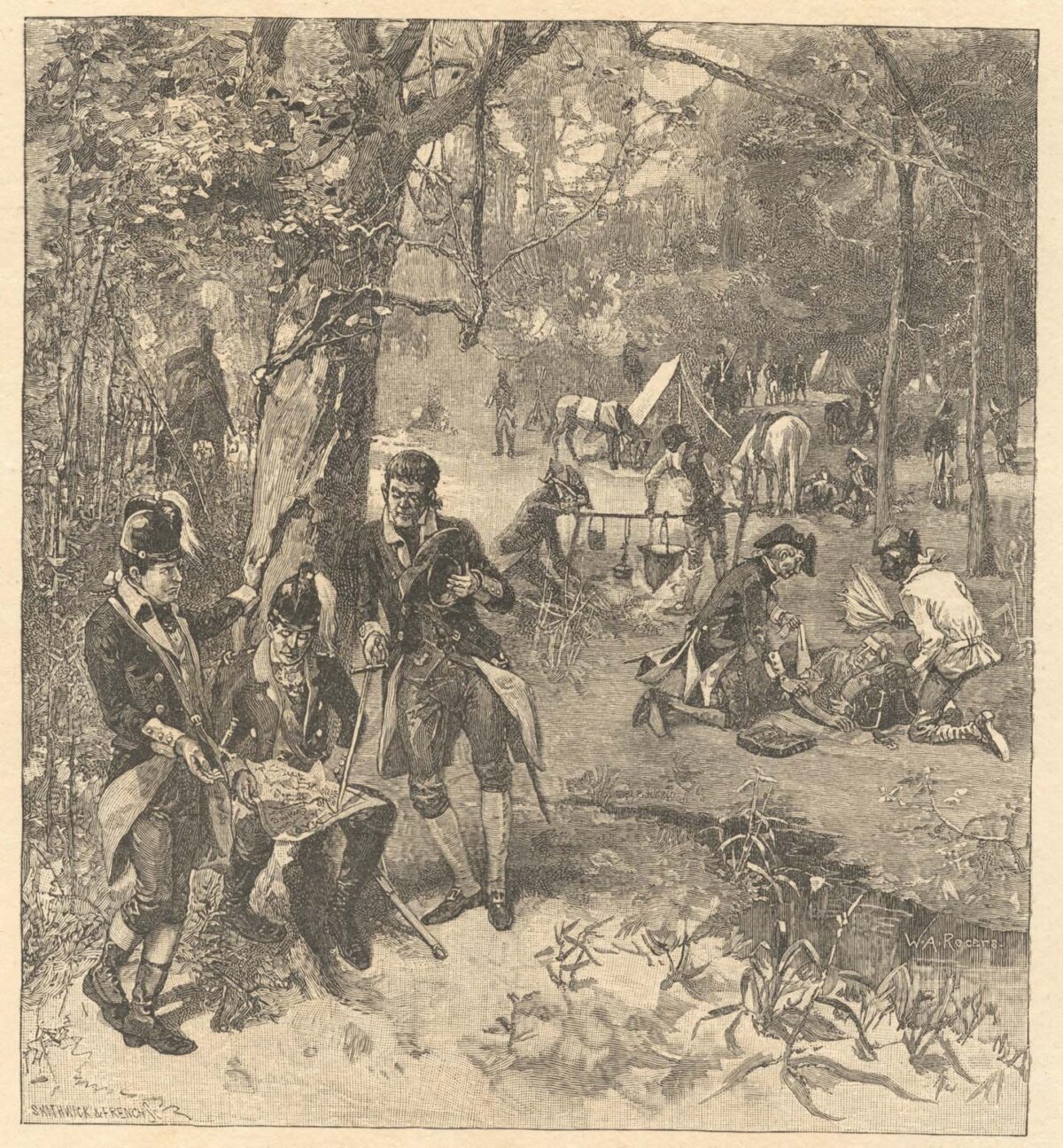
In May of 1780, British forces commanded by Sir Henry Clinton seized Charleston, captured the American soldiers stationed there, and launched the plan to dismantle American resistance by marching northward and breaking up the American coalition of states. Clinton returned to New York, leaving Lord Cornwallis in charge of an army pitted against an almost defenseless South Carolina as American forces retreated.
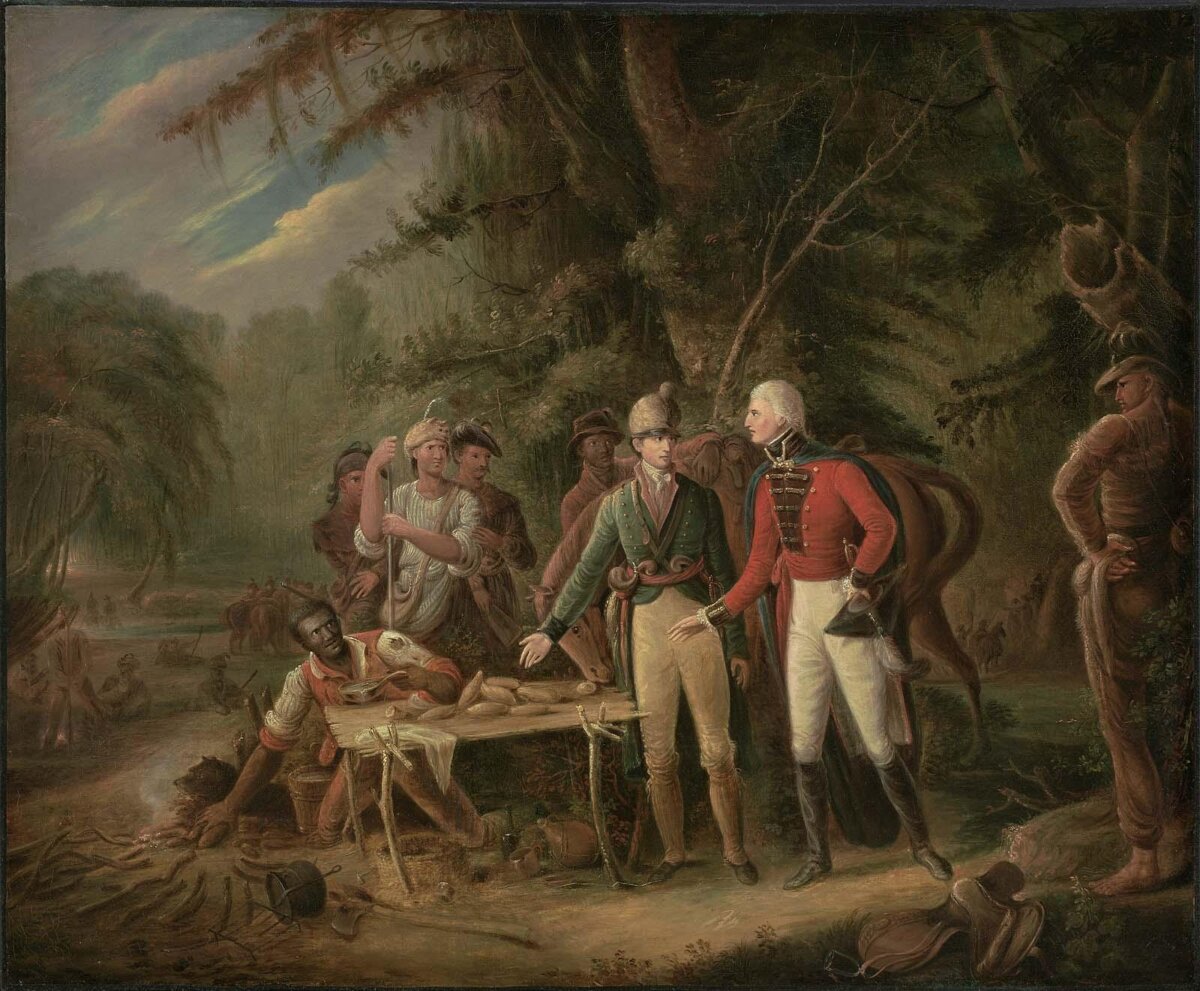
In their capture of Charleston, however, the British failed to snag the one man who would play a vital part in bringing ruin to their plans. Marion was absent from the city at the time, recuperating in the country from an ankle broken. With the retreat of the Americans, he organized a small band of militia, no more than 70 volunteers who in the beginning served without pay and supplied their own mounts and equipment. Initially operating out of Snow’s Island, a place of swamps and low-lying land in Florence County, he struck at the British using the tactics he’d learned from the Cherokee.
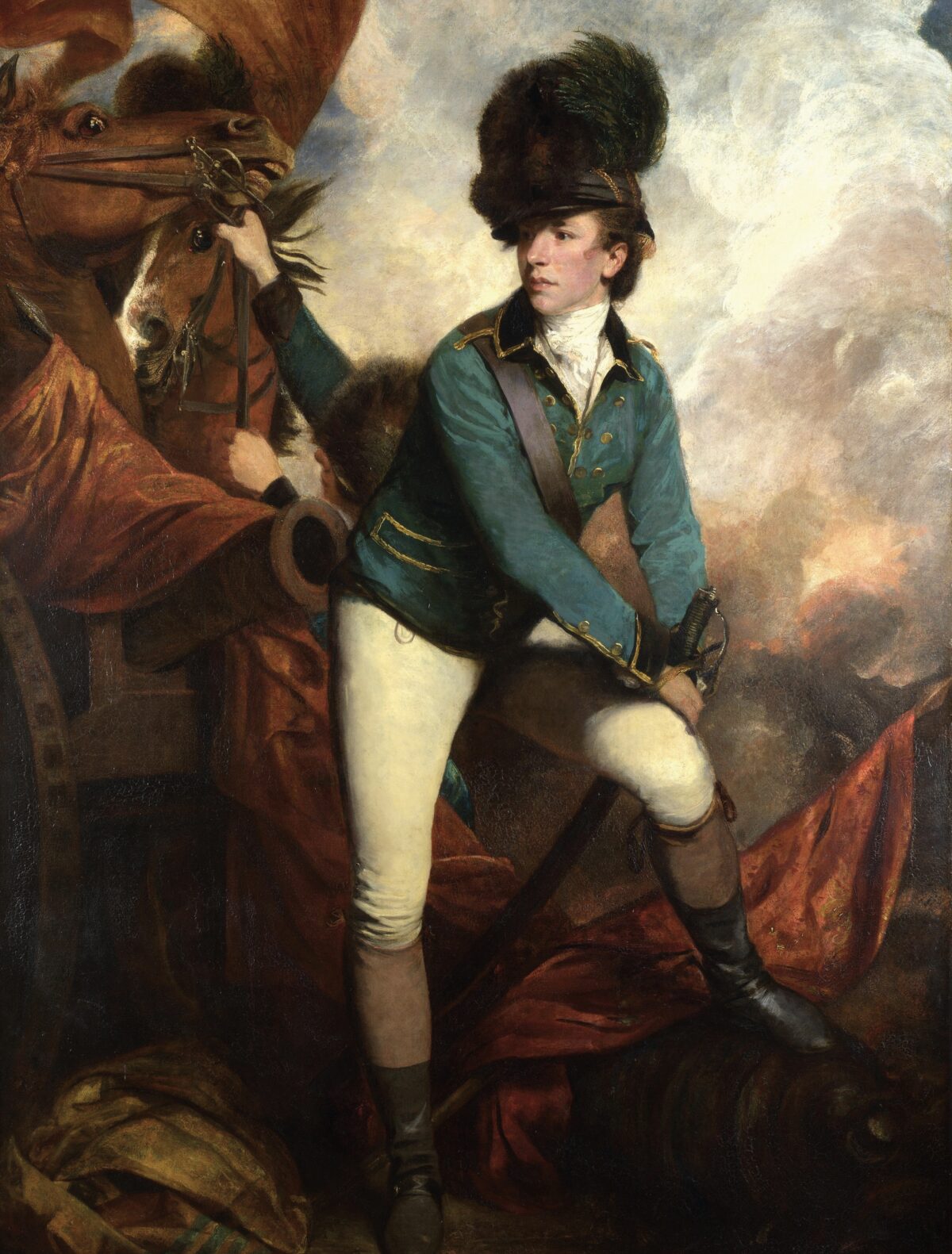
For over a year, Marion and his guerilla band harassed British forces, attacking outposts, interrupting their lines of supply, melting away into marshes or the darkness of night when pursued, and joining with other American troops when needed. On one occasion, dispatched to run Marion to the ground, Col. Banastre Tarleton and his cavalry chased this rag-tag militia for miles through the countryside and into a swamp—without success. When he finally broke off this pursuit, Tarleton reportedly said, “As for this damned old fox, the Devil himself could not catch him,” an inadvertent accolade which morphed into “The Swamp Fox.”
The pressure brought to bear by Marion and his men on the British and their Loyalist allies were key in turning the tide in South Carolina and thwarting British plans. As Cornwallis himself observed, “Colonel Marion had so wrought the minds of the people, partly by the terror of his threats and cruelty of his punishments, and partly by the promise of plunder, that there was scarcely an inhabitant between the Santee and the Pee Dee that was not in arms against us.”
The Legacy
After the war ended, Marion returned home, rebuilt his ruined plantation at Pond’s Bluff, served in the South Carolina Senate, married at the age of 54, and died at age 63. Time, and not Tarleton, had run the old fox to earth.
Like nearly all figures from the past, pigeonholing Marion is complicated. He could be brutal, for instance, in his treatment of Loyalists, yet after the war he was adamant in his stand that those who had remained loyal to the crown not be punished by loss of property. He was a slaveowner, yet one of those slaves, Oscar, was apparently a trusted companion who served and fought at Marion’s side throughout his exploits, and who was honored in 2006 by the U.S. government for his “devoted and selfless consecration to the service of our country in the Armed Forces of the United States.”
Was Marion a saint? Absolutely not. He was a man as imperfect as his times, as nearly all human beings were and are. Was he a hero, showing ingenuity and courage, who helped win the Revolution? Absolutely yes. He risked his life time and again fighting for freedom and his country.
On Belle Isle Plantation in Berkeley County, South Carolina is the grave of Francis Marion. Among the inscriptions found on that tomb are the words that rightly commemorate the deeds of The Swamp Fox:
“History will record his worth and rising generations embalm his memory as one of the most distinguished patriots and heroes of the American Revolution which elevated his native country to honor and independence and secured to her the blessings of liberty and peace.”
What arts and culture topics would you like us to cover? Please email ideas or feedback to features@epochtimes.nyc