



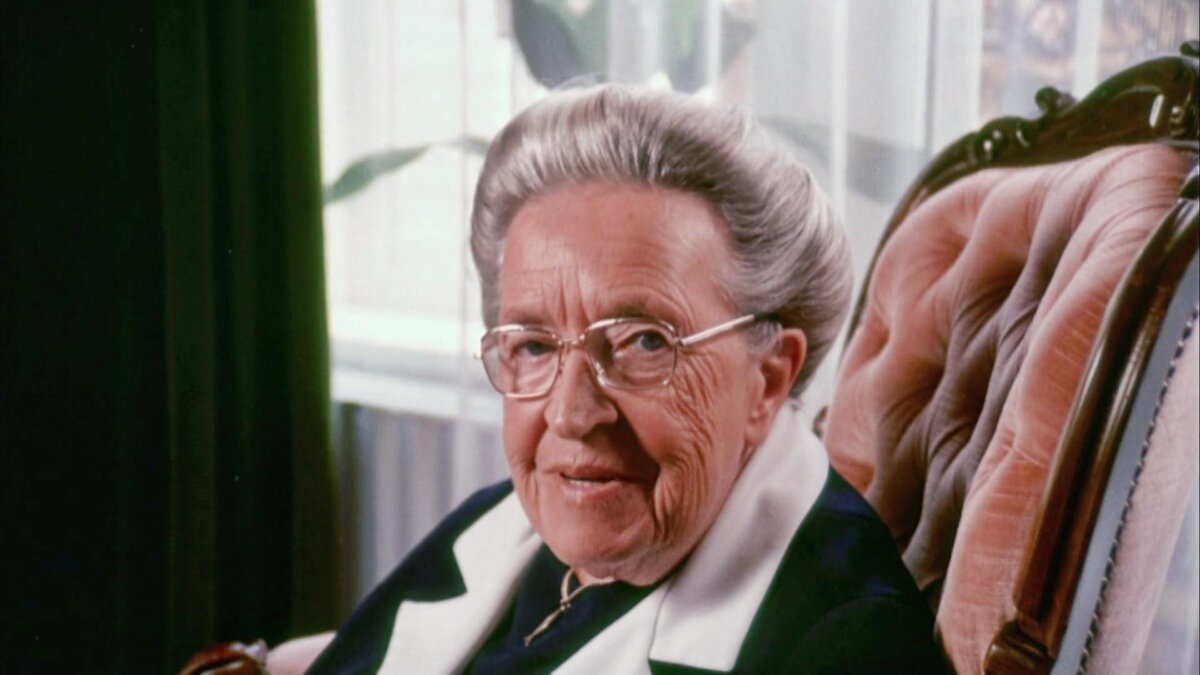
Who was the Netherlands’ first licensed female watchmaker? Her family helped rescue hundreds of Jews from the Nazis during World War II, and she paid the price for her compassion.
Director James F. Collier’s film “The Hiding Place” (1975) is the true story of Corrie ten Boom. Set in 1940s Haarlem, North Holland, it draws on Corrie’s 1971 autobiographical book of the same name and tells her true story.
Unmarried sisters Betsie (Julie Harris) and Corrie (Jeannette Clift in her feature debut), and their aging widower father, “Papa” Casper ten Boom (Arthur O’Connell), run the family watchmaking business. Most of the people in Haarlem know and love this devout Christian family for their warmth, grace, and hospitality.
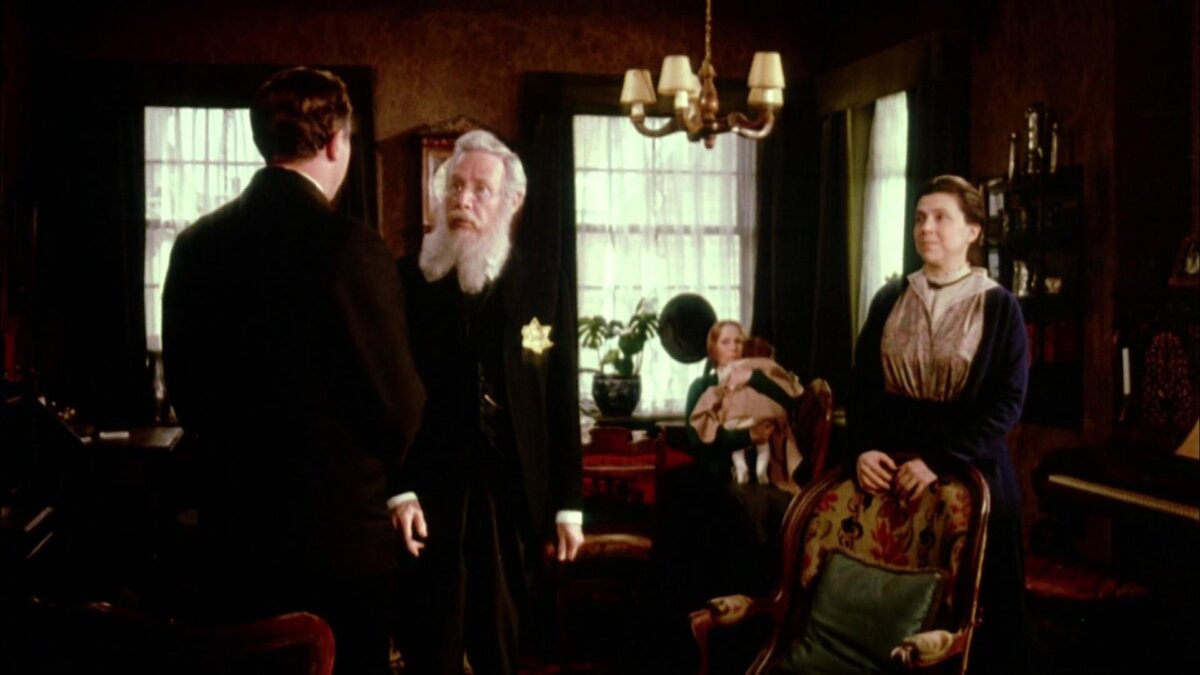
When Nazis invade and Jews go underground, the ten Booms know just the place to hide them: their home. Dutch resistance operatives remodel the house to ensure that fleeing Jews find short- and long-term shelter there. Suddenly an informant betrays the daring family, and the Nazis condemn them to a German concentration camp.
Why did only some non-Jewish people risk their lives to help persecuted Jews? A United States Holocaust Memorial Museum article on the real-life Corrie explains that most non-Jews were reluctant because of fear, self-interest, greed, and antisemitism, plus political and ideological beliefs. The ten Booms helped because of spiritually inspired moral convictions.
The opening credits feature a montage of the family’s happier times, enjoying picnics and boat rides. Soon, Corrie and Betsie are braving relentless, back-breaking work to host and hide their guests. They double as housemaids. They run what amounts to a round-the-clock hotel, complete with hot meals, clean bathrooms, and warm beds. They surrender the privacy and comfort they’re used to and make light of it.
Under Nazi detention, they’re forced to be up at 4:30 a.m. seven days a week to do hard labor, while they live off half a pound of bread and half a liter of soup a day.
Fellow camp prisoners struggle to reconcile the injustices they experience for no fault of their own with the ten Booms’ insistence on believing in a loving God. Through their example of quiet courage, gratitude, and hope, the sisters suggest that each of us ends up living two lives by default.
If our inner life is anchored in God, it powers our outer life with depth; we find the superhuman strength to sacrifice and to forgive. If, however, our inner life is rudderless, our whole existence is superficial and easily buffeted by the often-cruel winds of our outer life. That makes us bitter, ungrateful, and seemingly incapable of sacrifice or forgiveness.

Faced with unspeakable cruelty, the sisters embody a seemingly contradictory belief. The hate that some people have for others doesn’t come from God any more than darkness comes from the sun.
Meanwhile, the love we have for each other doesn’t come from us any more than light comes from a planet or its moon. Whatever light we reflect, which seemingly is from within us, comes from the source of all light; the more we acknowledge it, the brighter it shines.
The itch to hate may well be human, but love is superhuman and therefore divine. The sisters demonstrate that instead of blaming God for suffering and evil, we must cleave even closer to him, overcoming darkness by embracing the light.
Enduring camp hardships, Betsie gently rebukes Corrie’s seething resentment against God, insisting that God’s love prevails: “No pit is so deep that he is not deeper still.”
Remarkably humble, the ten Booms exude dignity, decency, and a sincere work ethic. At home, when Betsie is exhausted, Corrie bears extra chores. When Corrie is sick, Betsie takes over. When the arresting Nazi asks them if they’re sure there were only six people in the house, Papa replies: “Seven. God is with us.”
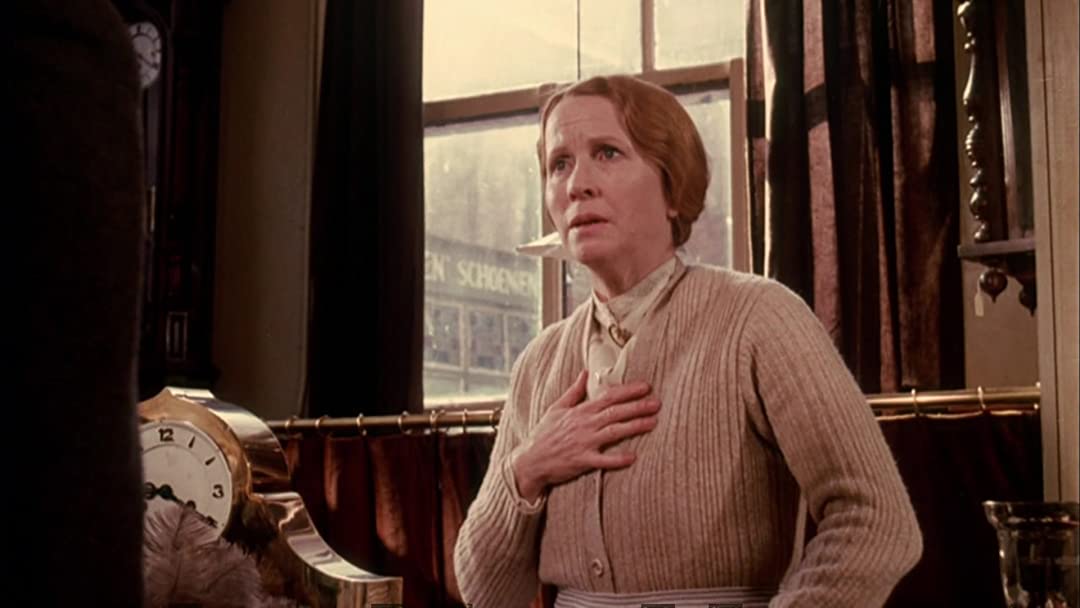
Fellow prisoner and hustler Katje (Eileen Heckart) boasts that she can sneak into Corrie’s prison cell pretty much anything she desires, as long as she pays for it: soap, cigarettes, aspirin. Corrie’s firm response is, “Can you get me a Bible?”
When Katje does sneak in bread and a Bible, Corrie prayerfully blesses her. Katje smirks and says: “You think you can last here doing that? Praying!? The only way to live here is to hate.” Meaningfully, Corrie smiles, saying, “Hate can put you in a worse prison than this.”
What, then, ought to be our abiding hiding place from the harshness of life? Corrie’s life offers a clue. Desperate to stave off feelings of revenge bubbling up within her at camp, Corrie begs God for the grace of forgiveness: “Hide me in the center of your will.”
Check the Internet Movie Database website for plot summary, cast, reviews, and ratings. You can watch “The Hiding Place” on Roku, Hoopla, and Pluto.
These reflective articles may interest parents, caretakers, or educators of young adults, seeking great movies to watch together or recommend. They’re about films that, when viewed thoughtfully, nudge young people to be better versions of themselves.
What arts and culture topics would you like us to cover? Please email ideas or feedback to features@epochtimes.nyc.
