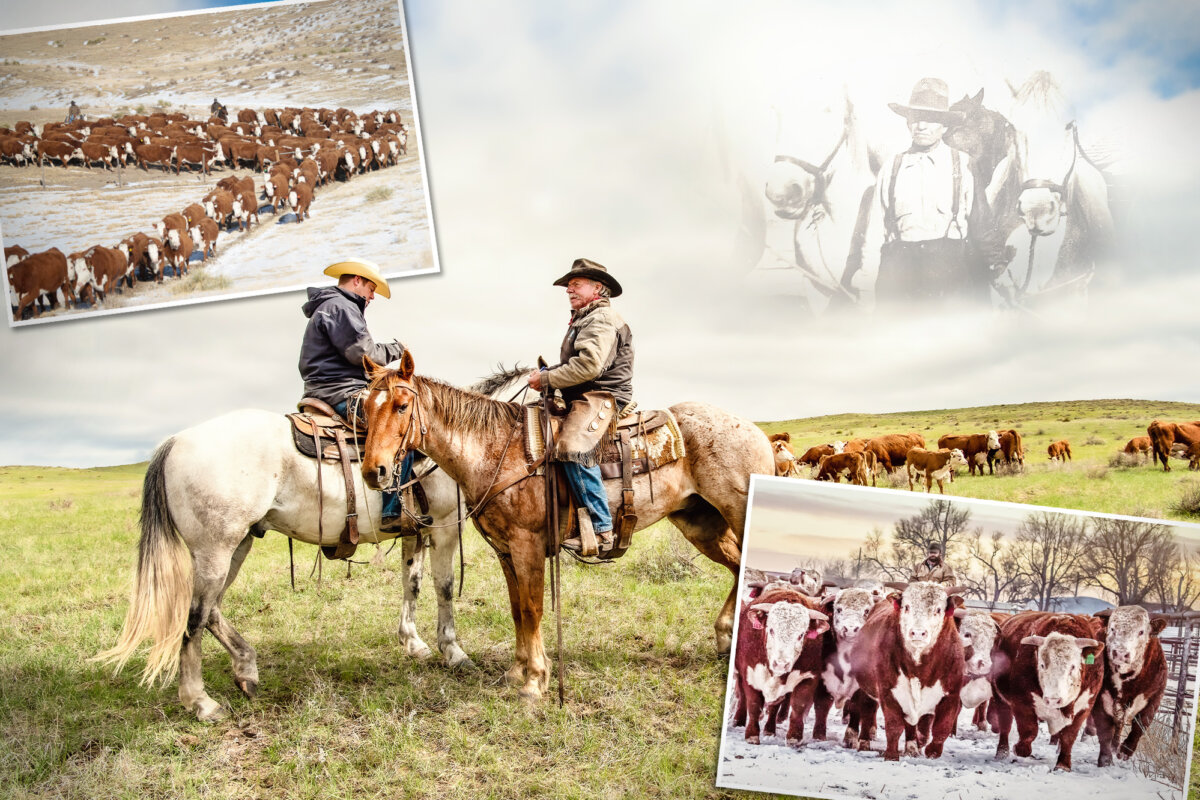
In the beginning, there were the rolling hills, the ample creeks, and the lush grasslands that sprawled as far as the horizon. When the Van Newkirk family first arrived in Western Nebraska in 1886 and was granted land through the Homestead Act, they thought they had found paradise.
Surprisingly little has changed more than a century later. Massive chunks of this region known as the Nebraska Sandhills are still virtually untouched. No one on record has ever tried to farm here and very few have settled.
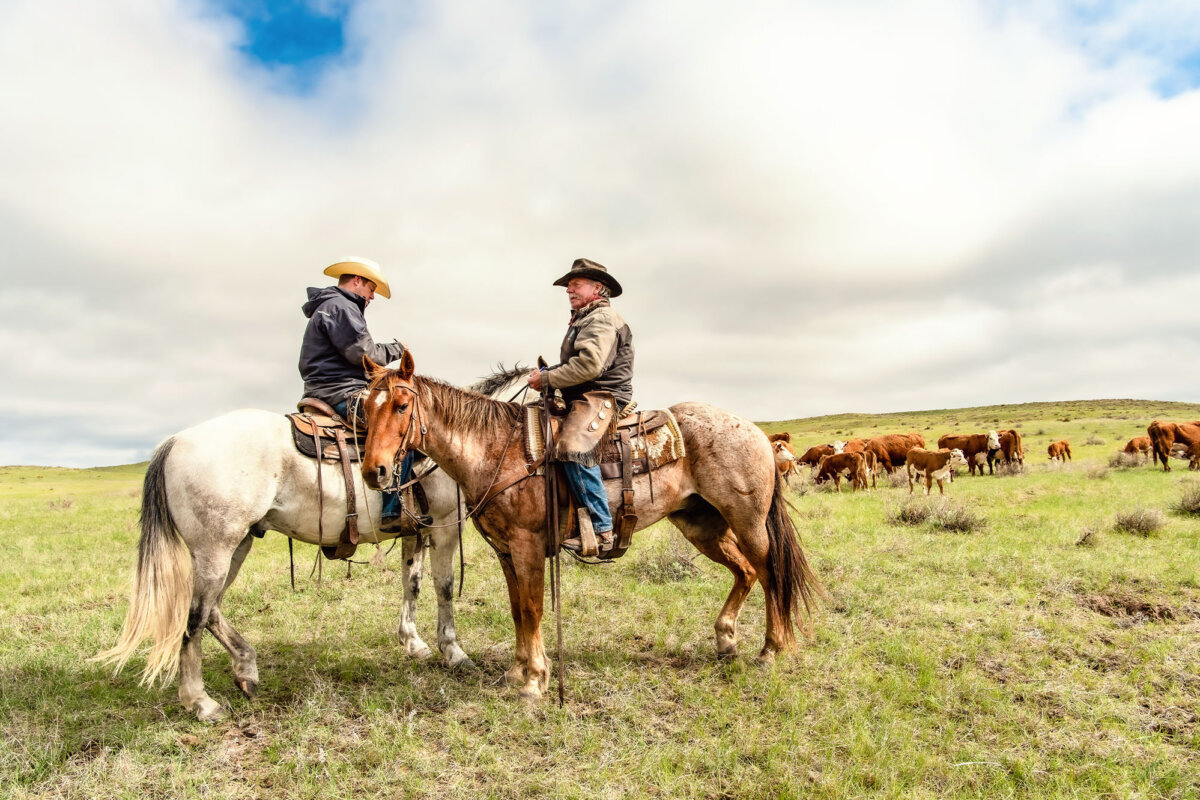
Like the hills themselves, the Van Newkirks keep doing their thing; they’re still cowboying on the ranch as they have for more than a century—and raising the same special breed.
“It really is as far back to nature as you can get,” Joe Van Newkirk, 70, told The Epoch Times, speaking of the Sandhills where his granddad, Lorenzo Don (LD) Van Newkirk, raised his first Hereford bulls, which the family continues breeding today.
“But it’s getting more high-tech all the time,” he said.
To stay competitive in this age of technology, the family ranch, called Van Newkirk Herefords, has made some adaptations. While cattle drives will always endure (as long as cows need summer pastures to graze, cowboys will saddle up and lasso), some modern technologies were added over the decades.
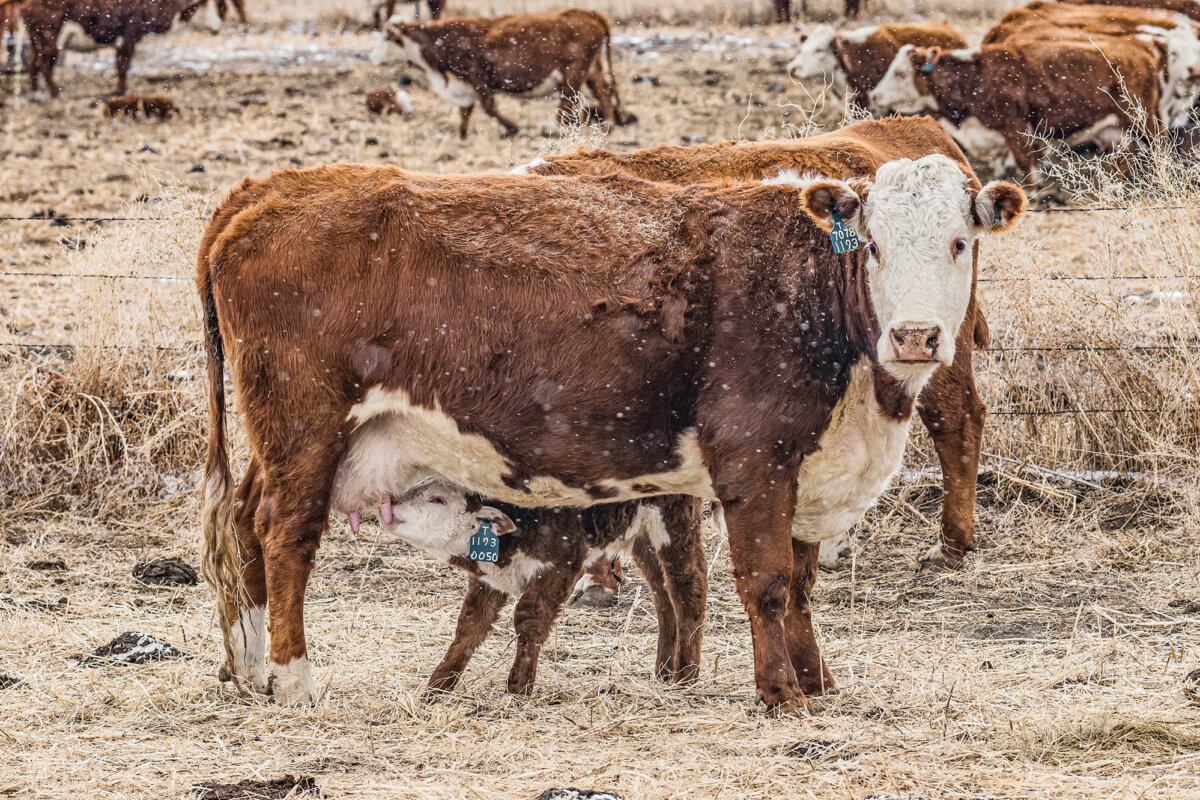
“In my business of selling seed stock [bulls] for breeding purposes, we DNA [test] every calf that’s born here to where we have a DNA profile,” Van Newkirk said, noting that he knows every calf’s characteristics from both father and mother, and the Beef Improvement Federation has “given us some fantastic tools.”
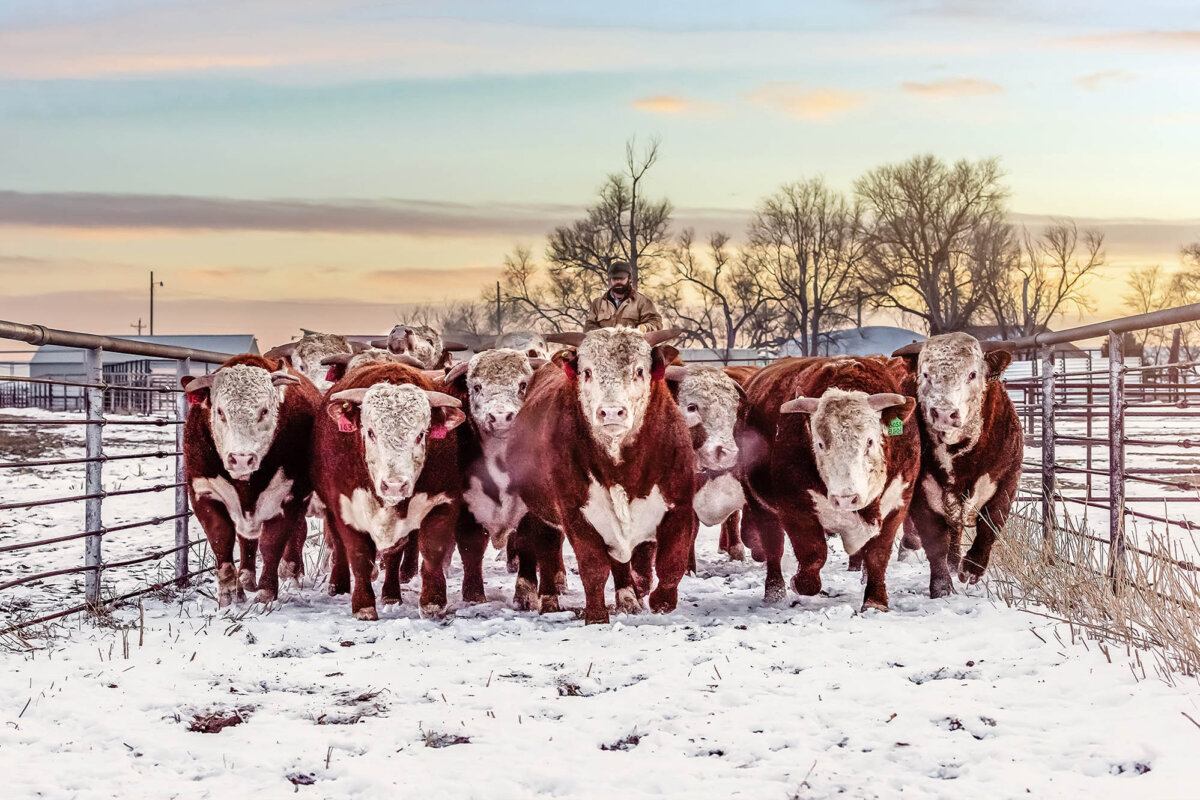
His voice displays pride when he speaks of his boldly colored red-and-white herd.
“Herefords were originally the king’s cattle in England,” Van Newkirk said.
His registered Herefords also crossbreed superbly well with the gangly longhorn that once predominated here, as well as with today’s black Angus.
“We’ve got the taste, Angus has the marbling,” he said.
Herefords are “a big package” structurally, Van Newkirk said, as well as being very low maintenance and very high performance.
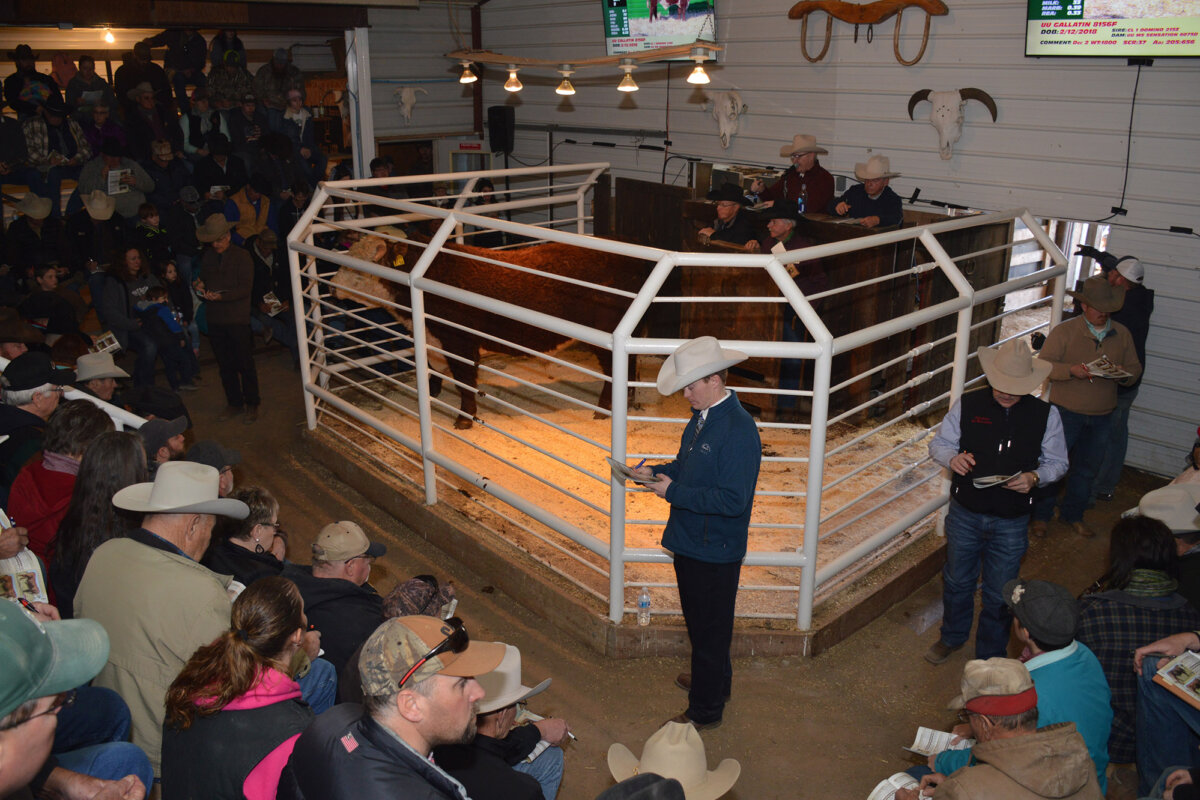
Technology also helps the Van Newkirks sell their stock. At their 54th annual sale in January, they “sold 20 percent of the cattle on the web,” he said. Cowboys have learned to use the internet and buy from the comfort of home.
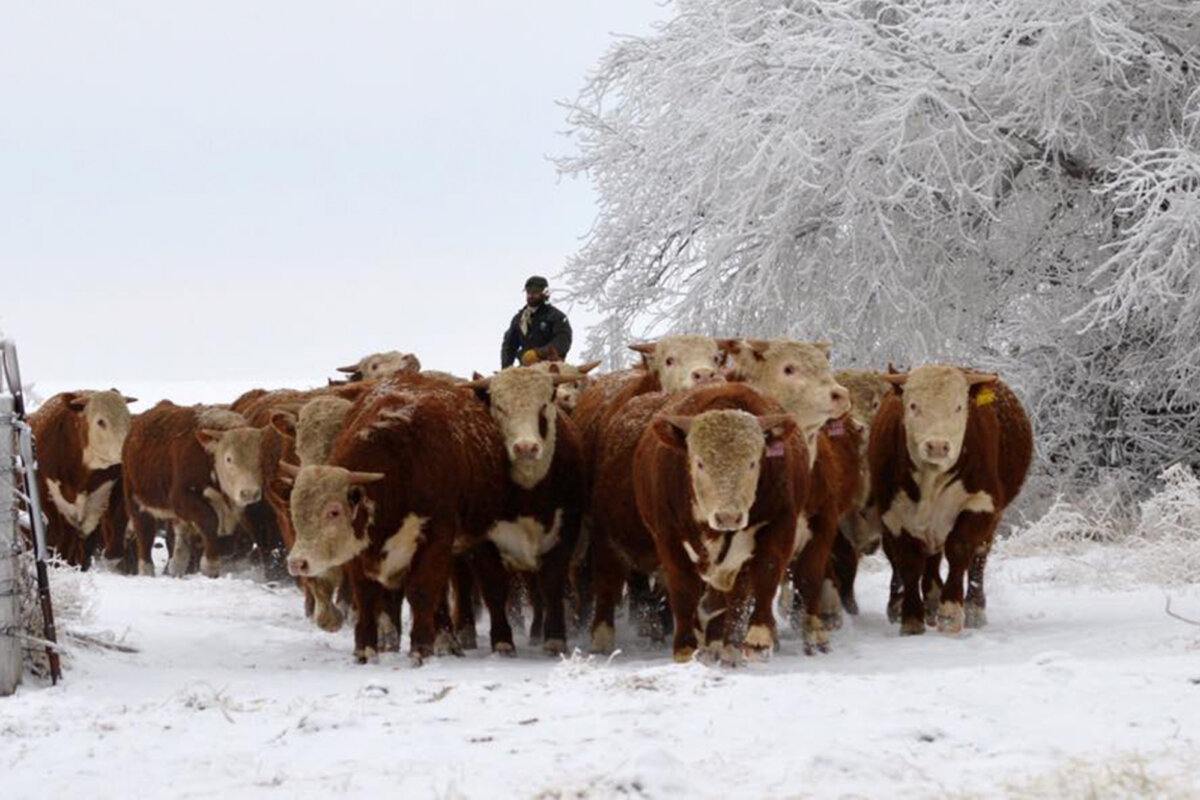
That’s good, according to Van Newkirk, because these hills can be bitterly cold.
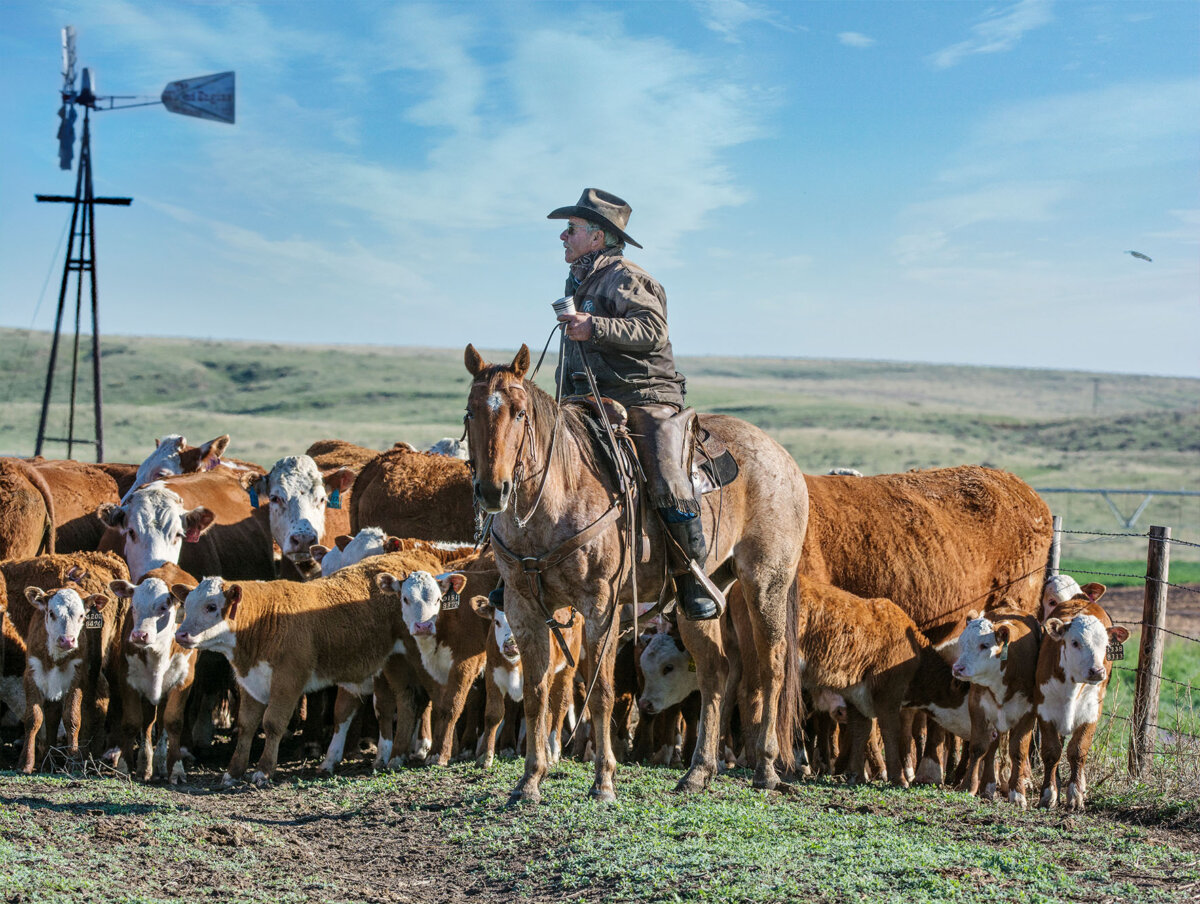
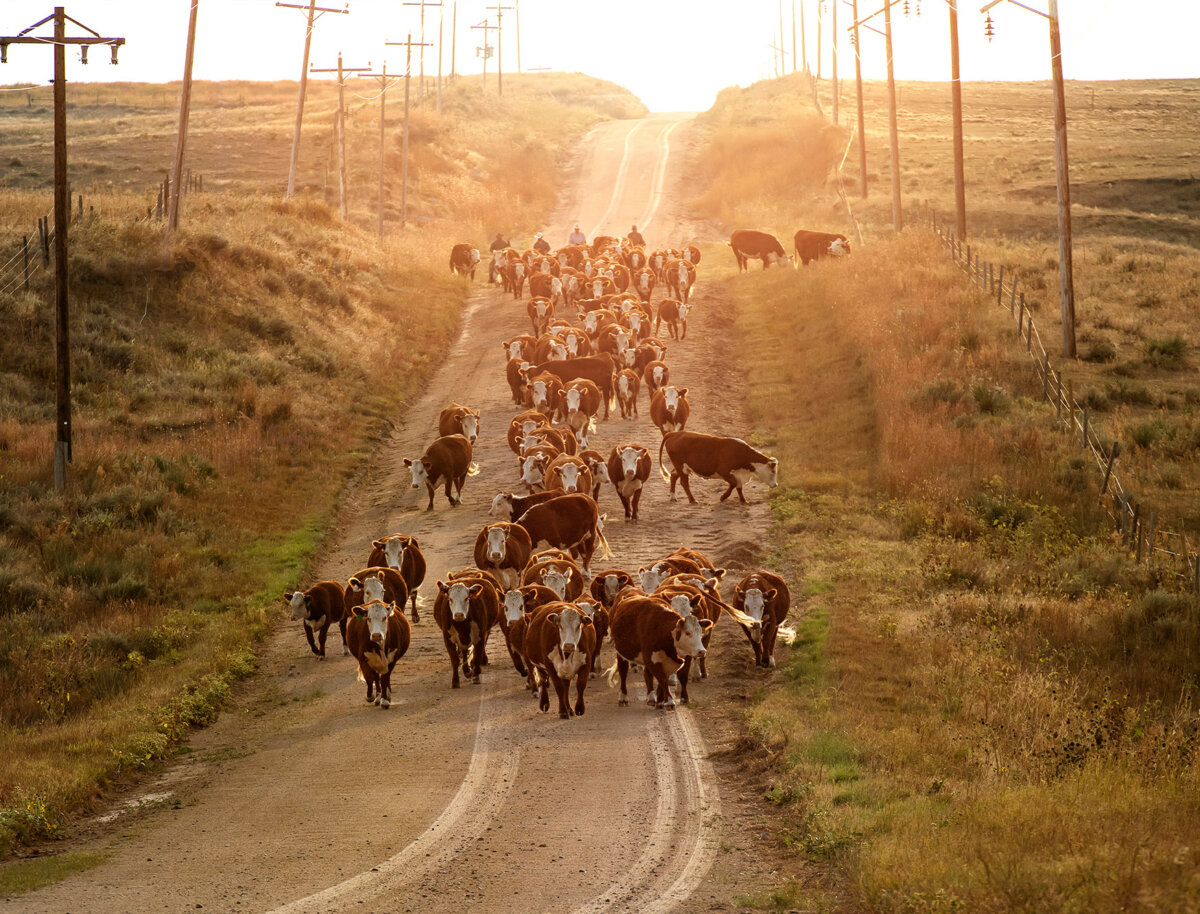
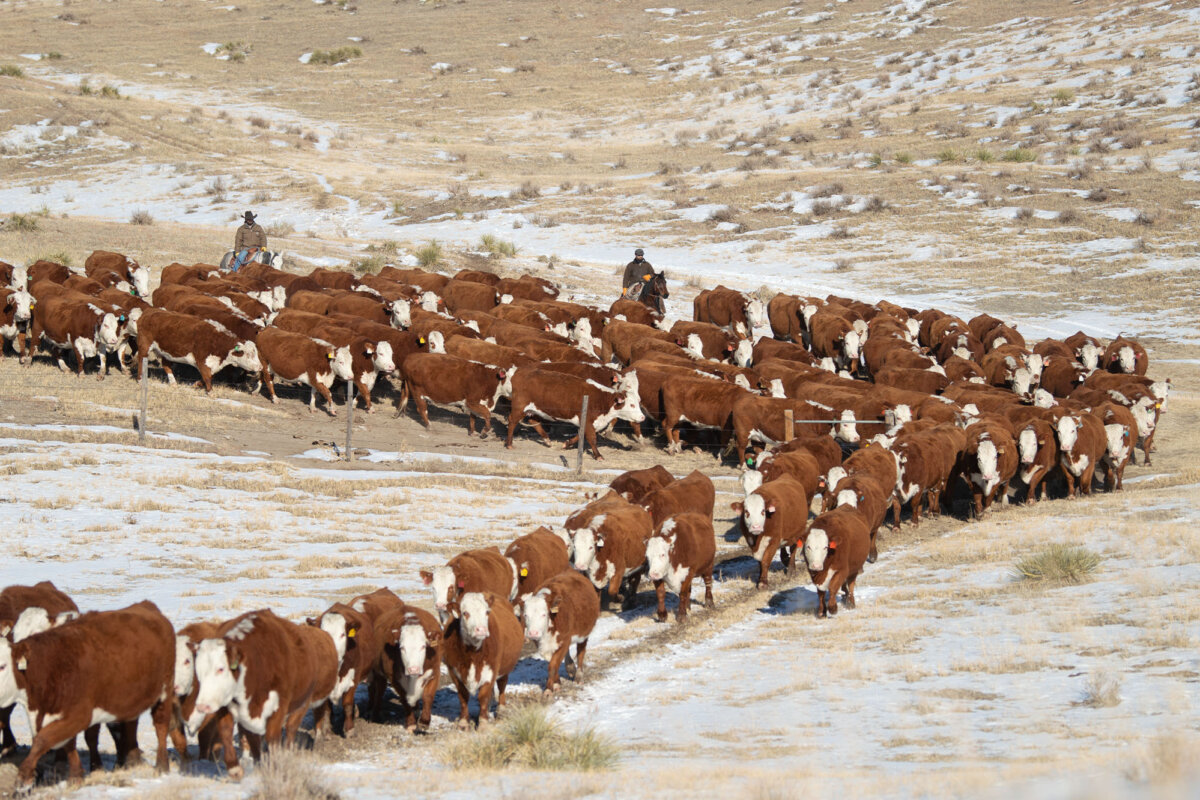
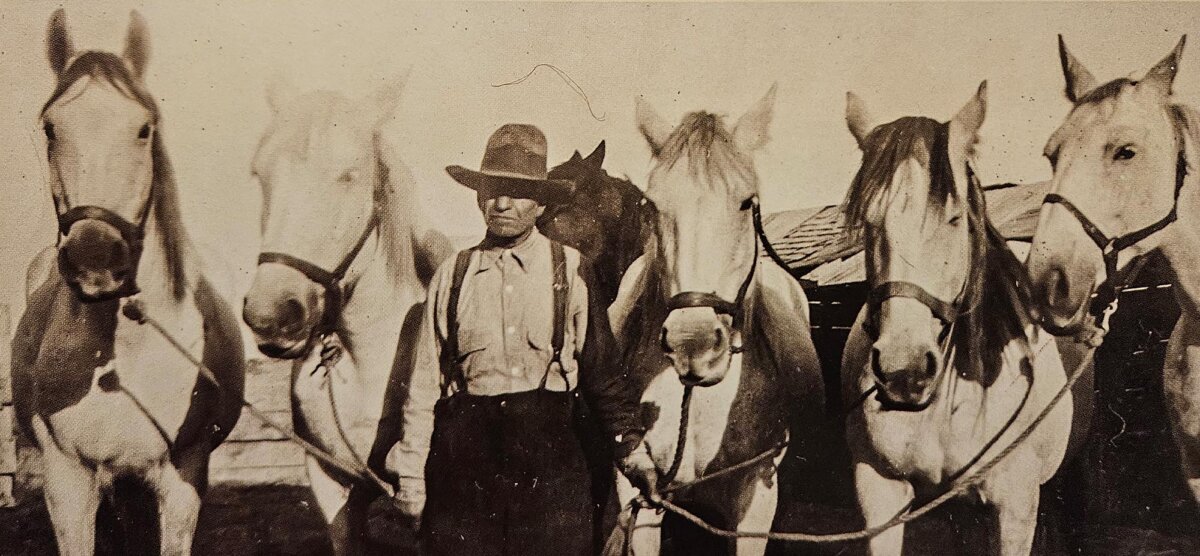
The land where Van Newkirk and his son continue cowboying runs even deeper down the Van Newkirk line. LD Van Newkirk was the cowboy son of a Civil War veteran, John Van Newkirk, a Dutchman who first settled in the Sandhills with his wife Lizzy in the 1880s, long before they had any cattle. The government granted land to families to start modest-sized farms in Nebraska to feed only themselves. Over the decades, particularly after the Kincaid Act of 1904, the Van Newkirks expanded their land, or “Kincaided,” making it what it is today. The ranch still operates from LD’s homestead.
But changing times soon brought challenges for family farms. The Great Depression of the 1930s probably set LD back a few steps, Van Newkirk said.
“They just kind of bowed their neck and got through it,” he said.
When Van Newkirk’s dad, AJ “Bud” Van Newkirk, took over, he and his brothers became the labor force and learned the business.
Joe Van Newkirk inherited the ranch when hard times hit in the 1980s.
“Interest rates went really high,” he said. “Drought can decrease the number of cattle, and that’ll increase the price.”
Fortunately, his brothers became successful in real estate and the oil business; still cowboys at heart, they helped support the ranch. The annual sales and cattle drives continued.
Family farming today is also threatened by the fact that new generations are moving to the big city, never to return.
“Kids just don’t want to come back and do this,” said Van Newkirk, whose eldest son moved to Chicago, then San Diego. Fortunately, his son Kolby returned 14 years ago after obtaining a degree in agribusiness from the University of Nebraska. Now Kolby’s 9-year-old son, Barrett, also dreams of roping on the range.
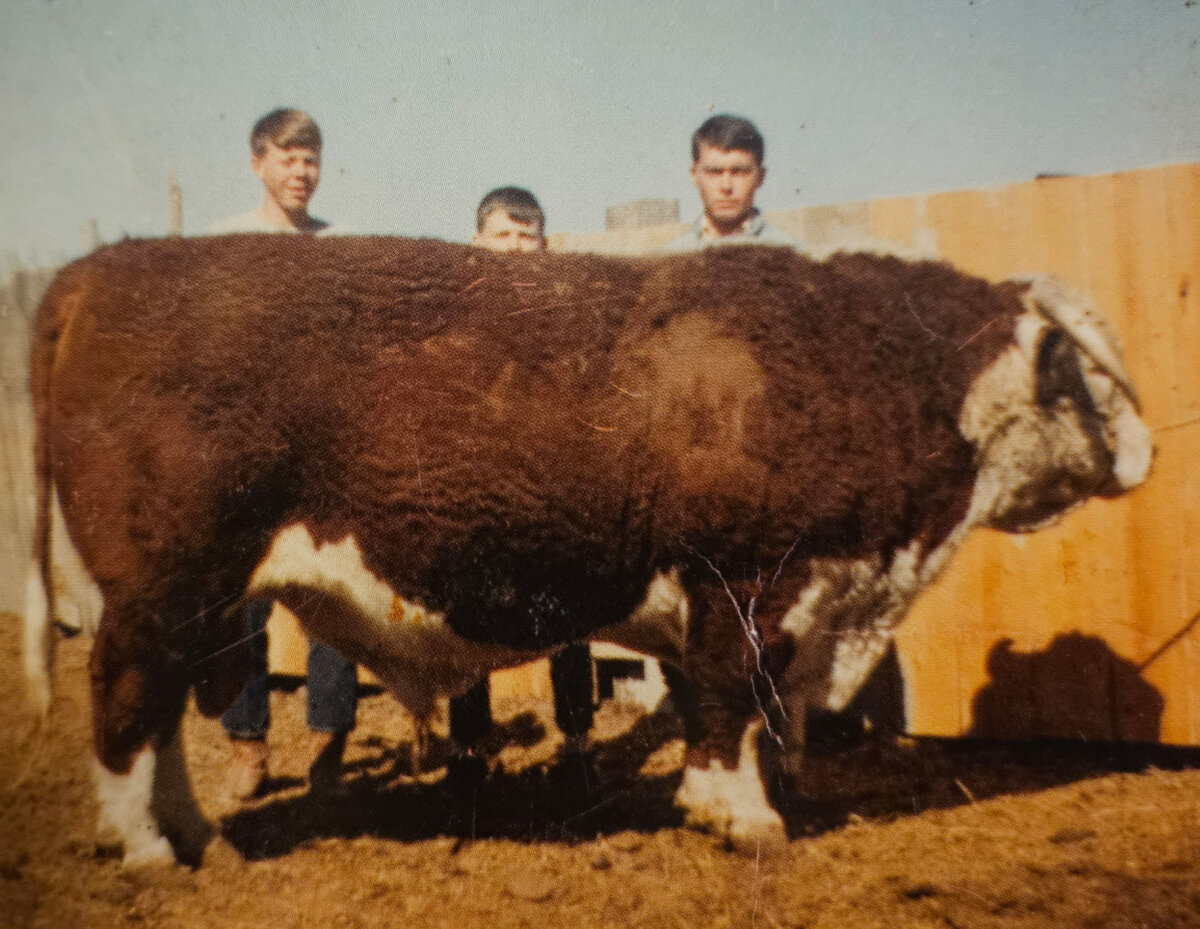
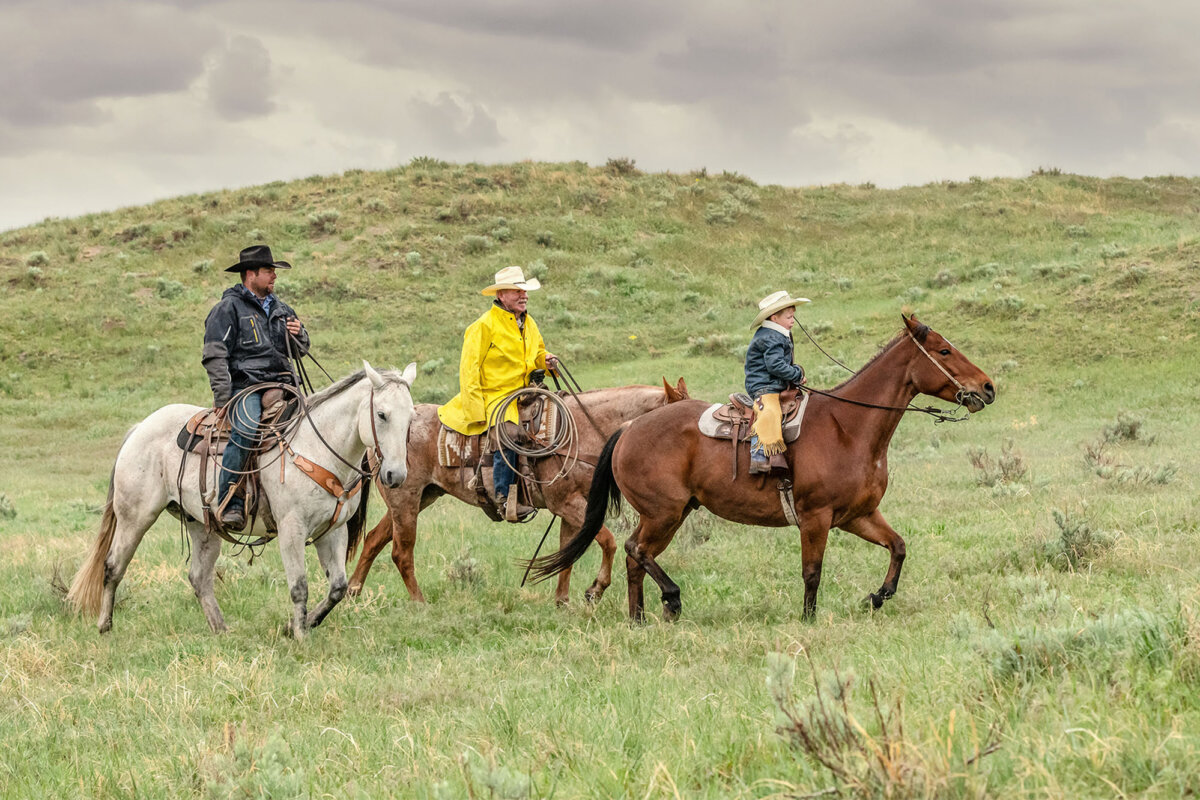
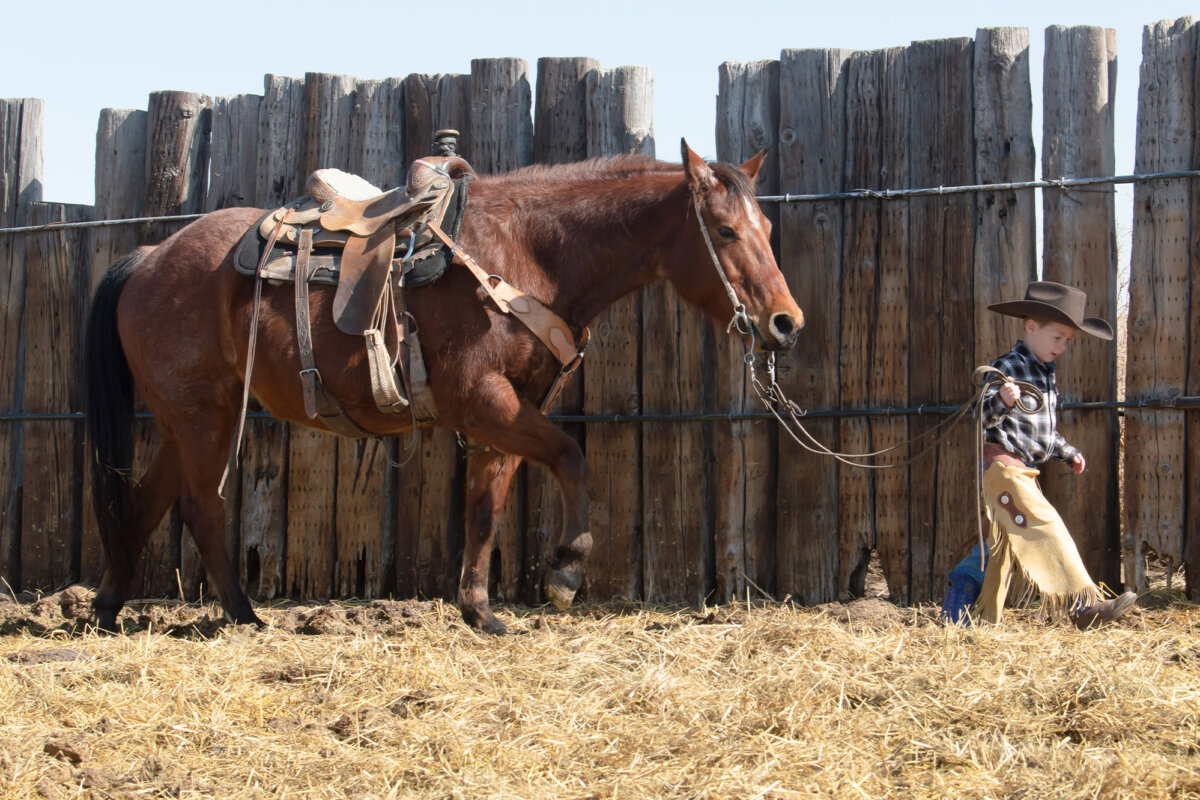
Van Newkirk tries hard to paint an alluring picture of cowboy life for the next generation.
He said it’s beautiful raising seed stock because there’s no slaughter. The Van Newkirks have delighted in seeing calves grow up to produce offspring; then that offspring grows up.
“It’s a great life. It’s a great way to raise a family,” he said. “Very satisfying.”
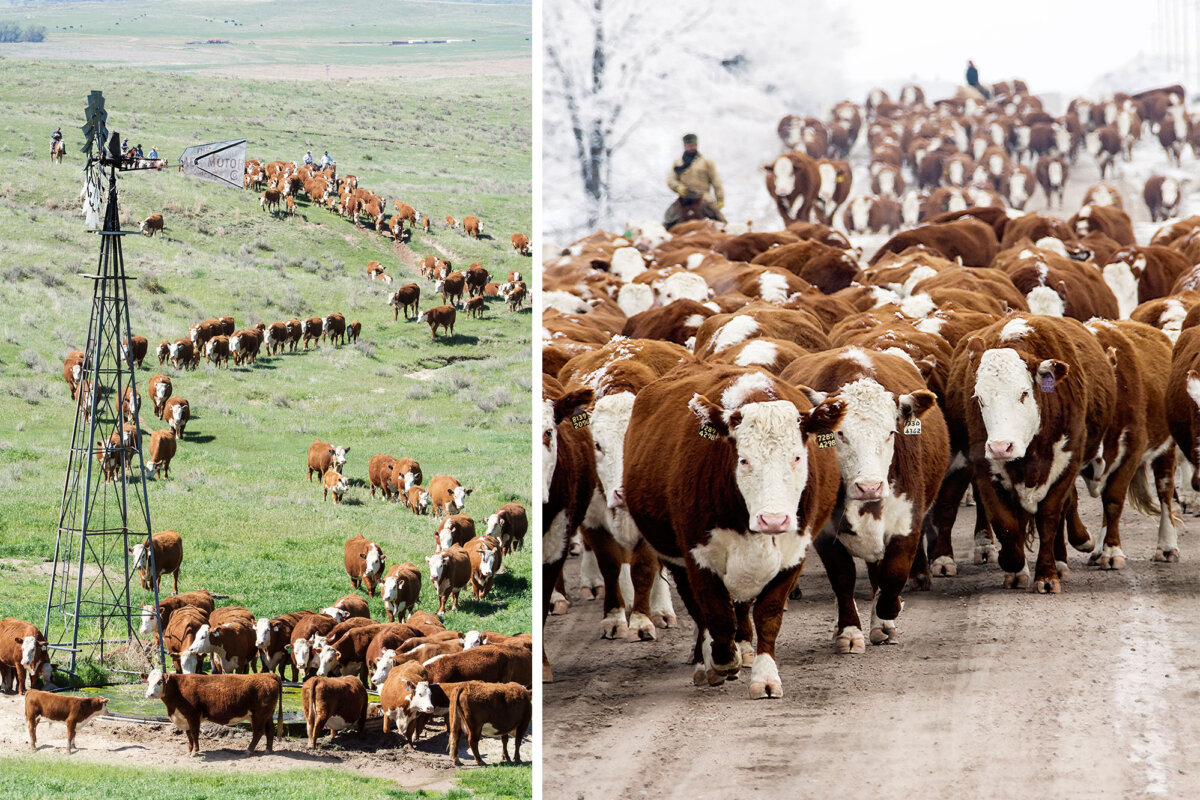
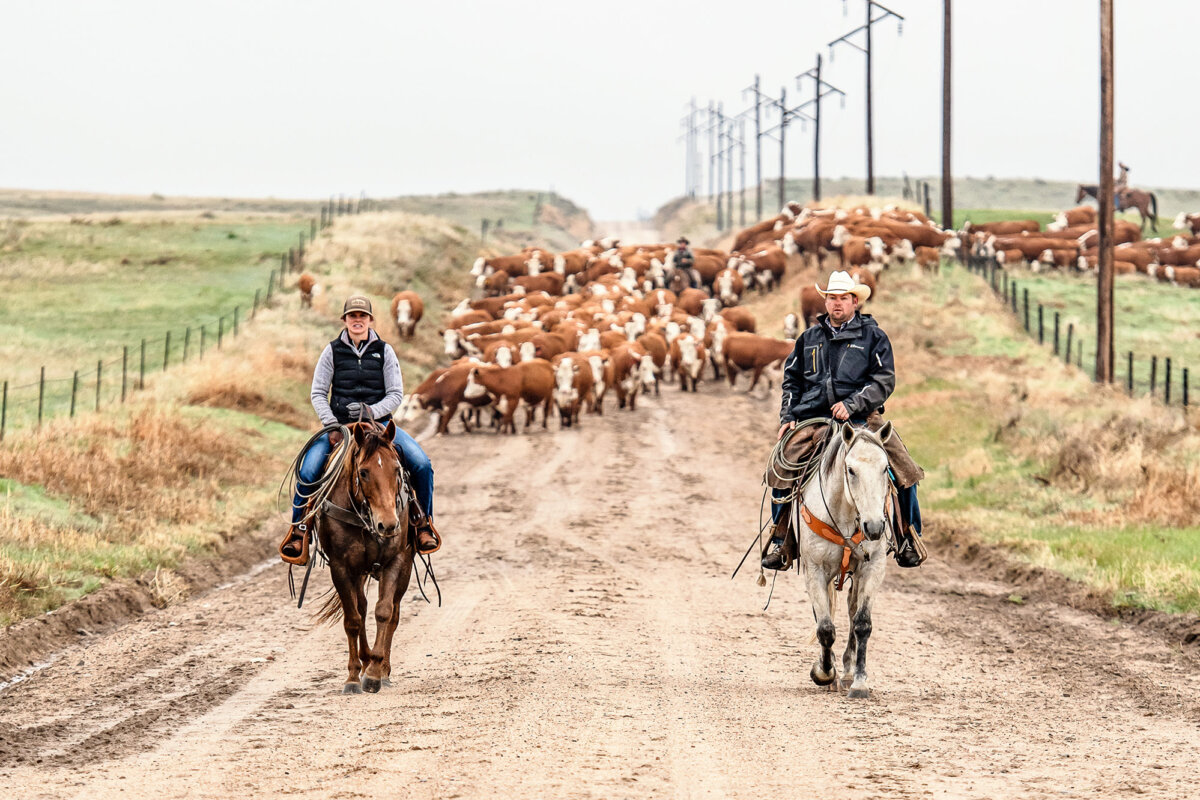
Sometimes the work is the reward. In May, the Van Newkirks had their hands full for 10 days, driving the Herefords out to summer pastures—an endeavor that can get downright frantic sometimes.
“We’ll cross a highway and a pretty dang busy railroad,” he said.
Thankfully, neighbors and cowboy friends helped out as several hundred cow-calf pairs traversed the hazards and arrived at greener pastures. Yet despite the challenges, Van Newkirk appreciates the simple benefits this life affords—just the silence of being on horseback in the lush hills of his forebears.
“It’s really relaxing,” he said. “It’s really pretty.”