



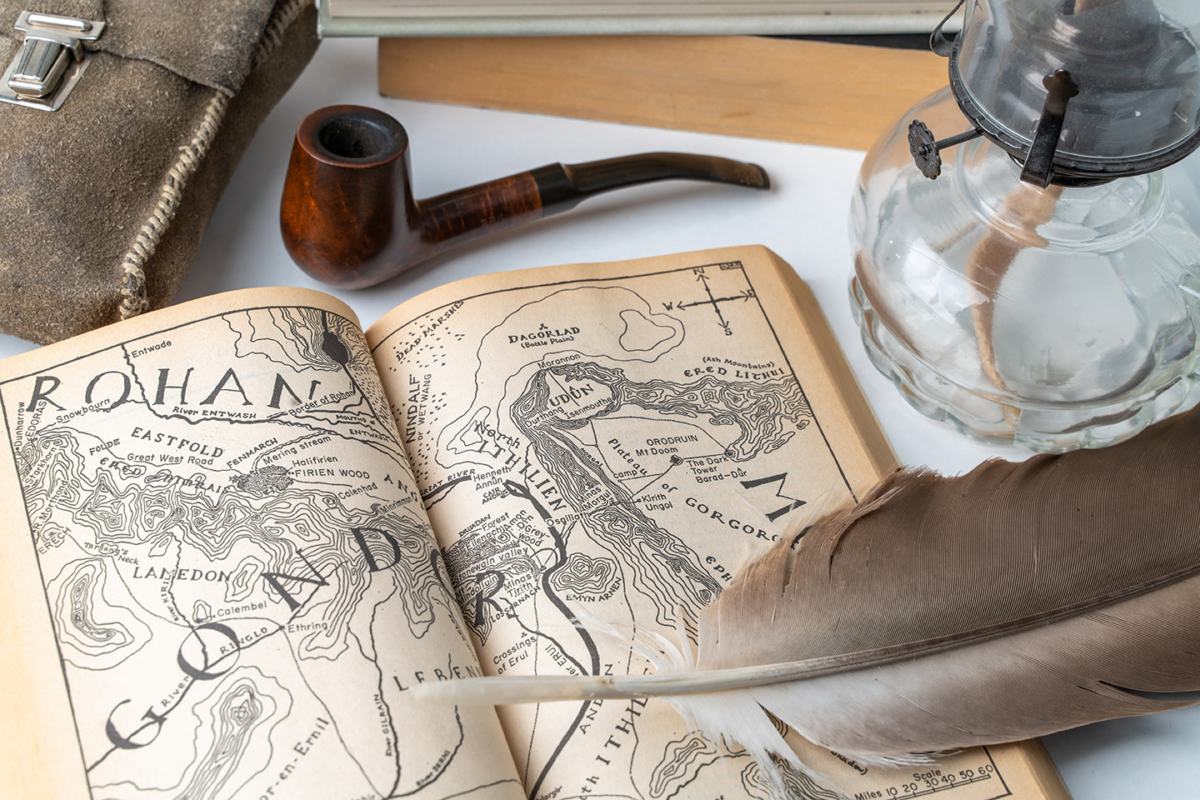
When my great-uncle receives visitors, he’s almost always to be found in his usual chair in his library. At 97 years old, his days now are primarily spent among these floor-to-ceiling bookcases full of pages containing stories of great adventures, ideas, and loves.
His nieces and nephews must seem to him to be zipping about the world without staying put long enough for anyone to recall where they are at a given time. And yet it is he who tells the stories during our visits.
After having taught history for more than 30 years, served in the Korean War, and worked as a tour guide in Europe, his time now is spent asking us to plunder his bookcases (the treasures from which he does in fact kiss fondly goodbye) and allowing us to profit from the riches of his mind. He is still, as he once, was, by trade, a storyteller.
From Bilbo to Frodo
J.R.R. Tolkien underlines the importance of storytelling, specifically between one generation and the next, in “The Lord of the Rings.” After all his adventures in “The Hobbit” which drew him forth rather unwillingly from his cozy fire, Bilbo Baggins is much advanced in years by the start of “The Fellowship of the Ring.” He has assumed the role of storyteller, sharing his stories particularly with the younger generation of hobbits such as Frodo and Sam.
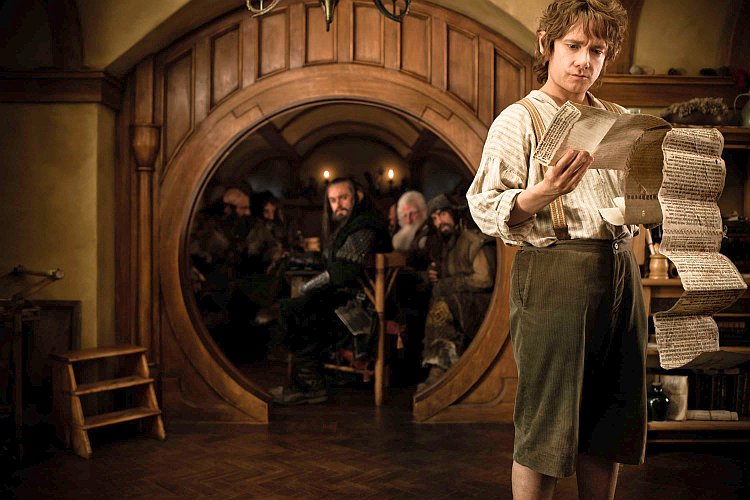
Even from the title of his book, “There and Back Again,” one can see that the return journey and being home again are just as much a part of his story as is the adventure.
After he makes his journey to the mountains and meets with Frodo again in Rivendell, Bilbo says he will not travel again. His focus is instead on composing songs and on finishing his book. As he ponders the concluding line of his book, he moves between variations of the same thought: “and he lived happily ever after to the end of his days” or “and they all settled down and lived happily ever after.”
Though in the winter of his life, Bilbo recognizes that it is important that adventures be recorded as well as undertaken, and he is glad not to be asked to give up the concluding line of his book in order to take the ring on its final journey.
Bilbo’s parting injunction to Frodo at Rivendell is, “Take as much care of yourself as you can, and bring back all the news you can, and any old songs and tales you can come by.” What Bilbo now does, Frodo must one day do also. Bilbo then sings a song that reflects his own current season of life:
I sit beside the fire and think
of all that I have seen
of meadow-flowers and butterflies
in summers that have been;
Of yellow leaves and gossamer
in autumns that there were,
with morning mist and silver sun
and wind upon my hair.
I sit beside the fire and think
of how the world will be
when winter comes without a spring
that I shall ever see.
For still there are so many things
that I have never seen:
in every wood in every spring
there is a different green.
I sit beside the fire and think
of people long ago
and people who will see a world
that I shall never know.
But all the while I sit and think
of times there were before,
I listen for returning feet
and voices at the door.
The Story Continues
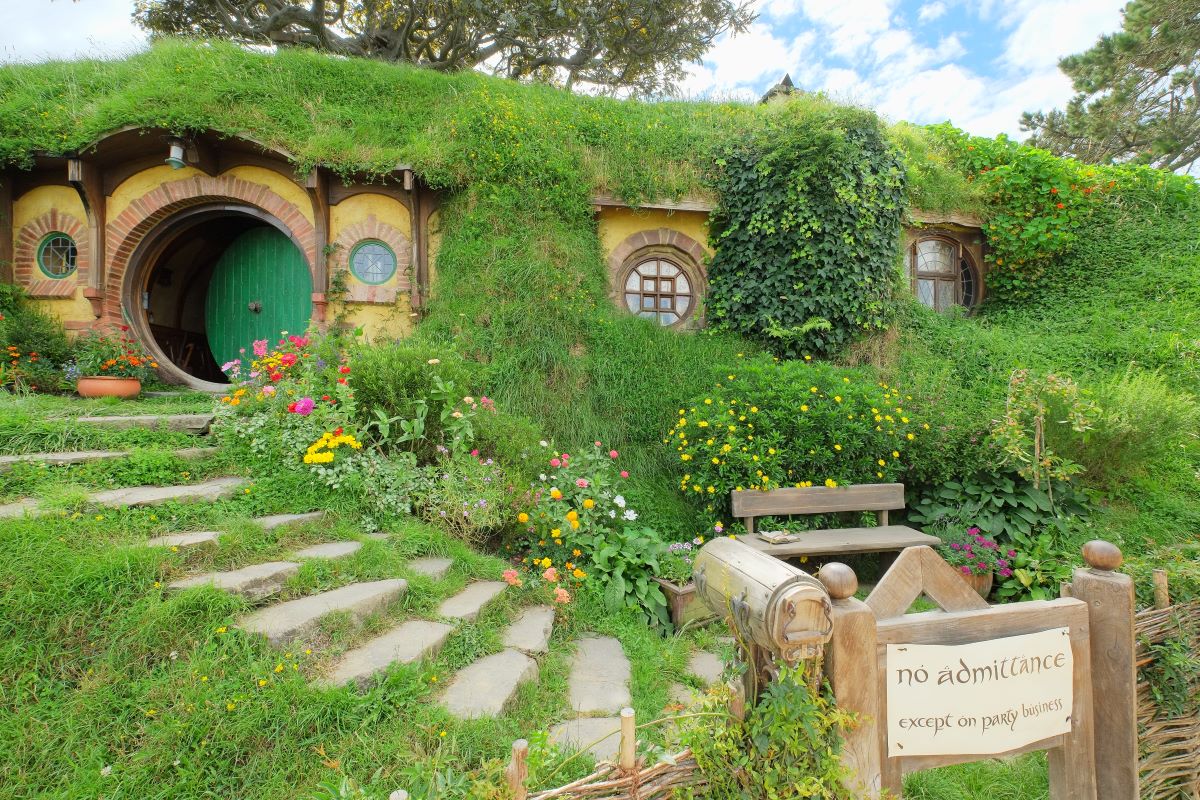
As he is now more stationary, Bilbo spends his days reflecting on the past and future. His stories and memories, much like the sword and mithril coat he gives Frodo at this time, take on new value and use as they help others on their journeys. For Bilbo’s part though, he now must wait until their roads take them to his door; though his own travels have ended, his role in the story has not.
As Gandalf reminds Bilbo at the Council of Elrond, “only a small part is played in great deeds by any hero.” Each story is a continuation of another; Frodo and the others understand their own story in light of Bilbo’s adventures.
As Merry and Pippin persuade Frodo to let them accompany him on his journey, they sing a song that’s “made on the model of the dwarf-song that started Bilbo on his adventure long ago, and went to the same tune.” The tune was one reminiscent of the song “Far Over the Misty Mountains Cold in “The Hobbit.” Throughout their journey, they recall Bilbo’s stories and muse over when they might be retracing his footsteps, such as when they come across the three trolls turned to stone. As Bilbo remarks to Frodo in Rivendell, “Don’t adventures ever have an end? I suppose not. Someone else always has to carry on the story.”
The idea of a continuing story is reflected in the evolution of Bilbo’s walking song which he recites after his adventures in “The Hobbit.” It initially begins “Roads go ever ever on.” When he set out in the beginning of “The Fellowship of the Ring,” he speaks of only one road:
The Road goes ever on and on,
Down from the door where it began.
Now far ahead the Road has gone,
And I must follow, if I can,
Pursuing it with eager feet,
Until it joins some larger way
Where many paths and errands meet.
And whither then? I cannot say.
After setting out from Bag-End, Frodo sings the same song, changing “eager” to “weary” in the fifth line. He remarks that Bilbo “used often to say there was only one Road; that it was like a great river: Its springs were at every doorstep, and every path was its tributary.”
Bilbo sings the song again in Rivendell at the end of “The Return of the King” when the hobbits have returned from their journey:
The Road goes ever on and on
Out from the door where it began.
Now far ahead the Road has gone,
Let others follow it who can!
Let them a journey new begin,
But I at last with weary feet
Will turn towards the lighted inn,
My evening-rest and sleep to meet.
Passing the Baton
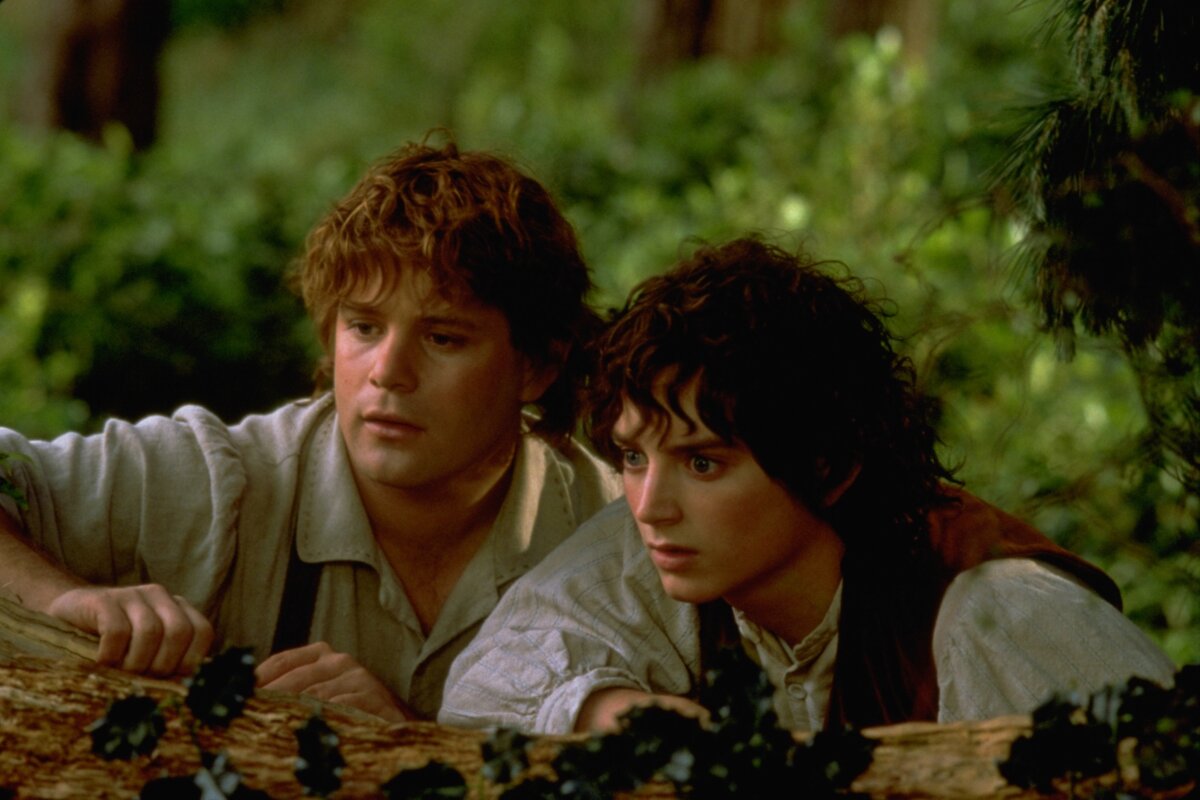
At this point, Bilbo’s journeys are concluded save the final one; “the Road” goes on for others. The role of storyteller is passed on to Frodo, Sam, and the others. Frodo continues his book, and Sam comes to inherit Bag-End and, with it, Bilbo’s storytelling role.
It is no coincidence that “The Return of the King” ends with him sitting beside the fire at home. As Frodo tells him, “You will read things out of the Red Book, and keep alive the memory of the age that is gone, so that people will remember the Great Danger and so love their beloved land all the more. And that will keep you as busy and as happy as anyone can be, as long as your part of the Story goes on.”
For the same reason, we tell stories to remember: to be aware of the evils in the world, to learn from how others overcame them, and to grow in love and gratitude for what we have. Storytelling is not only a means of preserving dormant memories of the past. Rather, storytelling bridges past and present, such that one influences the other.
Sharing past memories, experiences, and thoughts and applying them to current events helps us better understand both past and present. We review memories, or they spring to mind, because they can shed new light on present events, or because with added time and experience we are able to grapple with past memories and better make sense of them.
Storytelling is not only a means of remembering but of understanding. There is wisdom in learning from the past and allowing it to redirect one’s path accordingly, just as there is wisdom in drawing forth the right story at the right time.
One day, it will be my turn to fill that same chair my great-uncle now occupies. Until then, it is for me to make sure that I have enough material for the role that comes with it.
What arts and culture topics would you like us to cover? Please email ideas or feedback to features@epochtimes.nyc
