



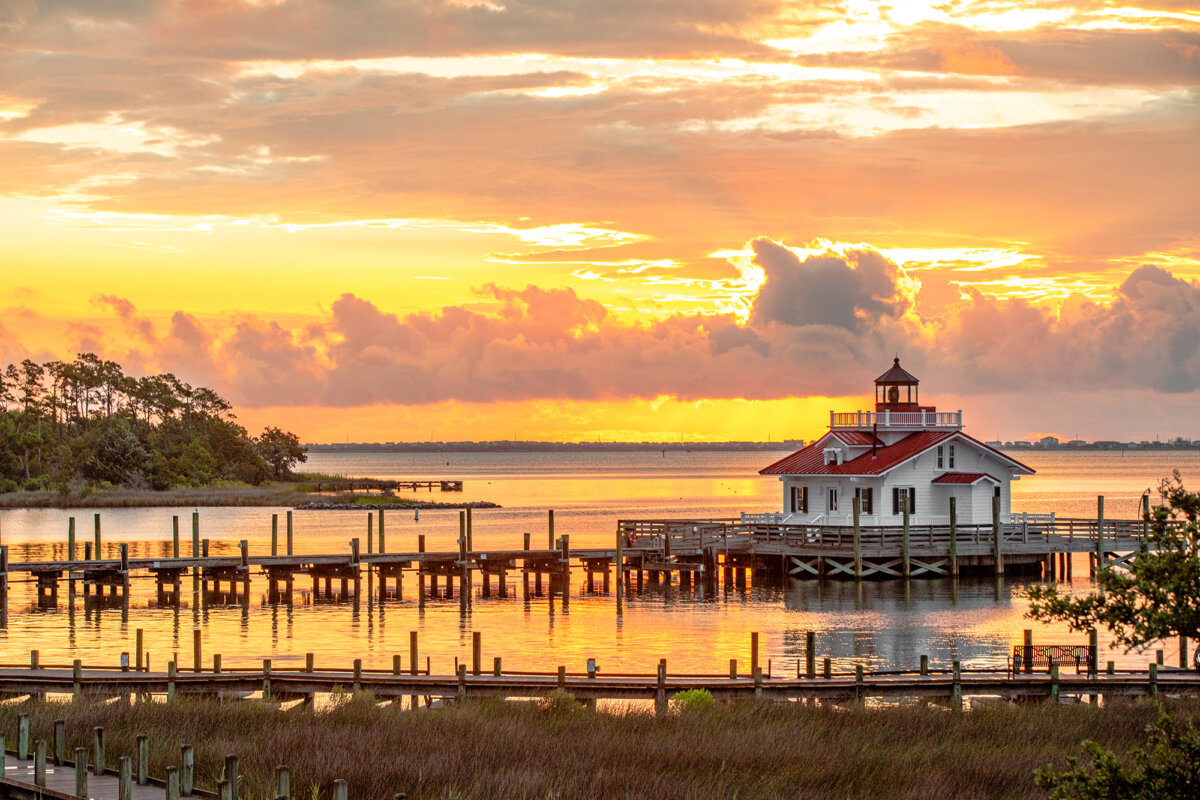
As soon as you enter the island of Roanoke, one of the islands that make up part of the Outer Banks of North Carolina, a welcome sign greets visitors as the site of the “birthplace of America’s first English child.” Who was she? Who did she come with? And what happened to her? This alone should intrigue visitors, setting them off on a quest for what is popularly known as the “Lost Colony.”
Roanoke Voyages
In the 1500s, at the height of Spanish and Portuguese dominion over the seas and oceans, a young Queen Elizabeth I decided to challenge these superpowers by supporting an expedition to the New World. Sir Walter Raleigh, the queen’s captain of the guard, organized three Roanoke Voyages, which took place between 1584 and 1587. Though he did not lead these expeditions himself, he was granted the charter to explore and settle in “remote, heathen and barbarous lands, countries and territories, not actually possessed by any Christian Prince, nor inhabited by Christian people.”
This first voyage in 1584 was a reconnaissance mission, where they met Manteo, from the Croatoan tribe, and Wanchese of the Roanokes. These two Native Americans sailed back to England with the men.
The second voyage, in 1585, attempted to build a military settlement. This voyage sowed the seeds of distrust between the once-friendly natives and the trigger-happy, hotheaded soldiers. Most of these men eventually went back to England.
The third and final voyage, which occurred in July 1587, brought 117 men, women, and children to the shores of Roanoke in an attempt to create a permanent English settlement in the New World. This voyage in particular would become the cause for much wonder and speculation.
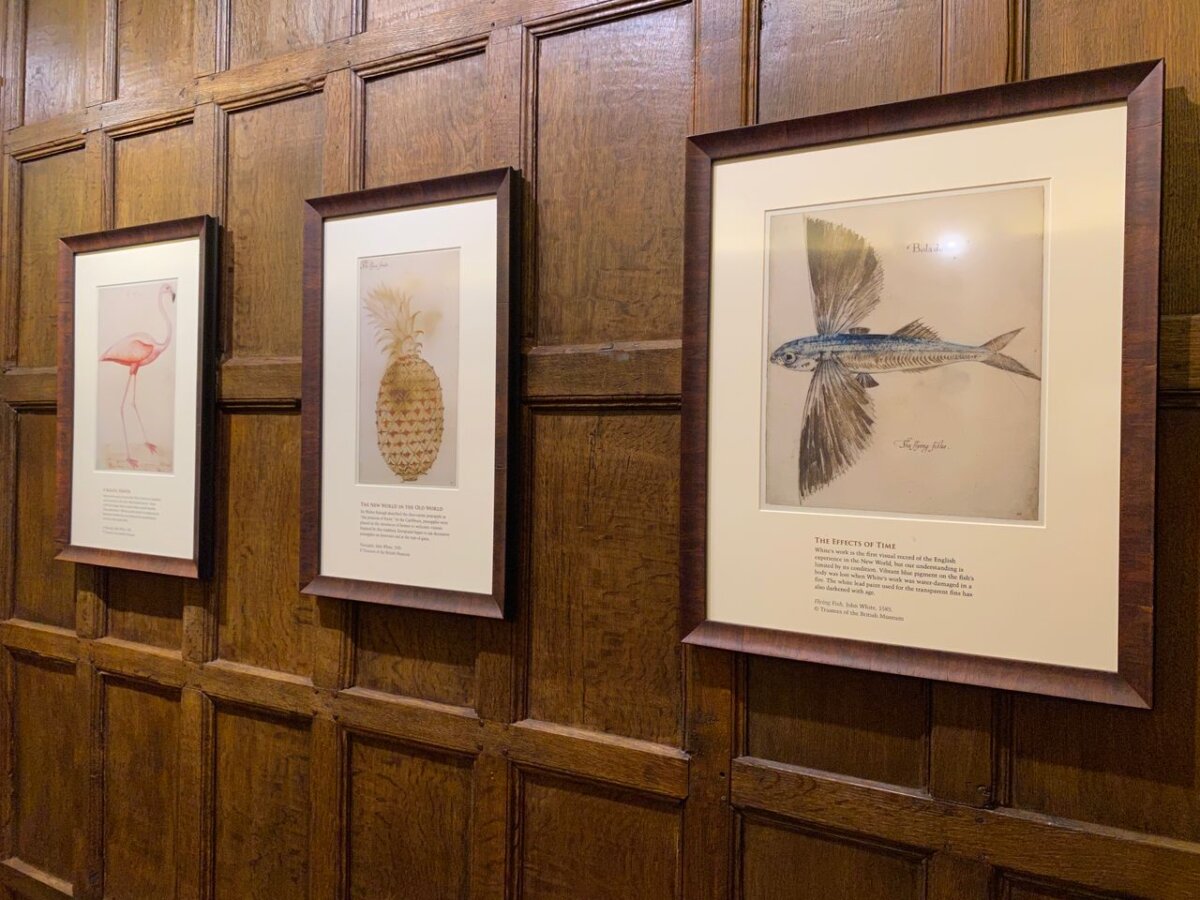
Present in the second and third voyages was a man called John White. He served as the second expedition’s artist, tasked with capturing in drawings and paintings the people, flora, and fauna of this new land. For the third voyage, he was appointed governor of the colony, and his daughter, Eleanor Dare, and son-in-law, Ananias, came with him to become part of the new settlement.
The Start of a Colony
When the colonists landed on the shores, they found the abandoned fort from the military settlement and built a palisade around it. They settled in and built new dwellings. Shortly thereafter, on Aug. 18, 1857, Eleanor, who was pregnant during the voyage, gave birth to a daughter named Virginia. This is the child referred to in the Roanoke Island welcome sign.
However, with planting season already at a close and their inability to depend on Native Americans for help, the governor, John White—and grandfather of little Virginia—had no choice but to sail back home to bring in much-needed supplies. What was to be a few months’ absence quickly became a three-year wait. England found itself embroiled in a war against Spain, and all ships had been diverted to face the intimidating Spanish Armada.
It was not until 1590 that White was finally able to secure passage to head back to Roanoke with supplies. He landed back on its shores on the day of his granddaughter’s birthday, but when he reached the settlement, he found it abandoned. There were no signs of destruction that would have alluded to hostile natives. A clue consisting of the letters “CRO” was etched onto a tree. In a prearranged code, if the colonists were to leave under distress, they were to etch a cross above or below it—but there was none. The word “Croatoan,” Manteo’s tribe, which remained friendly with the westerners, was also found at the entrance of the settlement. Could they have gone to this group’s native land on the island south of Roanoke? Were they able to survive a hard winter without supplies? What really happened to this group of 100-plus men, women, and children?

Still Unraveling
As we move into the 21st century, there are a few theories on what could have happened to this group of early English settlers. Despite archaeological findings and historical research, dissent and discussions are still ongoing in the scientific community.
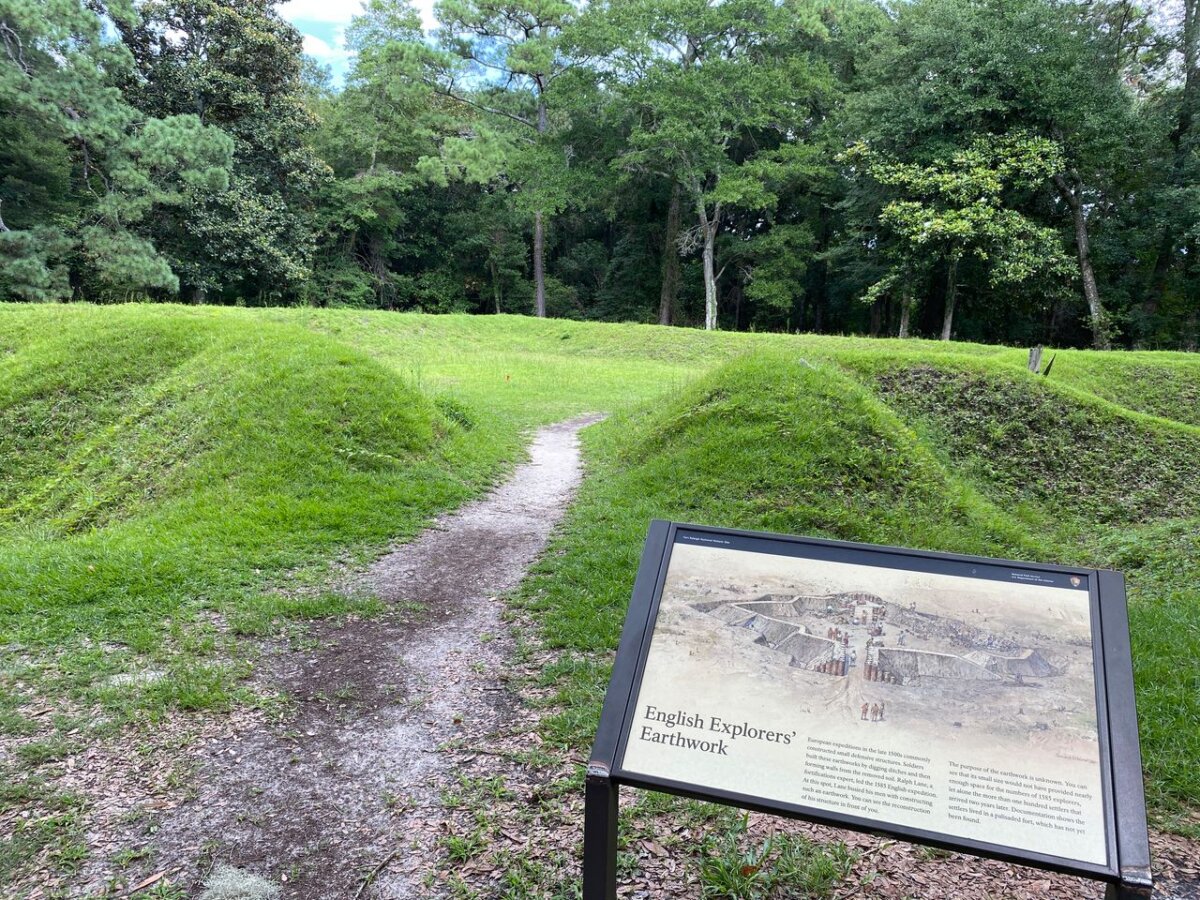
The Fort Raleigh National Historic Site, located on the northern end of Roanoke Island, houses the site where earthworks built by members of the second Roanoke Voyage can be found. A ranger talk and a short introductory video are very helpful in establishing the background of these three voyages, and there are a number of artifacts on display.
When asked about the fate of these early settlers, the park ranger explained that it’s possible that the settlers had to split up, as no Native American tribe would be able to sustain a group that big, especially during the winter months. There are theories that some may have moved on with Manteo’s Croatoan tribe, while others may have moved on to the mainland, where another settlement seemed to have been earmarked.
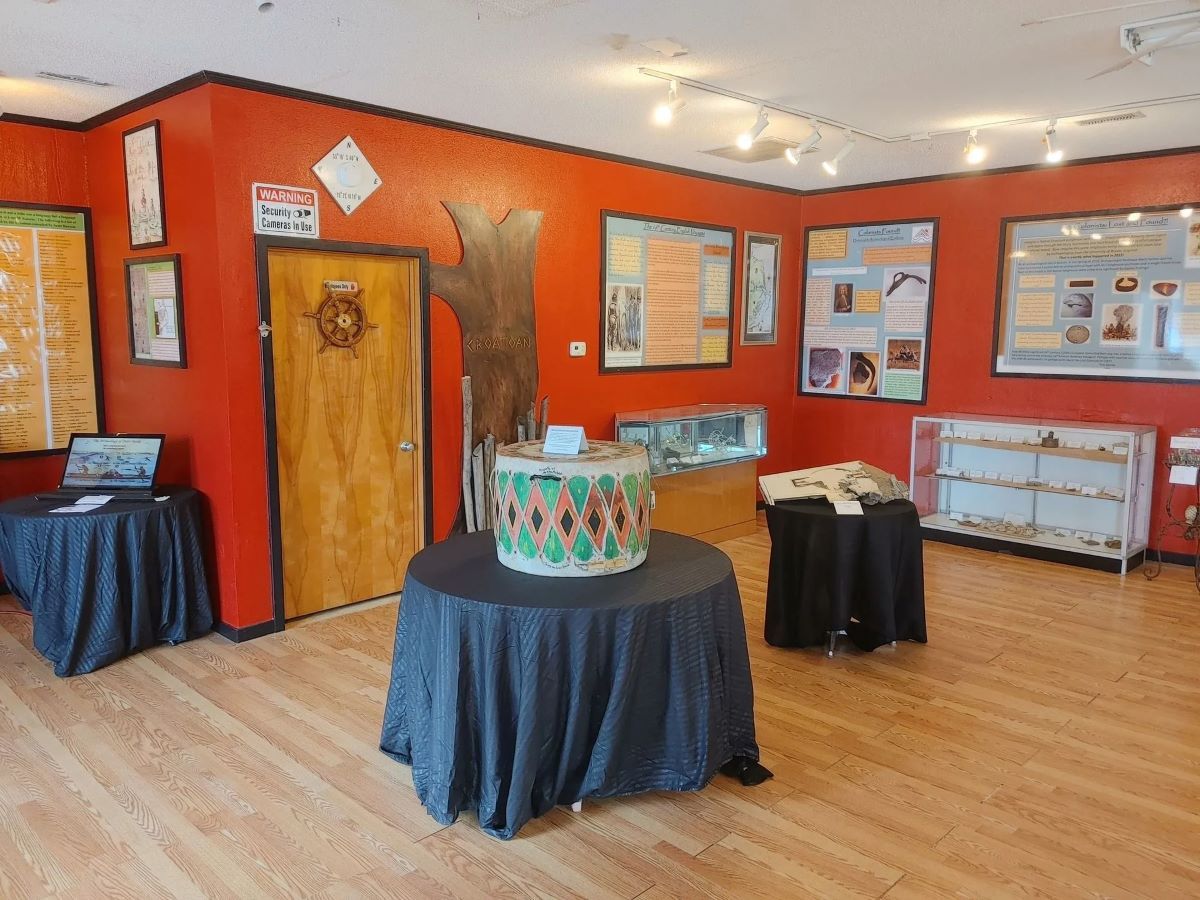
Scott Dawson, however, has other ideas. He had long heard the stories of the Roanoke Colony and did his own research. An amateur archaeologist, he was able to plot out a site where he and his team have unearthed gun barrels, housewares, Nuremberg tokens, and even parts of a rapier—clearly not of Croatoan origin. For him and his team, there is no doubt that the colony was never “lost,” and they had clearly made their way to Hatteras Island—the lands of the Croatoans. To follow this lead, visitors will have to drive more than an hour from Manteo to the Lost Colony Museum in Buxton, where the curious can view some of these artifacts at the museum, operated by Dawson, and you may hear the archaeologist himself speak of his discoveries.
Family-Friendly Experiences
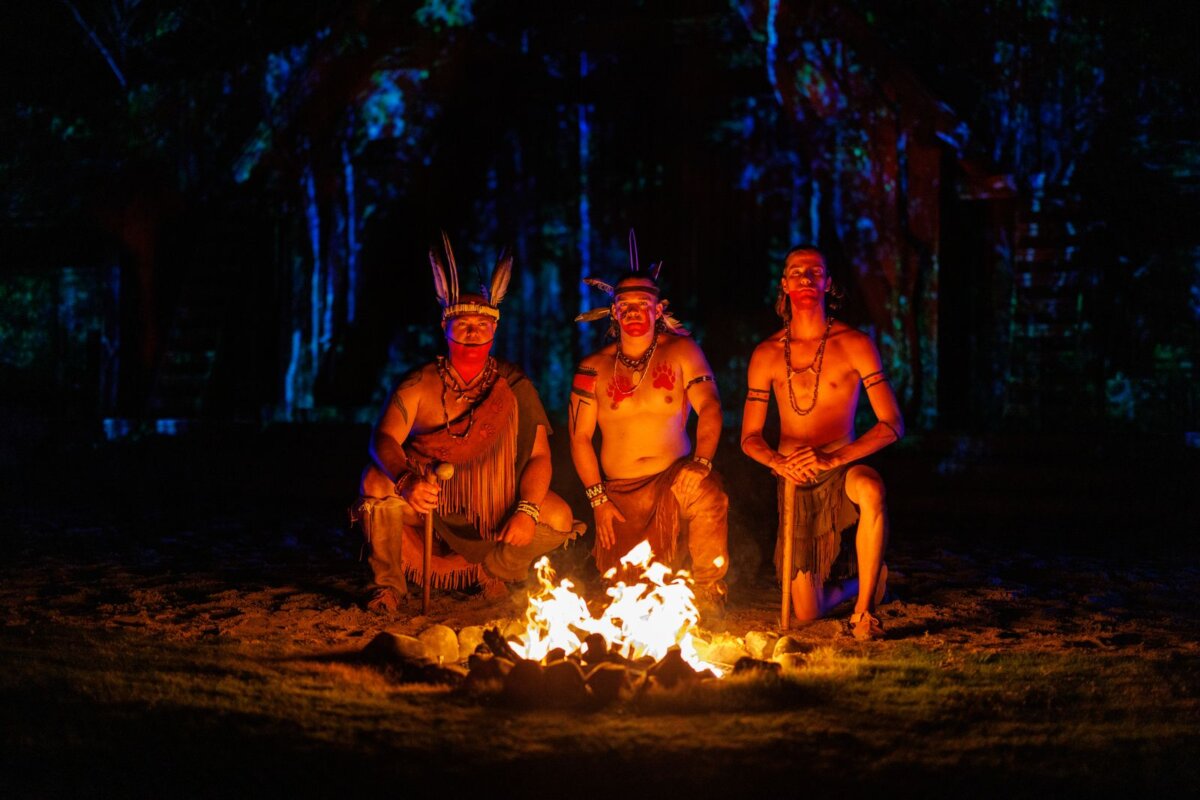
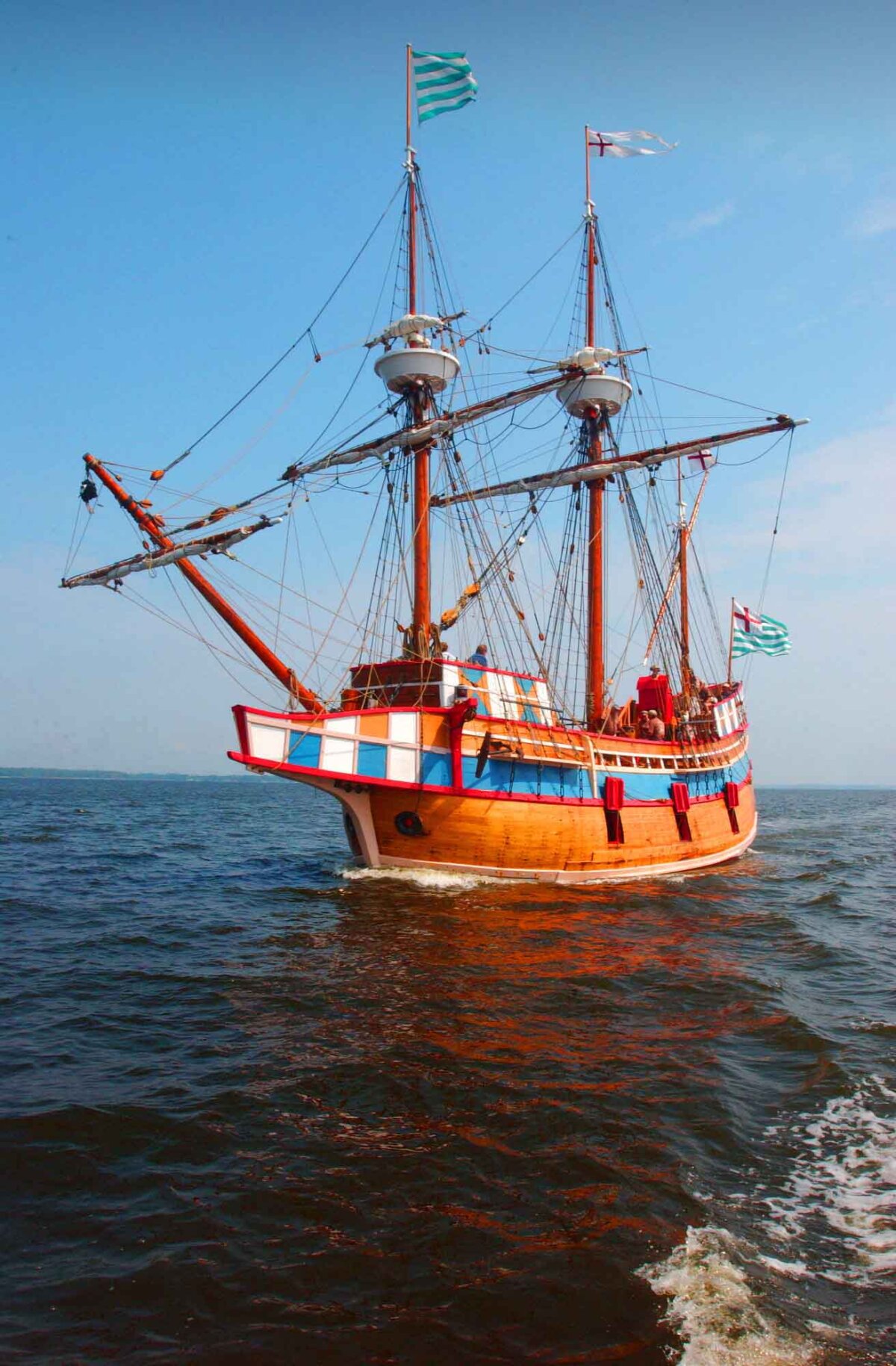
When traveling with young kids, there are two places where they may go to absorb all of this rich history. The first place is the Roanoke Island Festival Park, where visitors can visit four different areas for the price of one admission. Here, young visitors can get hands-on interactive fun at the museum with boats to board and costumes to try on. Then, explore the Native American site, where kids can look inside a longhouse and a dugout canoe. After that, a visit with costumed settlers such as the blacksmith, woodworker, and jailer at the park’s settlement site is a must to learn about life in early America. And lastly, the highlight is a visit to a replica of one of the medium-sized boats used by the Roanoke settlers to cross the Atlantic Ocean. Young adventurers will be amazed by how many passengers they could squeeze into that 50-ton vessel. Be sure to catch the firing of the sling gun from the vessel.
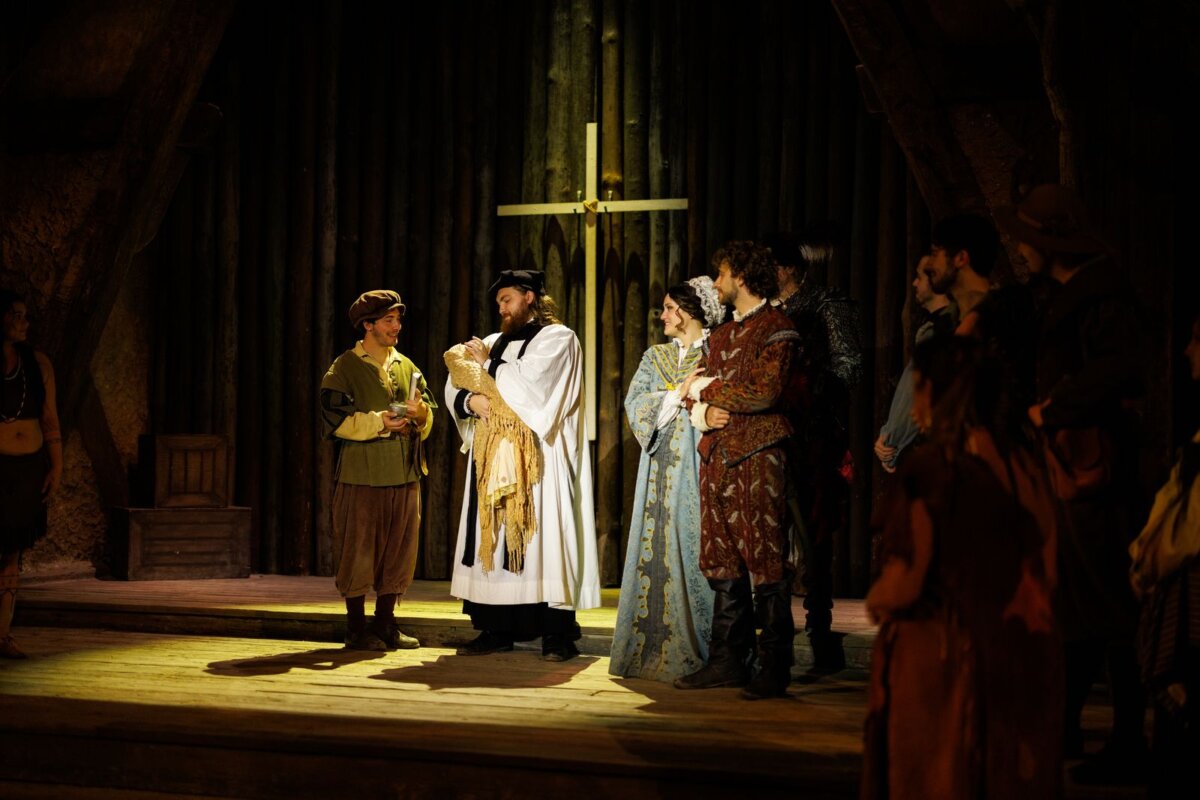
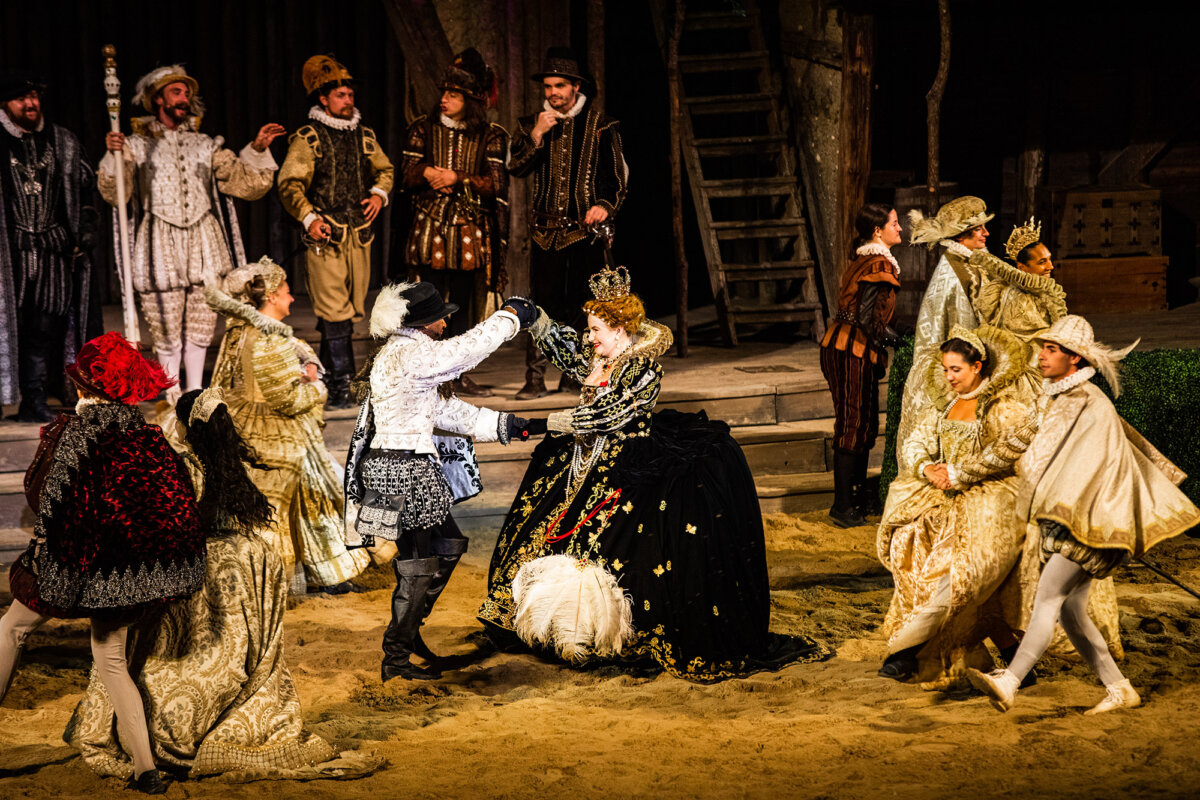
After grabbing dinner, head on out to catch an evening performance of “The Lost Colony” at the Waterside Theatre, right next to Fort Raleigh. The play, written in 1937 by Pulitzer Prize-winning writer Paul Green, is one of the longest-running outdoor symphonic plays in America and presents the story and a reimagining of what befell the settlers during their time on the island. With its cleverly crafted wooden animal puppets and high-tech projections, it has come a long way since the time Hollywood actor Andy Griffith appeared in that play from 1947 to 1953.
With their rich history, the islands of Roanoke and Hatteras aim to recreate and allow visitors to imagine what life would have been like on these sandy shores. While the scientific community remains unable to definitively state what happened to the colonists, their fate continues to beguile the world 438 years later.
