
A great deal of recent media coverage regarding the U.S. housing market has focused on the challenges faced by first-time buyers who are unable to purchase affordable residences. Often overlooked in this coverage are the challenges that many home sellers endure in trying to find a buyer.
Last month, a data report from the real estate brokerage Redfin determined there were 44 percent more sellers in today’s housing market than buyers. This is up from 30 percent over a year ago. Many sellers substantially cut their asking prices to obtain a sale. Redfin found the typical homebuyer who purchased a home for below the list price last year got a 7.9 percent discount, the largest price cut since 2012.
Sellers are also confronting a new wave of “cash offer” players, where buyers pay the full purchase price upfront without a mortgage. Also known as iBuyers, this trend involves companies that make cash offers directly to sellers, bypassing real estate agents.
According to Opendoor Technologies, an online company that buys and sells residential real estate, cash offers account for nearly 39 percent of today’s home purchase transactions. But is the cash offer approach the best deal for home sellers?

A Different Idea
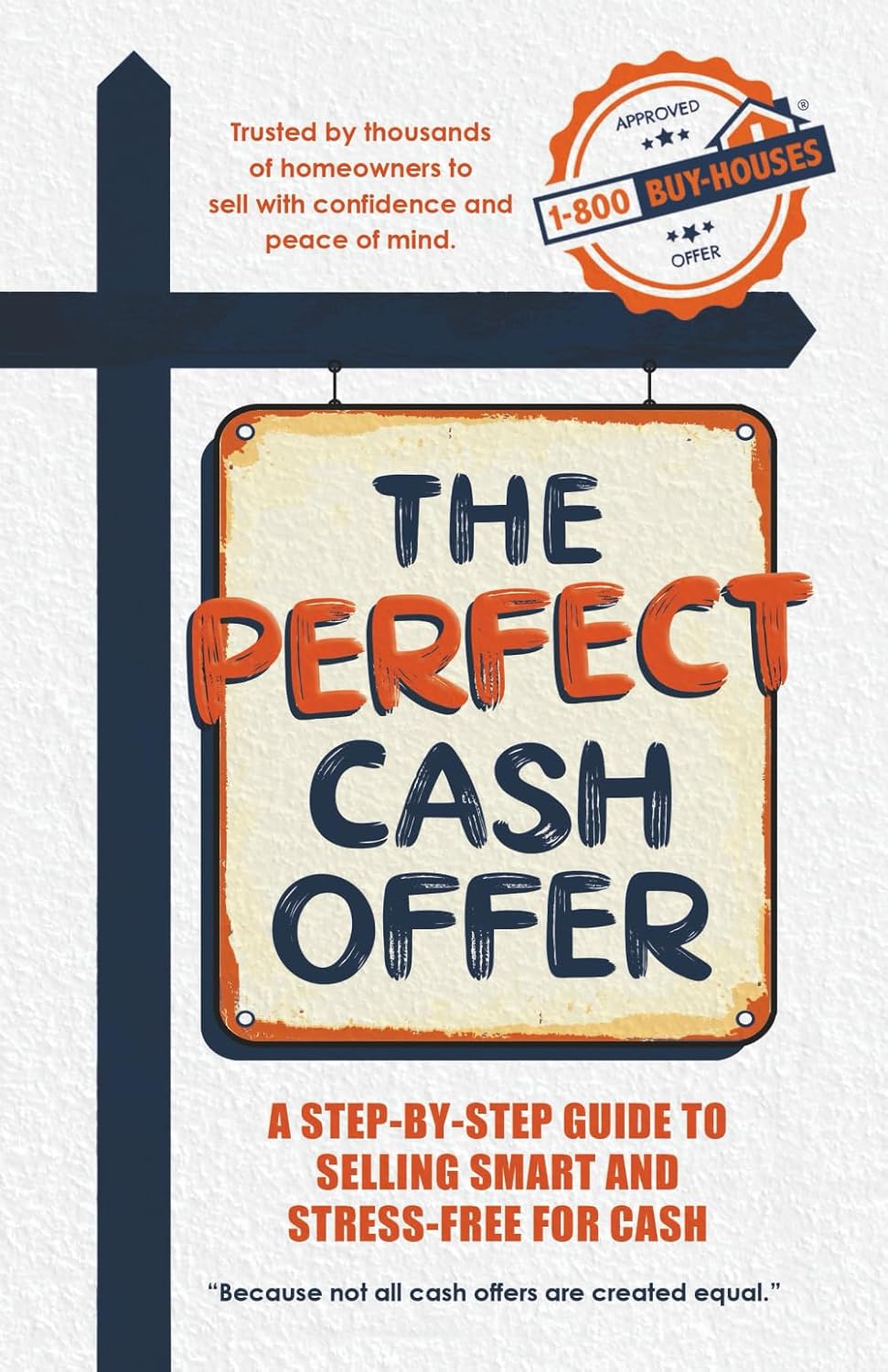
Paul Baird, co-founder of the iBuyer platform 1-800-BuyHouses, has written a book that details how the cash offer approach works. To his credit, Baird is frank in acknowledging that this approach can often create problems for sellers rather than solutions. He is also honest in admitting this strategy isn’t one-size-fits-all answer.
Baird identifies the seller who could be the right fit for cash offers as someone who suddenly finds themselves with financial difficulties exacerbated by rising housing costs. Other good candidates for this approach are homeowners who need to quickly relocate for their jobs or landlords with investment properties who are eager to retire from the real estate world.
Because these transactions emphasize the need for speed, Baird notes that sellers may not get top dollar by rushing for a sale. But if the sale price is fairly presented, Baird states the seller could still come out ahead financially.
Warning Signs Ahead
Baird raises the proverbial red flag over pesky, unsolicited cash offers that bombard homeowners via phone calls, text messages, and postcards. He calls out the tacky “We Buy Houses” signs that are often planted at intersections. These pitches promise a quick cash purchase for homes in any condition, no matter how derelict. For Baird, those tactics make the cash offer sector look cheesy and sleazy.
He also warns against wholesalers who pretend to be buyers but are acting as middlemen for other entities. The author helps to unmask wholesalers by their lingo, especially those who refer to “my business partners” or “my associates” while agitating for a lower sale price just before closing.
Furthermore, Baird cautions that seemingly reputable companies could have their own issues. He points to Opendoor’s settlement of charges brought by the Federal Trade Commission in 2022. The publicly traded company was accused of misleading marketing to consumers. It agreed to distribute nearly $62 million in refunds to over 54,000 homeowners that used their platform.
Do Your Homework
When dealing with iBuyers, Baird wisely recommends that homeowners perform due diligence. This involves researching the companies making cash offers, and not being shy about asking for references. He also stresses that sellers should seek references from the escrow and title companies that previously worked with the buyers behind the cash offers.
Another red flag Baird raised involves buyers who balk at making non-refundable “earnest money deposits.” Those amounts range from 1 percent to 5 percent of the purchase price and will be held in escrow until the closing date. The deposits, he opines, proves that the buyers are willing to put “skin in the game.”
Baird provides tips in pinpointing several of the hidden fees associated with home selling via cash offers, which can saddle the seller with extra financial and emotional costs.
While the rapid turnaround involved in cash offers can be a positive for homeowners who are eager to quickly move, Baird urges his readers to “avoid contingencies that slow the process and only benefit the buyer.” He recommends that sellers verify the buyer can close in seven days; he also cautions against agreeing to a buyer’s demand for a time-consuming property appraisal. In Baird’s view, an appraisal may be used by the buyer to seek a last-minute price reduction.
Baird isn’t opposed to having real estate agents involved on behalf of the seller, especially in complex situations or if the homeowner feels uncomfortable negotiating for themselves. Still, he cautions that having a real estate agent will result in commissions and other fees that can chip away at the seller’s profits.
Baird’s book involves occasional brief case studies involving clients that worked with his iBuyer business. Fortunately, these are illustrative of the points he is making and never become an infomercial for his company.
“The Perfect Cash Offer” is a smart and comprehensive book that should be considered by homeowners who are thinking about selling their residences. It also provides intelligent insight on the trends shaping the current U.S. housing market.
‘The Perfect Cash Offer: A Step-by-Step Guide to Accepting the Right Cash Offer for Your Home’
By Paul Baird
1-800-BuyHouses: Jan. 25, 2026
Paperback, 178 pages
What arts and culture topics would you like us to cover? Please email ideas or feedback to features@epochtimes.nyc