



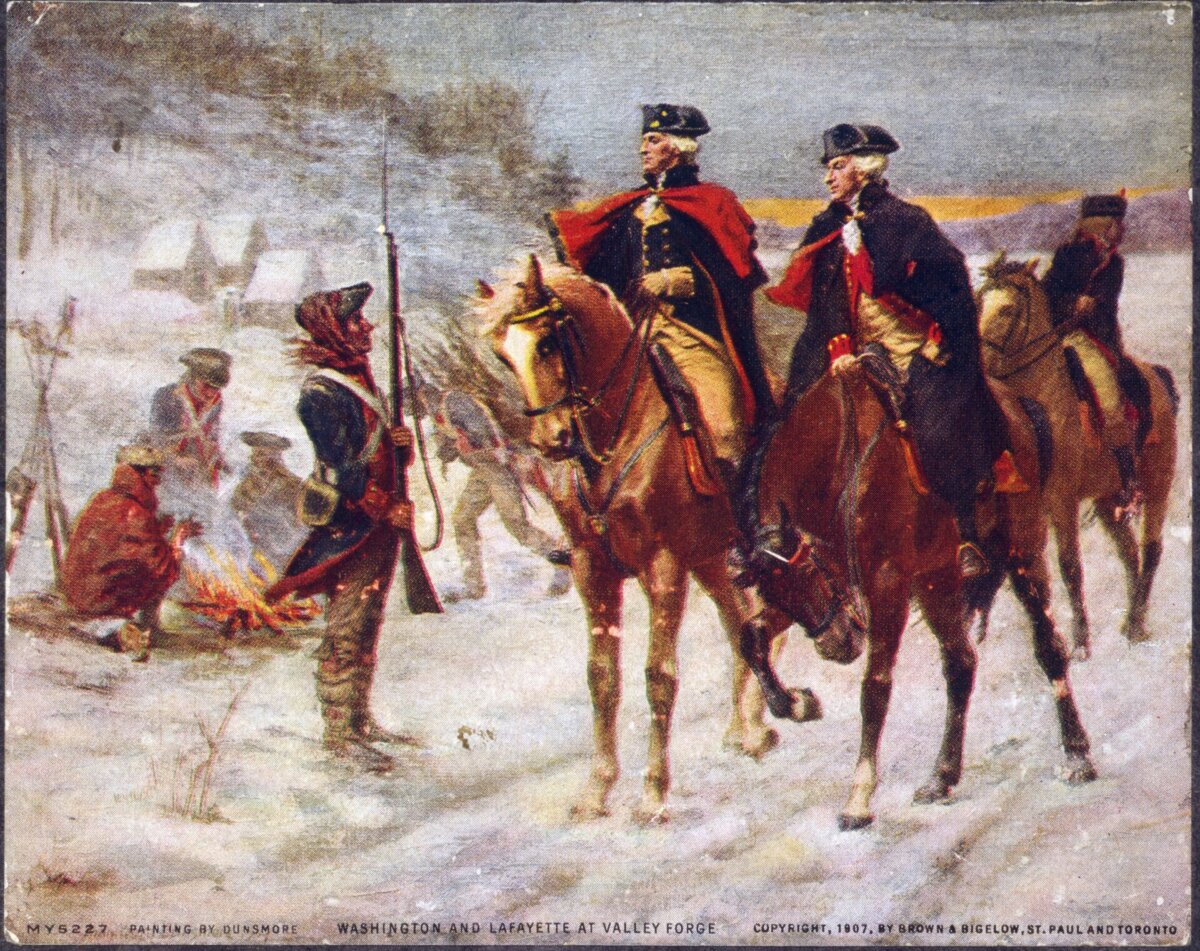
It was one of the lowest points for the Patriots in the Revolutionary War. The British had just defeated George Washington, again, at the Battle of Brandywine. The Commander-in-Chief was enduring a brutal winter at Valley Forge, where starvation and disease were causing thousands of deaths.
Horatio Gates wasn’t sympathetic. His recent victory at Saratoga had struck a stunning blow to the British, capturing Gen. John Burgoyne’s entire army. Yet, who commanded the Continental forces? It was a man who lost almost every battle. Perhaps it was time to change that—for the good of America, of course.
Thomas Conway voiced aloud what Gates thought. Conway, an Irishman who had served in the French Army, knew how to win. In a successful military career, he had been rapidly promoted. Now, he sought a new position in America: major general. Perhaps Gates was the man to make it happen, since Washington had denied his advancement. Conway began to openly criticize Washington as inexperienced, and some members of Congress were listening.
This man is now remembered only through the event that bears his name: the “Conway Cabal.” Though only loosely organized, it was the largest internal threat to his leadership that Washington ever faced.
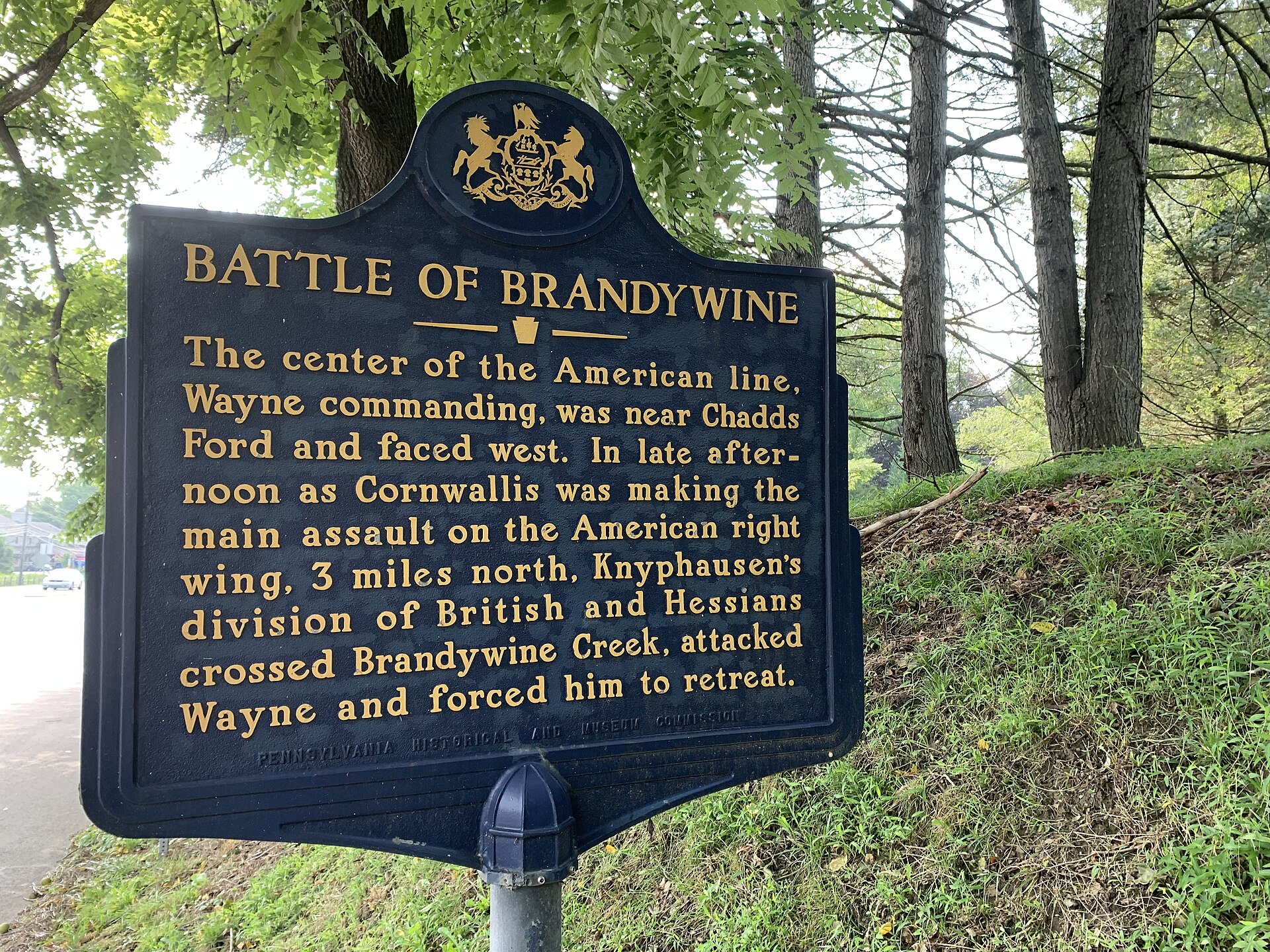 A historical marker concerning the Battle of Brandywine stands at Chadds Ford, Penn. (Public Domain)
A Plot Exposed
Though Washington had enemies in high places, some military leaders remained loyal. One such was Gen. William Alexander, known as “Lord Stirling” because of his unrecognized claim to a Scottish earldom. While an aide-de-camp to Gen. Gates, James Wilkinson, was on his way to deliver the news of Saratoga to Congress, he stopped to fraternize with Stirling’s aide. During their conversation, Wilkinson revealed a letter to Gates from Conway. The two were colluding to overthrow Washington.
When Stirling heard of the matter, he informed Washington immediately, writing, “Such wicked duplicity of conduct, I shall always think it my duty to detect.”
On Nov. 5 1777, Conway received an unexpected letter from Washington. It was brief but it revealed Washington’s knowledge of the statement Conway had written to Gates: “Heaven has been determined to save your country; or a weak General and bad councilors would have ruined it.”
Conway was confused. Washington’s report was all of three sentences, ending courteously with, “I am Sir Yr Hble Servt.” The Commander-in-Chief didn’t seem angry. How much did he know? Conway and Gates both denied involvement, declaring the incriminating letter to be a forgery. Gates even accused Alexander Hamilton of stealing it. When Washington revealed that the information was leaked by Gates’s own aide, the schemer was caught off-guard.
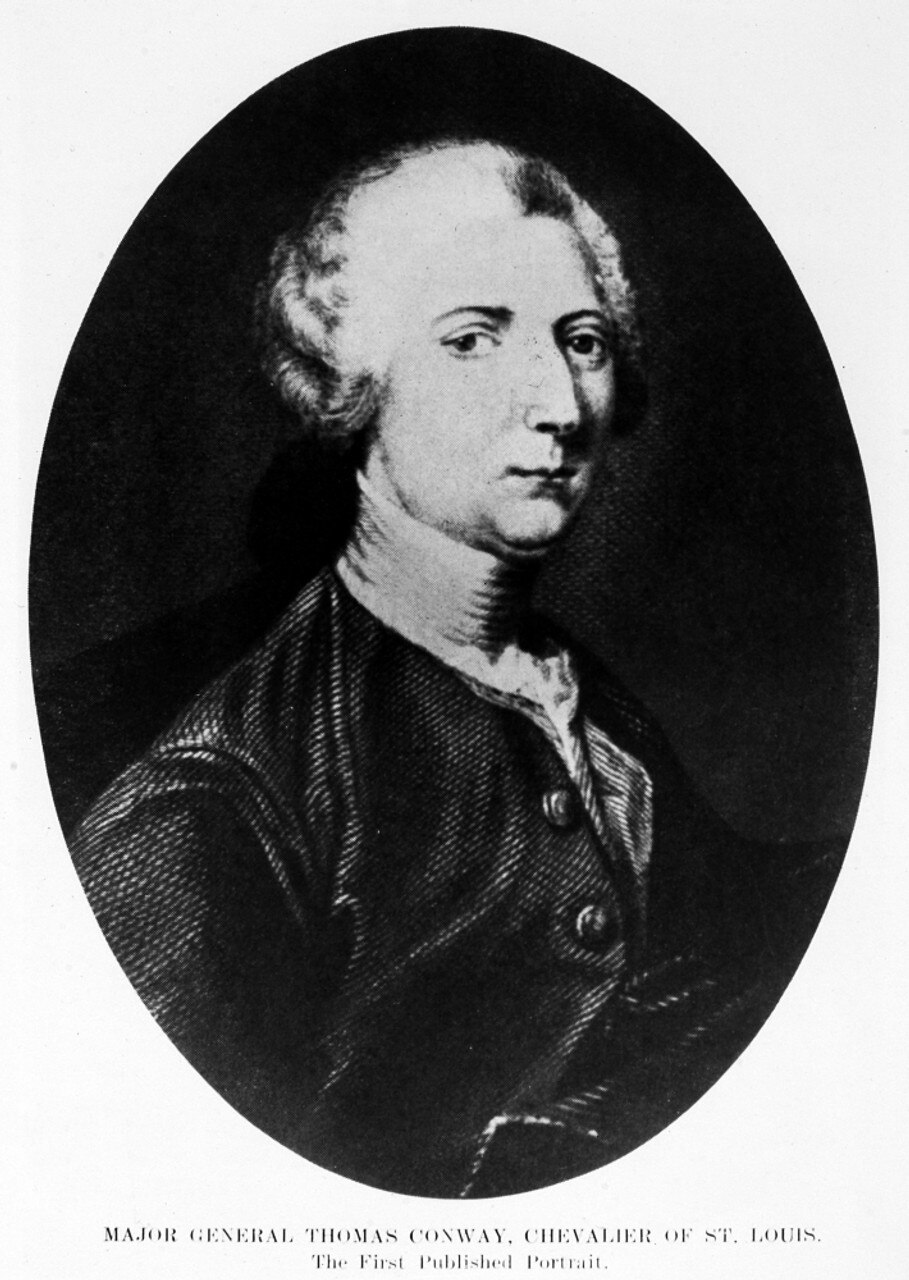 An 18th-century engraved portrait of Irish-born Revolutionary War General Thomas Conway. (Public Domain)
Beware the Bureaucrats
Enter another conspirator: Thomas Mifflin. One of Washington’s former aides, Mifflin had risen to the rank of general. Despite owing everything to Washington—or perhaps because of it—he resented the commander-in-chief. Mifflin was named to a reorganized war board, aptly name Board of War, which then appointed Gates as its president. Gates, in turn, created an inspection system to keep the Continental Army running efficiently. And the inspector general? None other than Conway.
In December, Conway arrived at Valley Forge to review the encampment’s state. As one can guess, he didn’t plan on awarding any high marks. In fact, he hoped to use a failed inspection as a pretext for declaring Washington unfit for command. But the Virginian remained unflappable. He greeted Conway with icy good manners and didn’t allow an inspection, citing a lack of clear directives from Congress.
Conway, outraged at being so coolly received, wrote Washington an angry letter on Jan. 27, 1778. Echoing Gates, he declared his earlier discovered collusion to be a forgery, complaining that “I am a victim of calumny,” and “your mind has been embittered and prejudiced against me.”
However, he ended on a positive note: “I can foretell that your virtues will acquire new luster and shine in a great light, if you guard against flattery and calumny,” not realizing the irony of dealing in these qualities himself.
A Traitor’s Apology
The Board of War never gained supervisory control over Washington, and the Conway Cabal fizzled out. Over the coming months, Conway’s treachery was common table-talk among Washington’s loyal supporters. When Conway heard that Gen. John Cadwalader had said unkind words about him, Conway challenged the brigadier general to a duel.
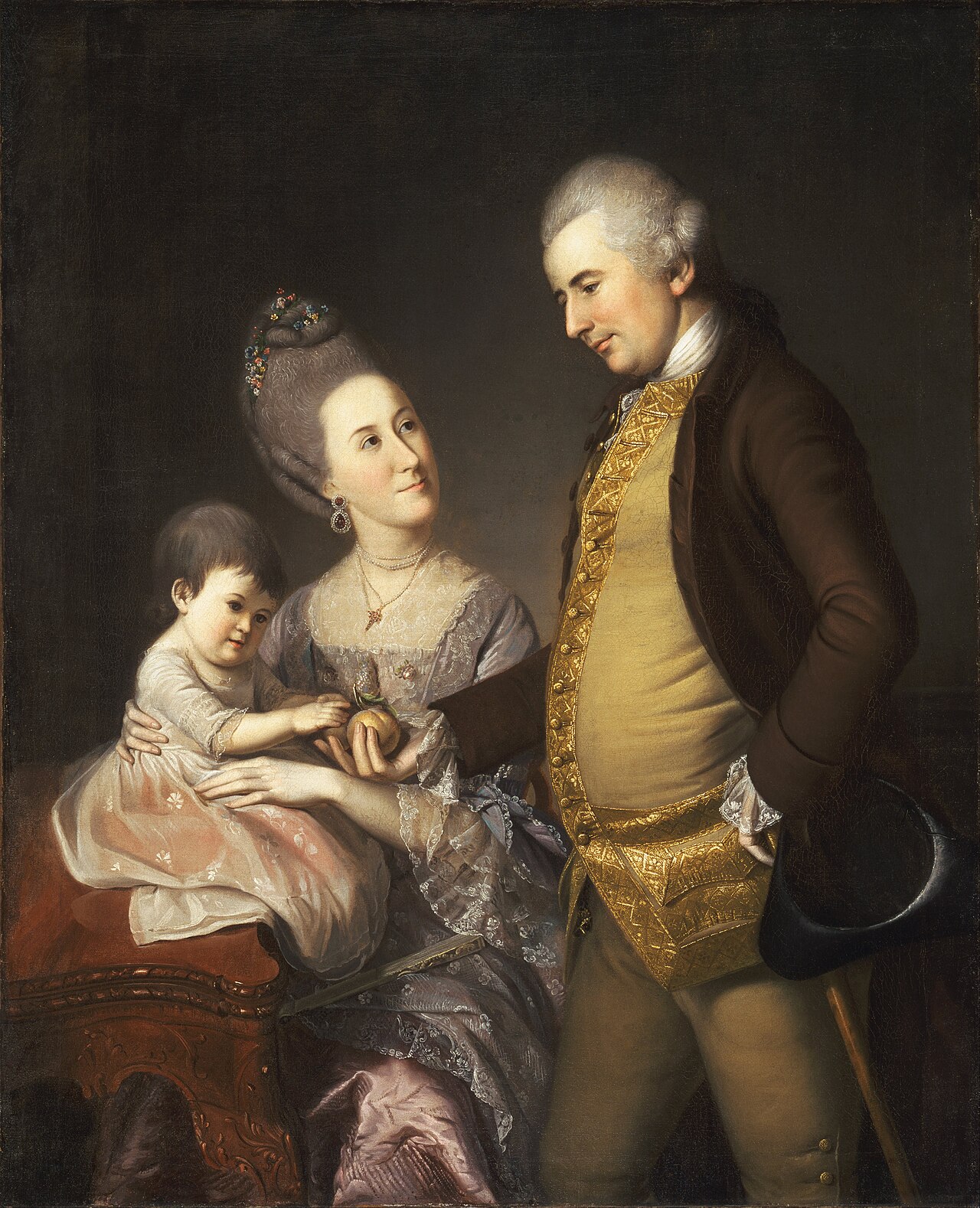 “Portrait of John and Elizabeth Lloyd Cadwalader and Their Daughter Anne,” 1772, by Charles Wilson Peale. Philadelphia Art Museum. (Public Domain)
On the morning of July 4, 1778, the two men met on the Philadelphia Common. Cadwalader shot Conway through the side of the face, and Conway was carried off the field.
Believing that was about to die, Conway took up a shaky pen and apologized to Washington:
“[I’m] expressing my sincere grief for having done, written, or said anything disagreeable to your excellency. … You are in my eyes the great and the good man. May you long enjoy the love, veneration, and esteem of these states whose liberties you have asserted by your virtues.”
One senses that this time, the flattery was heartfelt. As luck would have it, Conway survived his wound and recovered, returning to France.
Despite a handful of traitors, why did most men remain loyal to Washington, despite his shortcomings as a military strategist? Unlike his rivals, who crept around and grumbled behind closed doors, Washington had a noble character. He struck everyone who met him as a man of patience, forthrightness, and dignity. Just as he outlasted continuous defeats and bitter winters to achieve ultimate victory, he outlasted the petty schemers who sought his command.
What arts and culture topics would you like us to cover? Please email ideas or feedback to features@epochtimes.nyc
