



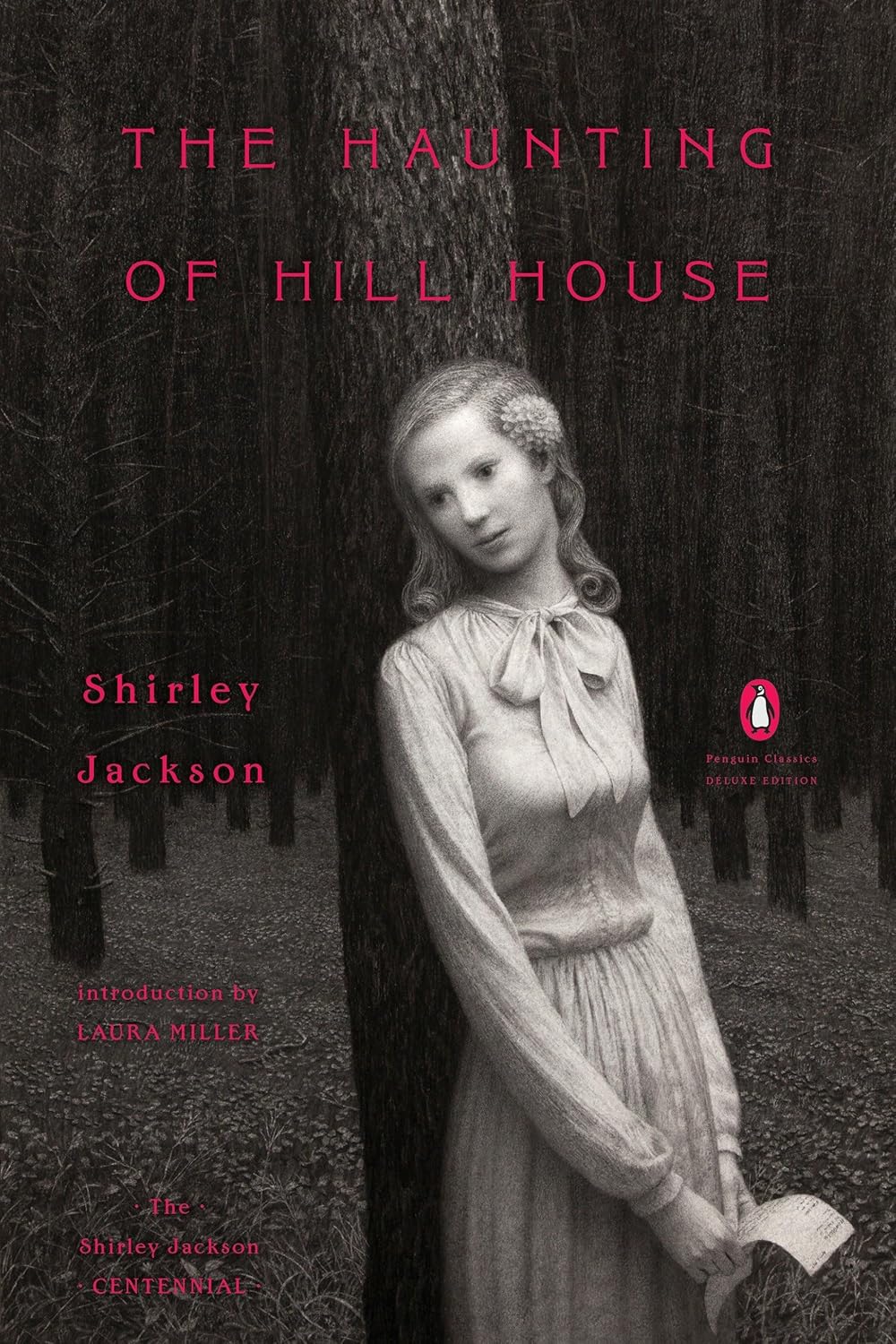
The modern king of horror literature, Stephen King, wrote in his work on the genre, “Danse Macabre,” that there were “were only two great novels of the supernatural” in the modern era: Henry James’s “The Turn of the Screw” (1896) and Shirley Jackson’s “The Haunting of Hill House” (1959). Both novels, in addition to being chilling, thrilling reads, invite readers to probe the loss of family and the twisting of the natural desire to replace this loss.
‘The Haunting of Hill House’: Failure of a Fake Family
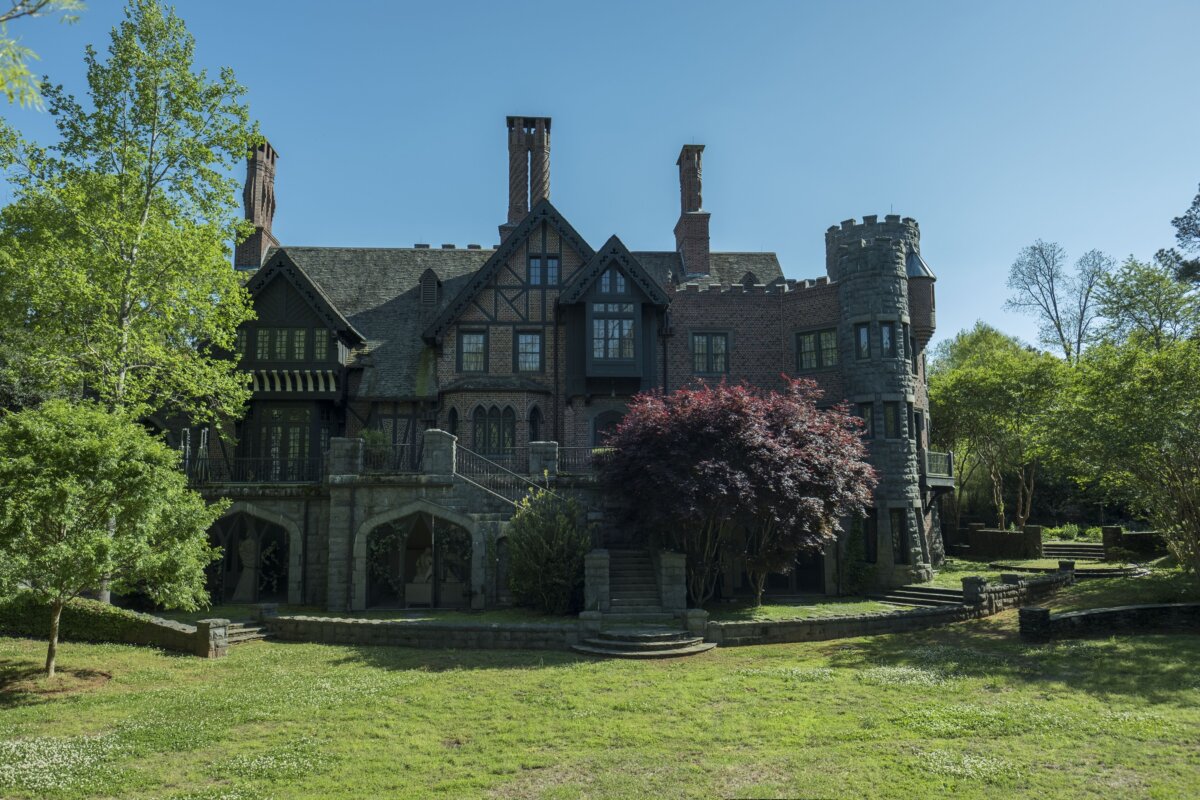
Both James’s and Jackson’s stories feature estates that loom like huge corpses; each lacks a family as its soul. This is most obvious in “The Haunting of Hill House,” because it’s the house itself that sets the plot into motion.
A professor of anthropology, whose real passion is the study of the uncanny, convinces three young people to share life at a haunted house with him for a few weeks. One is the presumptive to the estate, a handsome young man. One is an artistic beauty, and one is Eleanor Vance, a woman who has been frustrated her entire adult life. These characters serve as a composite of acquaintances: a fake family.
When they arrive, they learn of the awful history of the 80-year house. It started with the death of a young wife while she arrived at the newly-built structure, then the death of the next two wives in tragic circumstances, the bitterness of the widower, the rancor between his two daughters, and finally, the guilt of the maid who inherited the estate and hanged herself in the library tower.
The story proceeds through masterful, ominous rhythms of gloom and terror, punctuated by humor. It ends in a sudden and catastrophic death.
‘The Turn of the Screw’: A Perversion of Family Life
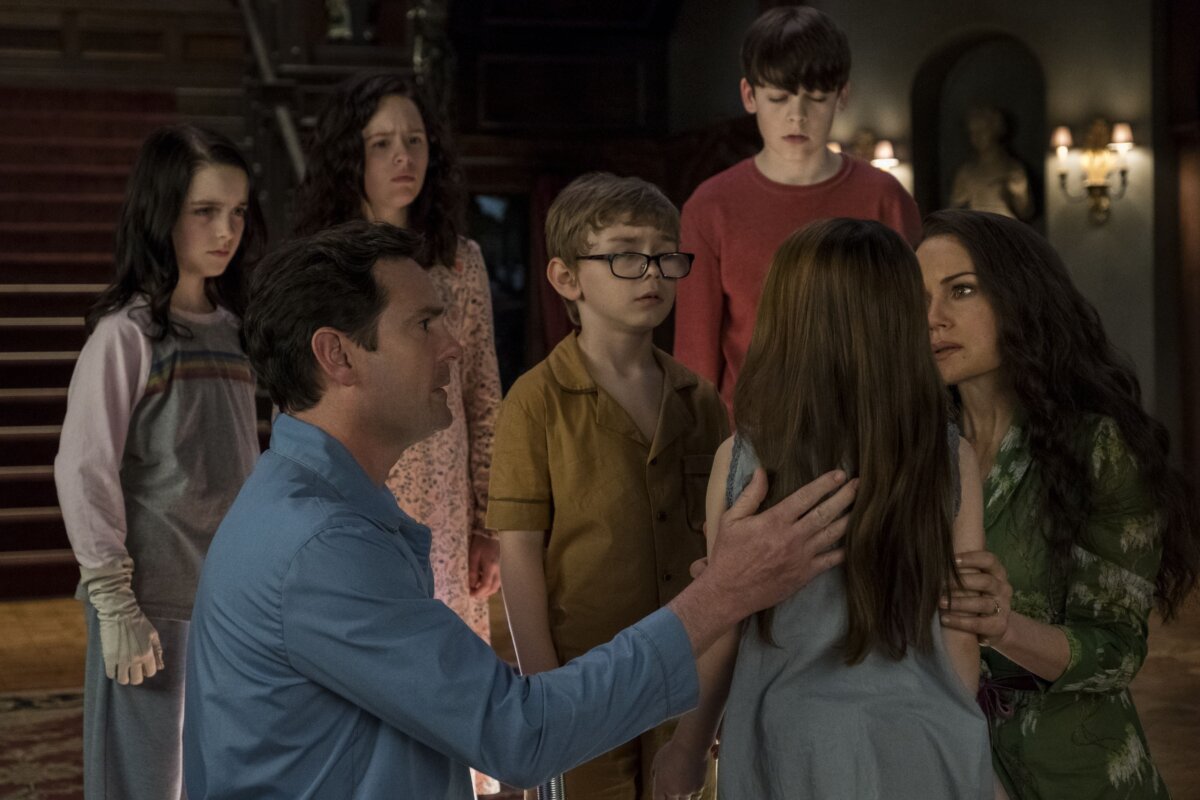
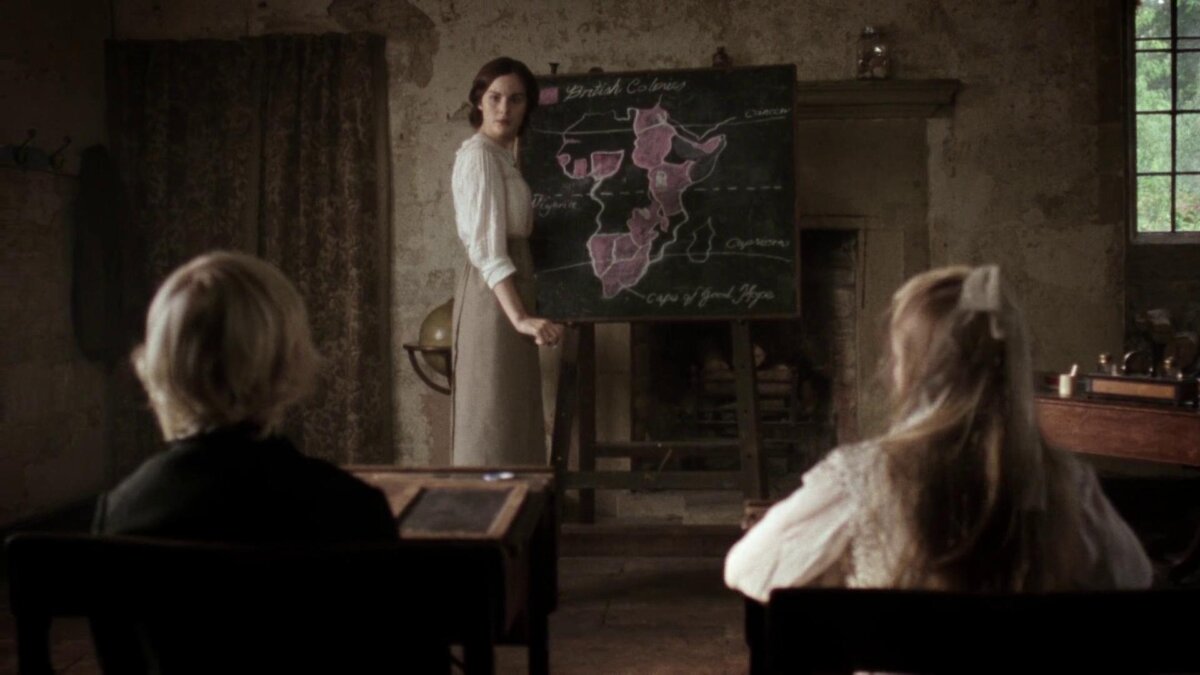
Bly House, the estate featured in “The Turn of the Screw,” is not characterized by malicious intent, but the scenes within it are just as chilling. A grown daughter from a poor parson’s family arrives to take over as governess for two orphaned children. She is convinced to do so partly because of the security the position offers, but even more so because she falls in love at first sight with her employer, the rich and handsome uncle of the orphaned children.
However, she is hired under the express condition that she manage everything and never so much as ask for advice from the uncle. Her role, essentially, is to free the uncle from any duty or responsibility toward his wards.
She undertakes her duties at first with great pleasure, enraptured by the young boy and girl and their apparent goodness. The main chill of this book is her gradual awareness that this goodness is just an appearance; the children are secretly pursuing and enjoying a perverse friendship with the ghosts of the evil former butler and governess.
Armed only with her wits and some support from the head maid, the nameless heroine strives to break off this communication and reclaim the hearts of the children. As in “The Haunting of Hill House,” this story also ends with an abrupt and chilling death.
Children Abandoned
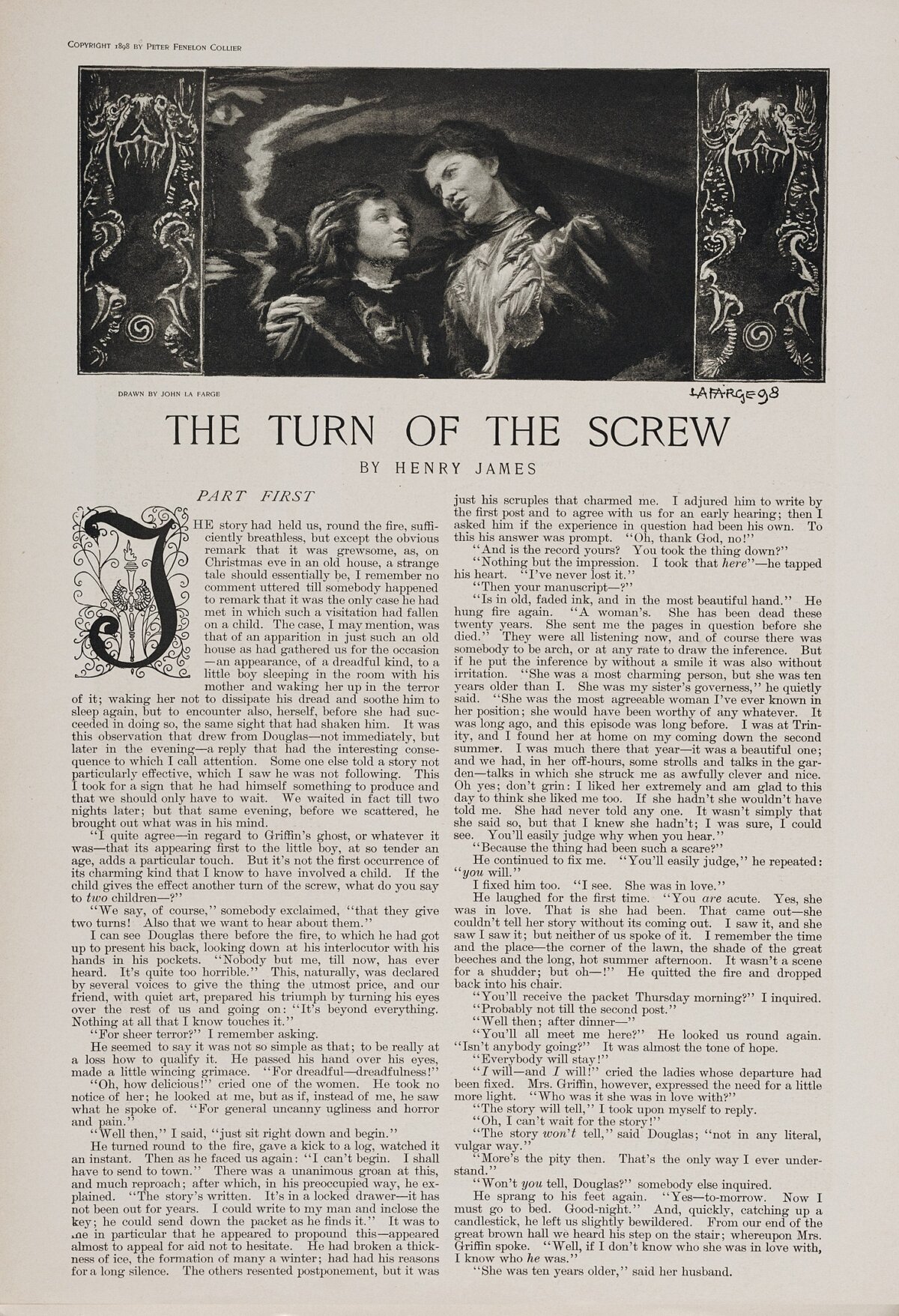
The rejection of children has always been a bedrock of horror, from Oedipus Rex to the “Shining.” The “Turn of the Screw” and “The Haunting of Hill House” uniquely support each other in revealing the ramifications of children being abandoned, rejected, or both.
In “The Turn of the Screw,” the children bear no responsibility for the untimely deaths of their parents and the vulnerable situation it places them in. This tragic situation is only heightened by the uncle who takes splendid care of them in every way except love. Their fondness for the evil ghosts of Peter Quint and their former governess is based on their young, blind affection for them when they, as adults, were alive. While the children are terrifyingly deceitful and callous, they are seeking in evil and immaterial presences the simulation of a father and mother.
Similarly, in the “Haunting of Hill House,” the extremely important backstory features two daughters who lose their mother right before they arrive at their new home. Their father’s survival does them no good, as he abandons them to face their pitiless house alone while he travels abroad.
The girls grow up and bring their unchosen sorrow and horror with them when they choose bitterness towards each other. In this way, the evil and sadness of Hill House perpetuates itself up to the time of the main story, when Eleanor Vance is just an abandoned child in a woman’s body. But Eleanor, with few but fond memories of her long-dead father, wracked with guilt and regret over her recently deceased mother, and dominated by her sister and brother-in-law, sees Hill House as a place to finally be part of a family, a family of her own choosing.
Throughout the “Haunting of Hill House,” Eleanor broods over her excitement that things are “finally starting to happen to her.” While she thinks she just wants something to happen, what she actually desires is a family. This is frightfully illustrated by her odd, frequent bursts of happiness despite living in a horrible house where she finds everything ugly, perverse, and terrifying—everything except the company of others who seem to accept her.
However, mere social acceptance, based on liking, is not the same as being part of a family, where love is unconditional. When she doesn’t receive this love that she so desires, she, like the children in “Turn of the Screw,” heeds the call of an immaterial presence.
Evil is Too Strong to Fight on One’s Own
Both novels show that although evil is just a perverse substitute for good and real human needs. It is paradoxically too strong for the protagonists to fight or even control as mere individuals. The governess in “The Turn of the Screw” deceives herself into thinking that she can fight the evil in single-combat. Meanwhile, Eleanor and her new acquaintances in the “Haunting of Hill House” mistakenly believe that they can at least manage the wicked house as a team of individuals. In both cases, the end is only deeper abysses of tragedy.
Some critics subscribe to the theory that the “supernatural” phenomena in these stories are all or mostly in the protagonists’ heads; yet it doesn’t matter in the end. Even the mind—the capacity to perceive rightly and judge correctly—is not capable of taking on evil by itself. Fear cannot be resisted by individuals by themselves, however heroic. It requires something more: the ties of real, sacrificial love that binds families.
Aristotle said that tragedy brings about a purging or cleansing of fear. Whether one accepts that statement at face value or not, it’s certainly true for these two books. They offer a means to purge fear. While the thrill of these stories is pleasurable in itself, the thrill prepares readers to treasure their families as the one thing that can survive the test of all the world’s evils.
What arts and culture topics would you like us to cover? Please email ideas or feedback to features@epochtimes.nyc
