



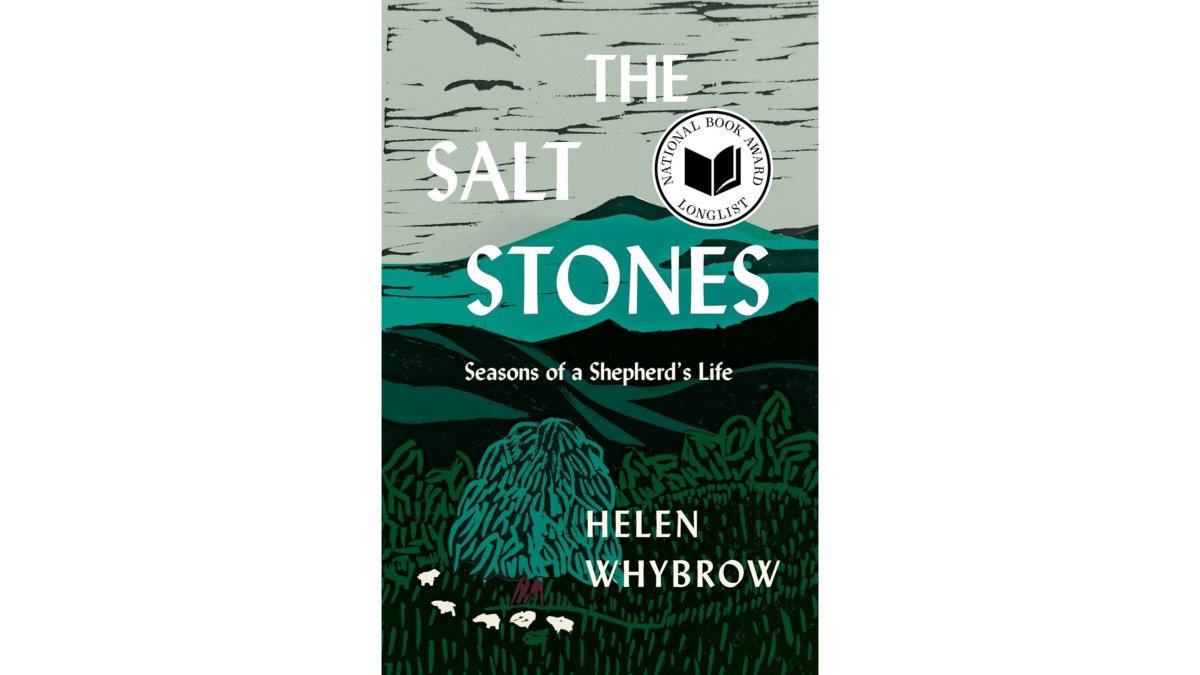
Despite its title, “The Salt Stones: Seasons of a Sheperd’s Life,” this new memoir is so much more than simply the care and feeding of sheep. It’s the love of the land, the animals, and the day-to-day demands of farming life that represent the heart of this book.
Author Helen Whybrow and her partner have taken over a 200-acre farm in Vermont’s Green Mountains with the intent of raising Icelandic sheep. The writing style is poetic and rhythmic, with detailed observations of the interconnectedness of people and nature. The book also shows how tedious and difficult the life of tending to a farm can be. But the reader sees the wonder in it all as well.
The author takes the reader through the seasons, weathering the joys and sometimes cruel events nature puts forth. Whybrow’s family includes her partner, Peter, their 3-year-old daughter, Wren, and stepdaughter, Willow. There are threats of coyotes sneaking off with lambs and finding sheep who’ve wandered off. At the same time, the couple is raising their younger and inquisitive daughter, who prefers working on the farm more than getting on the school bus.
Birthing Lambs
In moments of loss, like when a lamb dies at birth, Whybrow is at her writing best, describing the moment of death. “It takes only seconds for the light to die out of his eye. That unexplainable light. It was there, then it wasn’t.” The baby’s mother, named Blue, “cleans him, pawing at the ground,” as if it will awaken. It’s a moving passage, but there’s no time to mourn; the author needs to remove the body, tend to the others, and decide how to break the news to her daughter.
Though the book covers almost 20 years of their farming life, the story is separated into the four seasons of a year. Most striking are her keen to-do list of tasks needing completion before the oncoming season and descriptions of what sheep do all day.
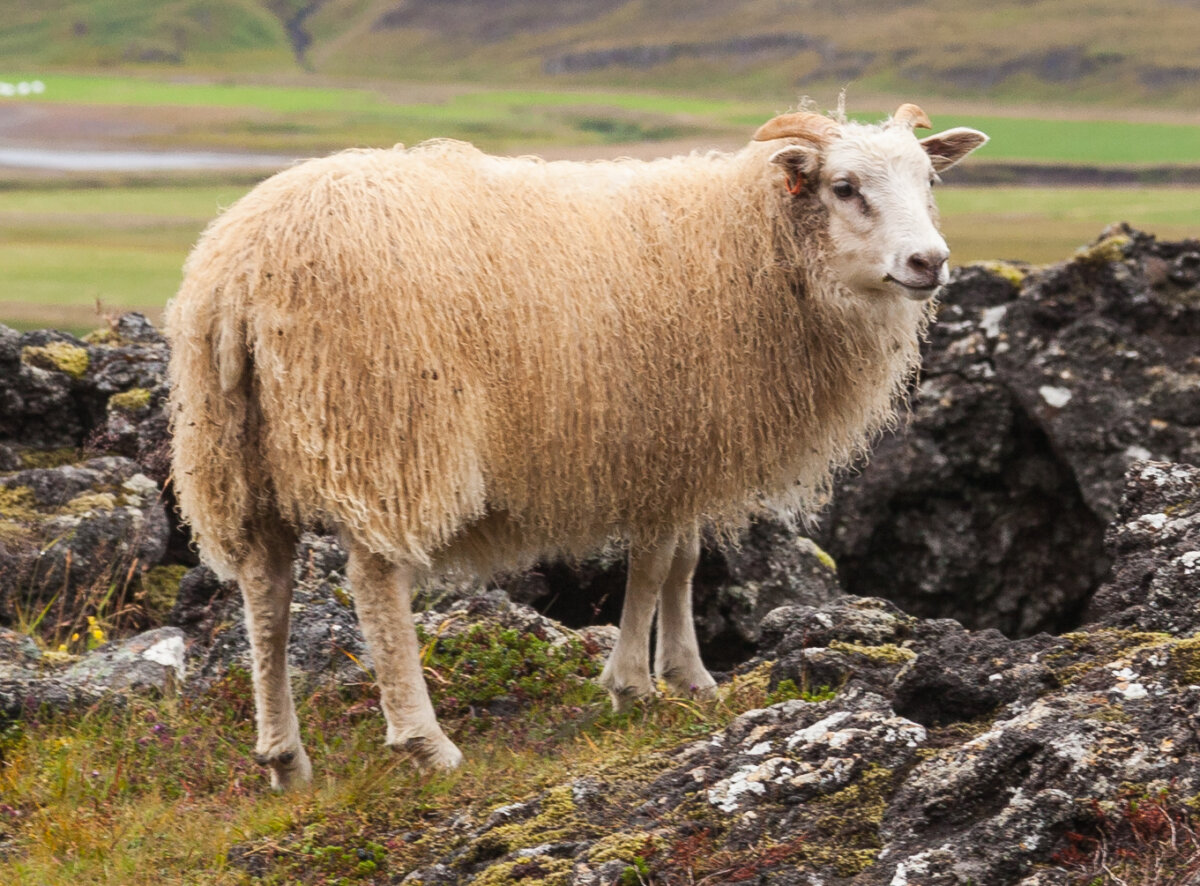
One of their activities is chewing. For hours. They typically munch on grass, which mixes with their saliva, creating the “cud.” Eventually, the cud moves to the rumen, a term for their unique digestion system. The word “ruminate” comes from this process, so, like sheep ruminate, so do humans as we mull things over slowly and carefully.
Early Farm Mornings
Most chapters begin with a description of the author’s early morning observations. In one titled “Spring Meadow,” she’s greeted with “a thin mist hovering over the ground [magnifying] the bright green of the world,” and a wren who “cocks her head at me from a nest of blueberries.” Despite plain descriptions, there’s a power in them that’s enough to leave a lasting impression.
It’s a slow-paced read, but welcoming in the torrent of our chaotic world. Though not many will take on the farming life, it’s a retreat into a lifestyle one may daydream about pursuing. With late nights awaiting the birth of the babies, the never-ending lists of tasks, and lying in wait to hunt wolves eyeing the newborns, it may seem the sorrows of life outnumber the joys. However, the author makes sure to cheer the appearance of each one.
The minutiae of detail in raising sheep can feel a bit much, but it does seem right to include it. By understanding the special needs of the sheep, there is a sense of urgency and perseverance to act at the first sign of an illness, or changes in temperature. Since it’s the sale of sheep that provides an income, careful attention must be paid to their environment, plus their nutritional and medical needs.
At the beginning of each chapter, as well as within the narrative, the author has included quotes from “The Serpent of Stars,” a seminal work of fiction she picked up at a Vermont bookstore. The author, familiar to her, is Jean Giono, and the story focuses on the mythical life of shepherds.
Whybrow had just started her lambing business, and the appearance of this book was serendipitous, giving her the much-needed inspiration for the venture. Reading the book, as she writes, “in one gulp,” she could see herself “roaming the mountains with these shepherds.” We feel her confidence grow as she takes on the titles of new mother, new shepherd, and new farm owner, with an increased sense of the higher purpose it can hold.
One of Giono’s passages, located in the early pages, explains the book’s title, and reference to “salt stones.” Shepherds are known, we read, to find flat rocks and lay out salt for their sheep. Called the salt stones, they’re vital for a variety of reasons: nutrition for the nursing and young lambs, or an injured one. It’s both a “consolation and a remedy,” and a metaphor for how this essential mineral mined from the earth can do so much to restore the body.
Letting Go
As the farmers and their children age, so does the author’s mother, hastened due to the onset of dementia. The writing is at once meditative and balanced, with the circle of life occurring in the barns and yards of her farm, as well as within the family.
“The Serpent of Stars” is referenced again as Whybrow visits her mother towards the end and reads passages from the book. There are reminiscences of reading to her mother while she worked in the kitchen, sometimes from Jane Austen, or the Brontës.
But the words she reads today concern the relationship between man (the shepherd) and “beast,” whose combined odors of sweat, new babies, and wool, combine to represent “life.” There’s an intimate description of their mother-daughter relationship and one more universal about letting go when it’s time.
Whybrow came to the writing of this book well prepared. She’d already worked on two books with reflections on returning to the land, in addition to her own nature essays appearing in literary publications. Then, in her youth, her parents took over a New Hampshire farm where she and her sister Kate became farm hands. We see both skills blended here in a memoir one will remember long after it’s finished.
In her acknowledgements, expressing thanks to family, friends, and farm hands, she ends with a nod to the “nearly one thousand lambs whose lives are embedded in these pages.”
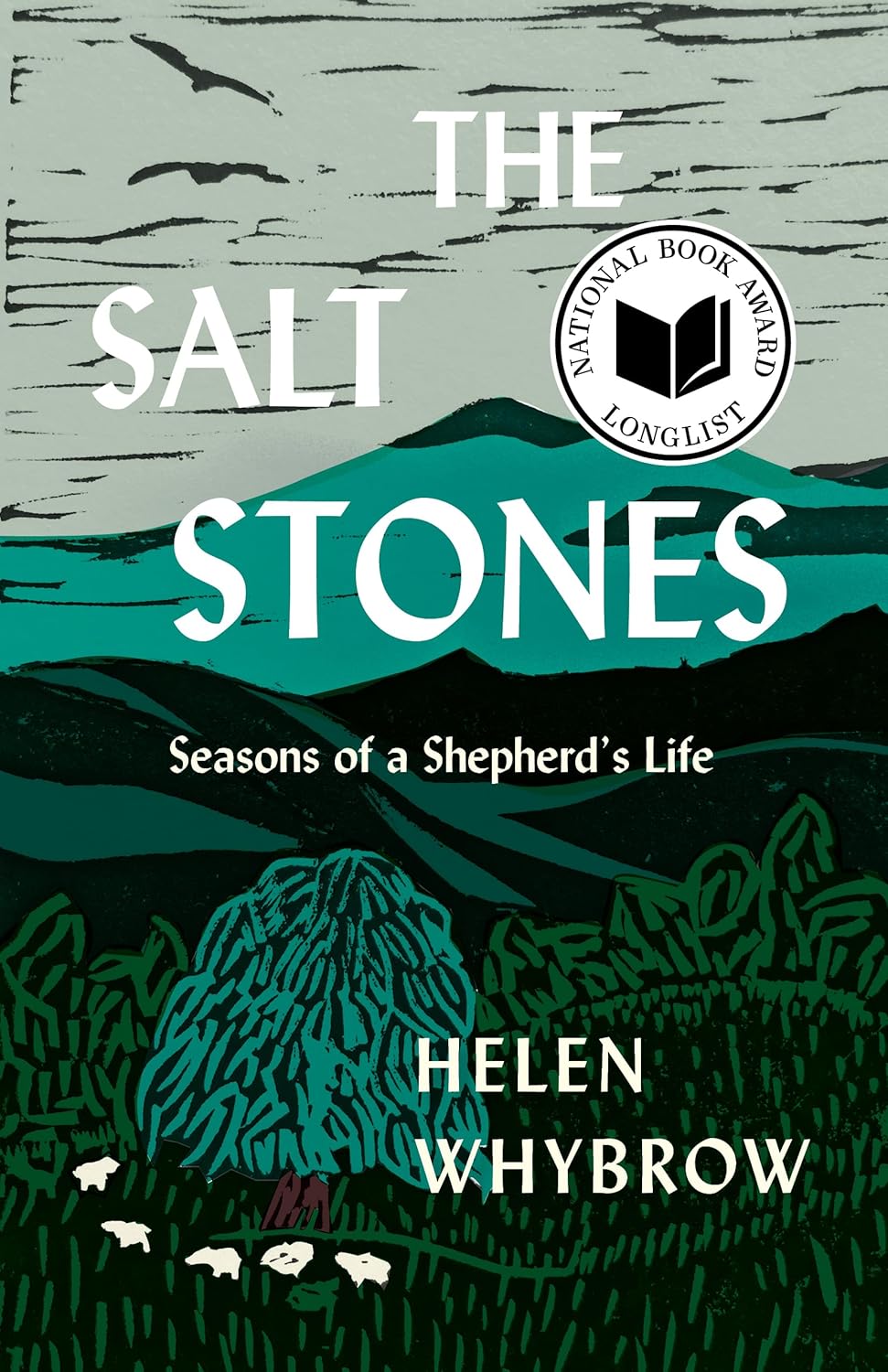
‘The Salt Stones: Seasons of a Shepherd’s Life’
By Helen Whybrow
Milkweed Editions: June 3, 2025
Hardcover, 256 pages
What arts and culture topics would you like us to cover? Please email ideas or feedback to features@epochtimes.nyc

.JPG)